Which cheeses is Italy famous for?
Parmigiano Reggiano, Grana Padano, Gorgonzola, Mozzarella di Bufala, Burrata, Taleggio and Pecorino Romano are among the best-known Italian cheeses. Similar names can easily mislead, though: Parmigiano Reggiano and Grana Padano are separate cheeses with different specifications and production areas, and Pecorino is not one cheese but a broad family pointing to sheep's milk.
Italy's official tourism portal highlights each region's own gastronomic specialities and routes. So rather than grouping cheeses under one “Italian” heading, it is clearer to read them as the Alps, Lombardy and the Po Valley, the north east, central Italy, and the south and islands.
A cheese map of Italy
The diagram below is a travel aid. It shows the cow's milk and long-ageing traditions of the north apart from the buffalo and sheep's milk styles of the south and the islands.
Fontina · Castelmagno · Bra · Toma Piemontese · Robiola
Gorgonzola · Taleggio · Grana Padano · Bitto · Valtellina Casera
Asiago · Montasio · Piave · Puzzone di Moena · Monte Veronese
Parmigiano Reggiano · Pecorino Toscano · Casciotta · Formaggio di Fossa
Mozzarella di Bufala · Burrata · Caciocavallo · Ragusano · Pecorino · Fiore Sardo
Romano, Toscano, Sardo and Siciliano each have their own geography and production traditions.
Record the full name, milk and age together.The 49 Italian cheeses in Cheesepedia
This is not a “best cheeses” ranking. It shows the cheeses in the app database with their milk, texture, intensity and production area. Each card opens the full profile; when you compare styles, keep in mind that producer, age and storage can all change the experience.
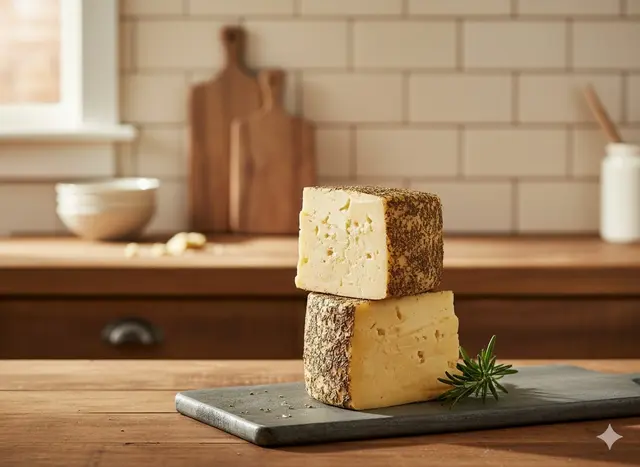 Asiago StagionatoVeneto / Trentino (Asiago Plateau)Cow · Hard · bold
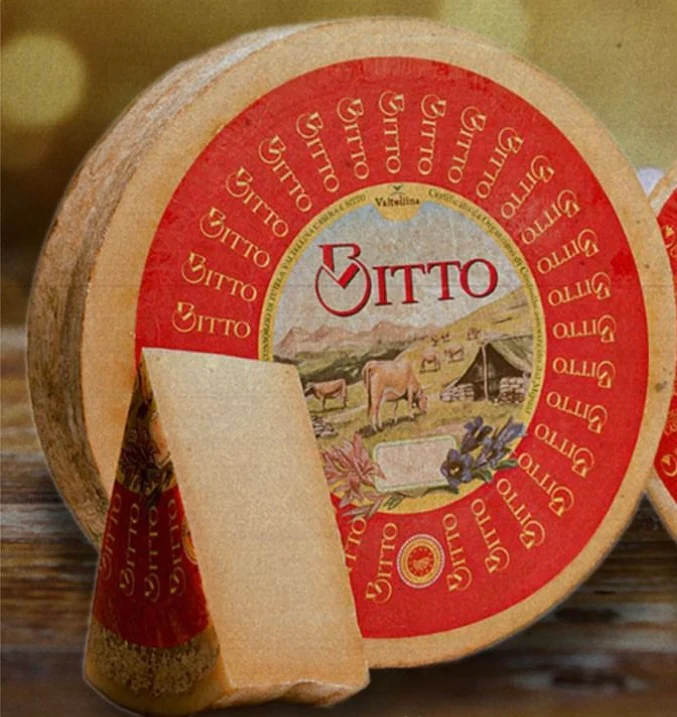 BittoLombardia (Valtellina)Cow / Goat · Hard · medium
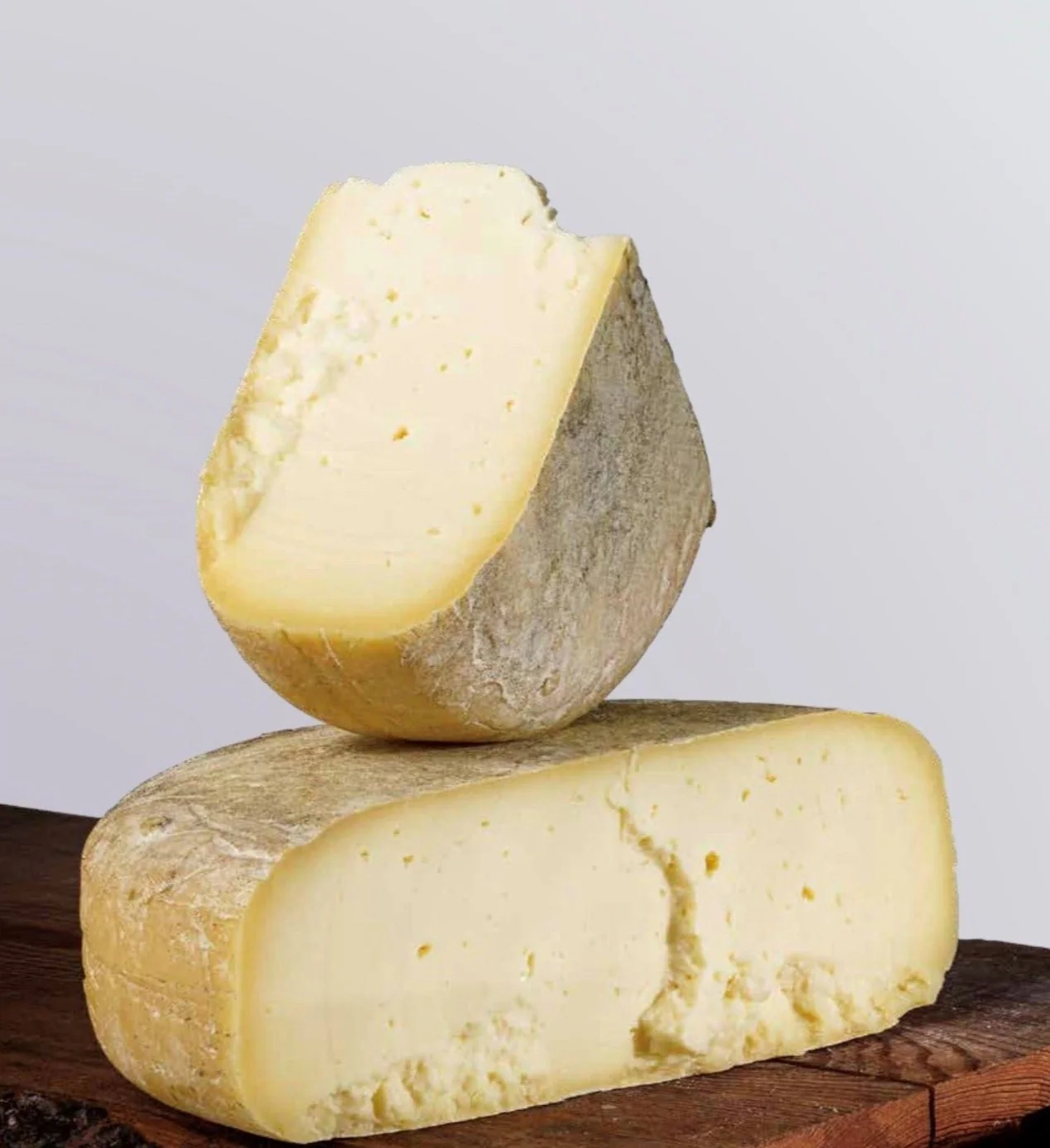 BraPiedmont (Cuneo)Cow · Hard · medium
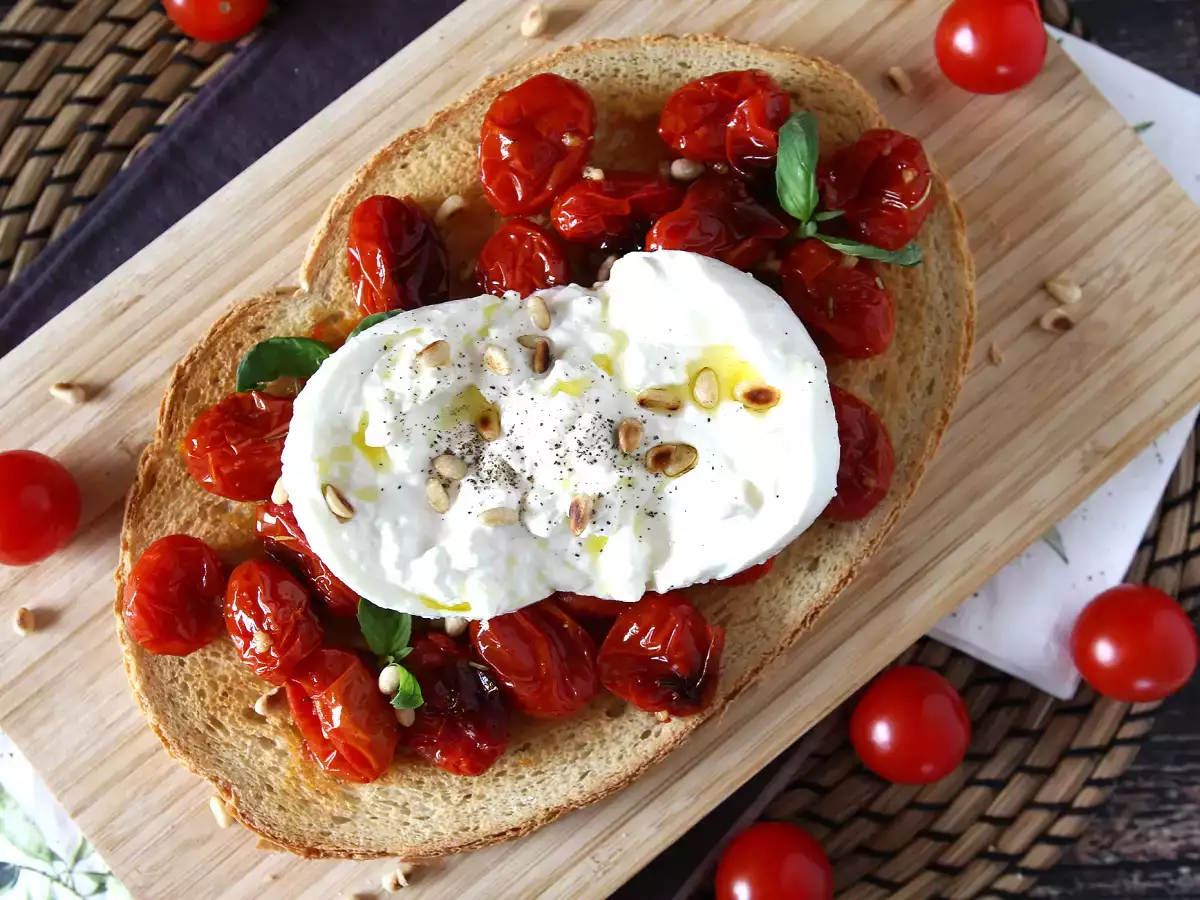 BurrataPuglia (Andria)Cow · Fresh · gentle
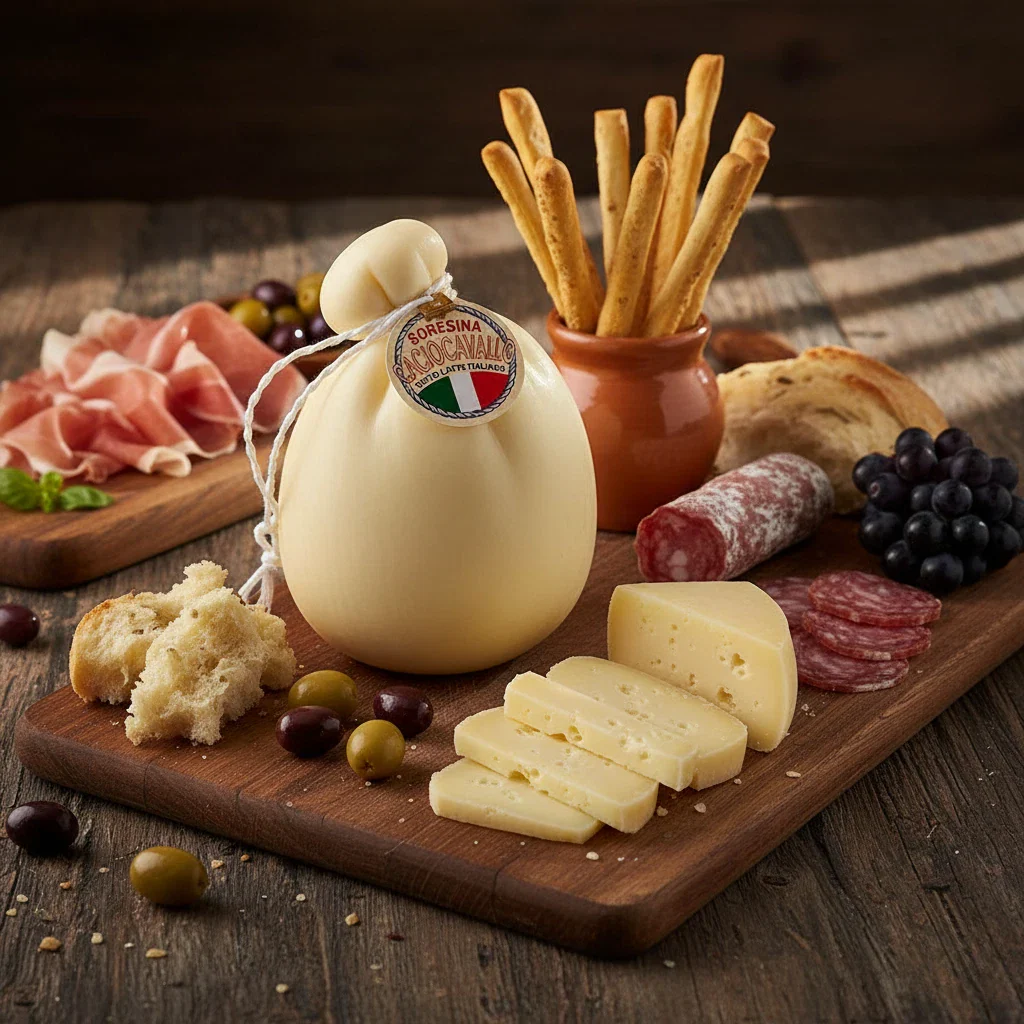 Caciocavallo SilanoCalabria, Basilicata, Campania, Molise, and PugliaCow · Semi-hard · bold
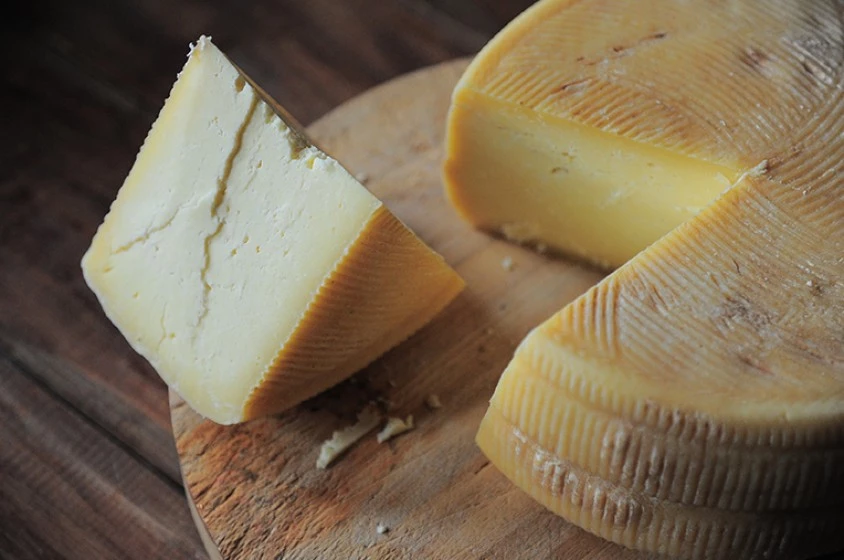 Canestrato (di Moliterno)Basilicata (Moliterno) and PugliaSheep / Goat · Hard · bold
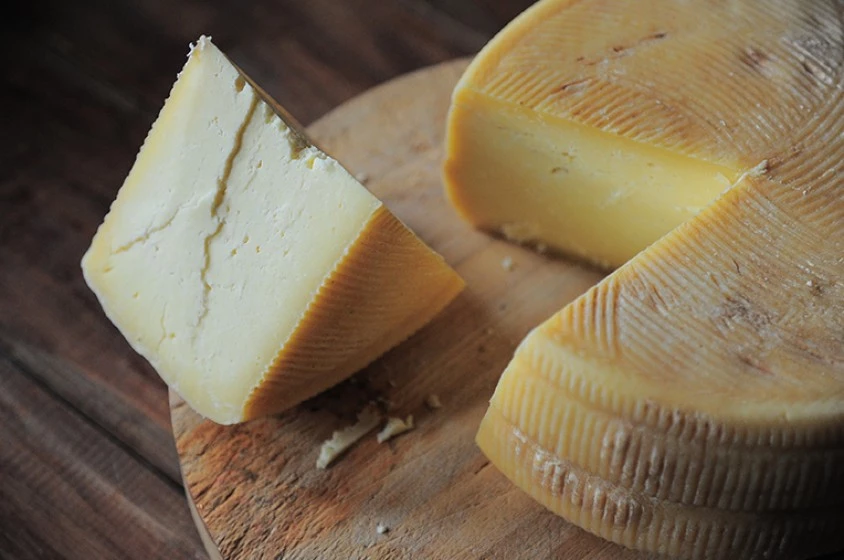 Canestrato (Pugliese)Basilicata (Moliterno) and PugliaSheep · Hard · bold
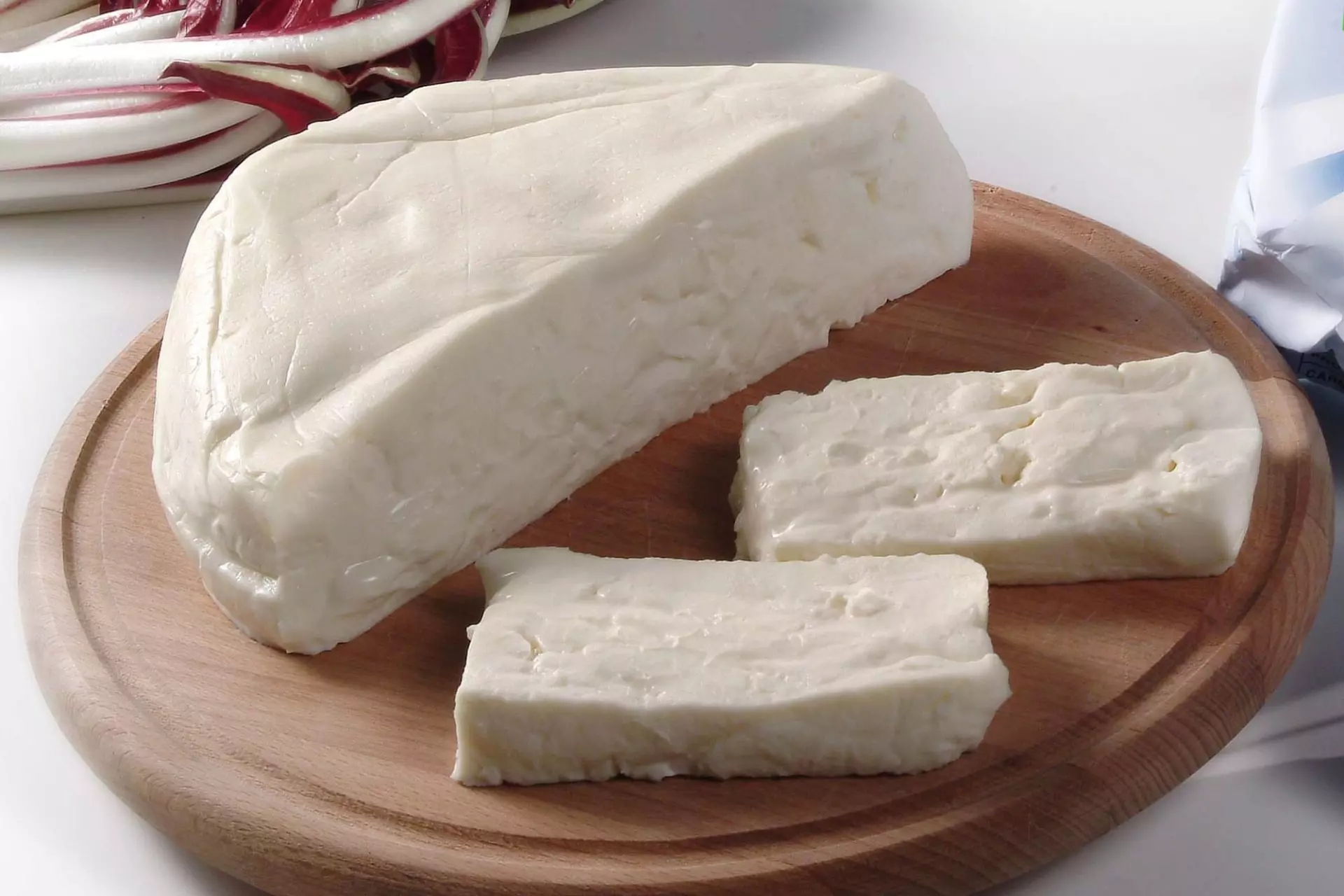 Casatella TrevigianaVeneto (Treviso)Cow · Fresh · gentle
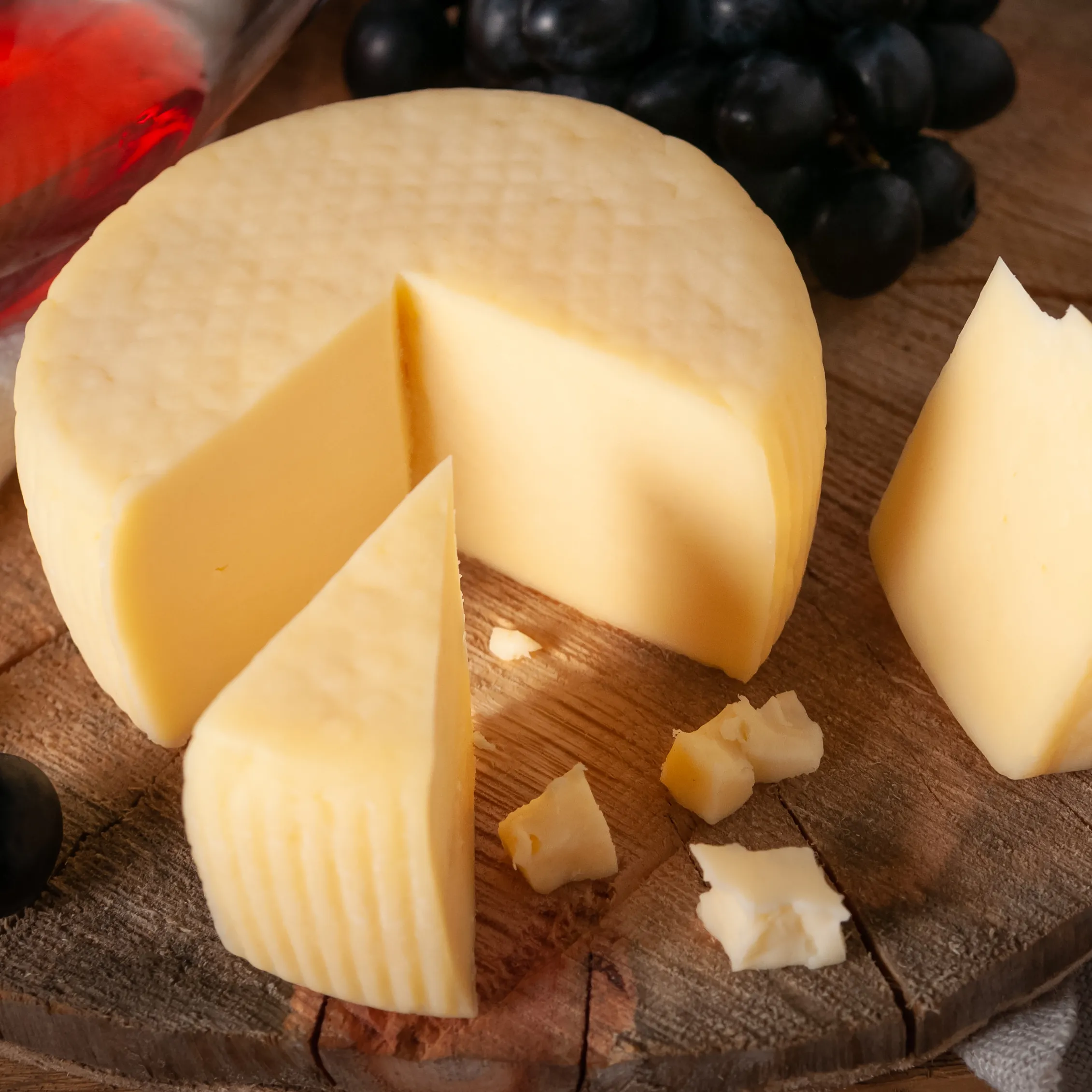 Casciotta d'UrbinoMarche (Pesaro and Urbino)Cow / Sheep · Semi-soft · gentle
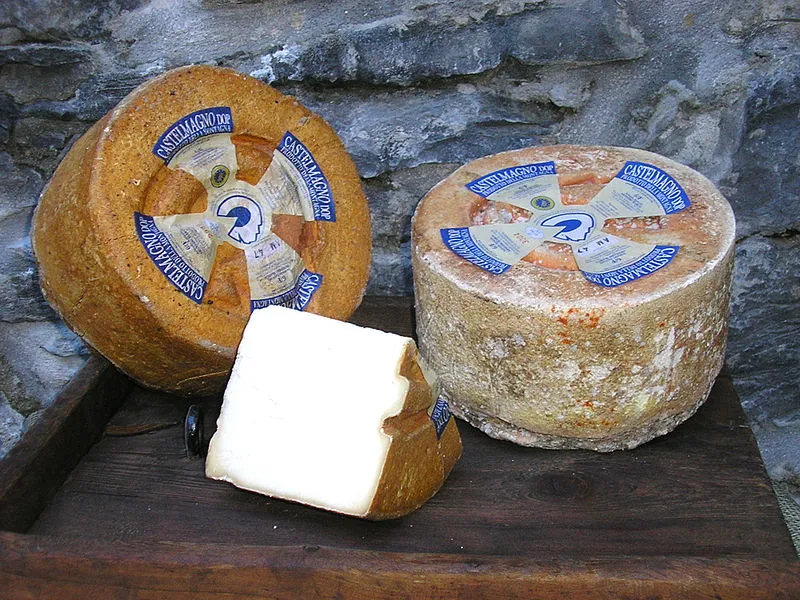 CastelmagnoPiedmont (Alps)Cow / Sheep / Goat · Hard · bold
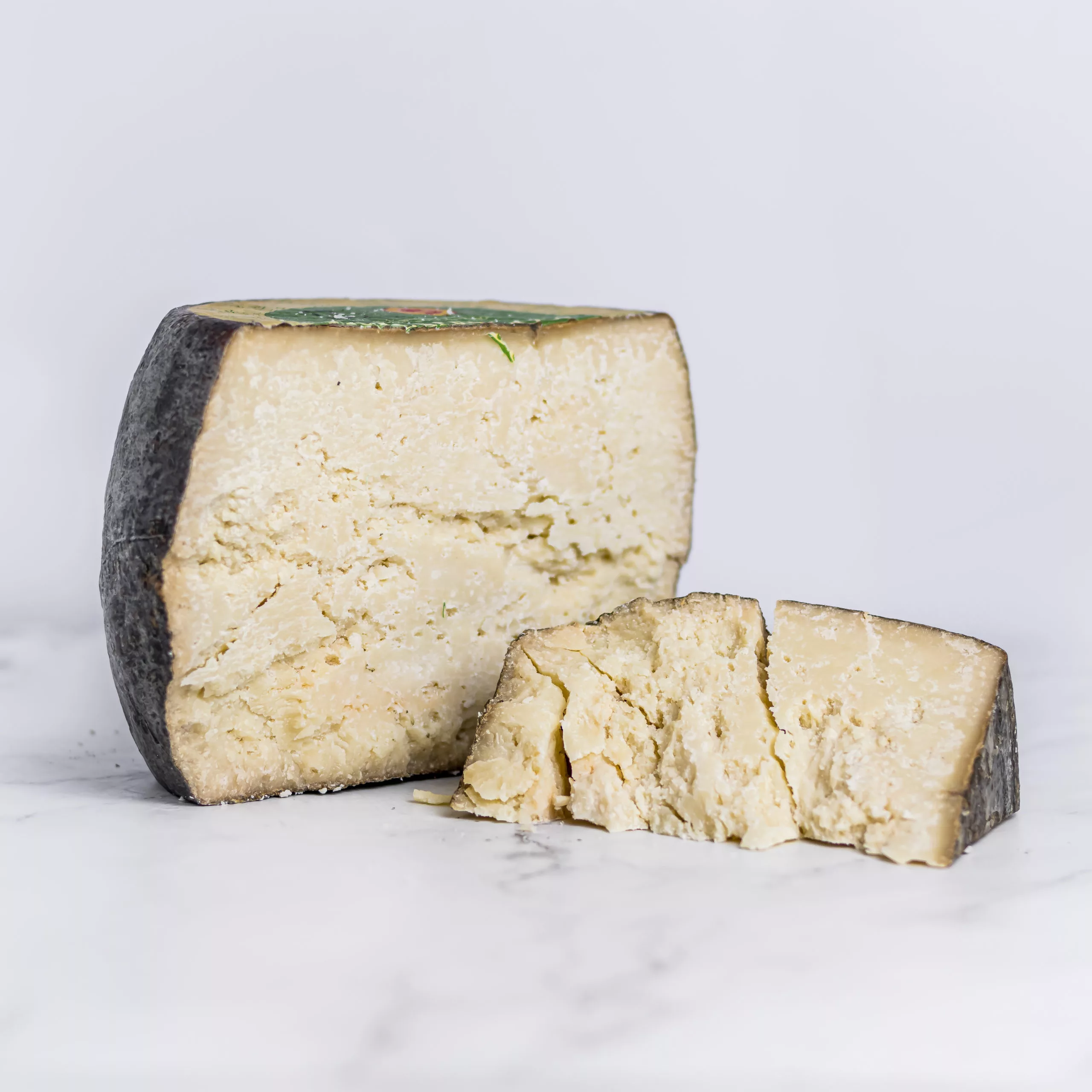 Fiore SardoSardiniaSheep · Hard · bold
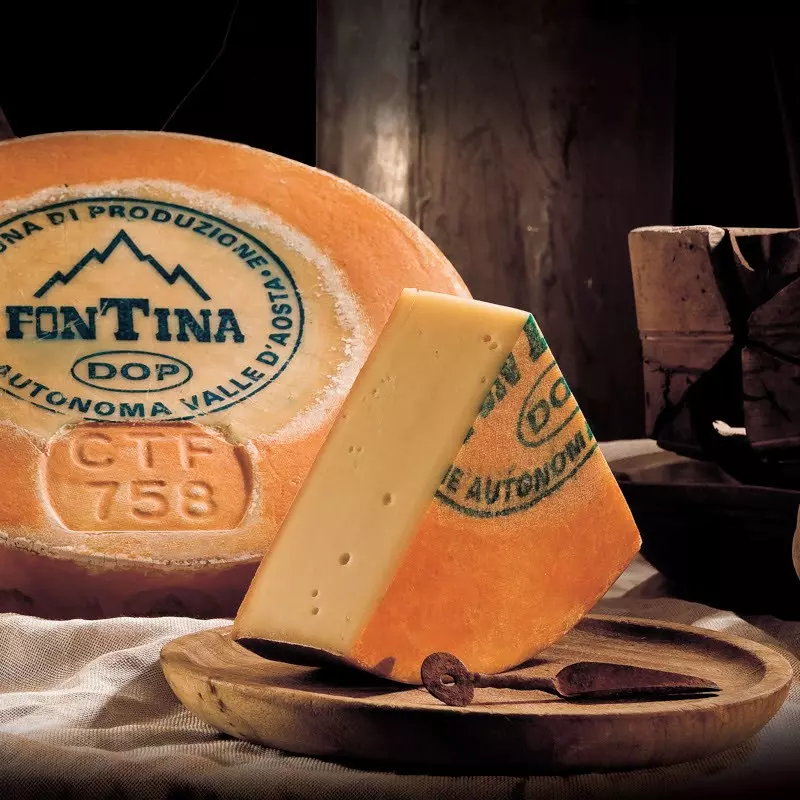 FontinaAosta ValleyCow · Semi-soft · medium
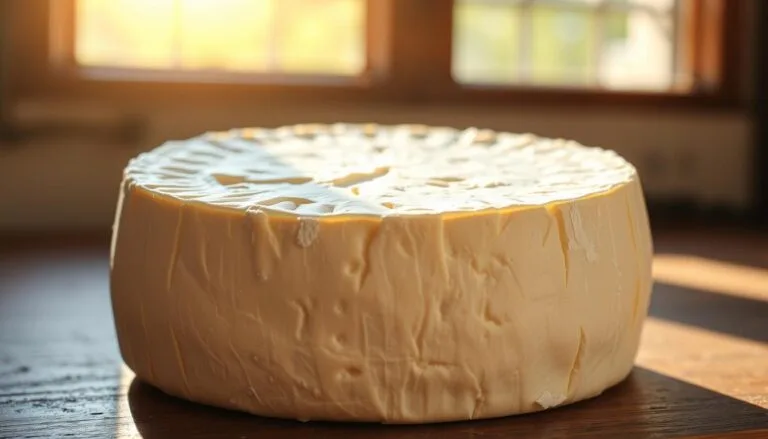 Formaggella del LuineseLombardia (Varese)Goat · Semi-hard · gentle
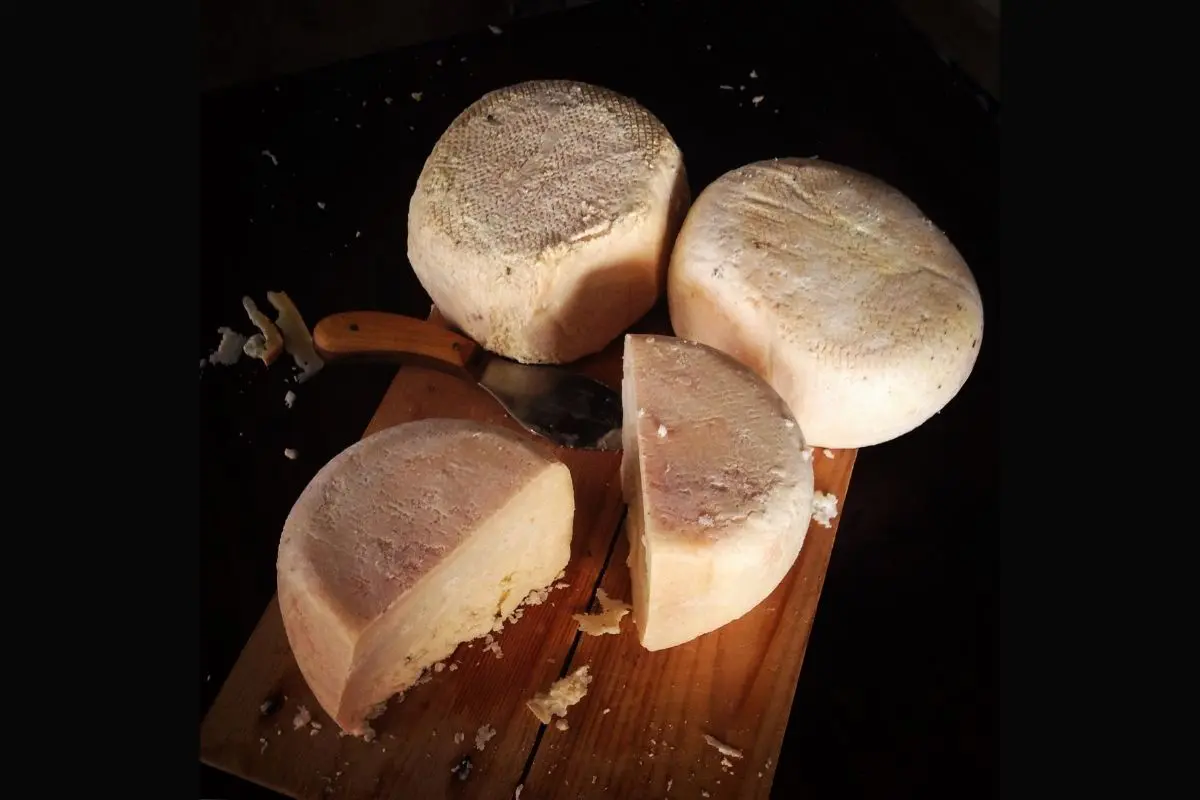 Formaggio di Fossa di SoglianoEmilia-Romagna and MarcheCow / Sheep · Hard · extreme
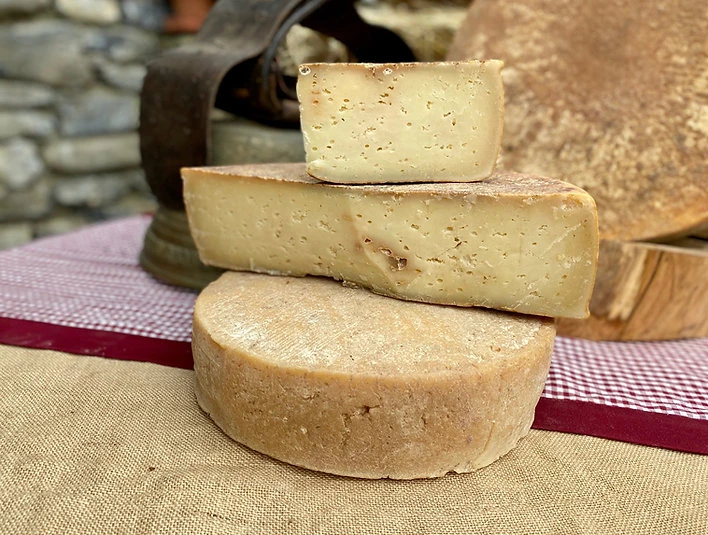 Formai de Mut dell'Alta Valle BrembanaLombardia (Alta Valle Brembana)Cow · Semi-hard · medium
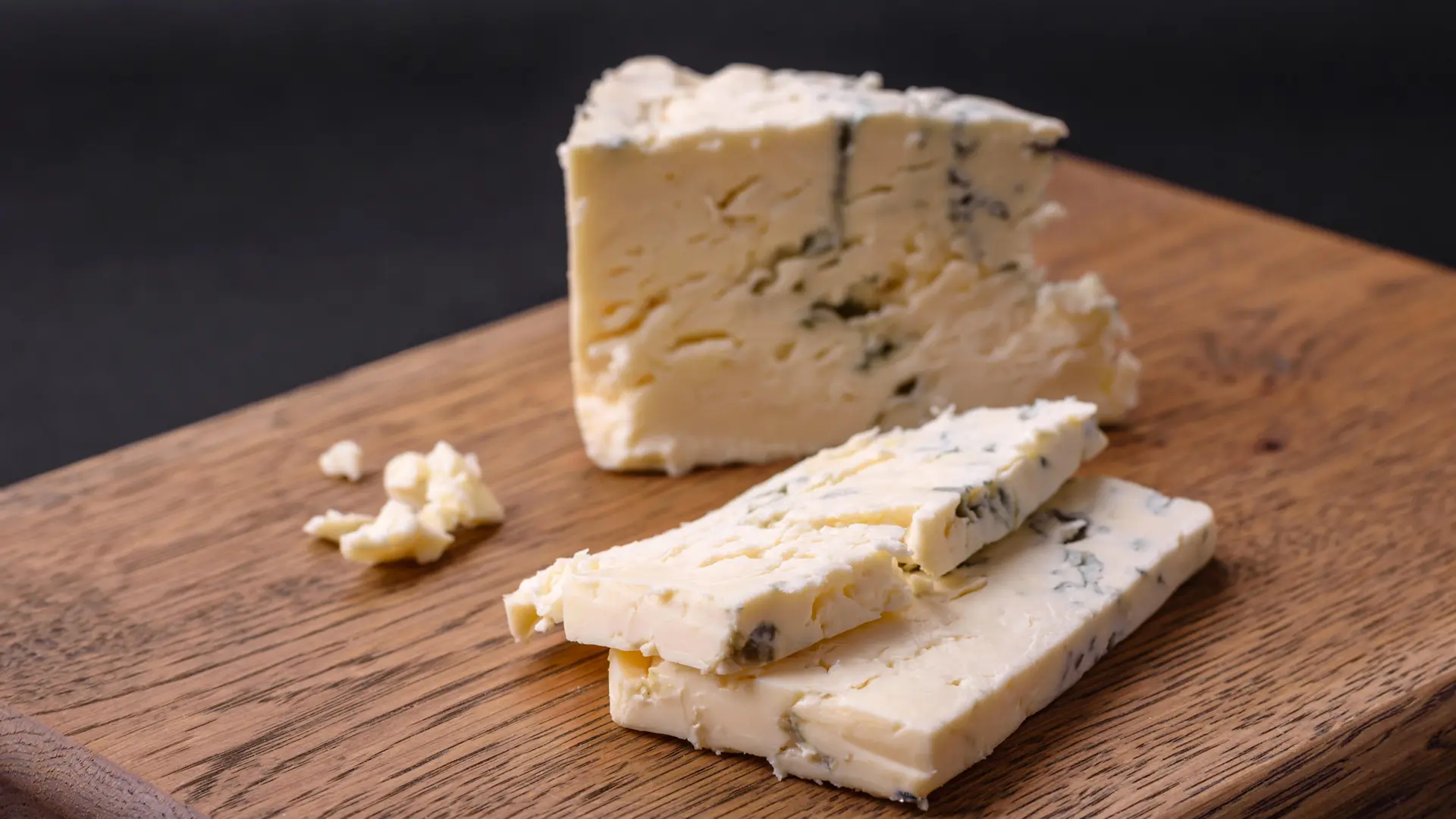 GorgonzolaLombardyCow · Semi-soft · bold
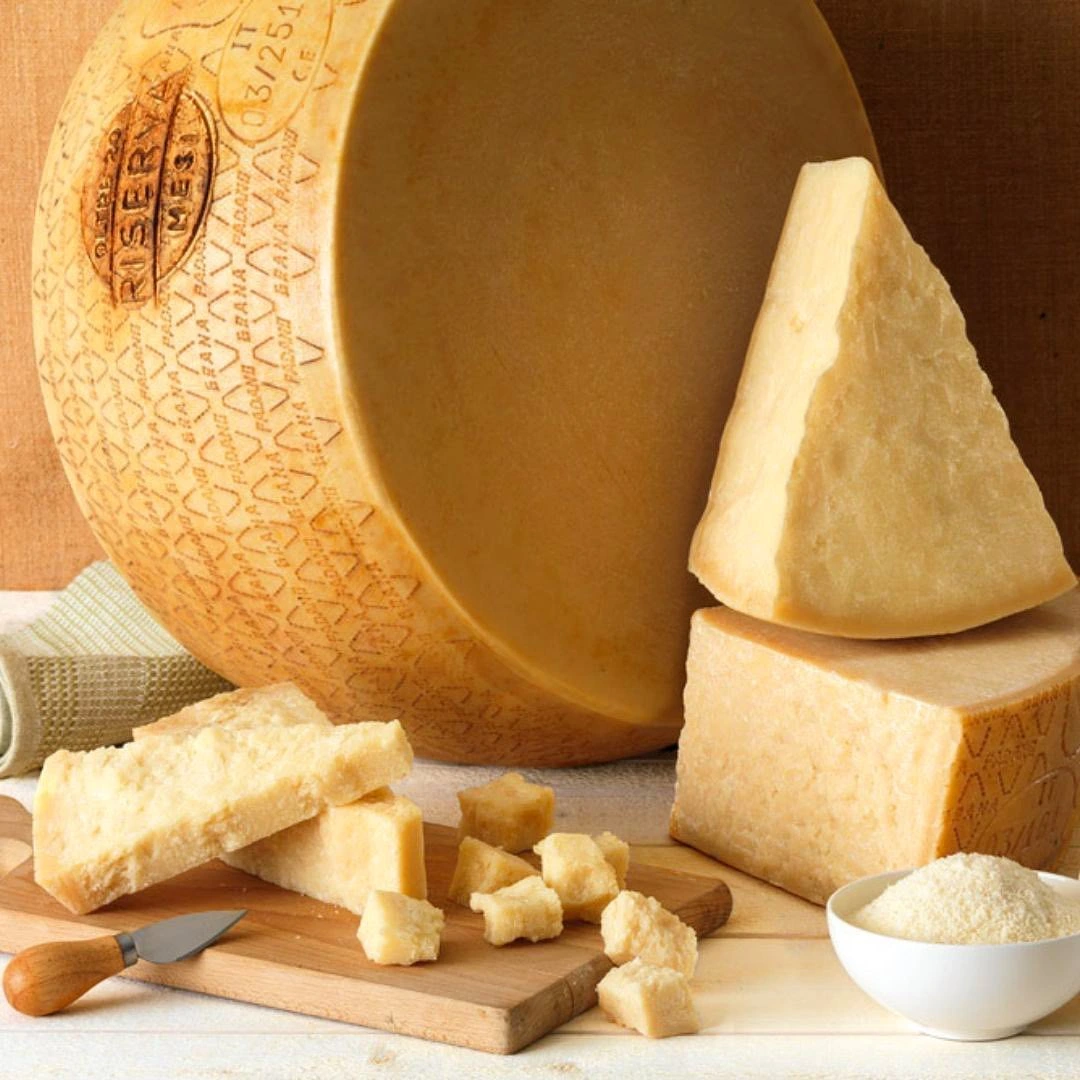 Grana PadanoPo ValleyCow · Hard · bold
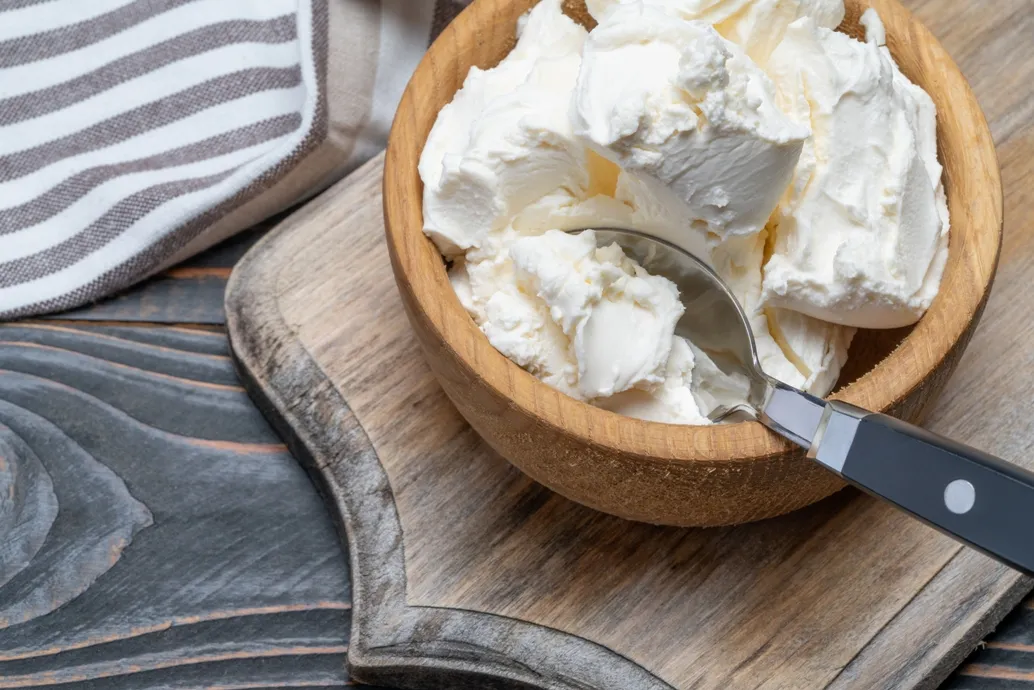 MascarponeLombardyCow · Soft · gentle
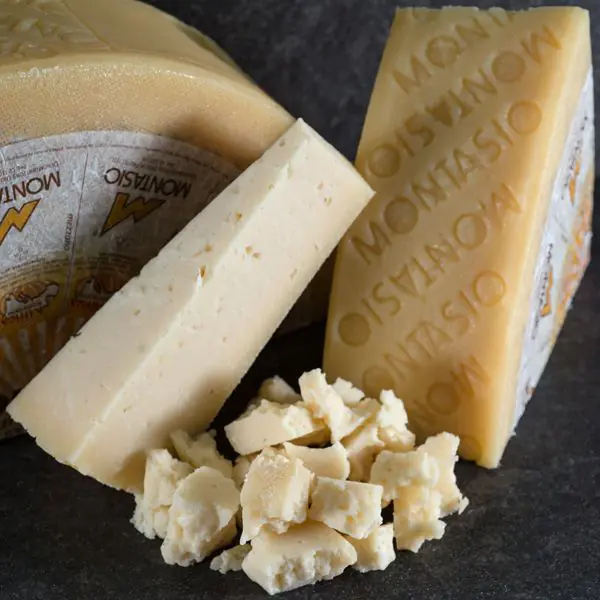 MontasioFriuli Venezia Giulia / VenetoCow · Semi-hard · medium
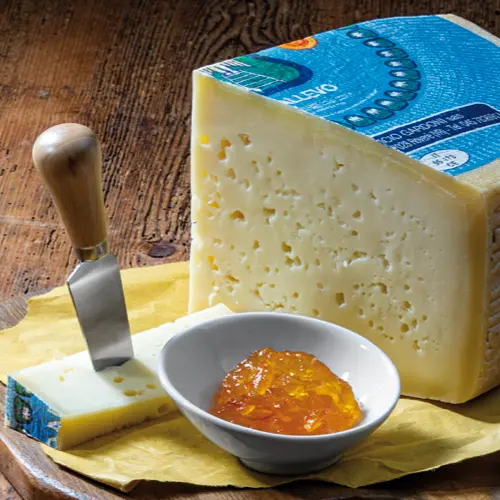 Monte VeroneseVeneto (Verona)Cow · Hard · medium
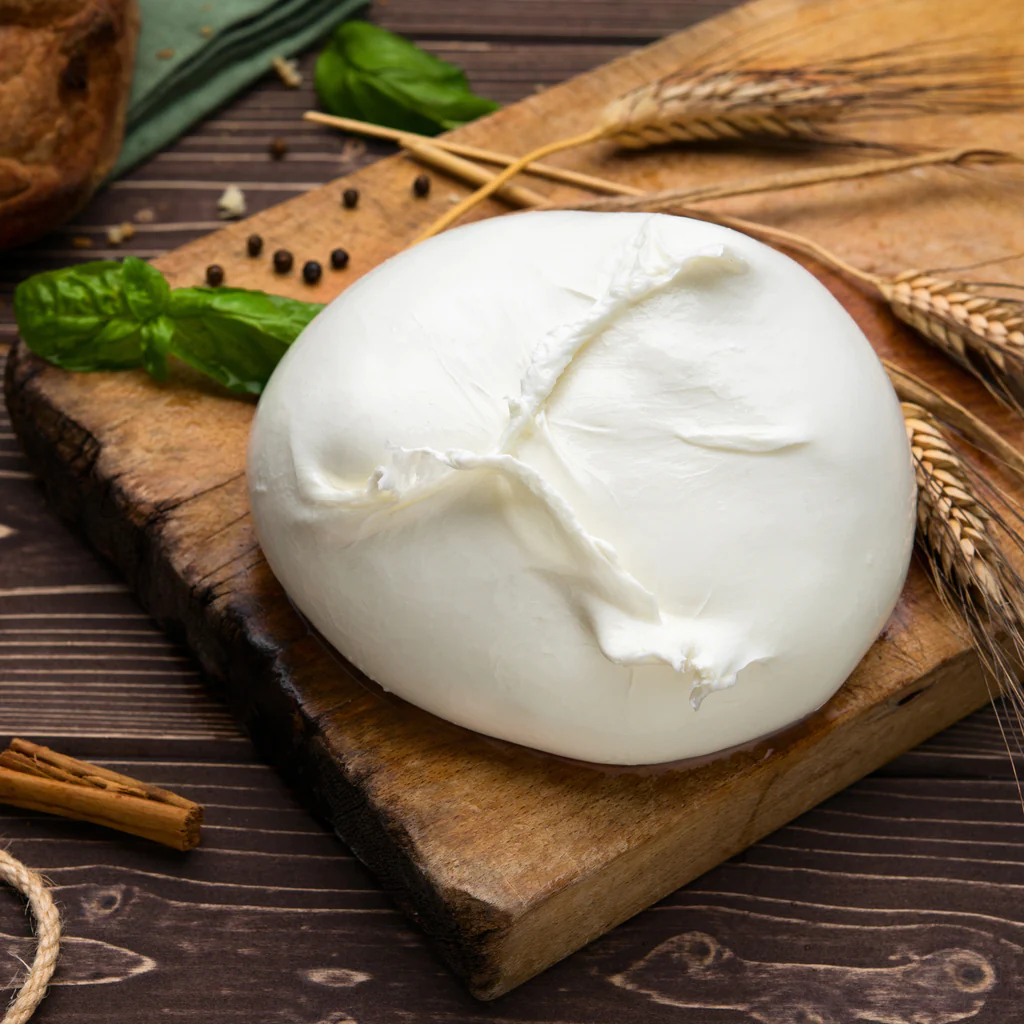 Mozzarella di BufalaCampaniaBuffalo · Fresh · gentle
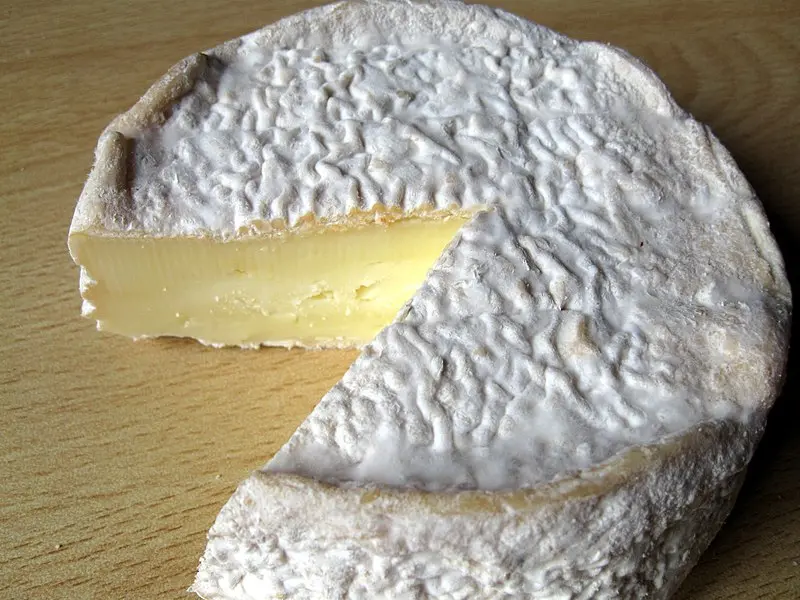 MurazzanoPiedmont (Cuneo - Alta Langa)Sheep · Soft · gentle
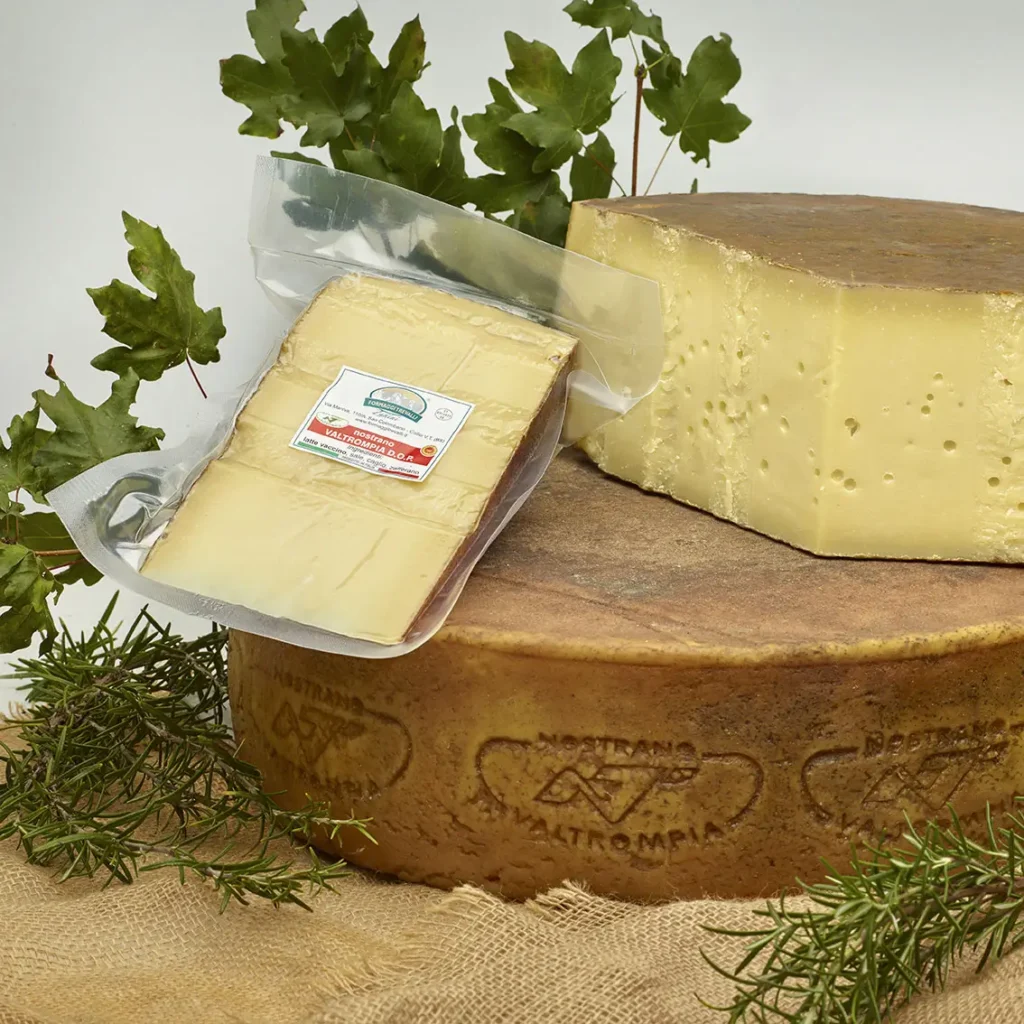 Nostrano ValtrompiaLombardia (Brescia - Trompia Valley)Cow · Hard · bold
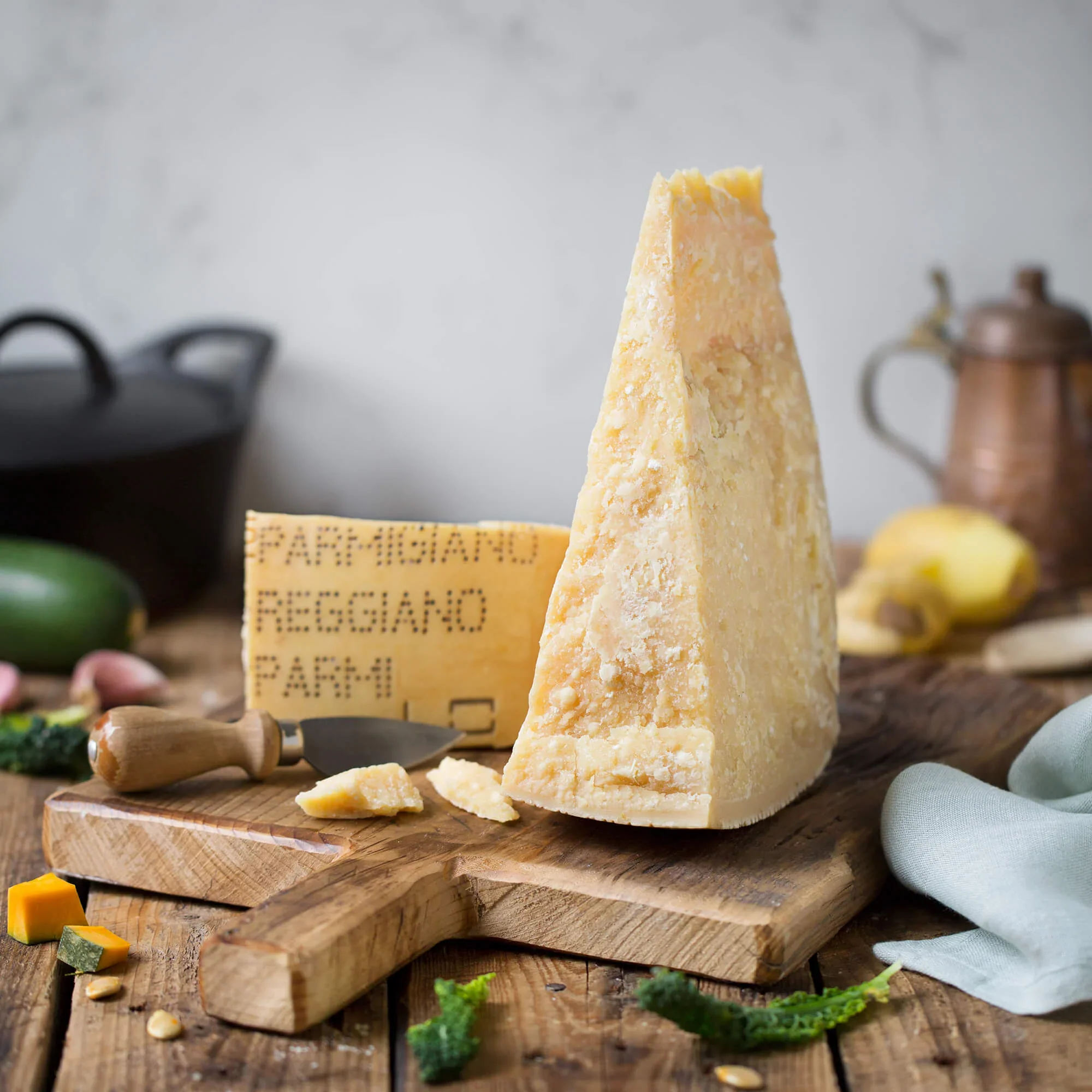 Parmigiano ReggianoEmilia-RomagnaCow · Hard · bold
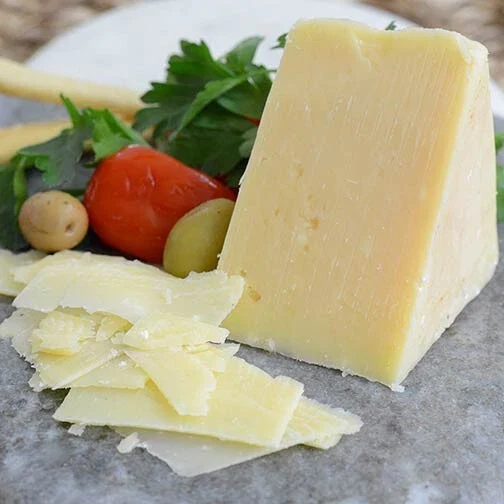 Pecorino RomanoLazioSheep · Hard · bold
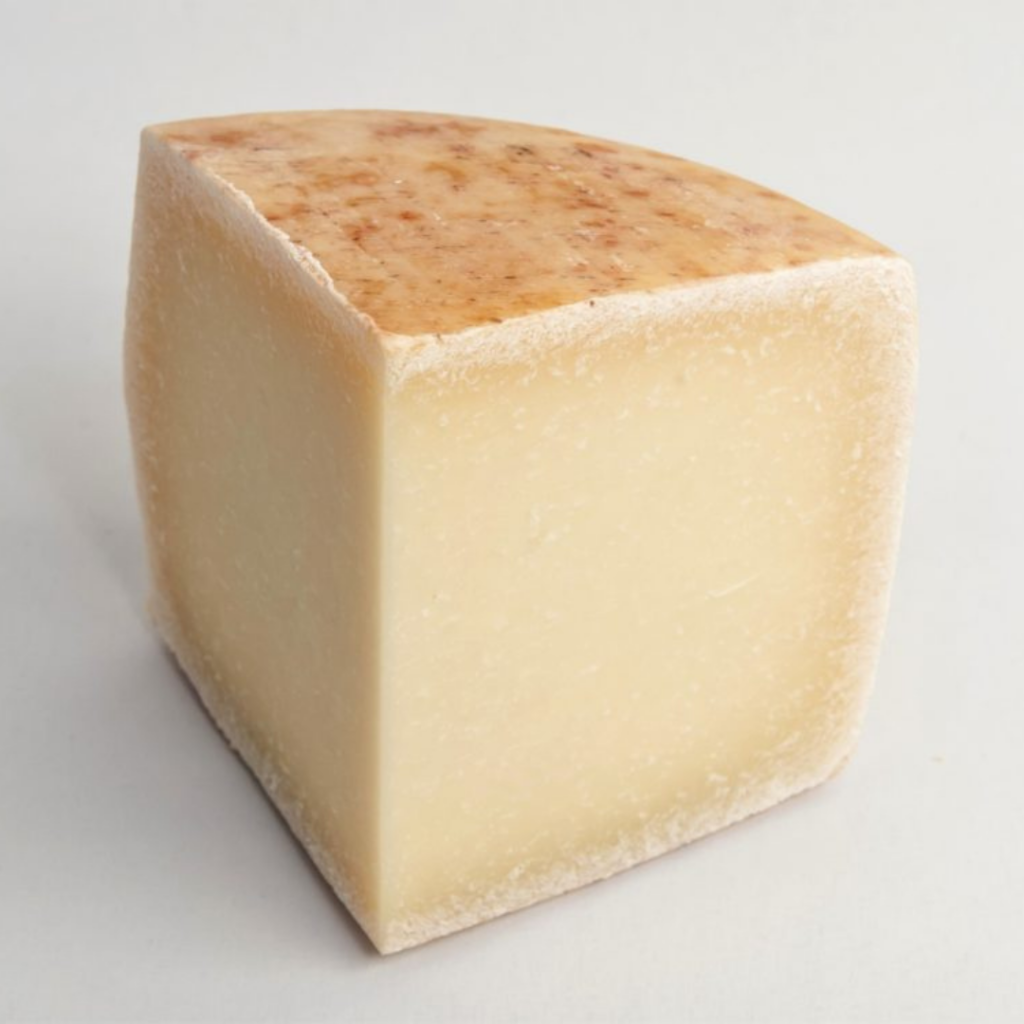 Pecorino SardoSardiniaSheep · Semi-hard · bold
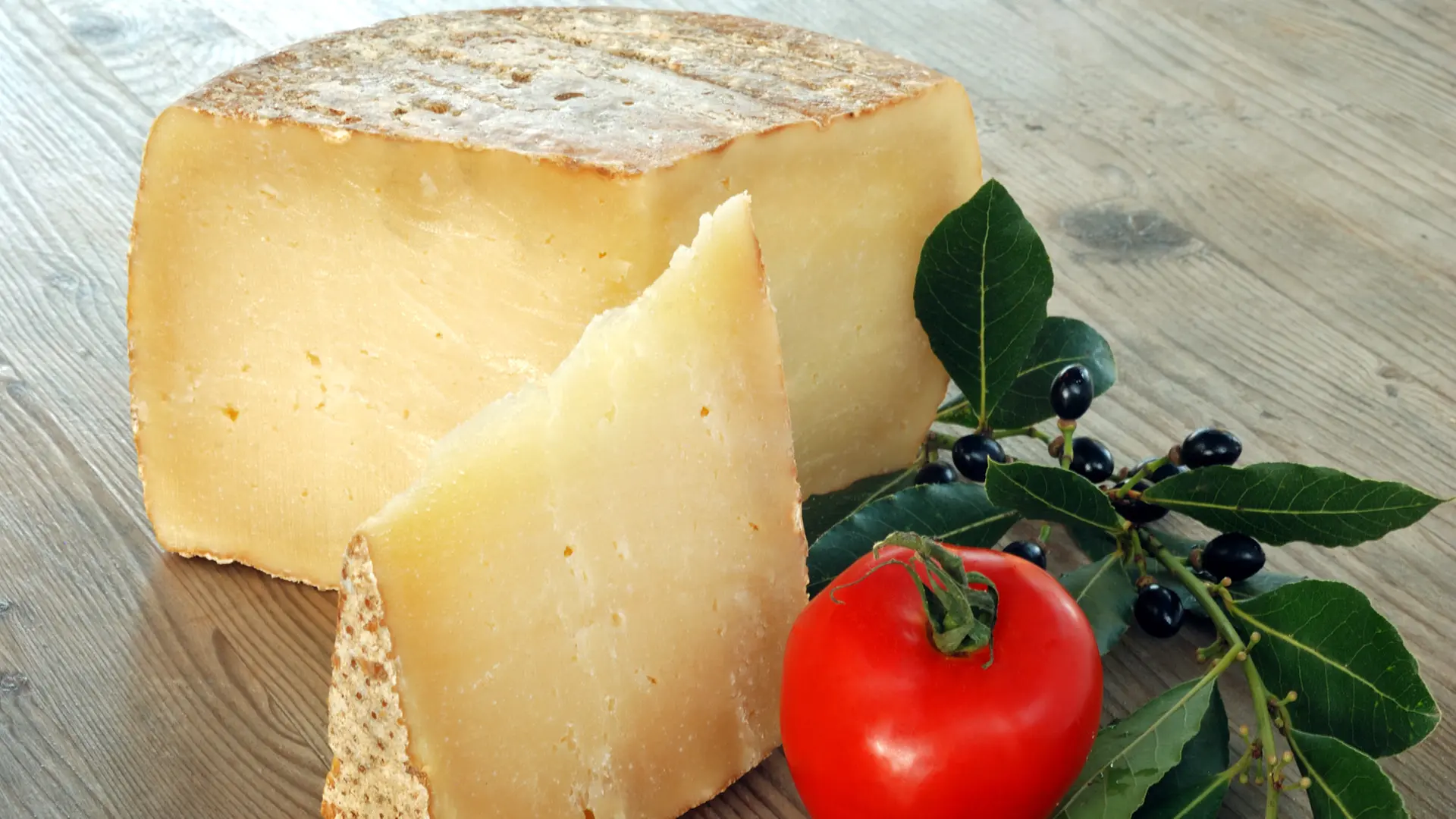 Pecorino SicilianoSicilySheep · Hard · bold
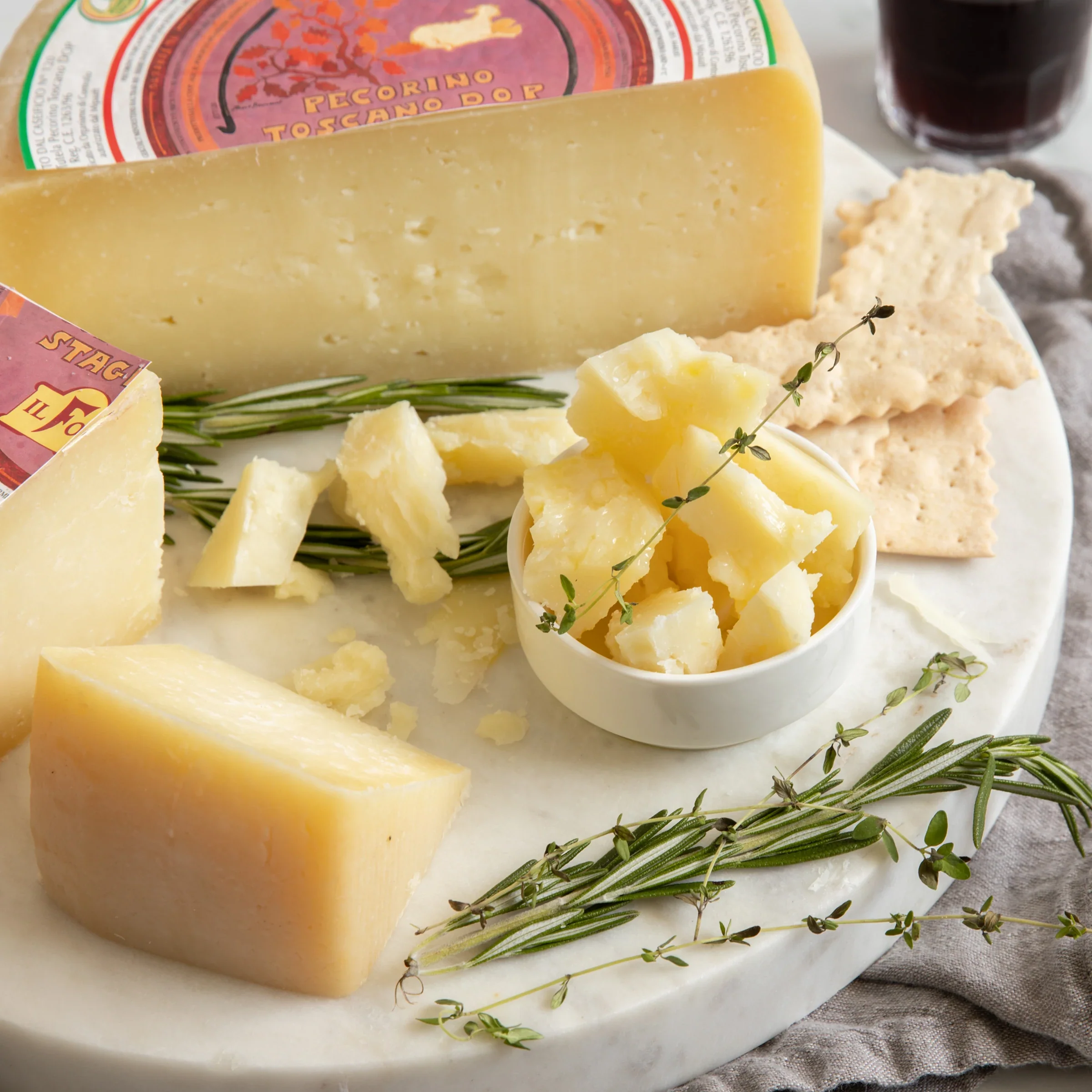 Pecorino ToscanoTuscanySheep · Semi-hard · medium
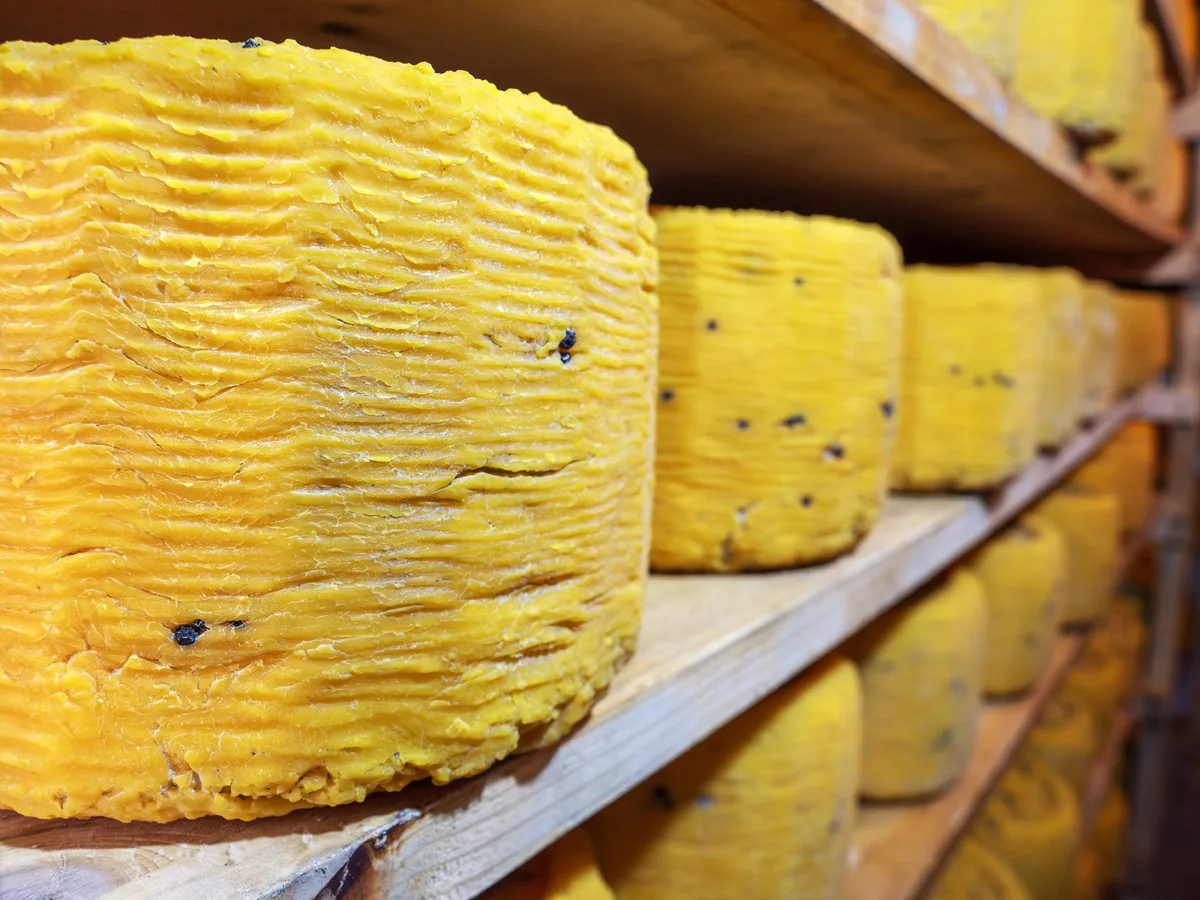 Piacentinu EnneseSicily (Enna)Sheep · Hard · bold
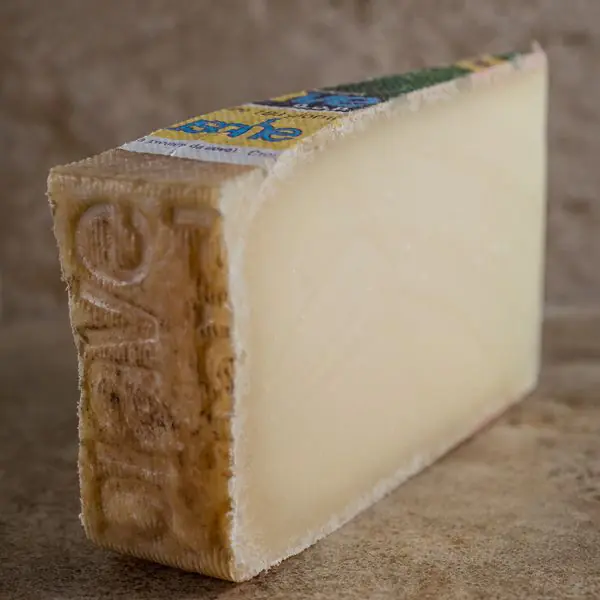 PiaveVeneto (Belluno)Cow · Hard · bold
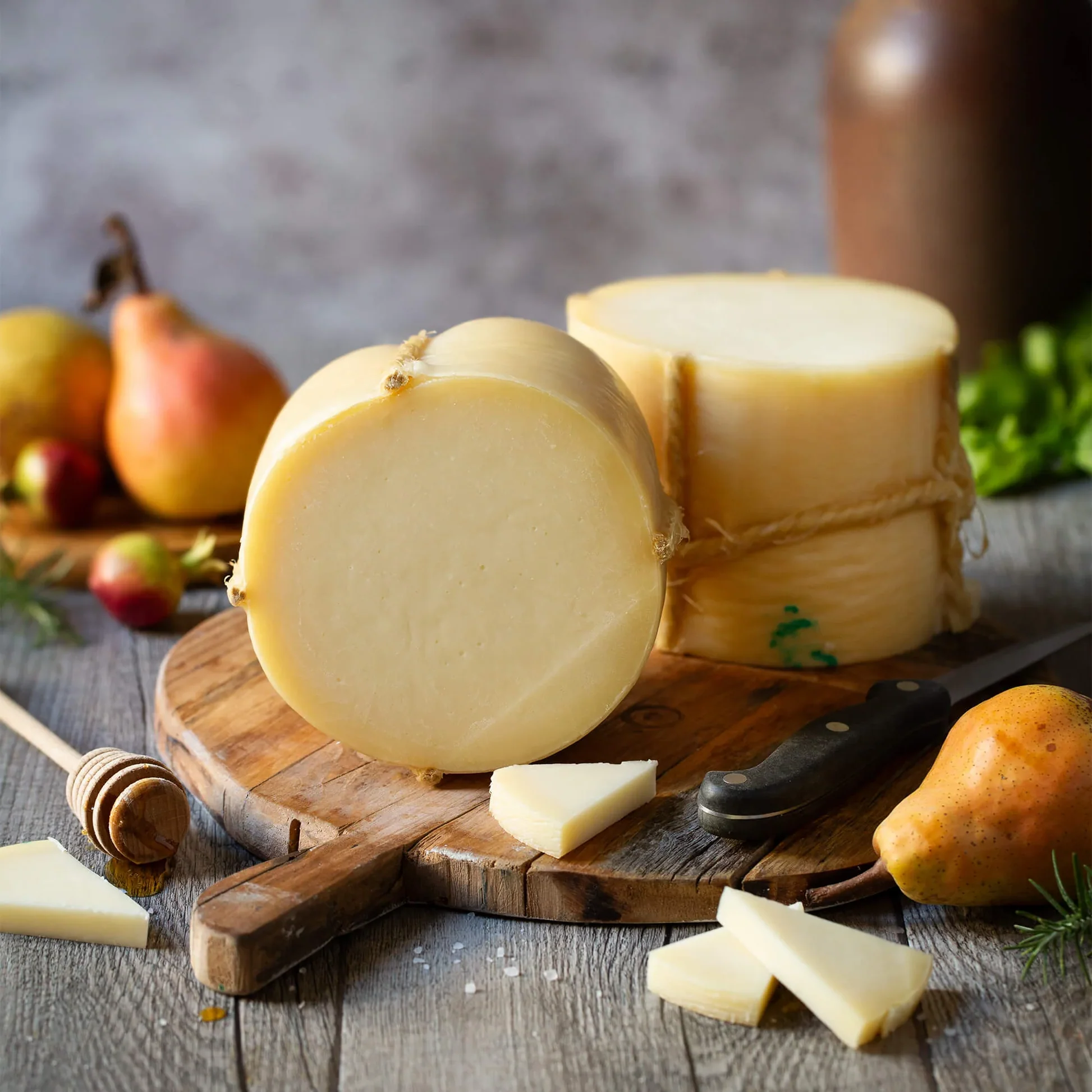 ProvoloneLombardyCow · Semi-hard · bold
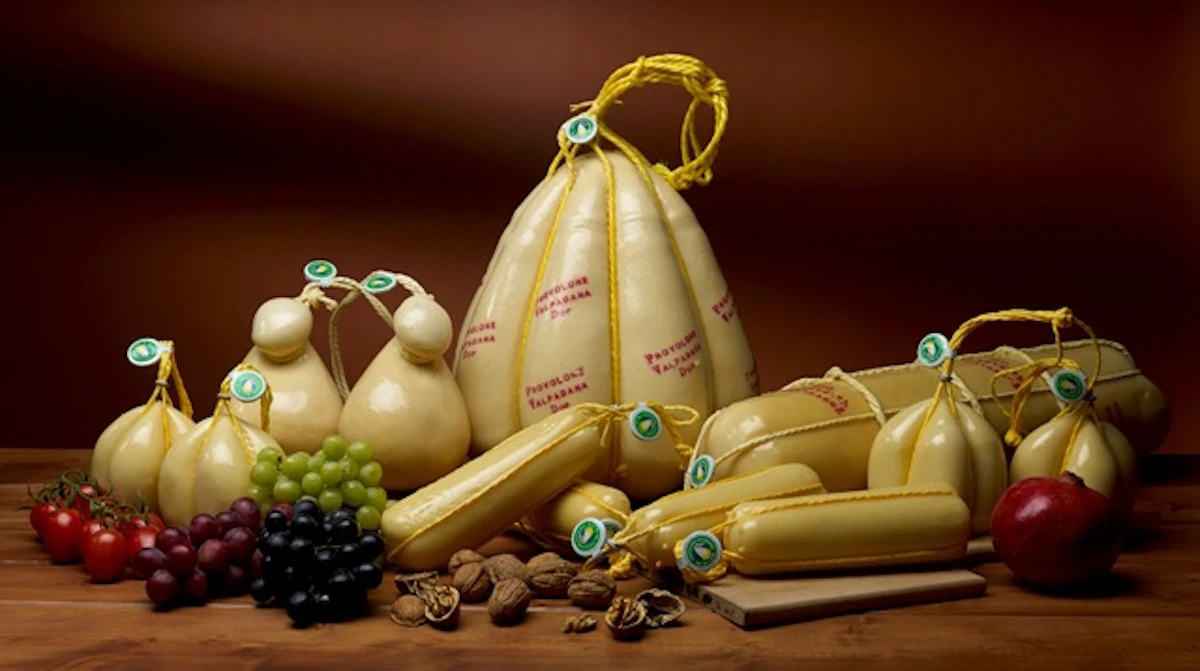 Provolone ValpadanaPo Valley (Lombardy, Veneto, Emilia-Romagna, Trentino)Cow · Semi-hard · bold
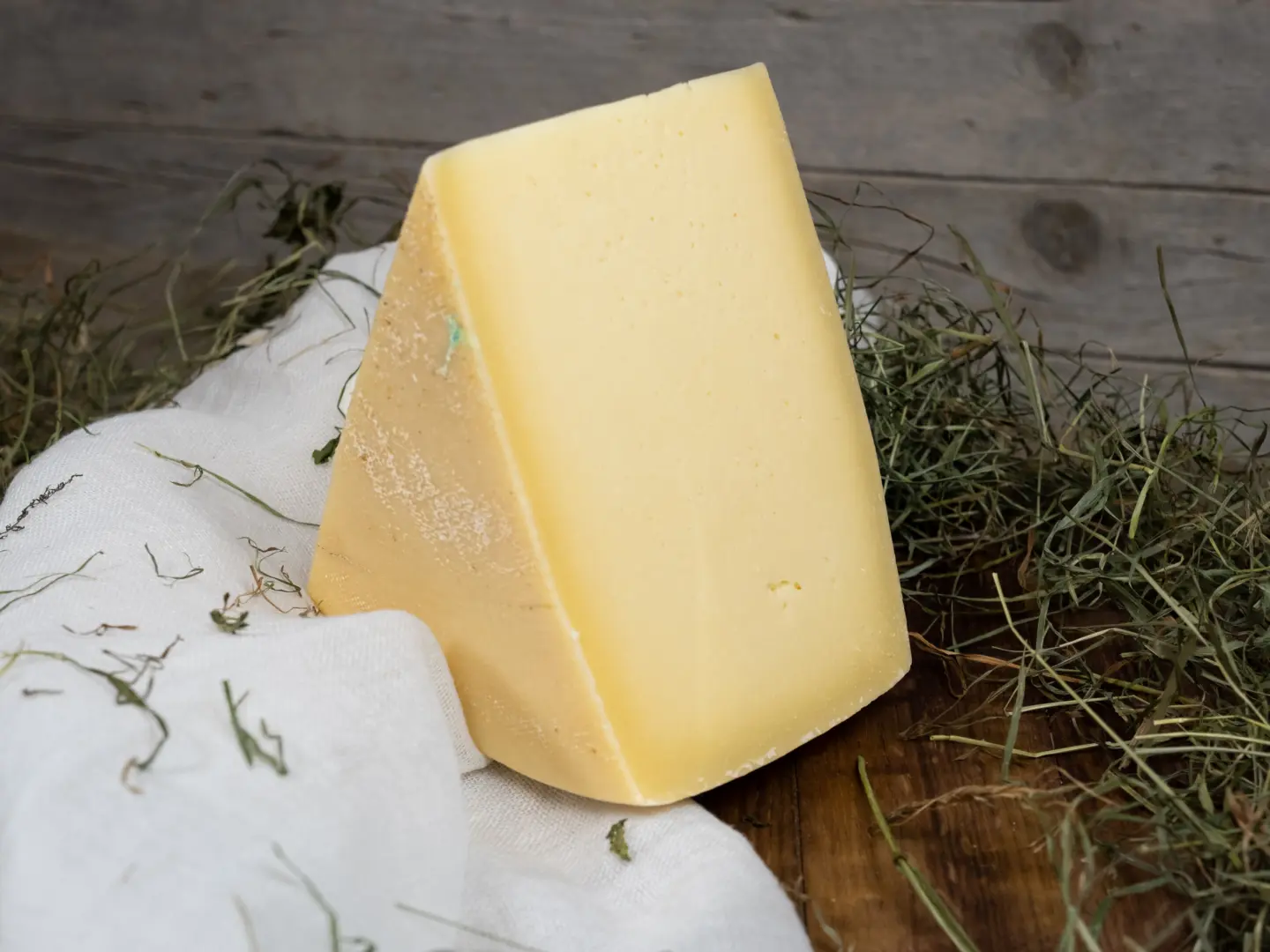 Puzzone di Moena (Spretz Tzaorì)Trentino-Alto Adige (Val di Fassa and Val di Fiemme)Cow · Semi-hard · bold
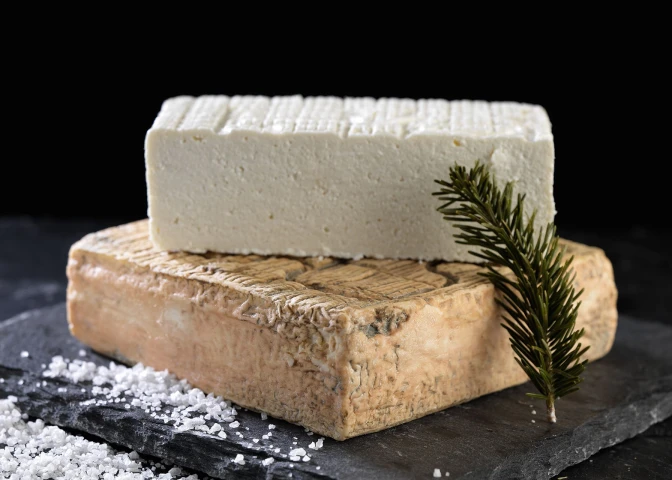 Quartirolo LombardoLombardia (Bergamo, Brescia, Como, Cremona, Lecco, Lodi, Milano, Monza, Pavia, Varese)Cow · Soft · gentle
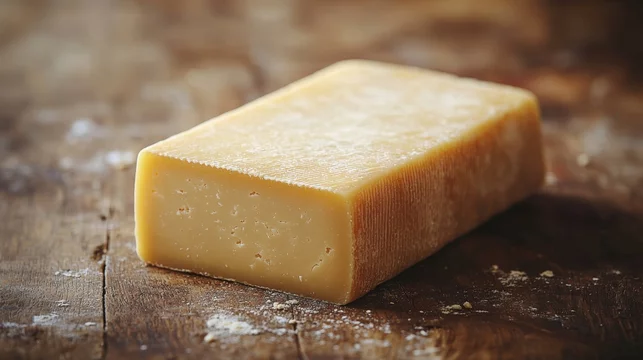 RagusanoSicily (Ragusa and Siracusa)Cow · Hard · bold
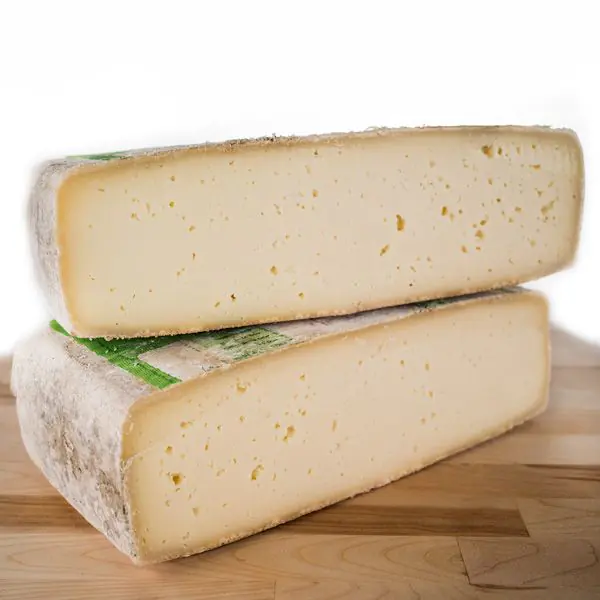 RascheraPiedmont (Cuneo)Cow · Semi-hard · medium
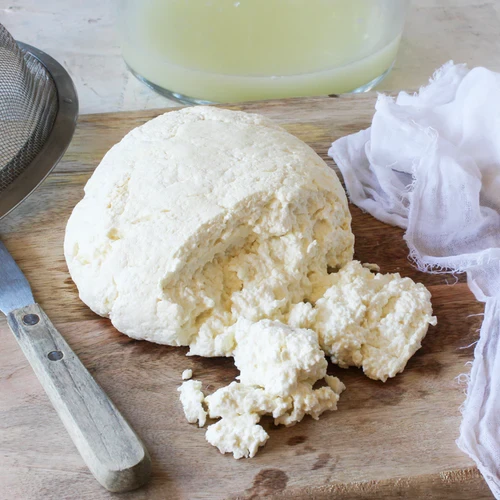 RicottaVariousCow · Fresh · gentle
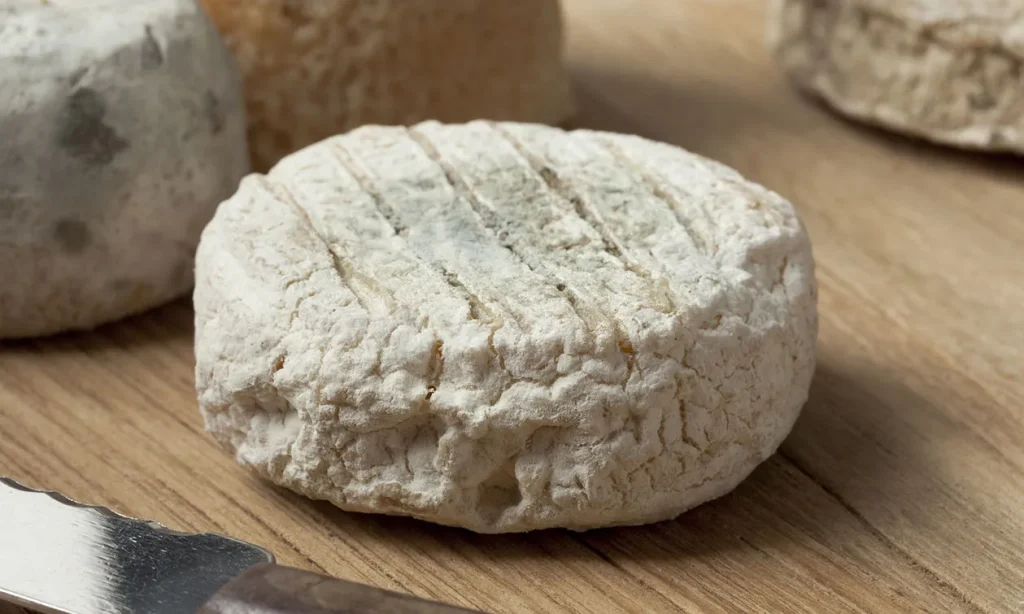 Robiola di RoccaveranoPiedmont (Asti and Alessandria)Cow / Sheep / Goat · Soft · gentle
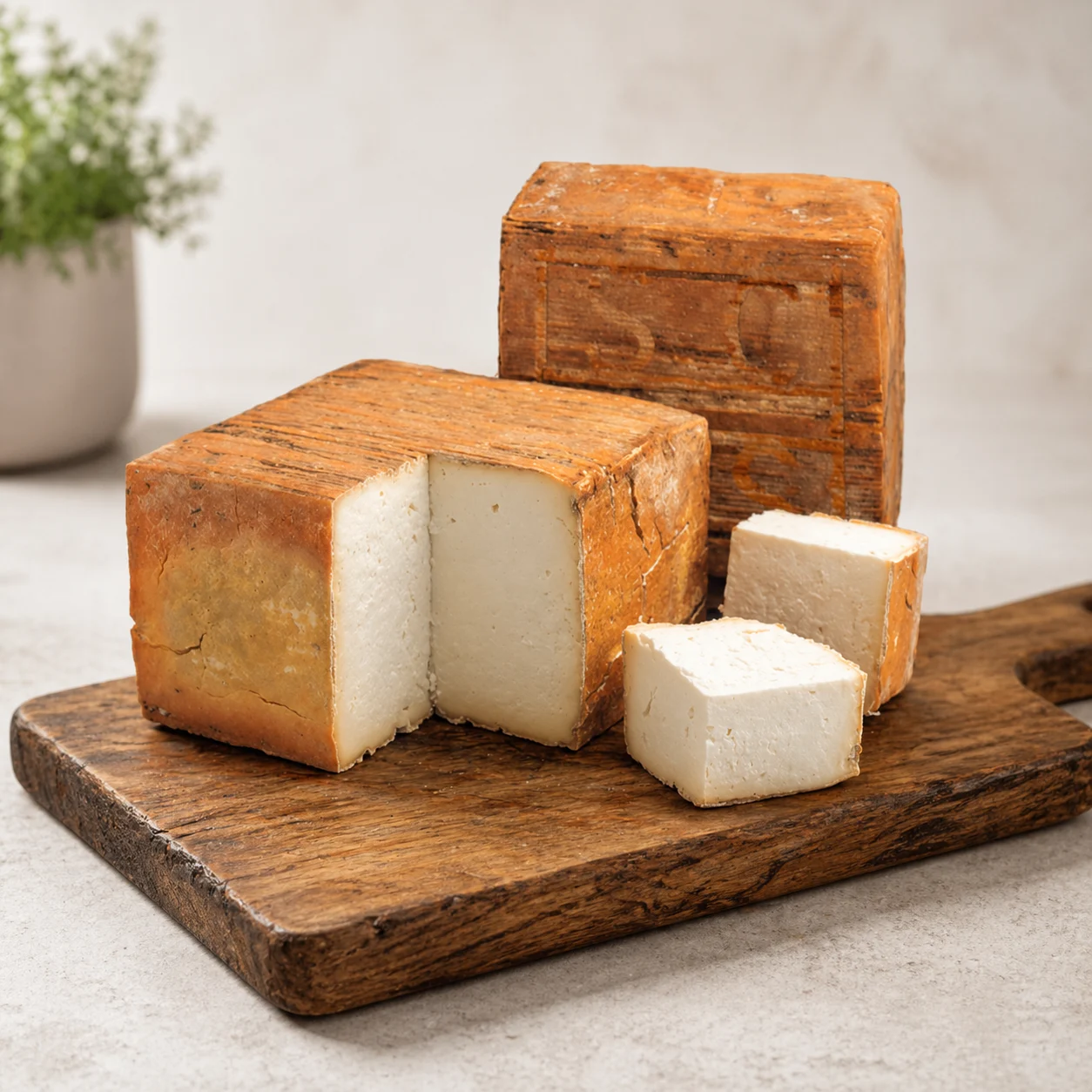 Salva CremascoLombardia (Cremona, Bergamo, Brescia, Milano, Lodi)Cow · Semi-soft · medium
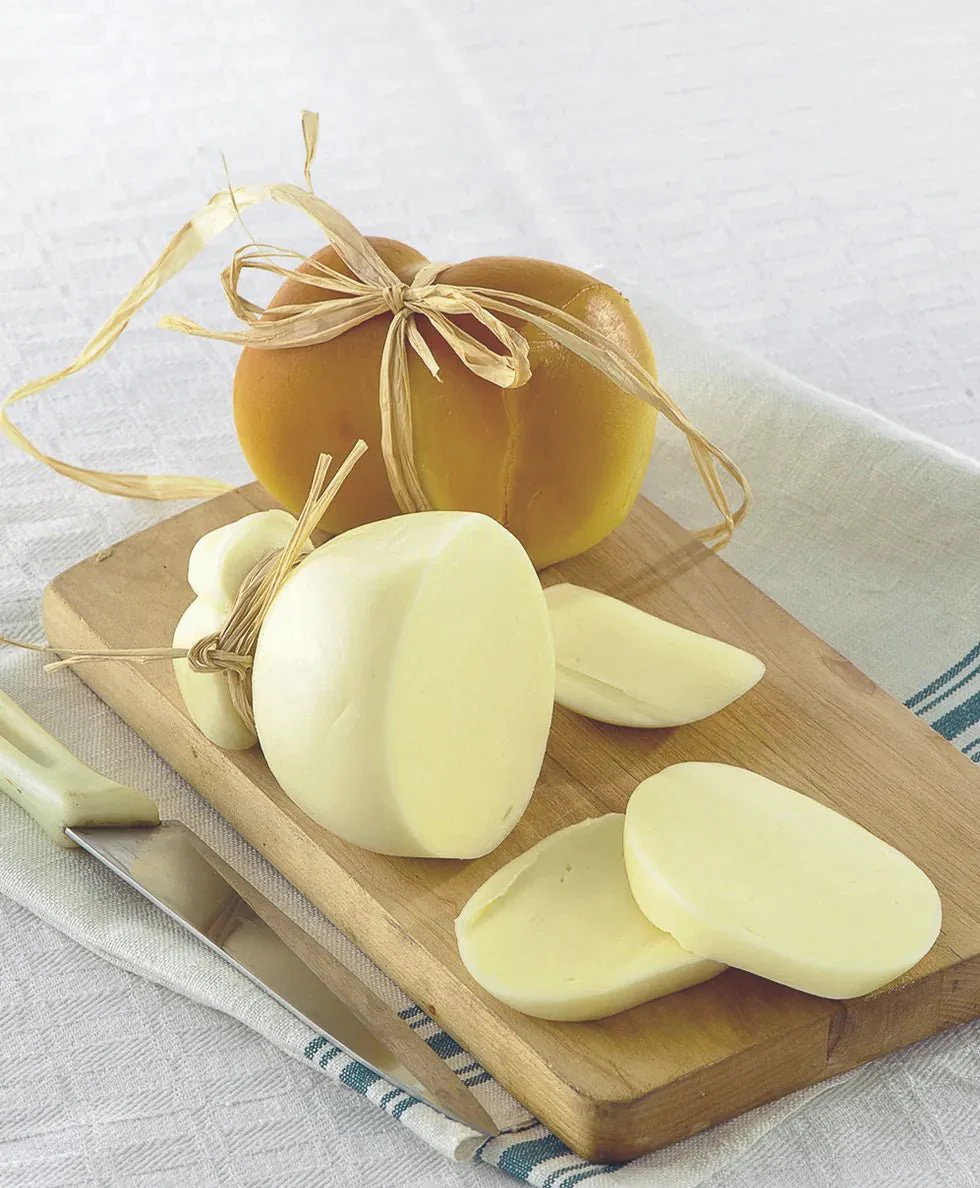 Scamorza AffumicataSouthern Italy (Apulia, Molise)Cow · Semi-hard · medium
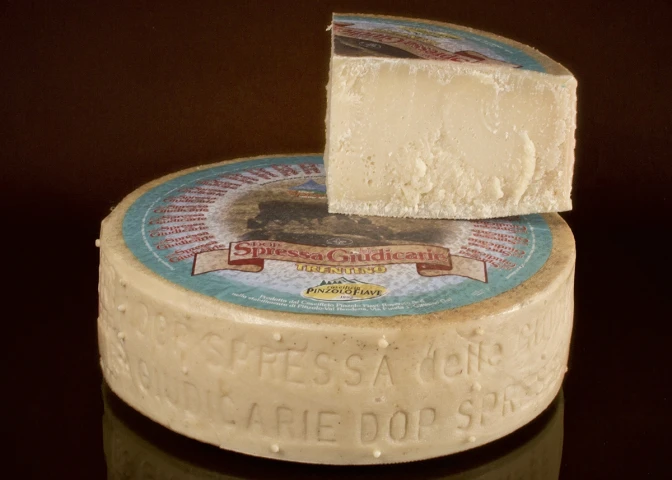 Spressa delle GiudicarieTrentino (Valli Giudicarie)Cow · Semi-hard · medium
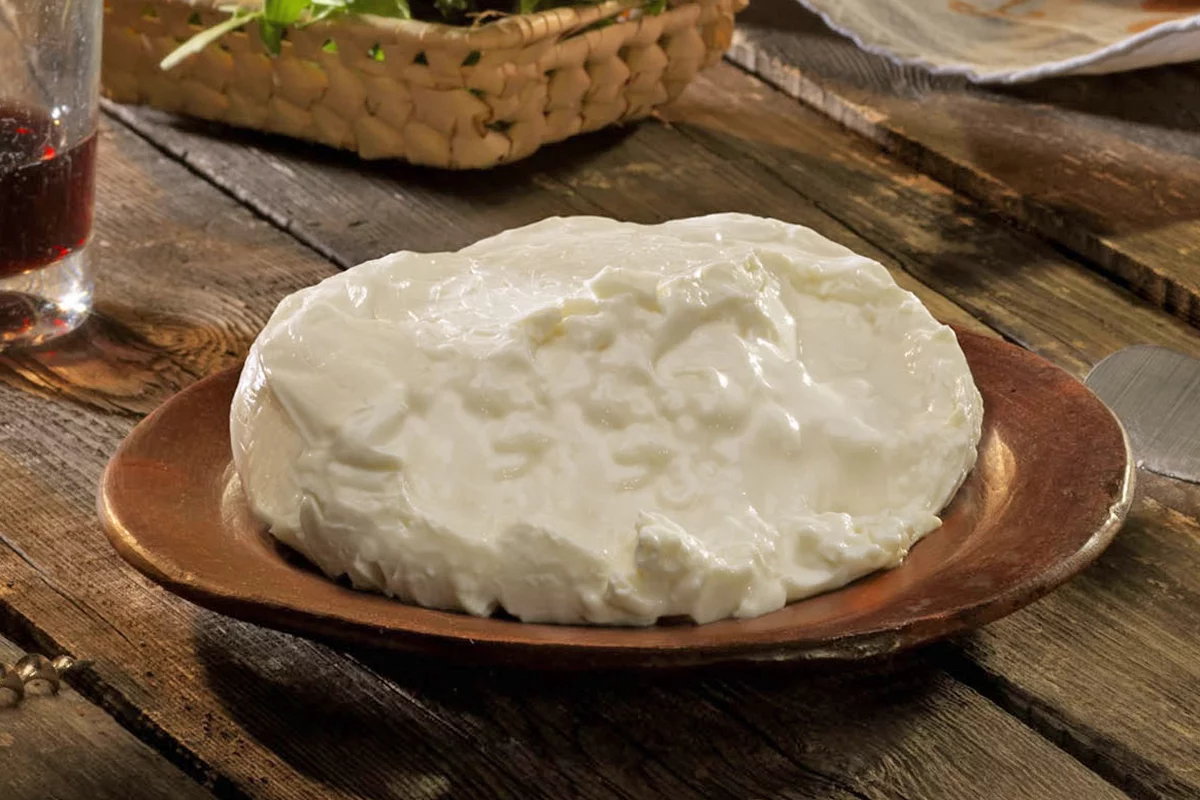 Squacquerone di RomagnaEmilia-RomagnaCow · Fresh · gentle
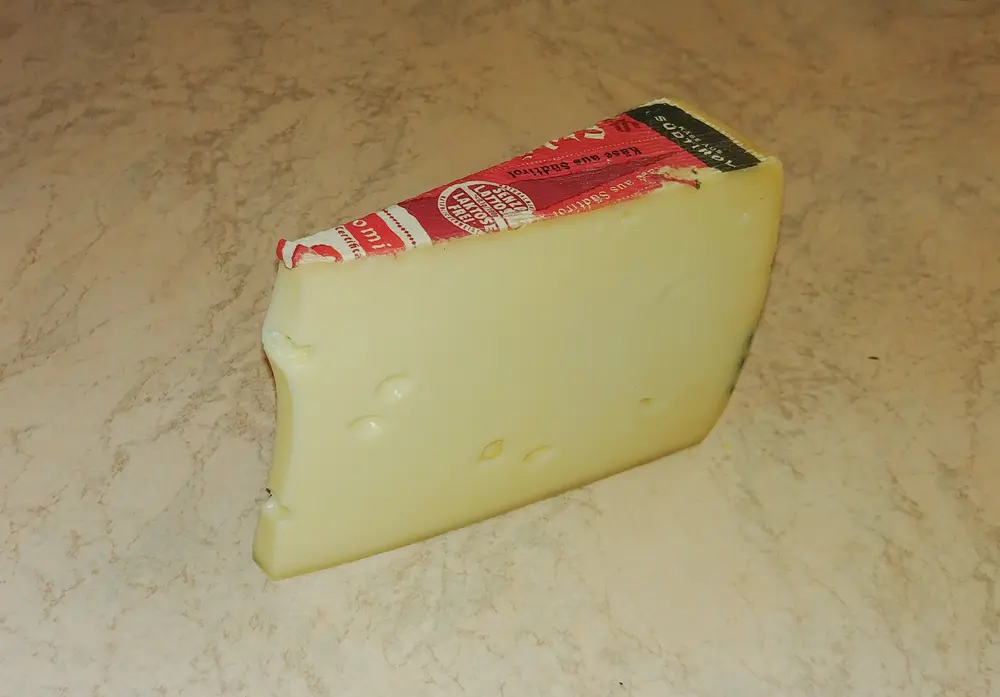 Stelvio / StilfserSouth Tyrol / Südtirol (Bolzano)Cow · Semi-hard · medium
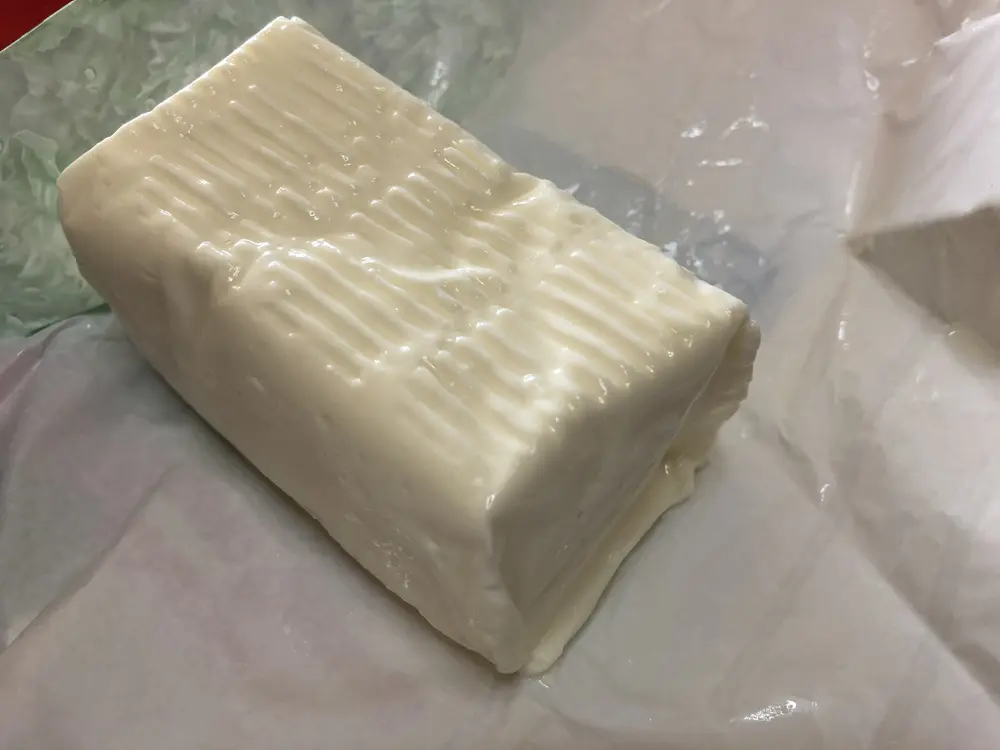 Stracchino (Crescenza)LombardyCow · Soft · gentle
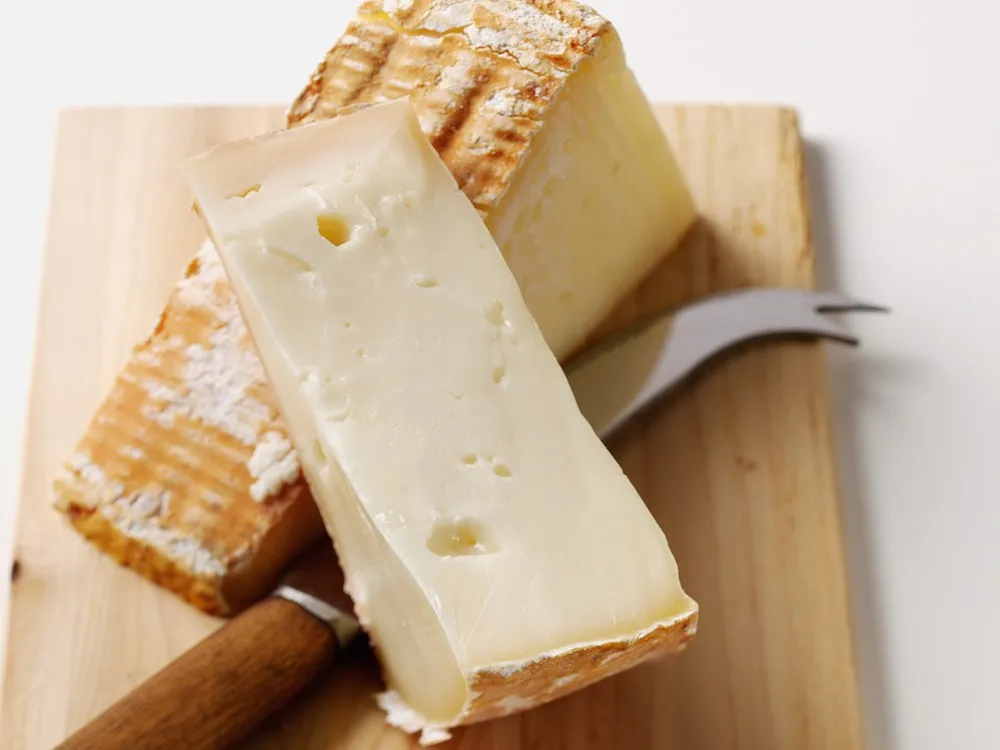 TaleggioLombardyCow · Semi-soft · bold
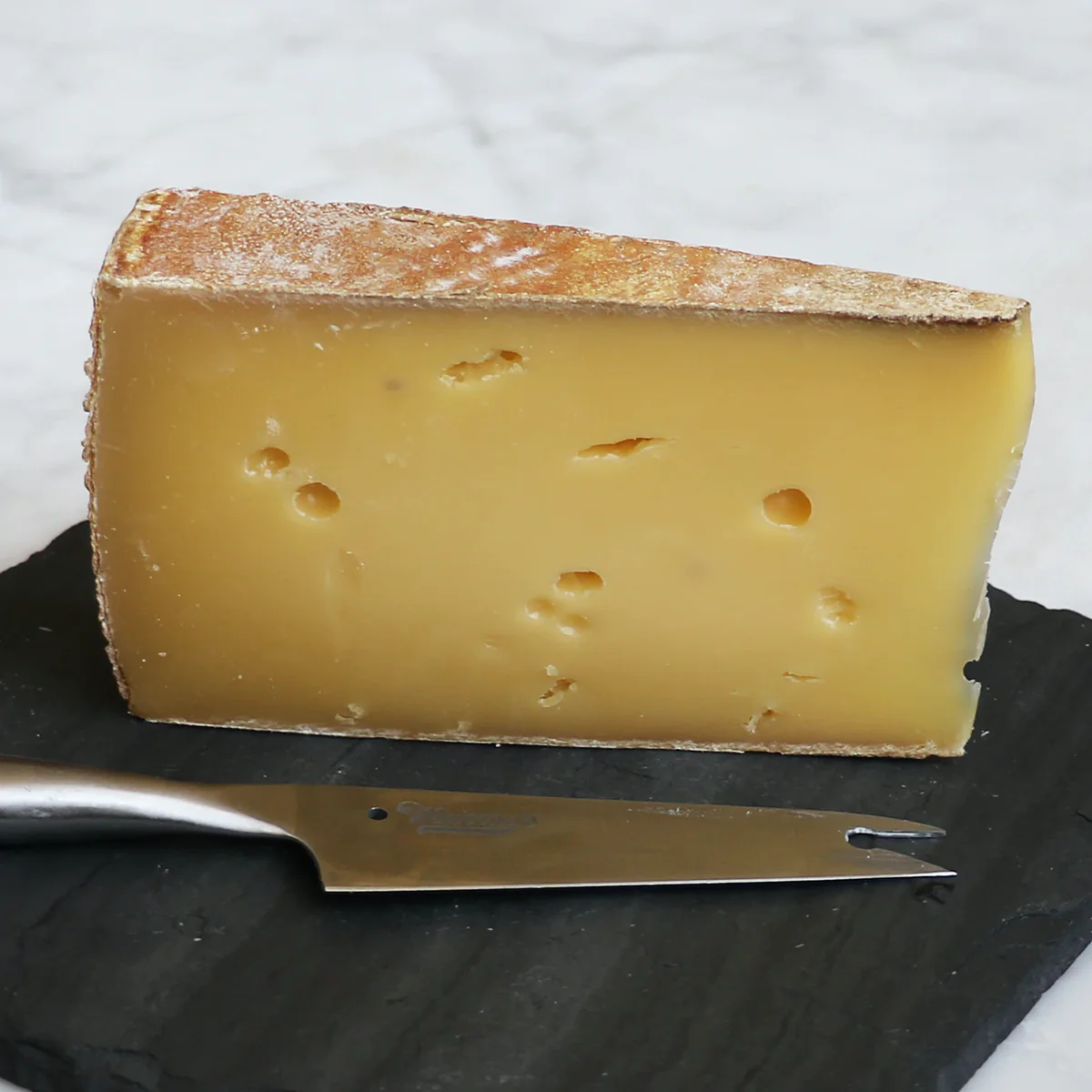 Toma PiemontesePiedmontCow · Semi-hard · medium
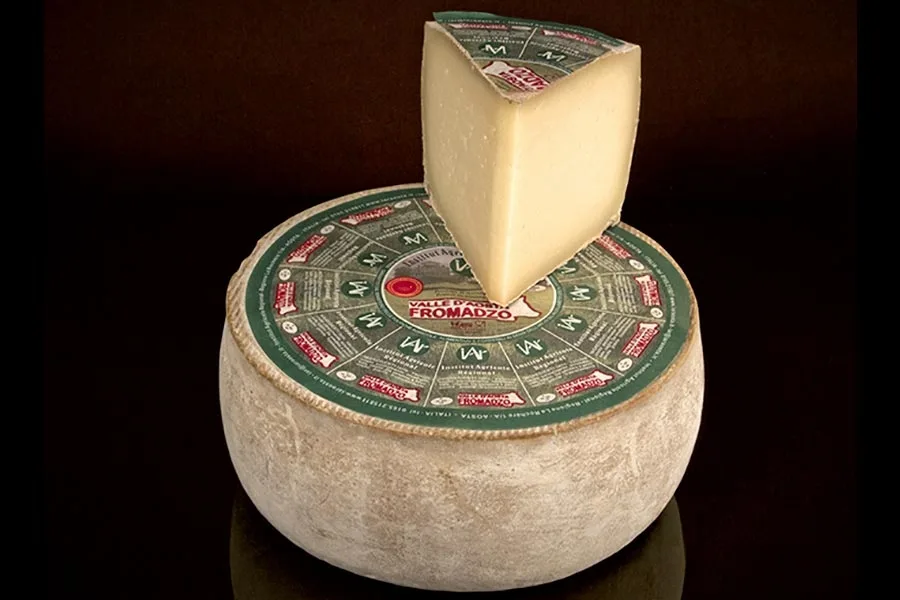 Valle d'Aosta FromadzoValle d'AostaCow · Semi-hard · medium
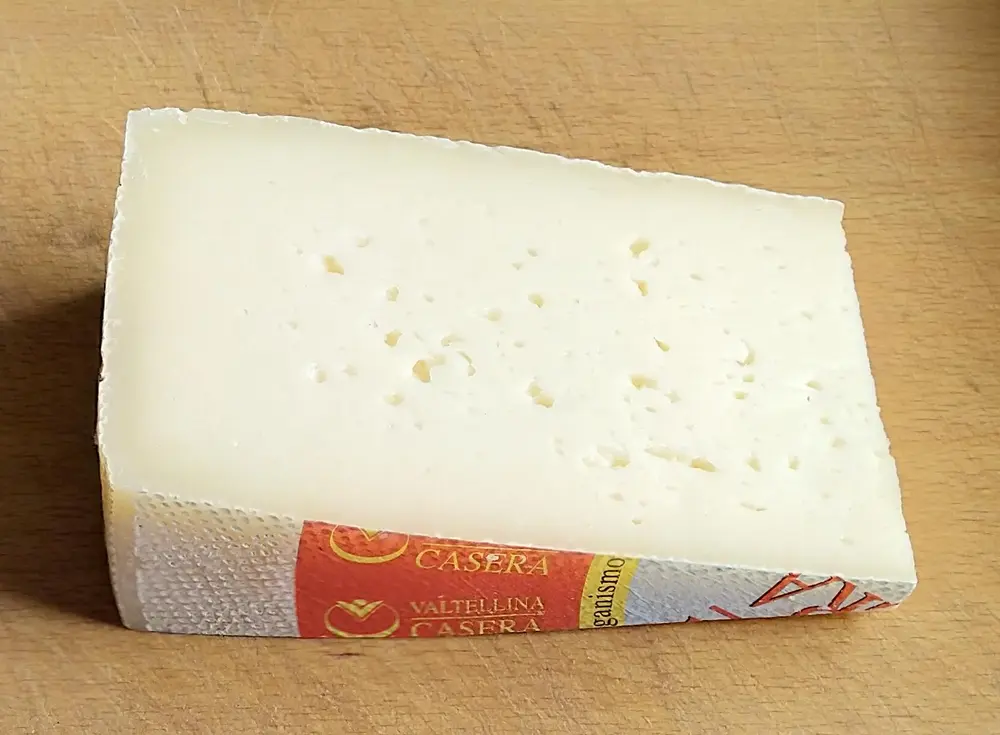 Valtellina CaseraLombardia (Sondrio)Cow · Semi-hard · medium
 Vastedda della Valle del BelìceSicily (Agrigento, Trapani, Palermo)Sheep · Fresh · gentle
How to build a cheese tasting route in Italy
1. Piedmont and the Alpine valleys
Fontina, Castelmagno, Bra, Raschera, Toma Piemontese and Robiola show mountain milk and a wide range of textures within one broad region. Build a tasting that moves from a fresh or soft Robiola to a firm Castelmagno.
2. Lombardy and the Po Valley
Italy's official tourism guide treats Lombardy as a gastronomic route of its own, with Grana Padano, Gorgonzola, Taleggio, Provolone Valpadana and mountain cheeses. The cluster is strong for comparing blue, washed-rind, hard and stretched-curd styles.
3. Emilia-Romagna and central Italy
Comparing different ages of Parmigiano Reggiano is instructive on its own. Extend the route with Tuscany's pecorino styles and the Casciotta or fossa cheeses of Marche, and the effect of milk and ageing technique becomes clearer.
4. Campania, Puglia and the islands
Mozzarella di Bufala and Burrata need freshness and a cold chain; do not think of them like a hard pecorino or Ragusano when it comes to transport. Planning Sicily and Sardinia as separate island routes is more realistic.
Where to start, based on your palate
Mozzarella di Bufala, Burrata, Ricotta and Squacquerone are good starting points for high-moisture, delicate styles.
Compare age differences with Parmigiano Reggiano, Grana Padano, Asiago Stagionato and Piave.
Taleggio, Quartirolo Lombardo, Salva Cremasco and Stracchino offer different soft-textured experiences.
Taste Pecorino Romano, Toscano, Sardo and Siciliano as separate cheeses within the same family.
Within the same family, differences of age and region can be large in Italian cheeses. Recording the full product name rather than a broad term such as “parmesan” or “pecorino” makes comparisons meaningful.
What to drink with Italian cheeses
Think of bright acidity and low tannin with fresh cheeses; body and aromatic intensity with hard, salty ones; and sweetness, acidity and length together with blue or washed-rind styles. Regional wine pairings are a cultural starting point, not an automatic guarantee.
In Cheesepedia, AI helps read the wine label and the likely wine profile. The cheese results are not written by a generative guess: the estimated wine profile is run through an expert-designed pairing engine against the existing cheese database. That gives you a more consistent starting selection for the bottle in your hand and your own palate.
Planning a cheese-focused trip
- Pick one or two regions. Northern Italy and the islands are not realistic on one short route.
- Ask about the cold chain for fresh cheeses. Mozzarella and Burrata travel very differently from hard cheeses.
- Record the age in months. With Parmigiano Reggiano and similar cheeses, age changes the tasting directly.
- Check the DOP name. Similar or translated generic names may not be the protected product.

Frequently asked questions
What is Italy's most famous cheese?
Parmigiano Reggiano is one of the best-known names. Mozzarella di Bufala, Gorgonzola, Grana Padano, Taleggio and the various Pecorino cheeses also hold an important place in Italy's cheese identity.
Are Parmigiano Reggiano and Grana Padano the same?
No. Although they are used in similar ways, they are two separate protected cheeses with different production areas and product specifications.
Is Pecorino a single cheese?
No. Pecorino is a family name for sheep's milk cheeses; Romano, Toscano, Sardo and Siciliano have different origins and production traditions.
Can I save Italian cheeses in the app?
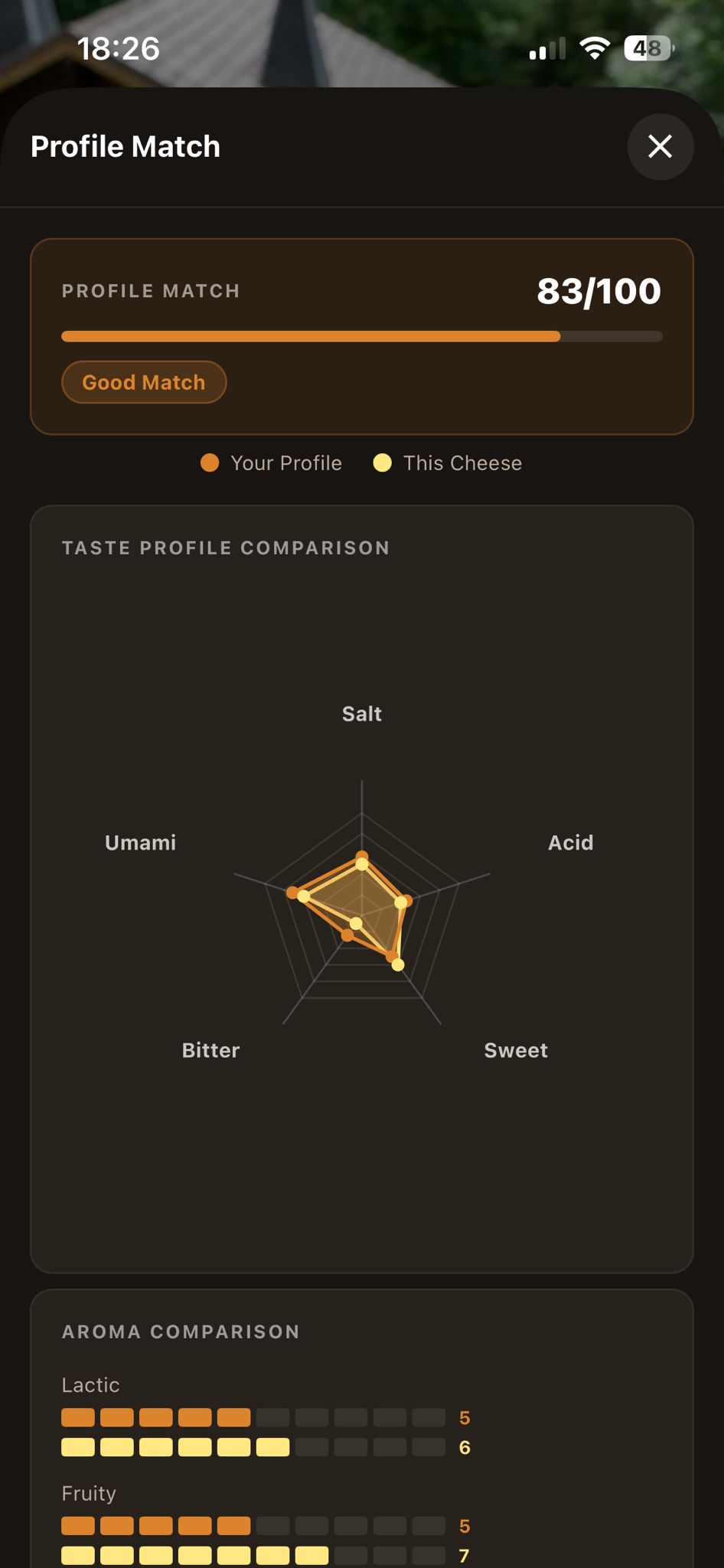
Yes. You can browse cheese profiles, add the ones you want to try to your Cheese Journal and see how well they match you.
Sources and further reading
This guide is Cheesepedia's original interpretation of the references below. Listing a source does not imply that the organization endorses Cheesepedia.