What is Piacentinu Ennese?
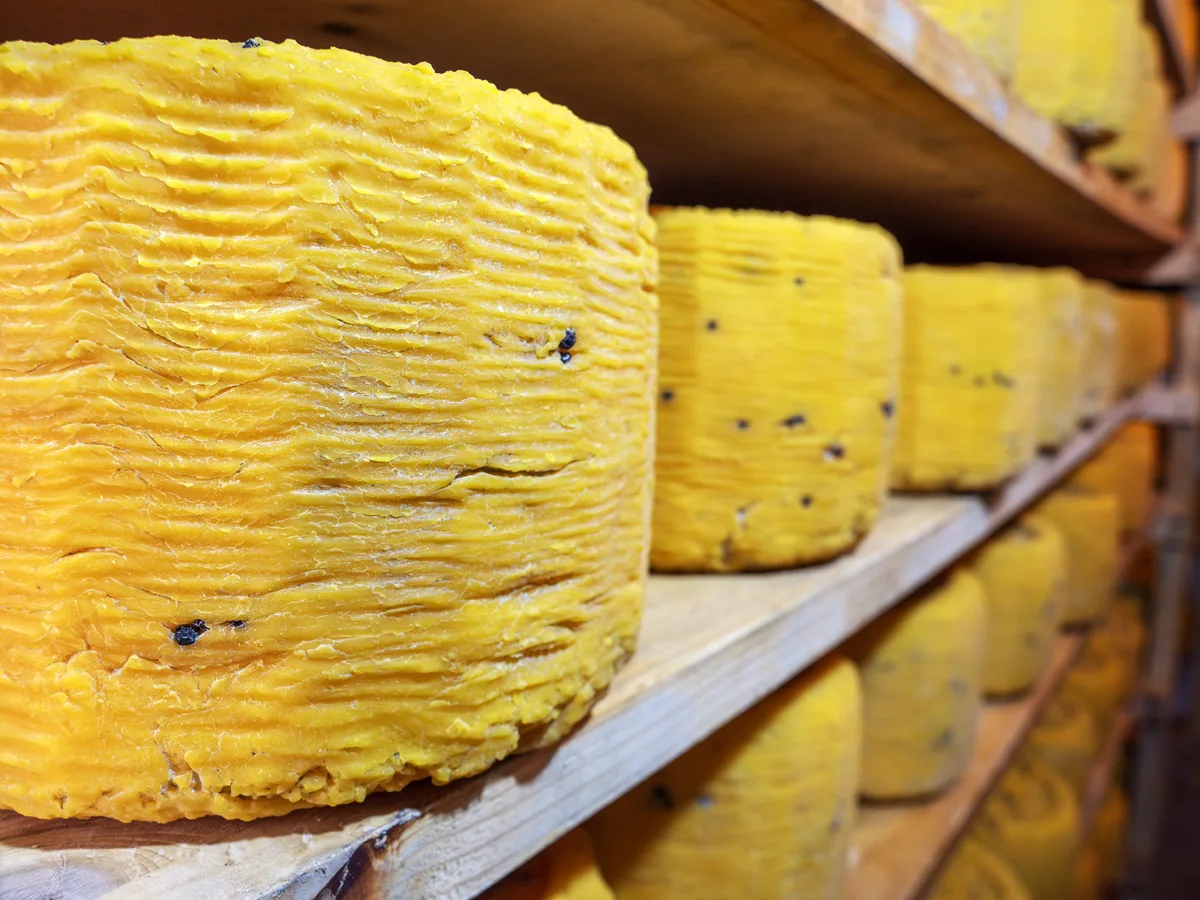
A unique Sicilian sheep’s milk cheese from the province of Enna, coloured bright yellow with saffron and studded with whole black peppercorns. Firm and savoury, with rich aromatic complexity: saffron adds warmth and floral depth, while peppercorns add intensity. Aged for a minimum of 60 days. One of the few Italian PDO cheeses with a documented spice addition.
Taste, aroma, and texture
Texture
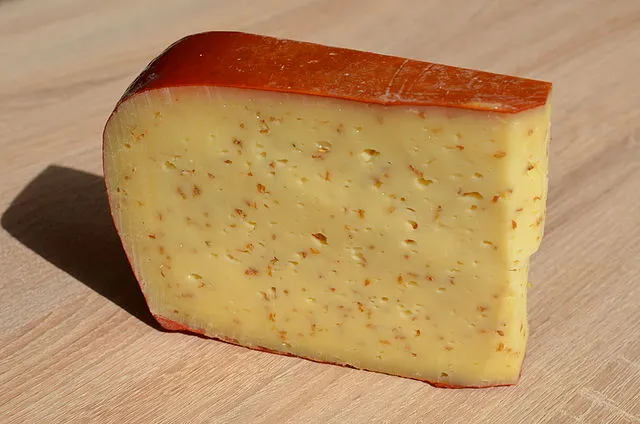
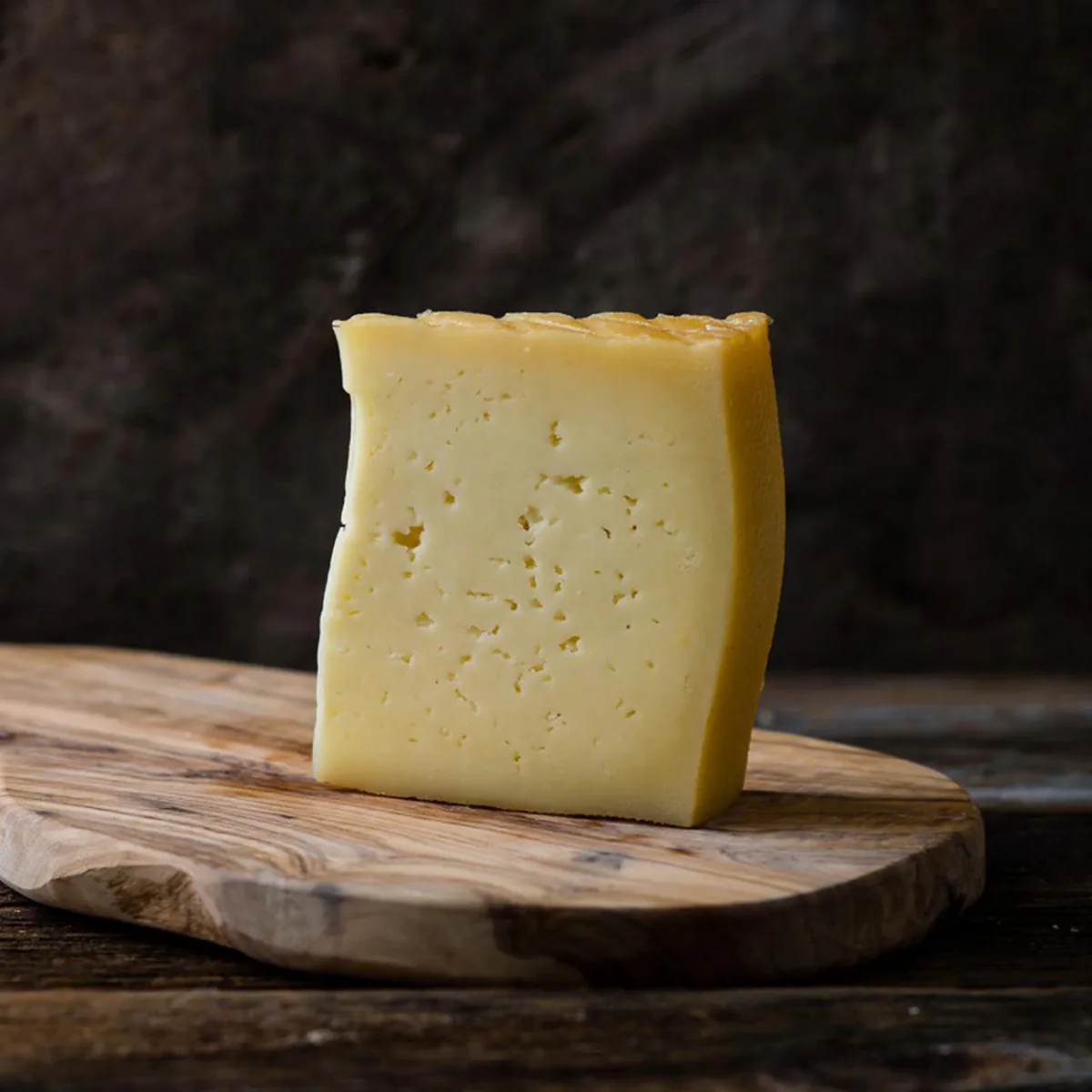
Compact, smooth, and firm, with an ivory-to-bright-yellow interior coloured by saffron. Whole black peppercorns are embedded throughout the paste and are the most distinctive visual feature. It becomes increasingly dry and granular with extended ageing. The natural rind is hard and golden-yellow.
Aroma
Herbal notes are strongly dominant, with saffron leading the profile. Animal and earthy notes are equally noticeable underneath. Lactic and fruity notes remain faint. No smoky character. A truly unmistakable aromatic profile.
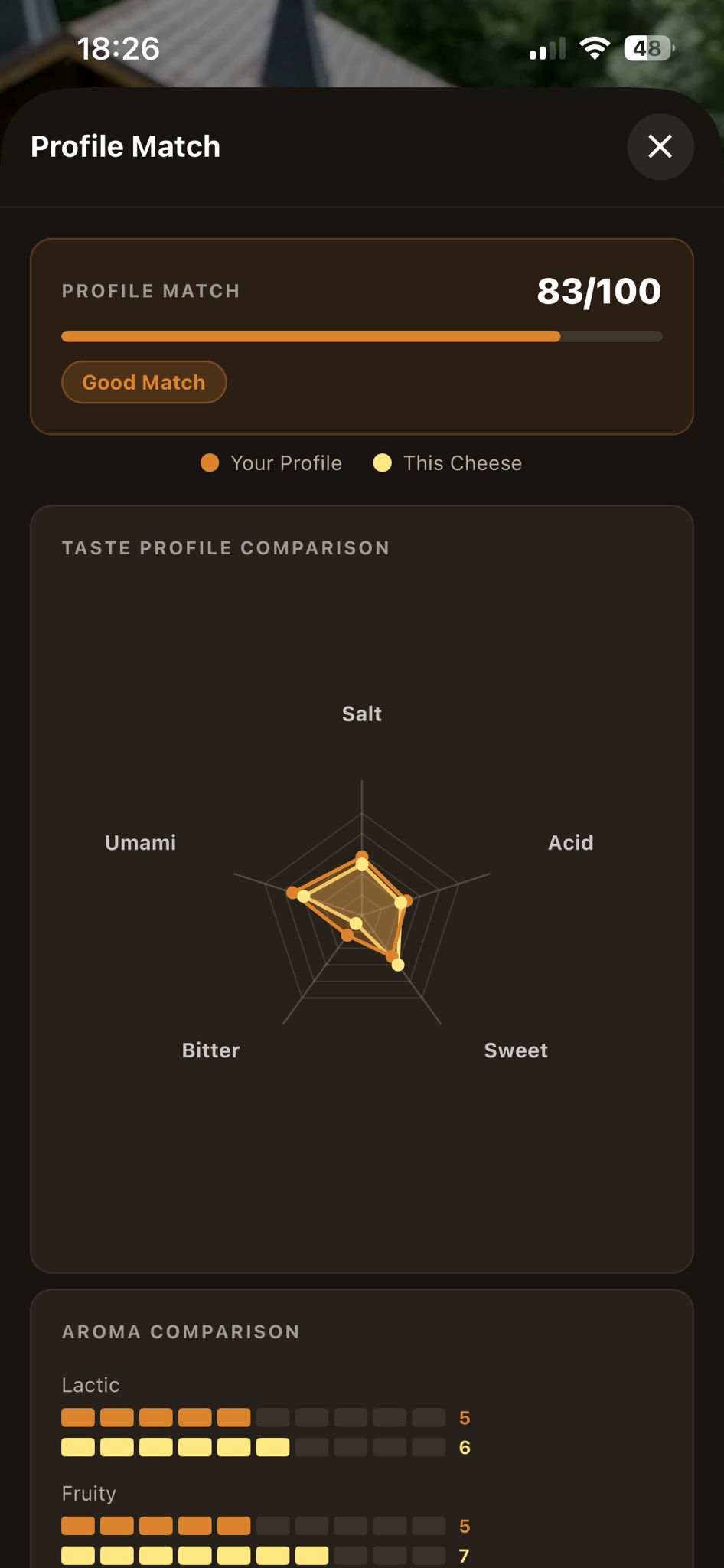
Cheesepedia taste profile
These values are the structured baseline in the Cheesepedia app. Your personal match is calculated separately from your own taste profile.
How to enjoy it
- 01
Sliced into colourful cheese boards or antipasti plates.
- 02
Grated over pasta, vegetables, or baked dishes.
- 03
Used in savoury pastries or Sicilian-style appetisers.
What pairs with Piacentinu Ennese?
Classic serving companions from the Cheesepedia catalog.
- Walnuts
- Chestnut Honey
- Fresh Figs
- Sourdough Bread
- Almond Cracker
Story and origin
According to legend, Count Roger I of Sicily ordered saffron to be added to the cheese in the 11th century to alleviate his wife’s melancholy, as saffron was believed to have mood-lifting properties. Whether myth or fact, saffron and pepper have defined this cheese for over a millennium. It has held PDO status since 2011.
Storage and serving
- Store in the fridge, wrapped or vacuum-packed.
- Air travel: suitable, especially if vacuum-packed.
Profile sources and methodology
This page uses the same curated record as the Cheesepedia mobile app. Production-style and designation references provide context; they do not imply endorsement of Cheesepedia.