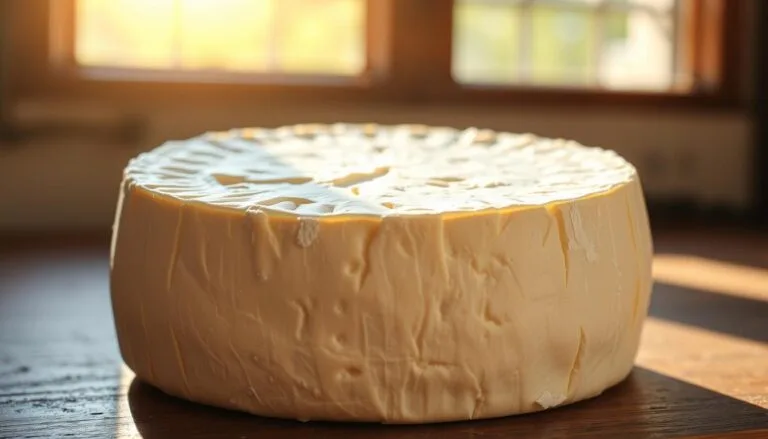
What is Formaggella del Luinese?
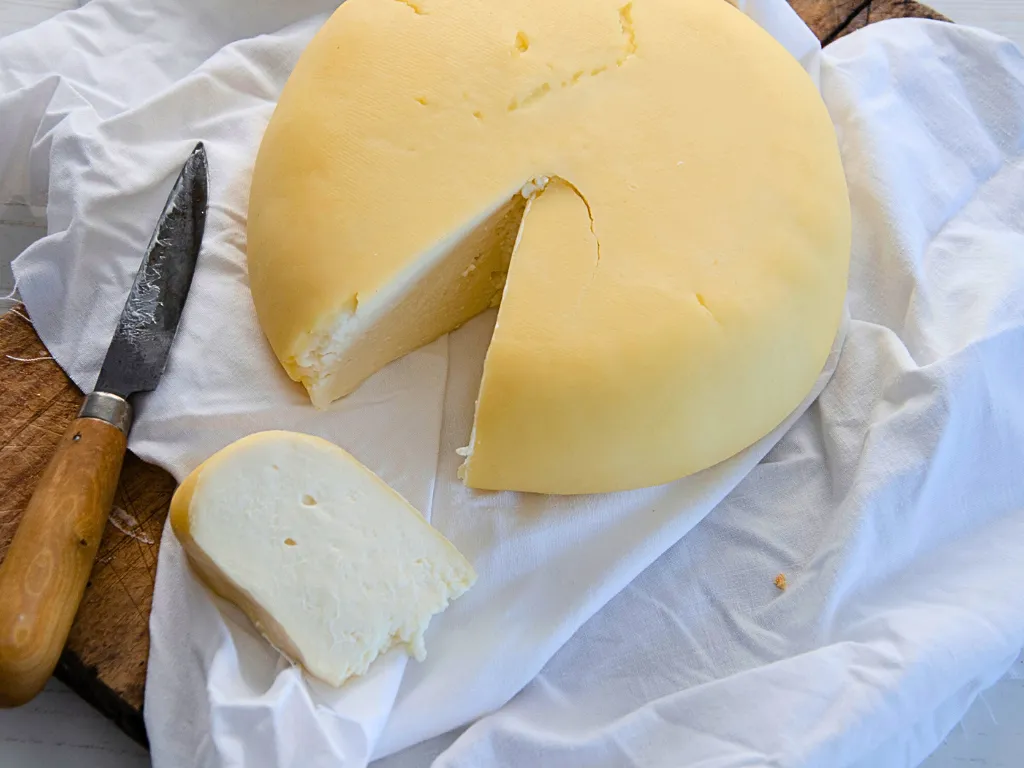
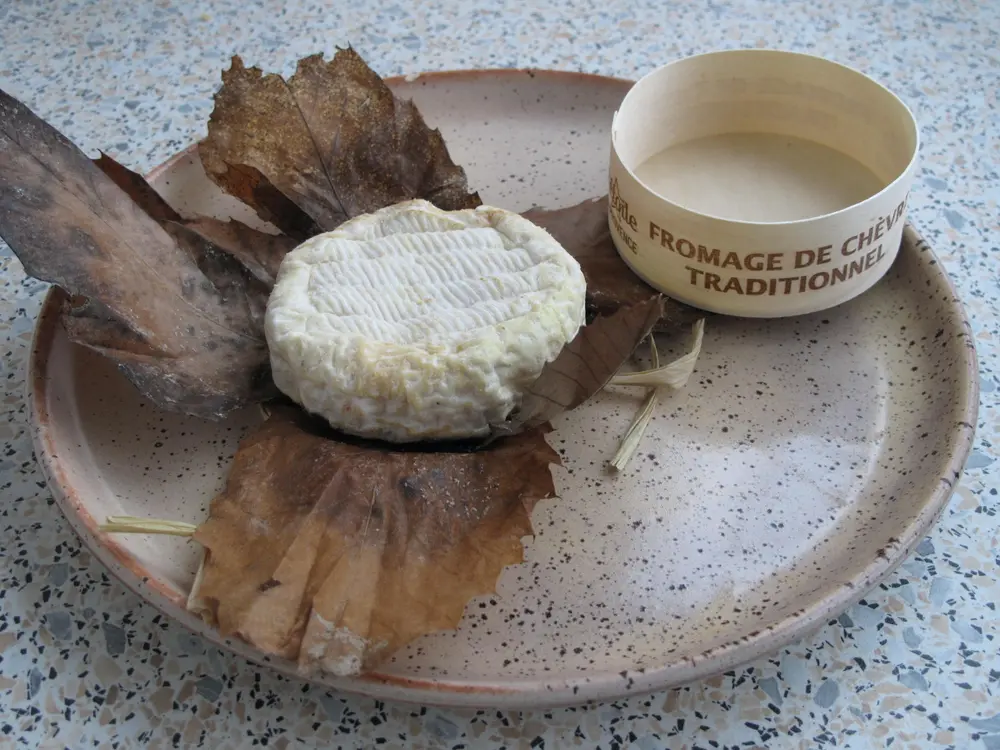
A small semi-soft goat’s milk cheese from the Luino area near Lake Maggiore in Lombardy, produced in 200–400 g cylinders with a thin natural rind. Mild, tangy, and gently herbaceous. Aged for a minimum of 21 days.
Taste, aroma, and texture
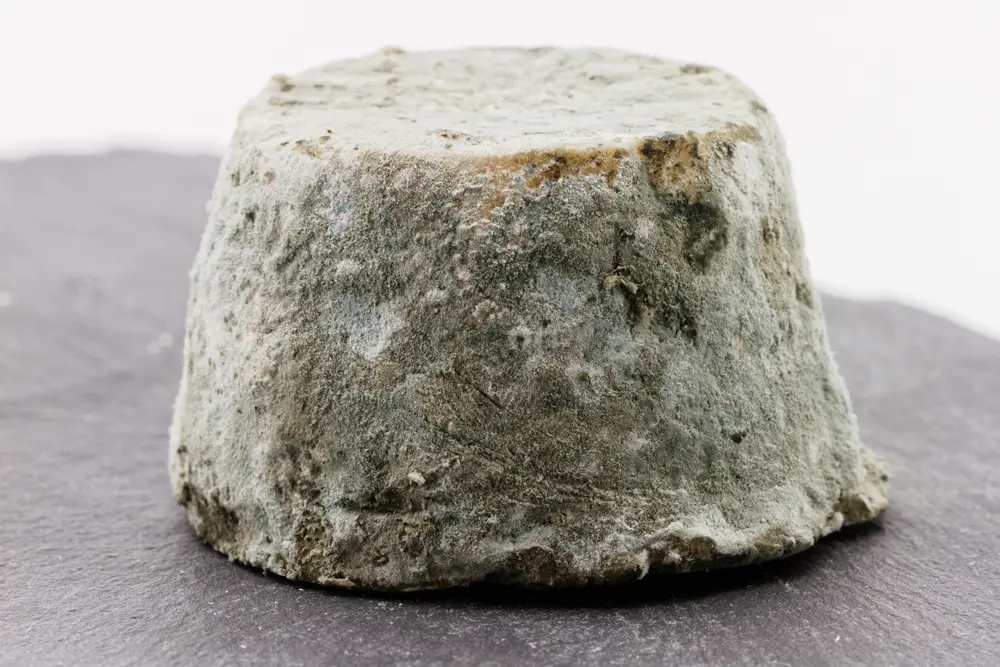
Semi-hard, supple, and elastic when young, with a fine-pored interior ranging from white to straw-yellow. It becomes progressively drier and more crumbly with extended ageing. Thin natural rind, from pale to golden. Small cylinders weigh 200–400 g.
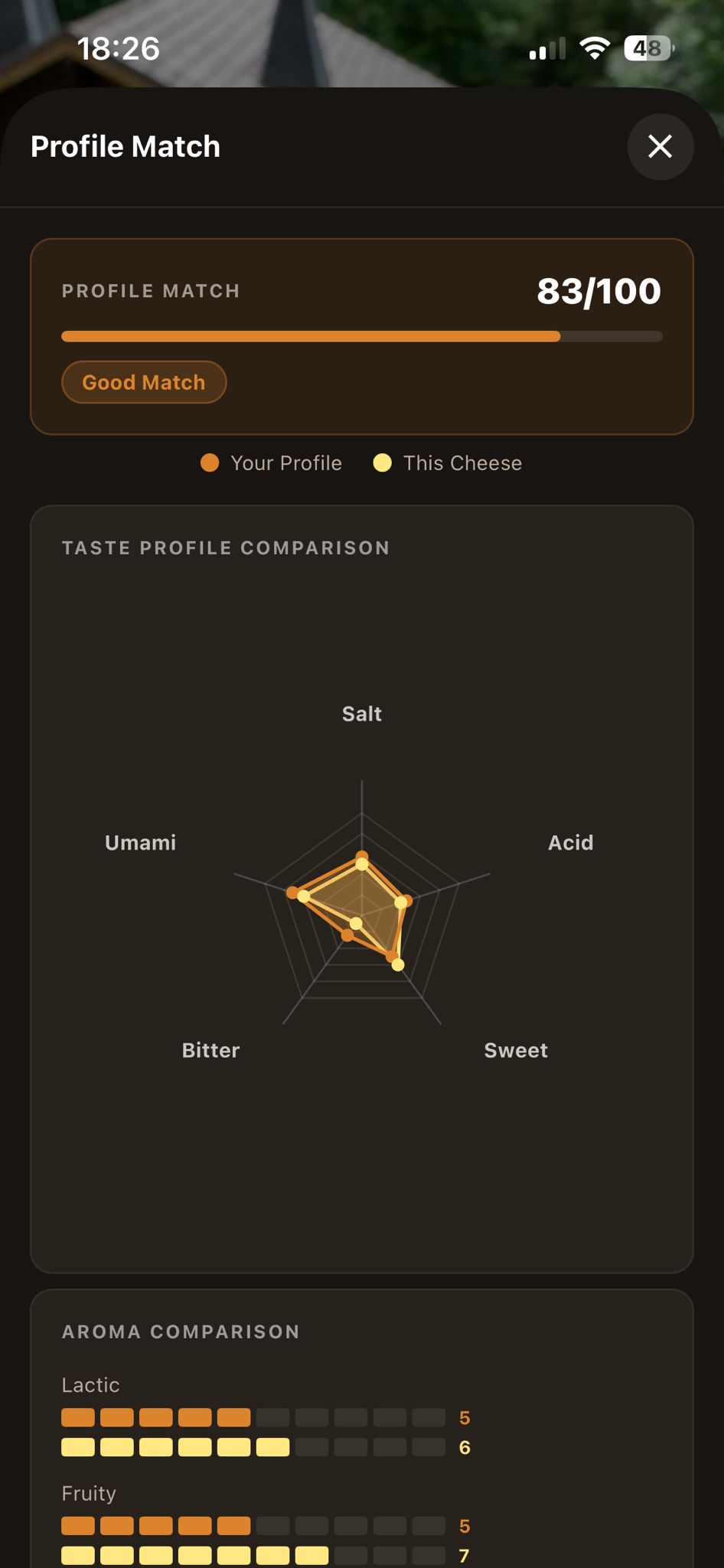
Lactic notes are strongly dominant, with herbal notes also strongly present. Earthy and animal notes are equally noticeable, while fruity notes remain faint. No smoky character. Fresh, clean, and approachable goat’s milk profile.
Cheesepedia taste profile
The values below are the structured baseline in the Cheesepedia app. Your personal match is calculated separately from your own taste profile.
A general profile can describe Formaggella del Luinese, but it cannot know how closely the cheese fits your preferences. Cheesepedia Premium compares this profile with your personal taste profile and lets you evaluate cheeses side by side.
See your personal matchHow to enjoy it
- Served in slices on goat cheese boards.
- Melted lightly over polenta, potatoes, or vegetables.
- Used in salads, tartines, or warm appetisers.
What pairs with Formaggella del Luinese?
Classic serving companions from the Cheesepedia catalog.
- Spiced Cracker
- Salted Cracker
- Mini Sesame Bagel
- Lavash Chips
- Butter Cracker
Find the right wine in Cheesepedia
Cheesepedia uses an expert-designed algorithm that compares the cheese's taste, intensity, and production profile with the wine's body, acidity, tannin, and sweetness. Wine pairings are not generated by AI.
See wine pairings for Formaggella del LuineseStory and origin
A traditional cheese from the Luino area, produced for centuries by small mountain farmers. The goat-farming tradition around Lake Maggiore is deeply rooted in local pastoral culture. It received PDO status in 2007 to protect this small-production artisanal cheese.
Storage and serving
- Store in the fridge, wrapped or vacuum-packed.
- Air travel: suitable, especially if vacuum-packed.
Profile sources and methodology
This page uses the same curated record as the Cheesepedia mobile app. Production-style and designation references provide context; they do not imply endorsement of Cheesepedia.