What is Bitto?
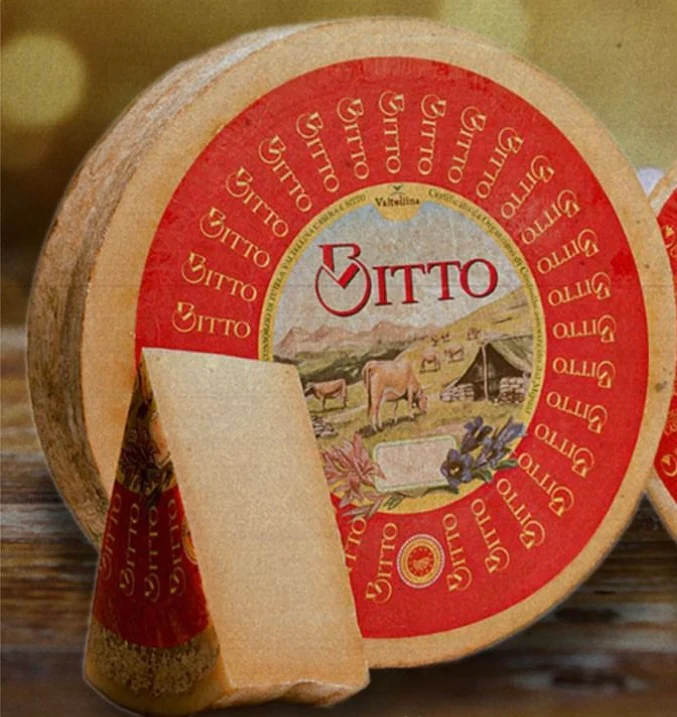
A rare alpine cheese from the Valtellina valleys of Lombardy, produced only in summer on high mountain pastures from June to September. Made with raw milk from Brown Alpine cows and a small addition of Orobica goat’s milk, it is produced in wheels of 8–25 kg. One of Italy’s longest-aged cheeses, capable of maturing for up to 10 years.
Taste, aroma, and texture
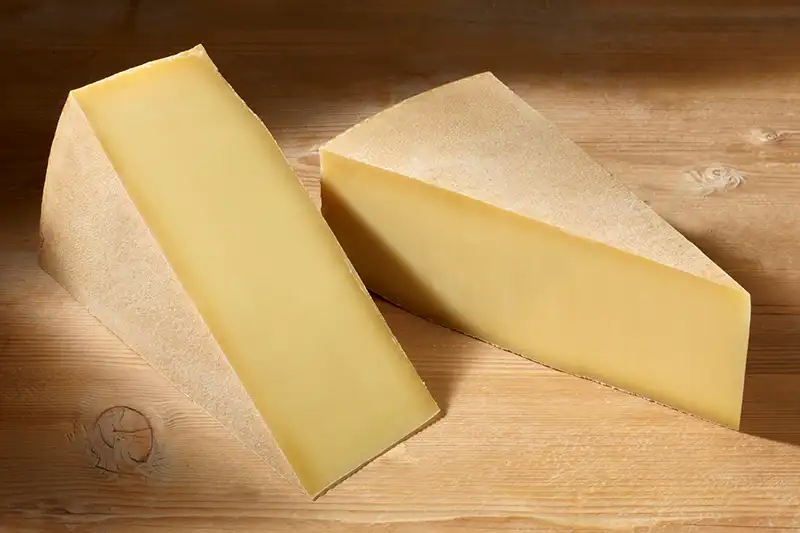
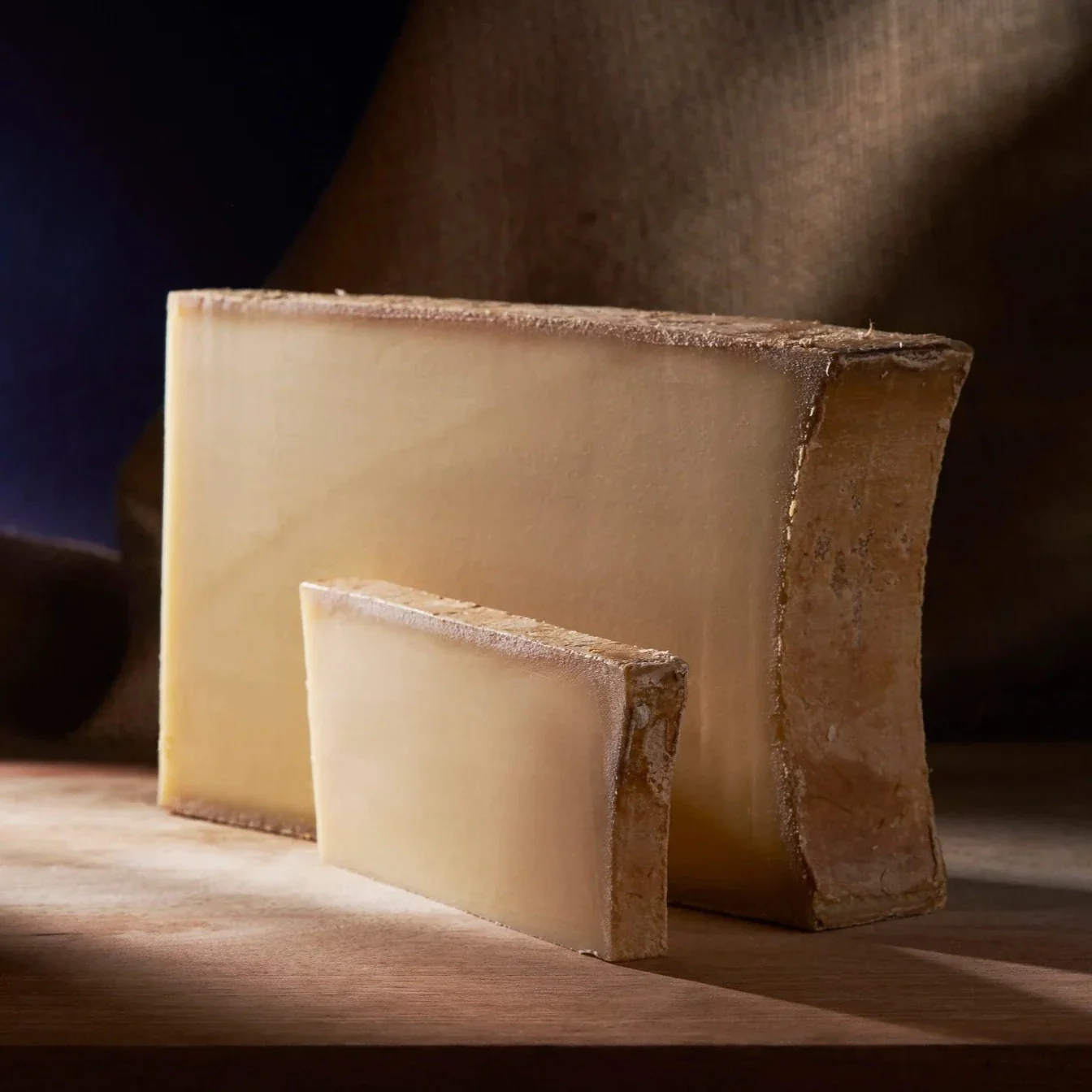
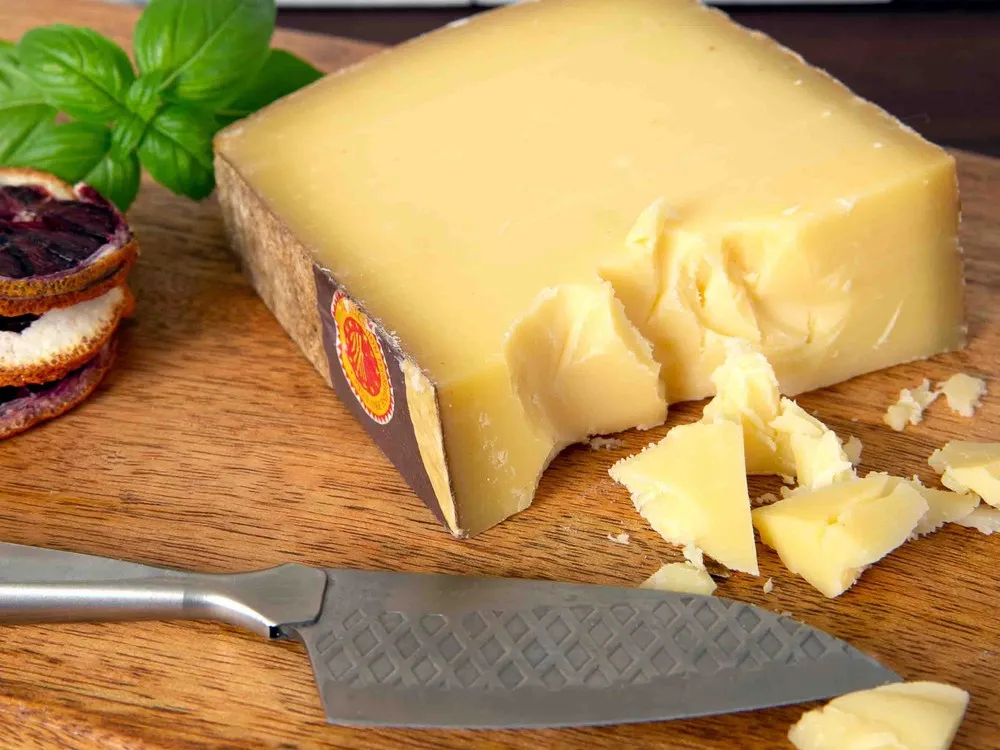
Firm and dense, becoming increasingly crumbly and developing tyrosine crystals with extended ageing. The straw-yellow paste deepens in colour over time. The rind is hard, compact, and dark golden-brown. Wheels weigh 8–25 kg. Very long-aged versions approach the hardness of extra-aged alpine cheeses.
Lactic, fruity, and herbal notes are equally dominant, creating a complex, layered alpine bouquet. Earthy notes are strongly present, while animal notes remain faint. No significant smoky character in younger wheels, though older wheels may develop subtle woody nuances.
Cheesepedia taste profile
The values below are the structured baseline in the Cheesepedia app. Your personal match is calculated separately from your own taste profile.
A general profile can describe Bitto, but it cannot know how closely the cheese fits your preferences. Cheesepedia Premium compares this profile with your personal taste profile and lets you evaluate cheeses side by side.
See your personal matchHow to enjoy it
- Melted into polenta, risotto, or mountain-style dishes.
- Sliced into cheese boards or rustic plates.
- Grated over soups, potatoes, or baked vegetables when aged.
What pairs with Bitto?
Classic serving companions from the Cheesepedia catalog.
- Grissini
- Salted Cracker
- Butter Cracker
- Whole Wheat Cracker
- Sesame Cracker
- Tortilla Chips
Find the right wine in Cheesepedia
Cheesepedia uses an expert-designed algorithm that compares the cheese's taste, intensity, and production profile with the wine's body, acidity, tannin, and sweetness. Wine pairings are not generated by AI.
See wine pairings for BittoStory and origin
Named Bitu, meaning “eternal,” by the Celts, with production documented as far back as the 1st century AD. It is one of Italy’s most strictly protected cheeses, preserving the ancient pastoral transhumance traditions of Valtellina. The Storico Ribelle consortium protects the most traditional version, made without silage. It has held PDO status since 1996.
Storage and serving
- Store in the fridge, in brine or sealed packaging.
- Air travel: suitable only in leak-proof packaging.
Profile sources and methodology
This page uses the same curated record as the Cheesepedia mobile app. Production-style and designation references provide context; they do not imply endorsement of Cheesepedia.