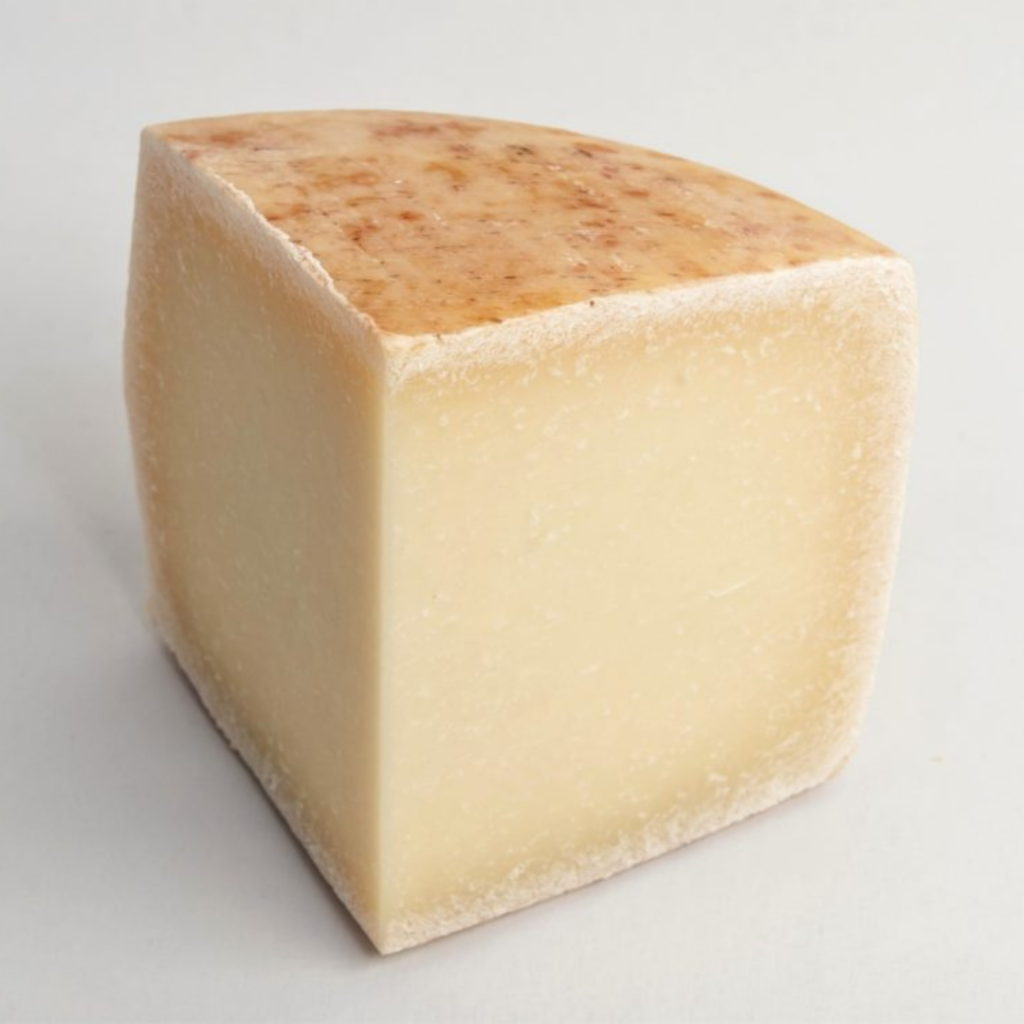
What is Pecorino Sardo?
A Sardinian sheep’s milk cheese produced in two distinct styles: Dolce, aged 20–60 days, is soft, mild, and creamy; Maturo, aged for 2 months or more, is firmer and develops sharper aromatic intensity. The island’s native Sarda sheep and diverse wild flora shape its distinctive character. Produced in wheels of 1–4 kg.
Taste, aroma, and texture
Texture
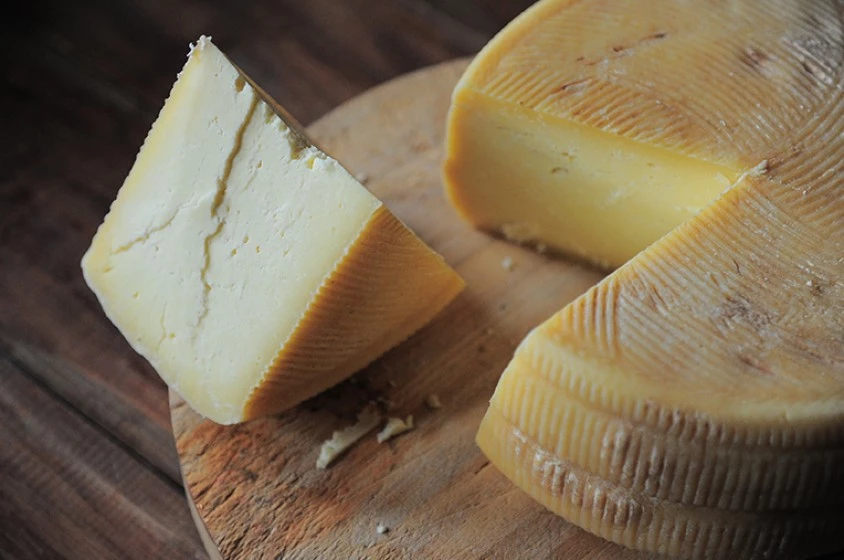
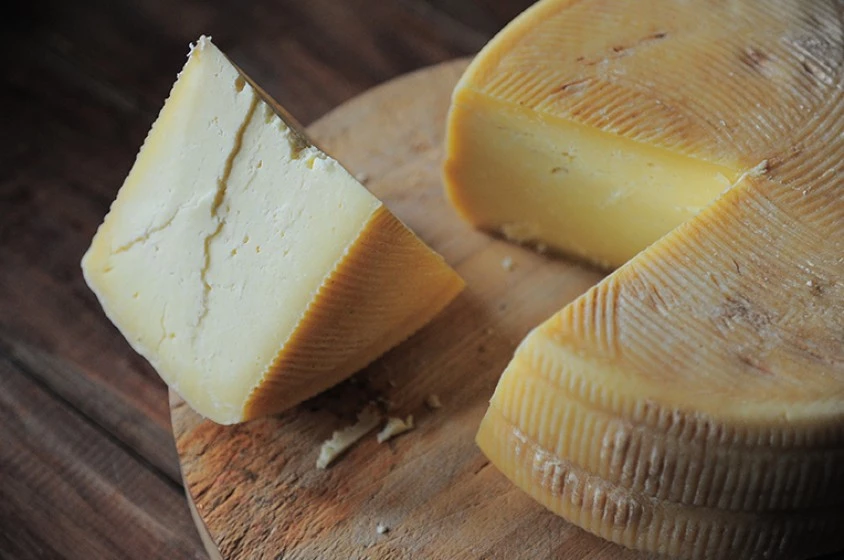
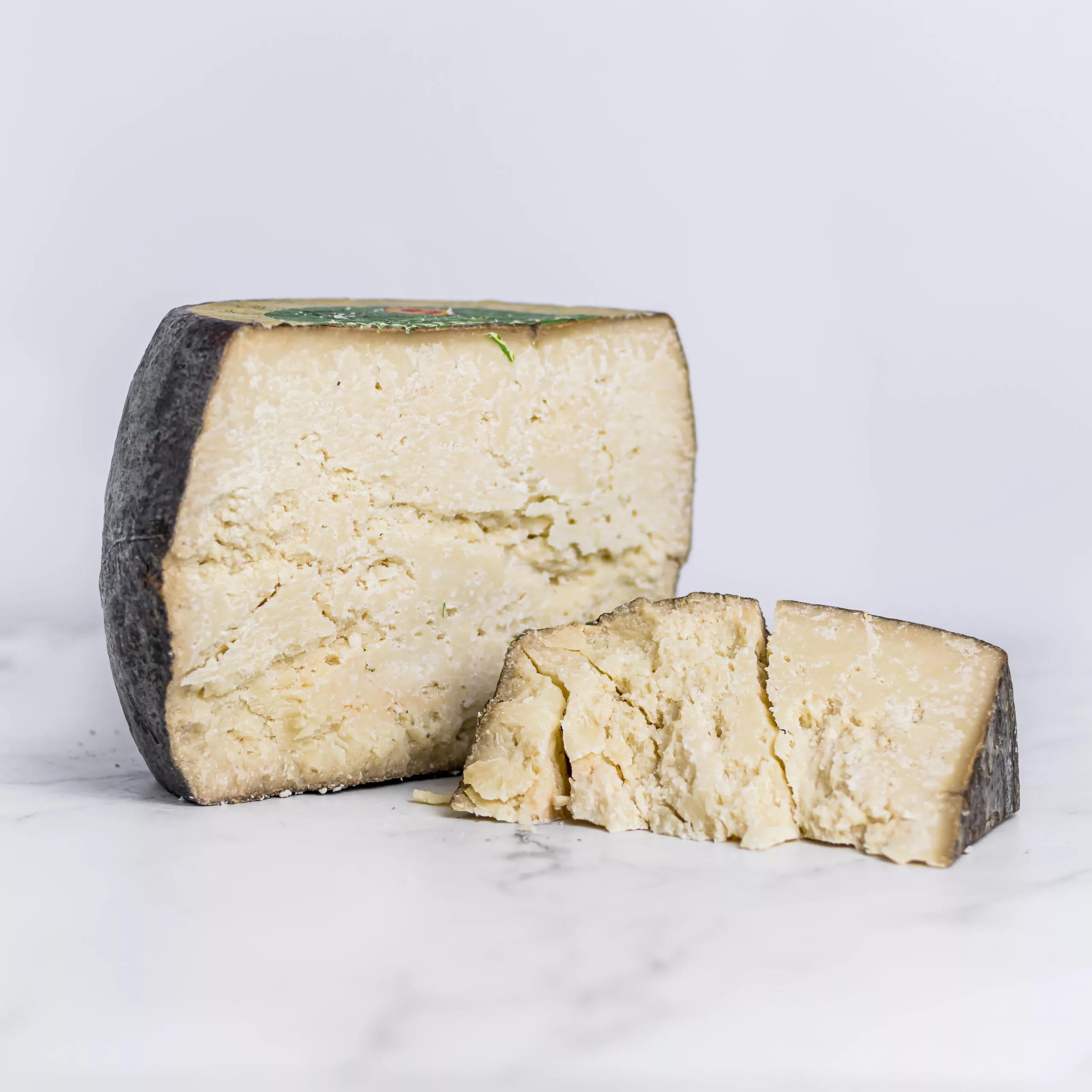
Dolce: semi-soft, moist, and slightly elastic, with a white to pale ivory interior. Maturo: firm, compact, and drier, with a straw-yellow to amber interior and small irregular holes. The natural rind darkens from pale golden to dark brown with age. Wheels weigh 1–4 kg.
Aroma
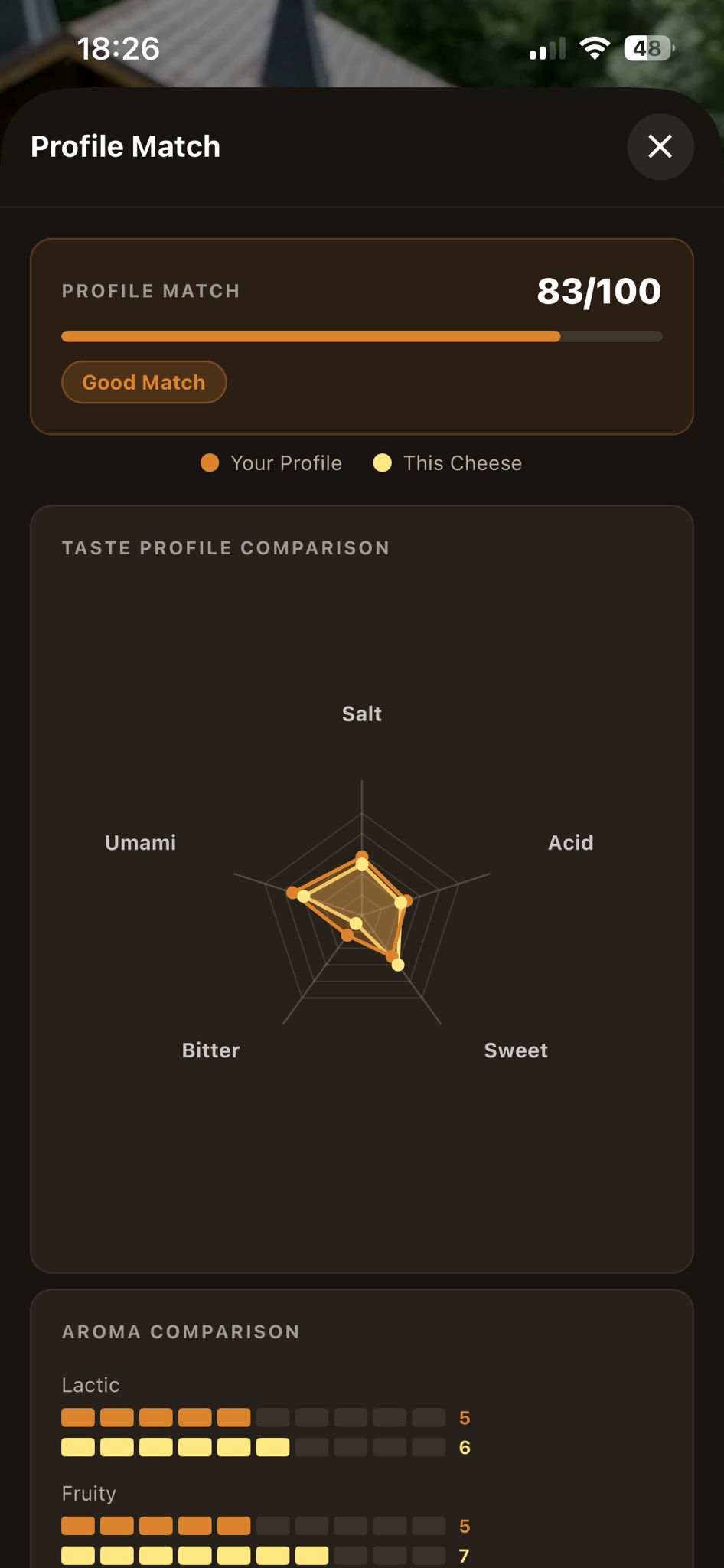
Animal notes are dominant, led by aged sheep’s milk lanolin. Earthy and herbal notes are equally strong, reflecting Sardinia’s wild maquis and diverse flora. Lactic notes are present, while fruity notes remain faint. No smoky character.
Cheesepedia taste profile
These values are the structured baseline in the Cheesepedia app. Your personal match is calculated separately from your own taste profile.
How to enjoy it
- 01
Sliced into sheep’s milk cheese boards.
- 02
Grated over pasta, soups, or vegetables when aged.
- 03
Served with olives, nuts, or rustic bread.
What pairs with Pecorino Sardo?
Classic serving companions from the Cheesepedia catalog.
- Salted Cracker
- Butter Cracker
- Walnut
- Dried Fig
- Honey
- Olives
Story and origin
Sheep farming has been central to Sardinian culture since ancient times; Sardinia is one of the oldest pastoral cultures in the Mediterranean. Pecorino Sardo is among Italy’s most ancient cheeses. Both Dolce and Maturo styles have been produced on the island for centuries. It has held PDO status since 1996.
Storage and serving
- Store in the fridge, wrapped or vacuum-packed.
- Air travel: suitable, especially if vacuum-packed.
Profile sources and methodology
This page uses the same curated record as the Cheesepedia mobile app. Production-style and designation references provide context; they do not imply endorsement of Cheesepedia.