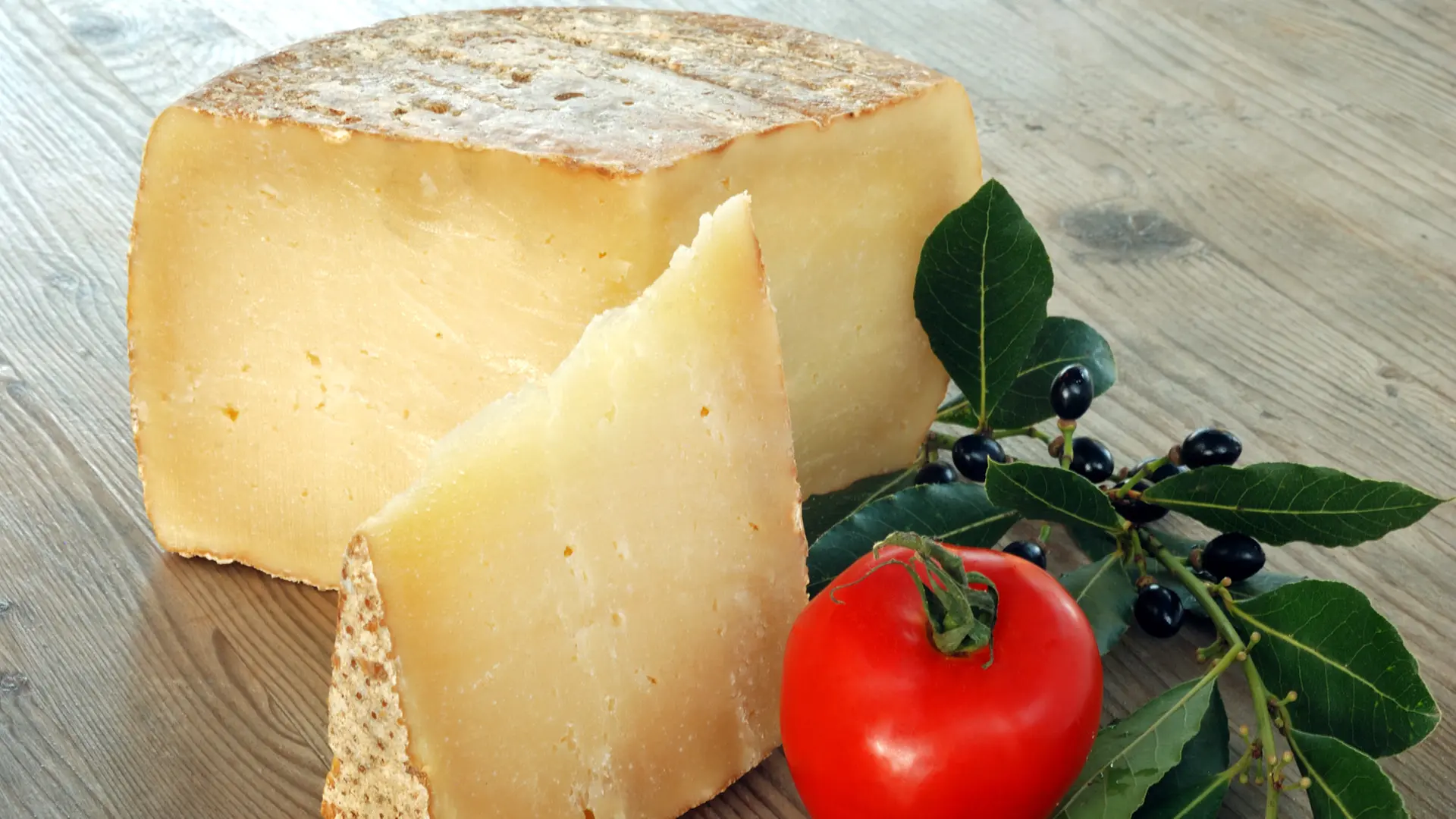
What is Pecorino Siciliano?
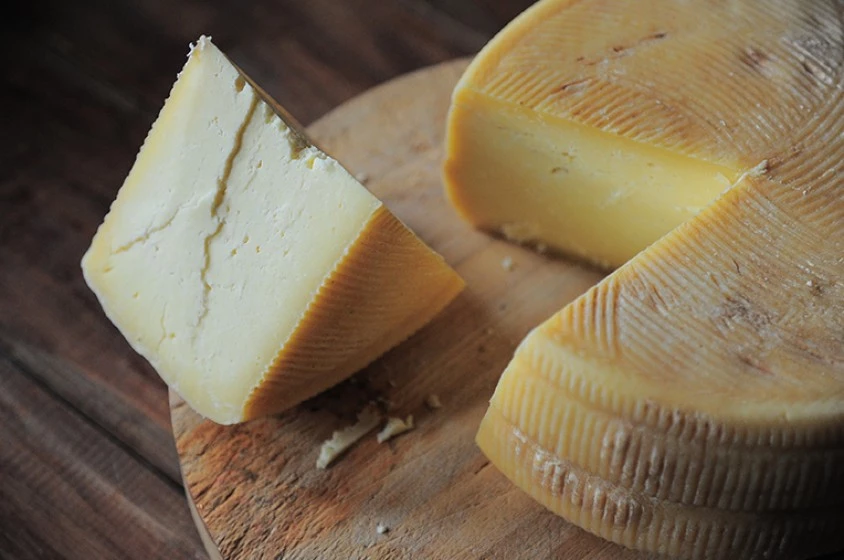
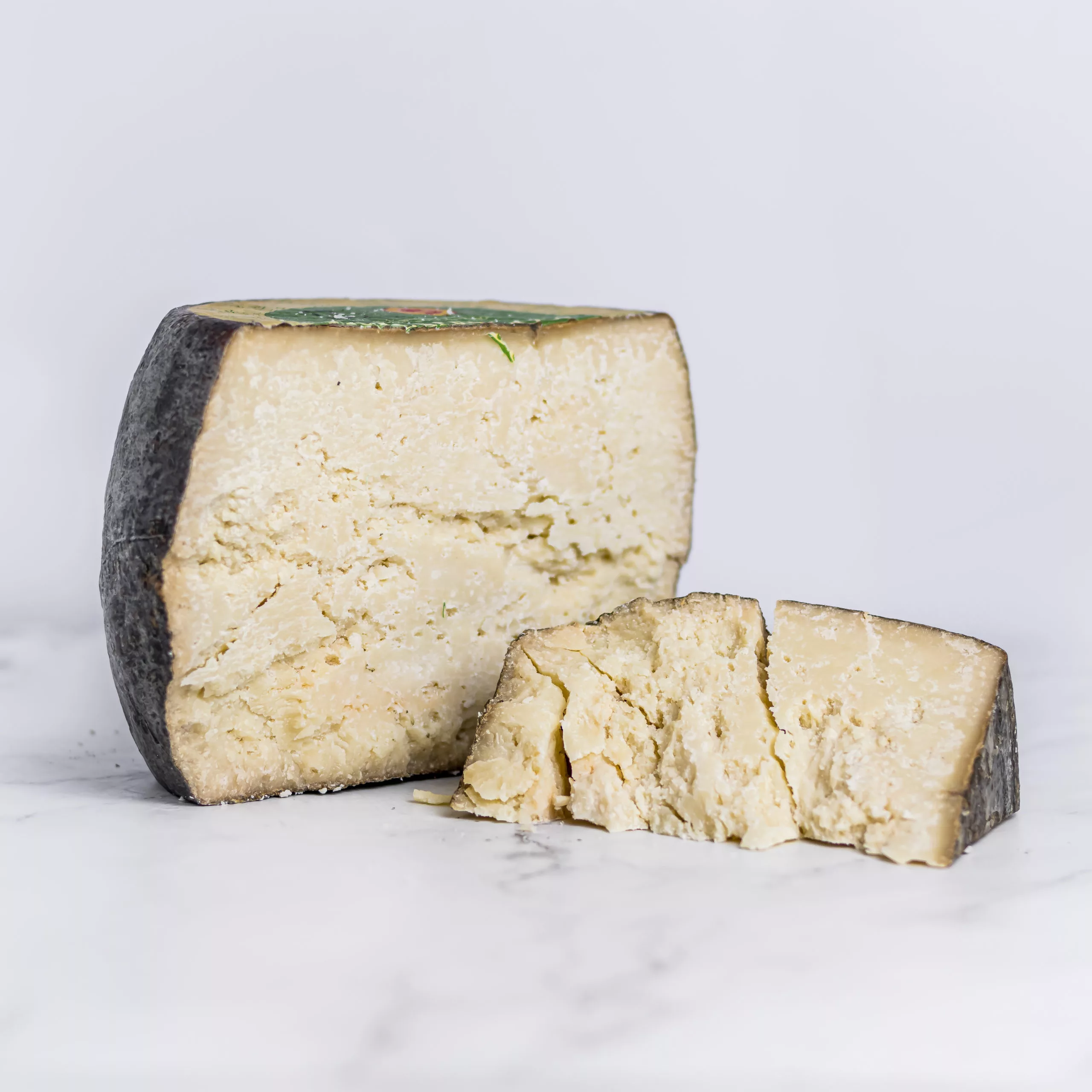
One of Italy’s most ancient sheep’s milk cheeses, made from raw sheep’s milk across Sicily and aged in hand-woven reed baskets that imprint a distinctive herringbone pattern on the rind. Firm and assertive, with peppery intensity; whole black peppercorns may be added during production. Produced in wheels of 4–12 kg and aged for a minimum of 4 months.
Taste, aroma, and texture
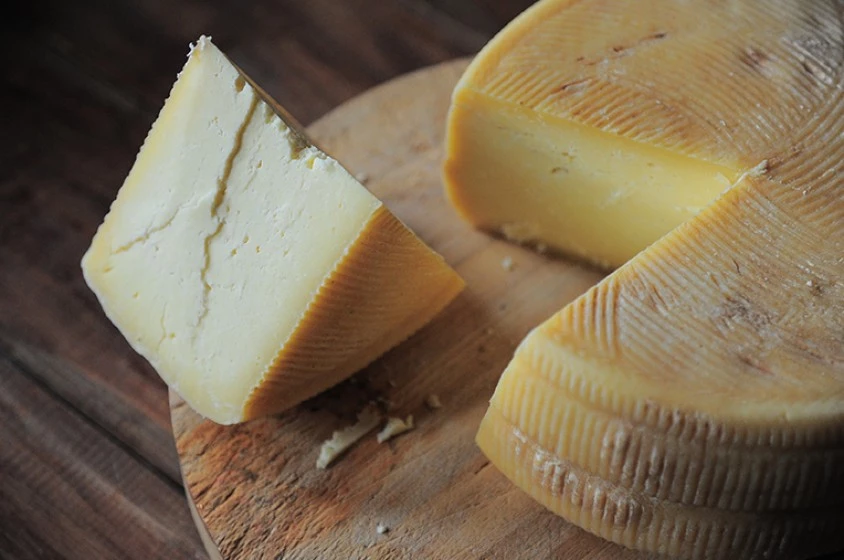
Firm to hard, with a slightly granular interior and the distinctive imprint of woven baskets on its pale ivory surface. Compact and dense. The herringbone basket pattern on the rind is the key visual feature. Wheels weigh 4–12 kg.
Animal notes are dominant, with raw sheep’s milk lanolin and aged character. Herbal and earthy notes are equally strong, while lactic notes are present. Fruity notes remain faint. No smoky character. Peppercorn versions add a distinctive spicy aromatic layer.
Cheesepedia taste profile
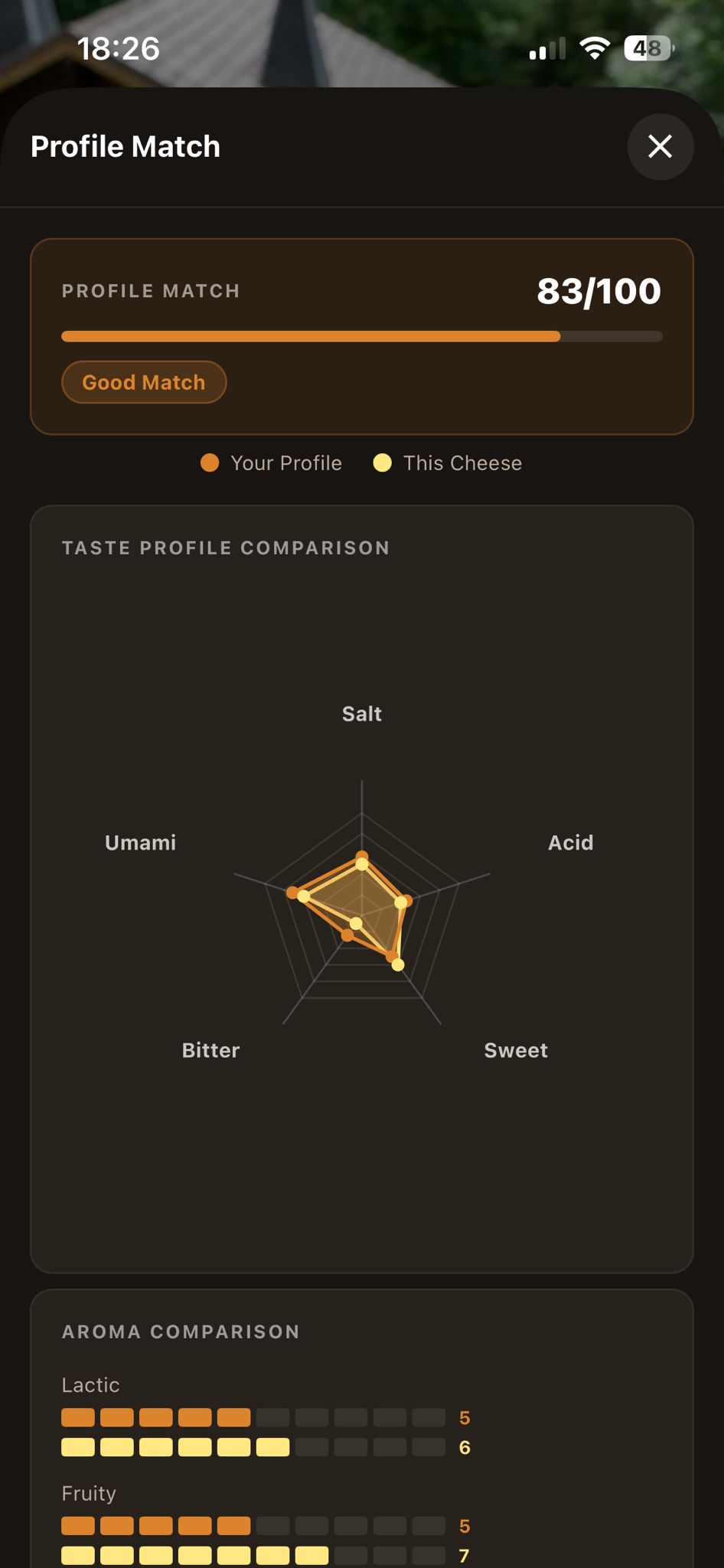
The values below are the structured baseline in the Cheesepedia app. Your personal match is calculated separately from your own taste profile.
A general profile can describe Pecorino Siciliano, but it cannot know how closely the cheese fits your preferences. Cheesepedia Premium compares this profile with your personal taste profile and lets you evaluate cheeses side by side.
See your personal matchHow to enjoy it
- Grated over pasta, soups, or vegetable dishes when aged.
- Sliced into rustic cheese boards or antipasti plates.
- Used in savoury fillings, baked dishes, or stuffed vegetables.
What pairs with Pecorino Siciliano?
Classic serving companions from the Cheesepedia catalog.
- Salted Cracker
- Olives
- Sun-Dried Tomato
- Butter Cracker
- Dried Fava
- Honey
Find the right wine in Cheesepedia
Cheesepedia uses an expert-designed algorithm that compares the cheese's taste, intensity, and production profile with the wine's body, acidity, tannin, and sweetness. Wine pairings are not generated by AI.
See wine pairings for Pecorino SicilianoStory and origin
Considered by many to be Italy’s oldest cheese, documented by Pliny the Elder in the 1st century AD. The basket-moulding technique, using canestri, dates back to ancient Sicily. Sicily’s sheep-farming tradition predates the Roman era. It has held PDO status since 1996.
Storage and serving
- Store in the fridge, in brine or sealed packaging.
- Air travel: suitable only in leak-proof packaging.
Profile sources and methodology
This page uses the same curated record as the Cheesepedia mobile app. Production-style and designation references provide context; they do not imply endorsement of Cheesepedia.