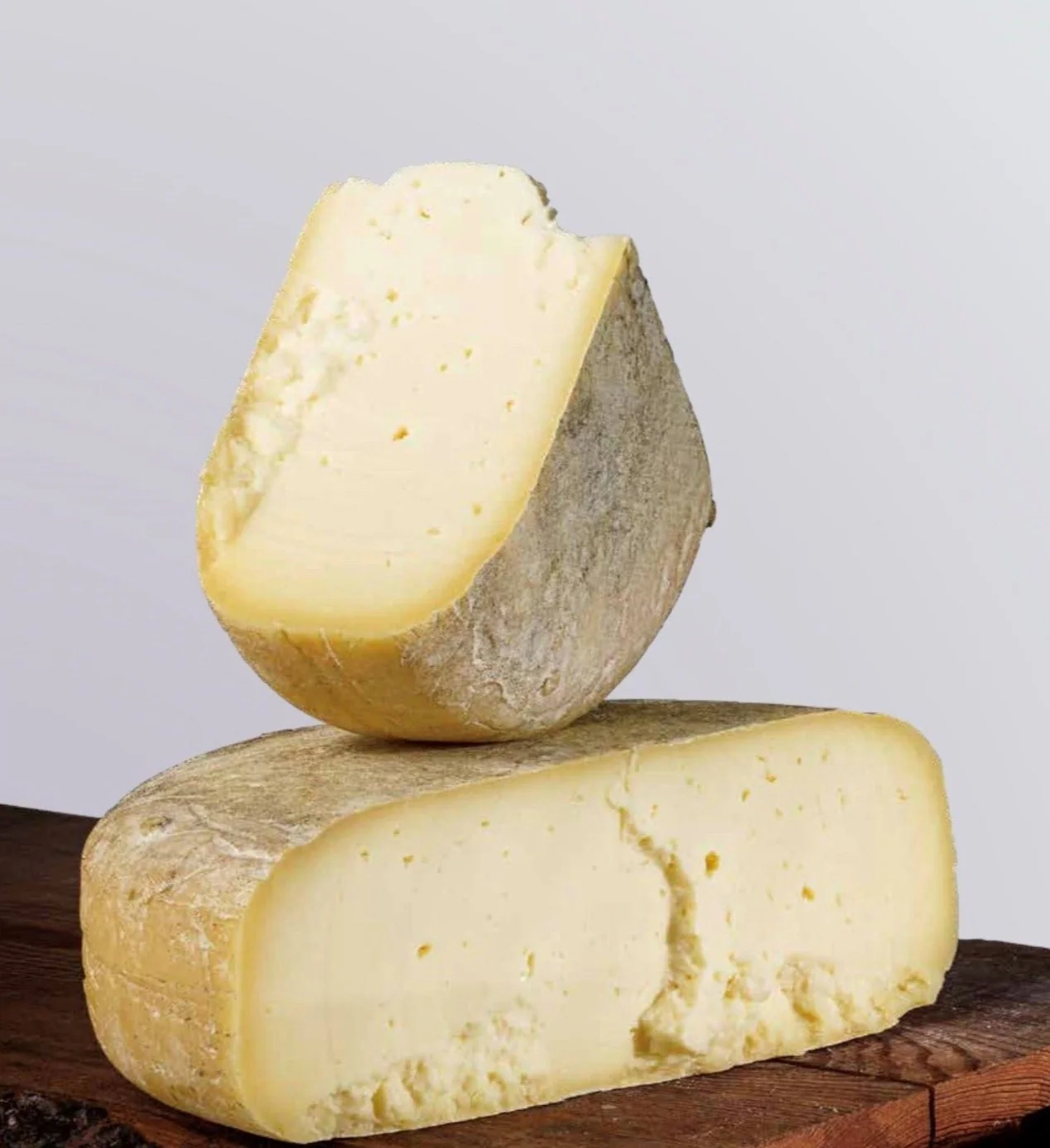
What is Bra?
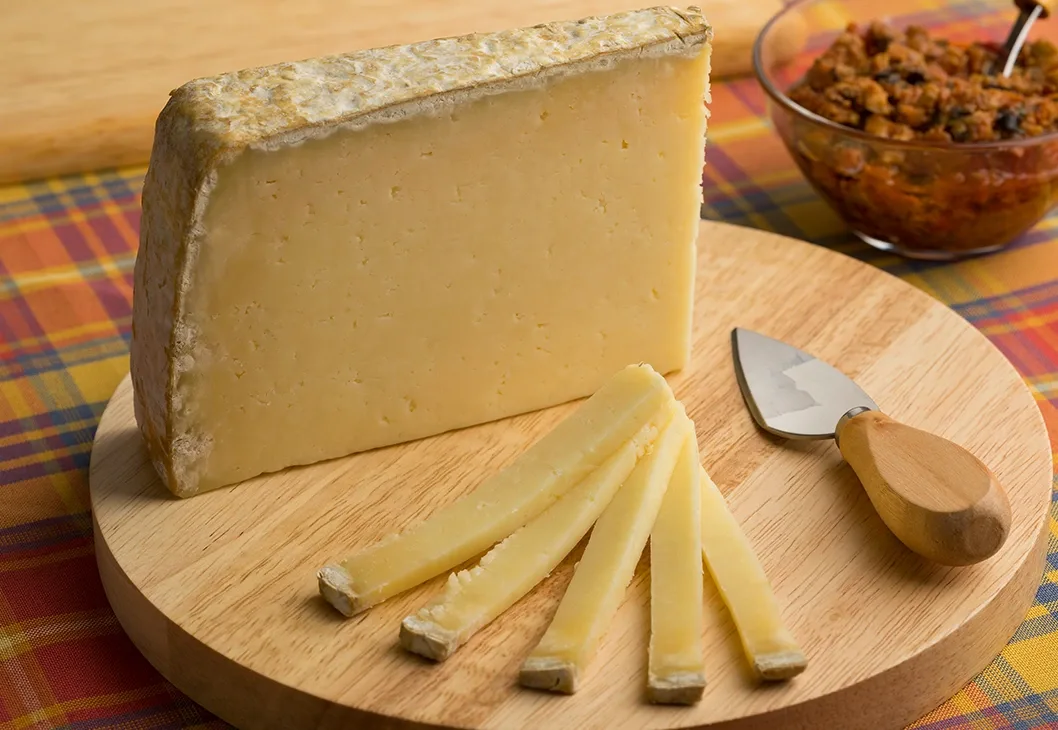
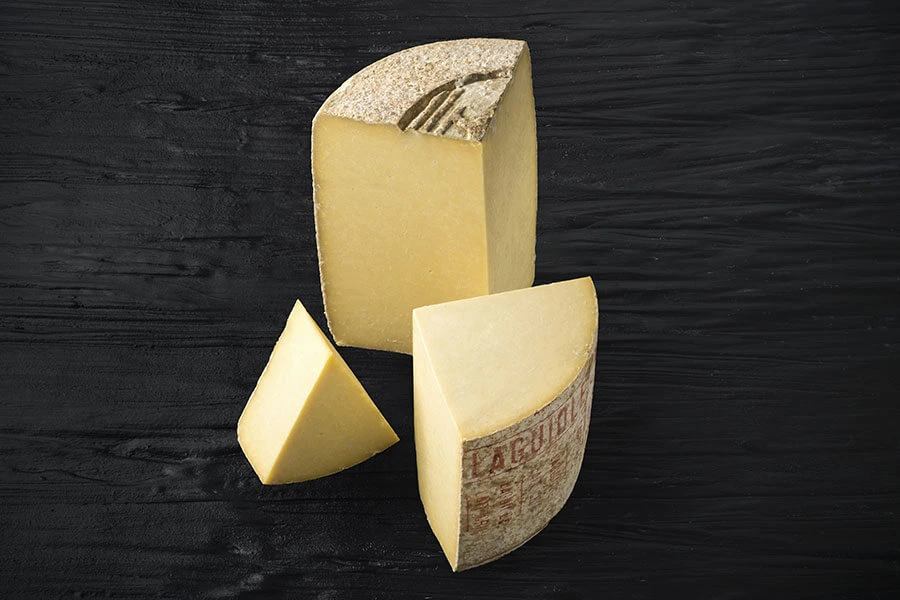
A versatile Piedmont cheese from Cuneo, made primarily from cow’s milk with up to 10% sheep’s and/or goat’s milk permitted. Produced in two styles: Tenero, aged for at least 45 days, is mild, creamy, and supple; Duro, aged for 6 months or more, develops a sharper and more complex character. Named after the town of Bra, the historic trading hub where mountain cheeses were brought to age and sell.
Taste, aroma, and texture
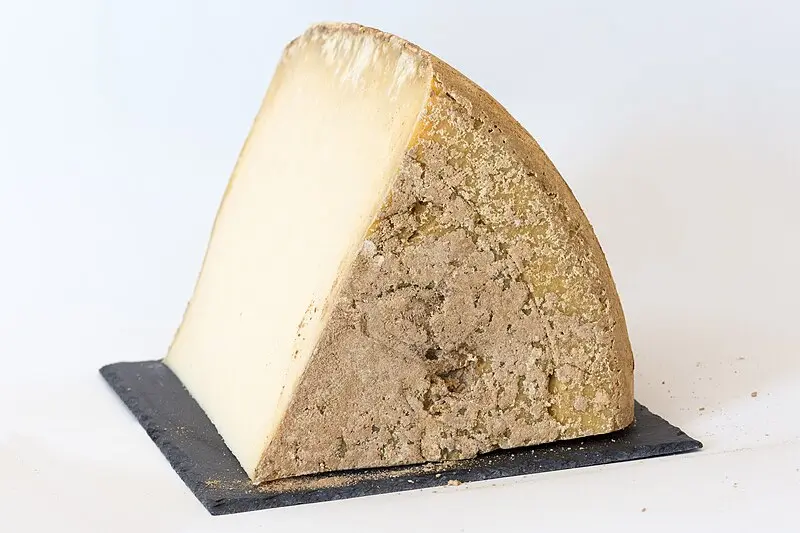
Tenero: supple, smooth, and moist, with a pale white to ivory interior. Duro: hard, dry, and slightly porous, with a straw-yellow paste that becomes increasingly crumbly. Both styles have a natural rind that darkens with age. Wheels weigh approximately 6–8 kg.
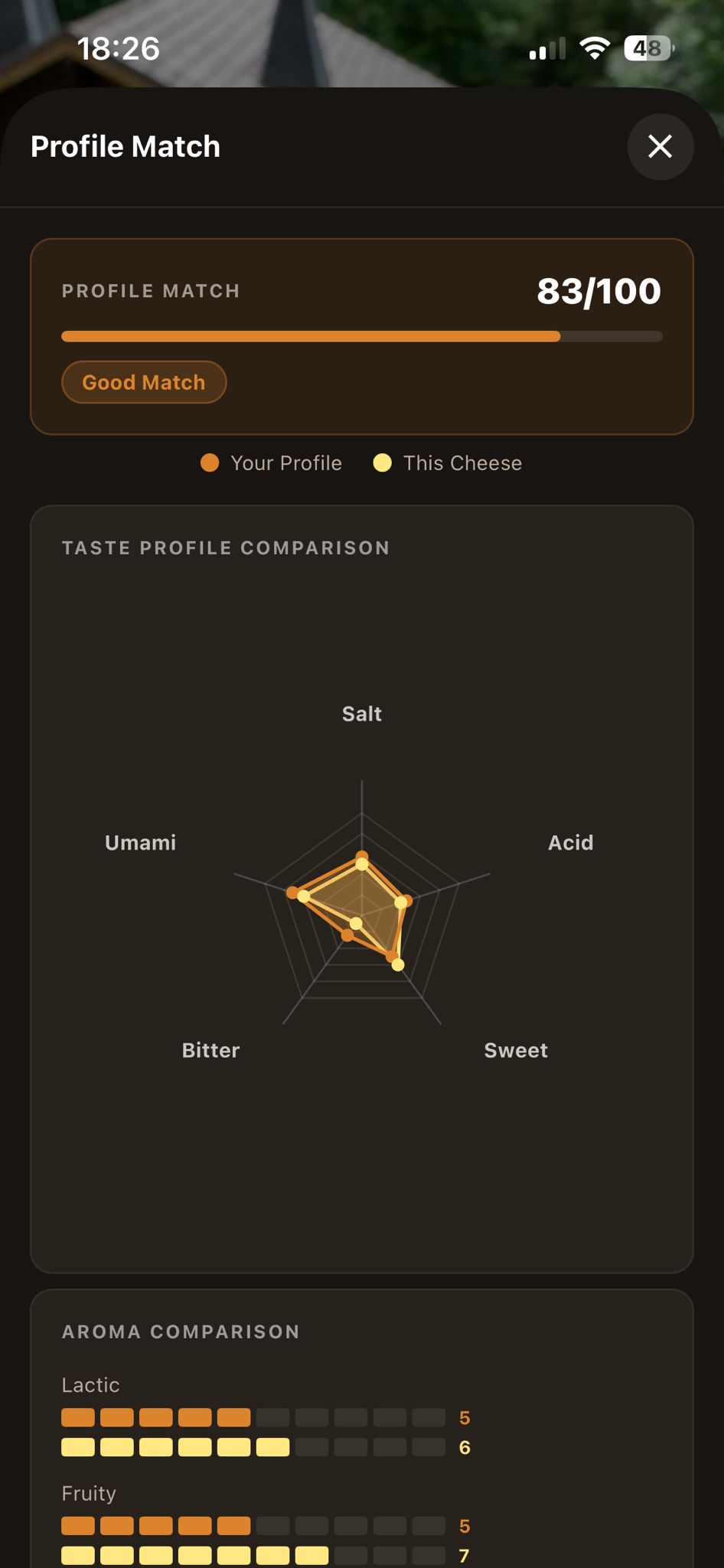
Lactic and earthy notes are equally dominant. Herbal and fruity notes are equally noticeable, while animal notes are present. No smoky character. Tenero is mild and fresh; Duro develops considerably more intensity, with spicy and hay-like nuances.
Cheesepedia taste profile
The values below are the structured baseline in the Cheesepedia app. Your personal match is calculated separately from your own taste profile.
A general profile can describe Bra, but it cannot know how closely the cheese fits your preferences. Cheesepedia Premium compares this profile with your personal taste profile and lets you evaluate cheeses side by side.
See your personal matchHow to enjoy it
- Sliced into cheese boards, sandwiches, or rustic plates.
- Melted into polenta, gratins, or baked potatoes.
- Grated over pasta or vegetable dishes when aged.
What pairs with Bra?
Classic serving companions from the Cheesepedia catalog.
- Butter Cracker
- Grissini
- Salted Cracker
- Lavash Chips
- Whole Wheat Cracker
Find the right wine in Cheesepedia
Cheesepedia uses an expert-designed algorithm that compares the cheese's taste, intensity, and production profile with the wine's body, acidity, tannin, and sweetness. Wine pairings are not generated by AI.
See wine pairings for BraStory and origin
Produced since at least the 14th century. The town of Bra served as the historic hub where shepherds from the Cuneo Alps brought their cheeses to mature and sell; the cheese took the name of the market town rather than the place of production. The two styles reflect different needs: everyday consumption in the case of Tenero, and long-term preservation in the case of Duro. It has held PDO status since 1996.
Storage and serving
- Store in the fridge, wrapped or vacuum-packed.
- Air travel: suitable, especially if vacuum-packed.
Profile sources and methodology
This page uses the same curated record as the Cheesepedia mobile app. Production-style and designation references provide context; they do not imply endorsement of Cheesepedia.