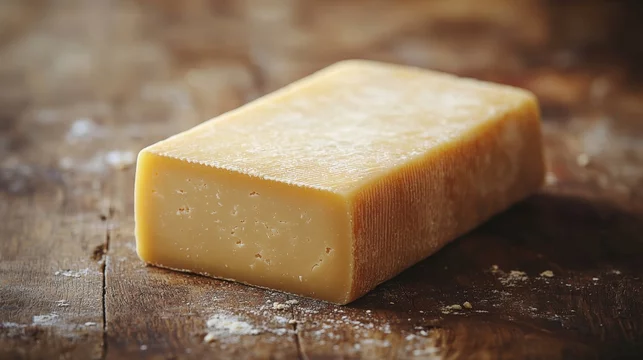
What is Ragusano?
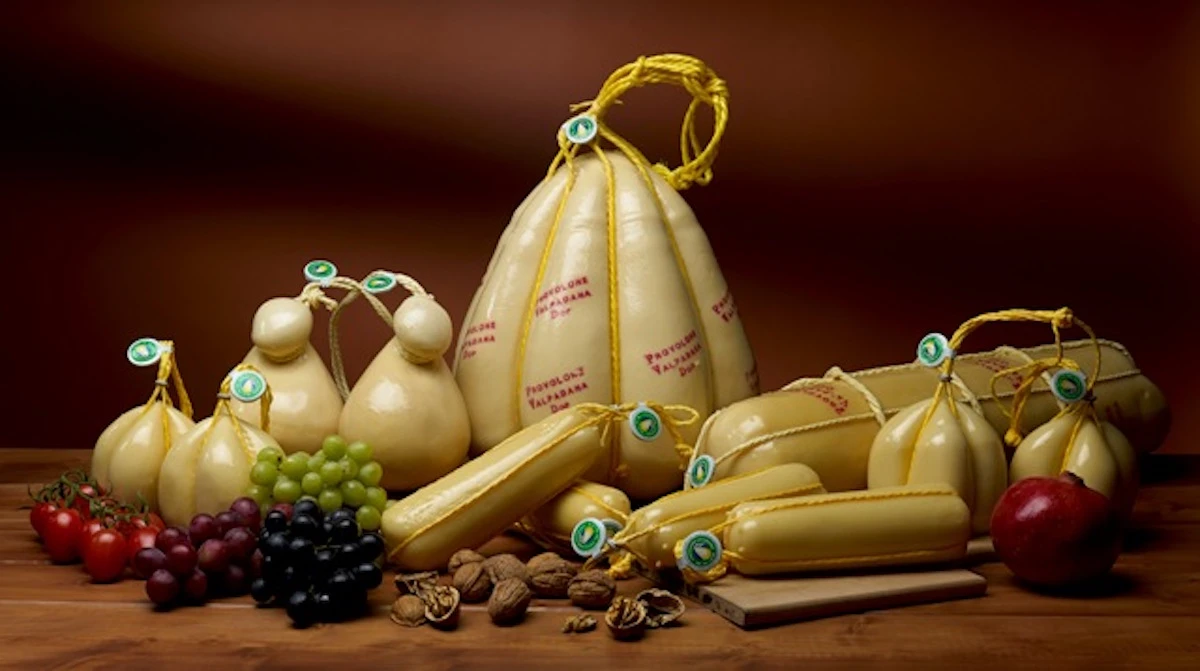
A stretched-curd cheese from southeastern Sicily, made exclusively from the milk of the indigenous Modicana cow breed. It is instantly recognisable by its rectangular brick shape, unique among Italian stretched-curd cheeses. Traditionally aged hanging from wooden beams. Produced in blocks of 10–16 kg and aged for a minimum of 3 months for table use, or 6 months for grating.
Taste, aroma, and texture
Texture
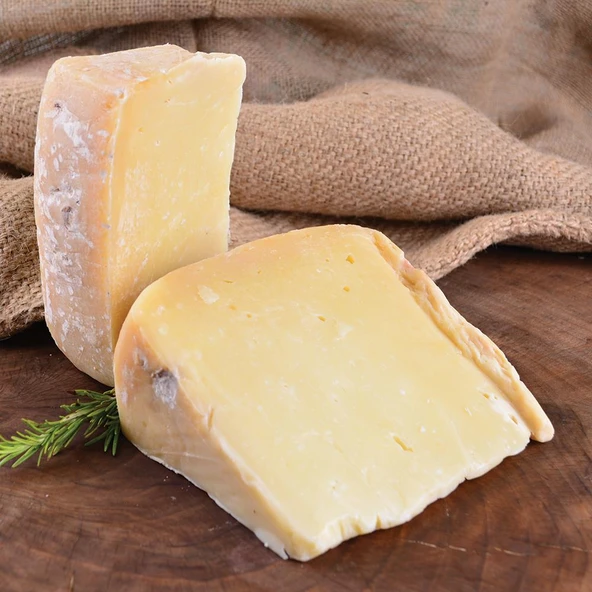
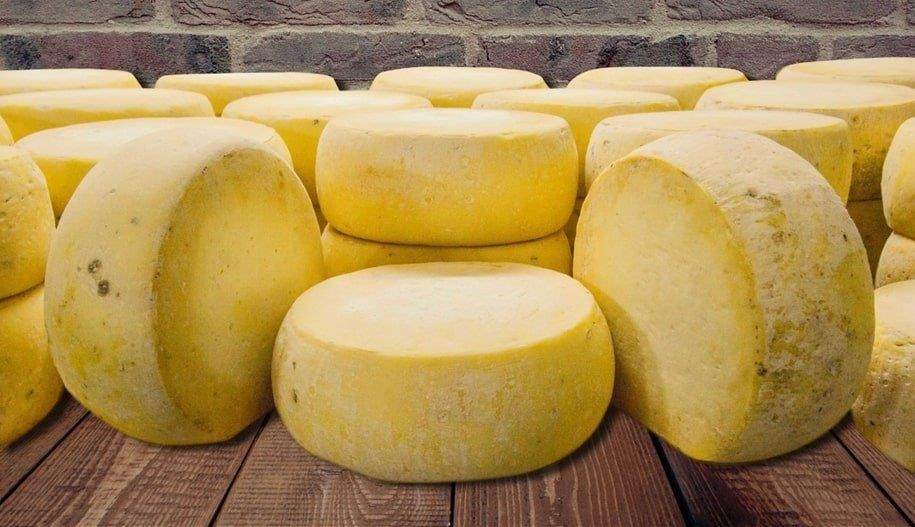
Hard, dense, and fibrous due to the stretched-curd production. Younger blocks are more supple; aged Ragusano becomes compact and crumbly, often developing fine flavour crystals. The rectangular brick shape is the key visual feature. Waxy golden rind. Blocks weigh 10–16 kg.
Aroma
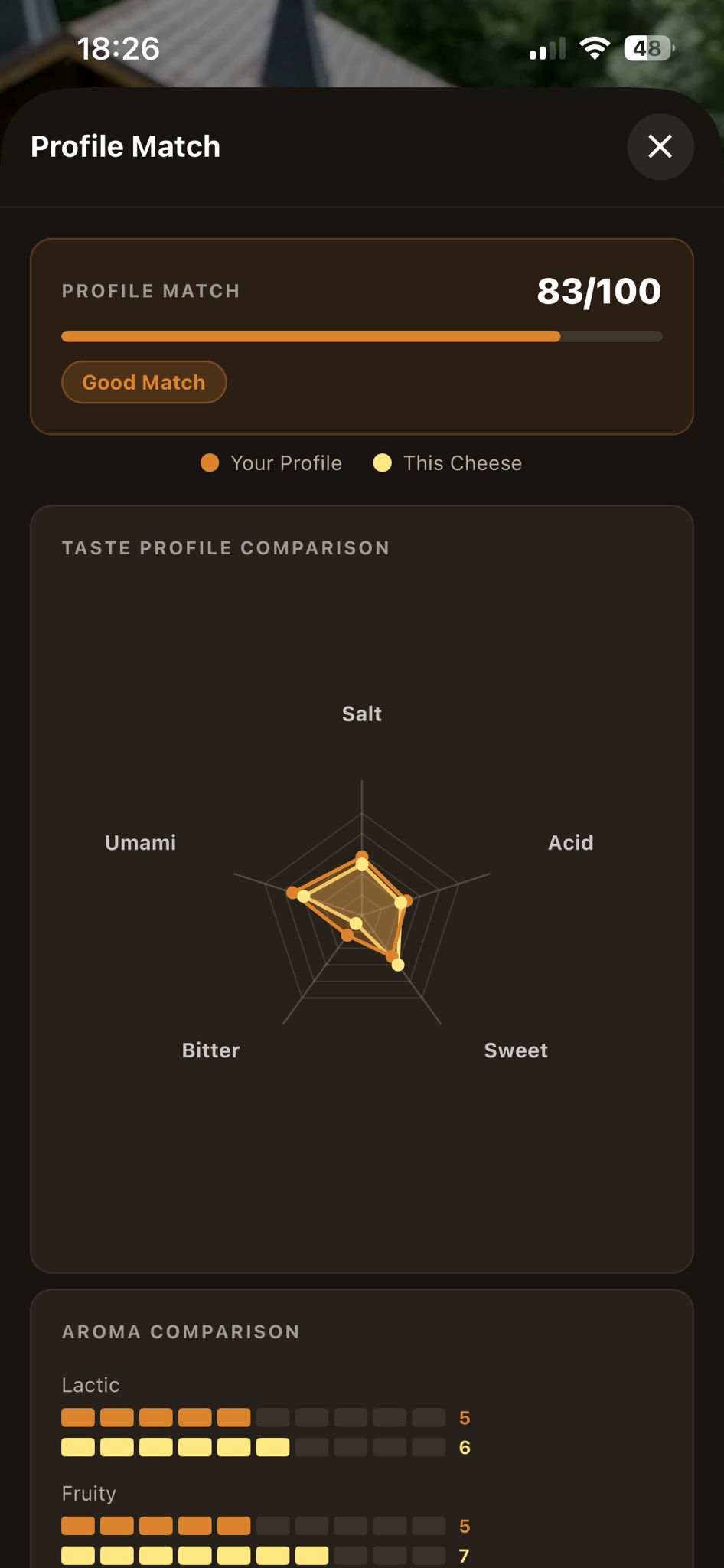
Lactic and earthy notes are equally dominant. Fruity, animal, and herbal notes are equally noticeable. Faint smoky nuances may come from traditional ageing environments, though smoke is not a dominant character. Complexity increases significantly with extended ageing.
Cheesepedia taste profile
These values are the structured baseline in the Cheesepedia app. Your personal match is calculated separately from your own taste profile.
How to enjoy it
- 01
Grated over pasta, soups, or vegetable dishes when aged.
- 02
Sliced into sandwiches or rustic cheese plates.
- 03
Melted into baked dishes, omelettes, or stuffed vegetables.
What pairs with Ragusano?
Classic serving companions from the Cheesepedia catalog.
- Celery Sticks
- Rye Bread
- Fresh Pears
- Walnuts
- Sesame Cracker
Story and origin
Documented since the 14th century, Ragusano was historically one of Sicily’s most valuable export products and was traded across the Mediterranean. The Modicana cattle breed and the traditions of southeastern Sicily’s Hyblaean plateau are central to its protected identity. It has held PDO status since 1996.
Storage and serving
- Store in the fridge, in brine or sealed packaging.
- Air travel: suitable only in leak-proof packaging.
Profile sources and methodology
This page uses the same curated record as the Cheesepedia mobile app. Production-style and designation references provide context; they do not imply endorsement of Cheesepedia.