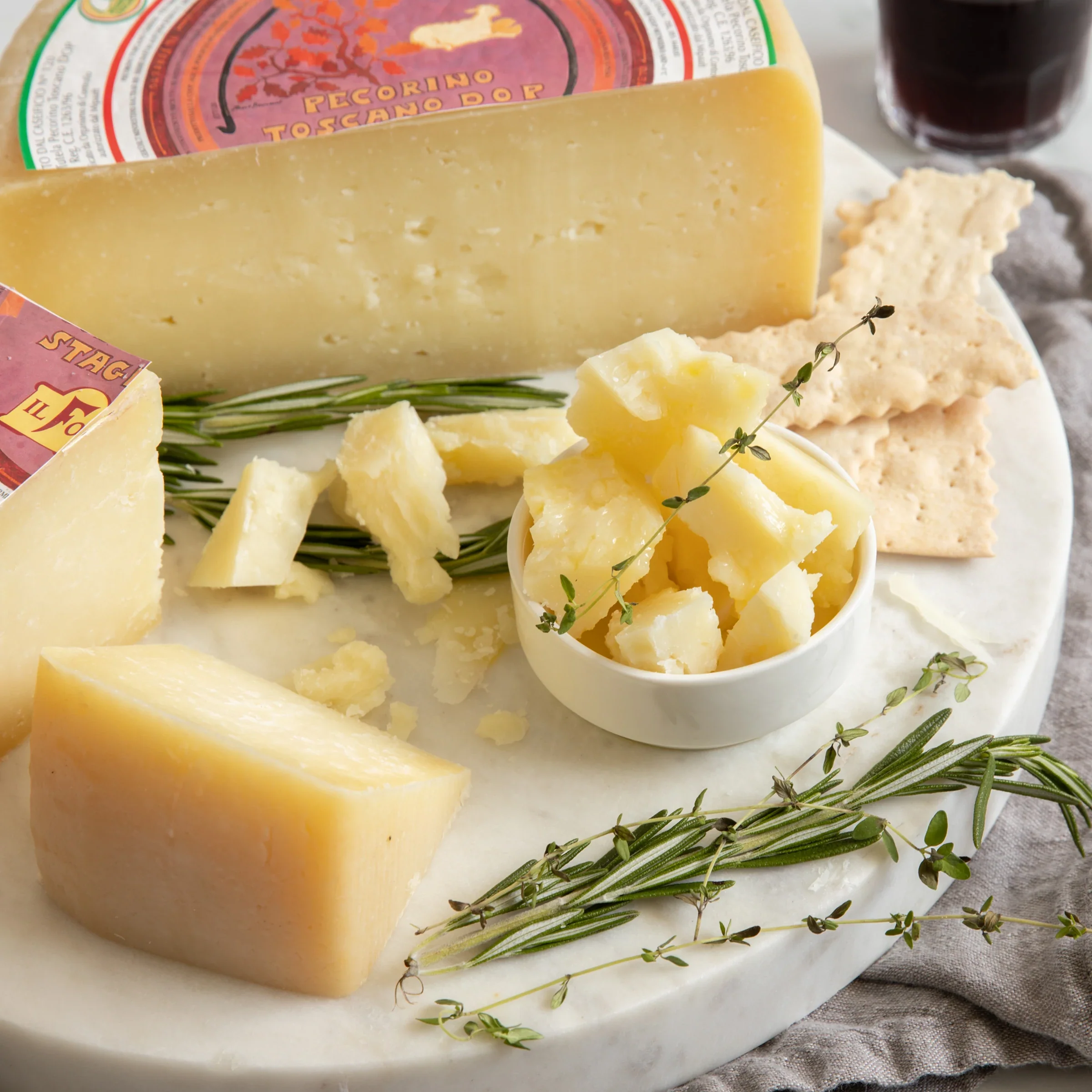
What is Pecorino Toscano?
A sheep’s milk cheese from Tuscany, with limited production also in parts of Lazio and Umbria. Produced in two stages: Fresco, aged for at least 20 days, is soft, delicate, and mild; Stagionato, aged for 4 months or more, is semi-hard with nutty, herbaceous, and lightly savoury complexity. Made in wheels of 750 g–3.5 kg.
Taste, aroma, and texture
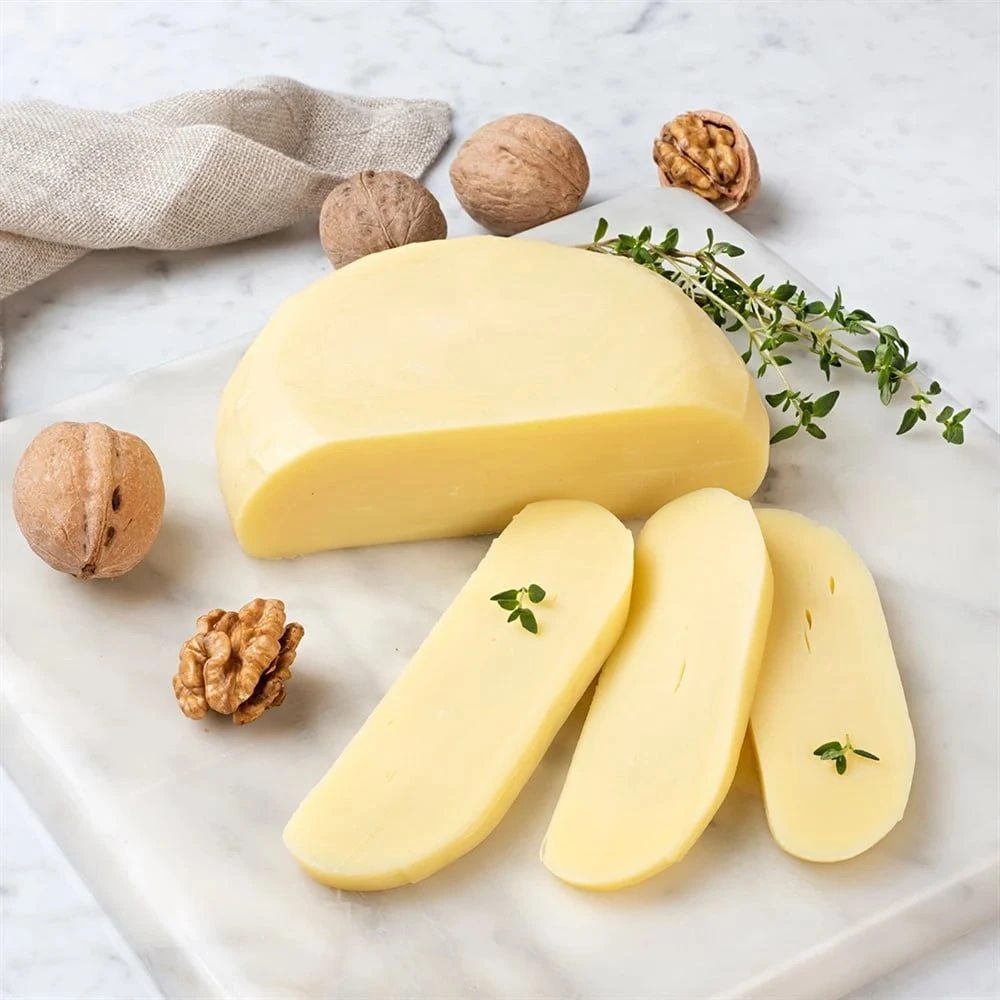
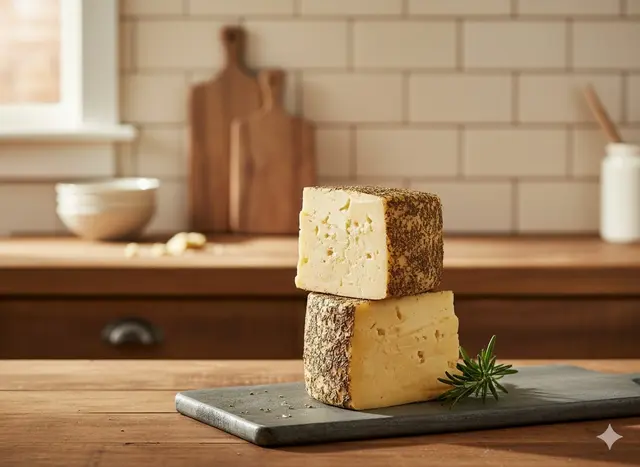
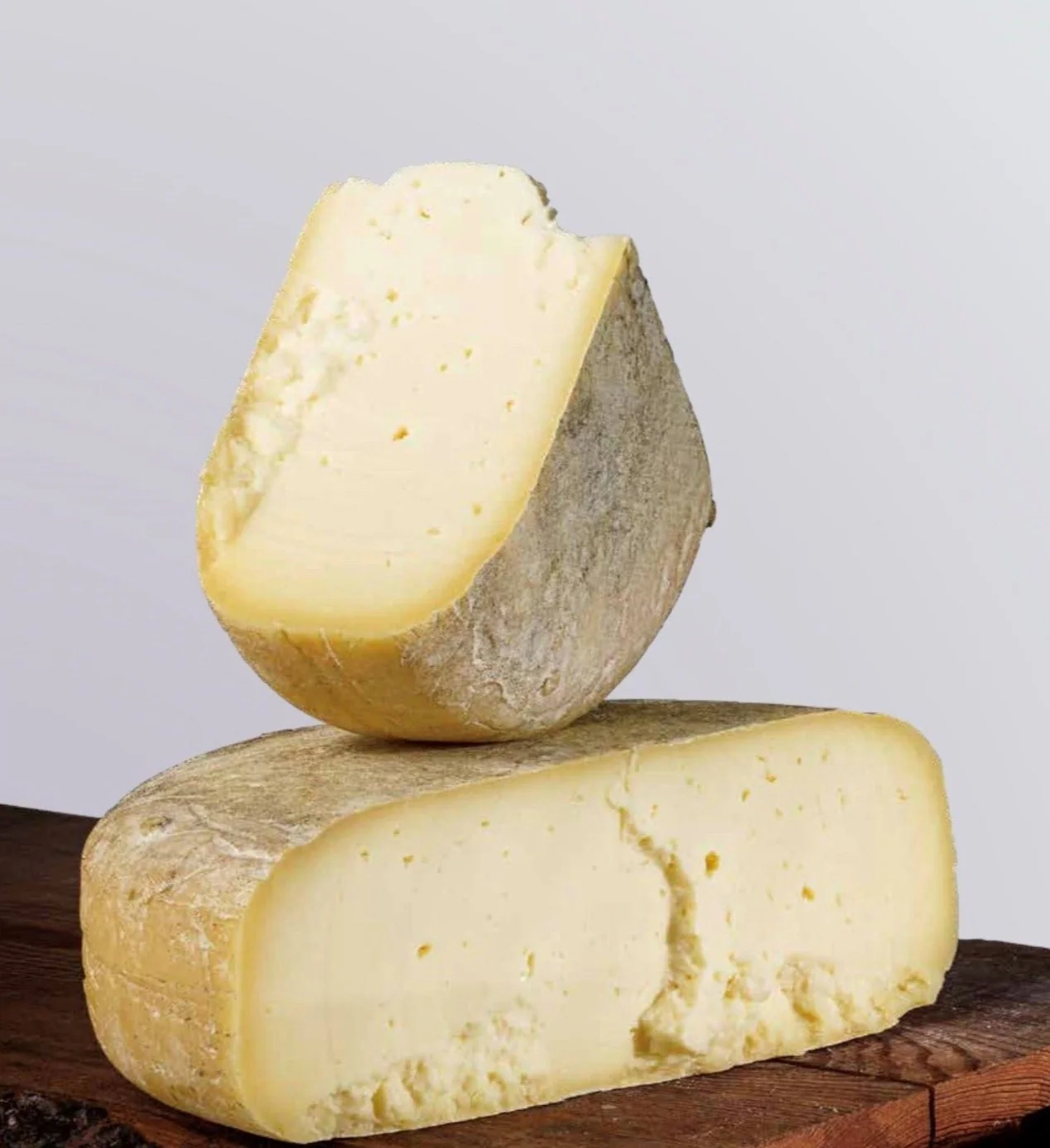
Fresco: soft and moist, with a thin pale rind and a smooth, slightly porous ivory interior. Stagionato: semi-hard and compact, becoming more crumbly with extended ageing. The natural rind deepens from pale golden to dark brown. Wheels weigh 750 g–3.5 kg.
Lactic, animal, and herbal notes are equally dominant. Earthy and fruity notes are equally noticeable. No smoky character. Fresco is delicate and milk-forward; Stagionato develops greater herbal and earthy complexity.
Cheesepedia taste profile
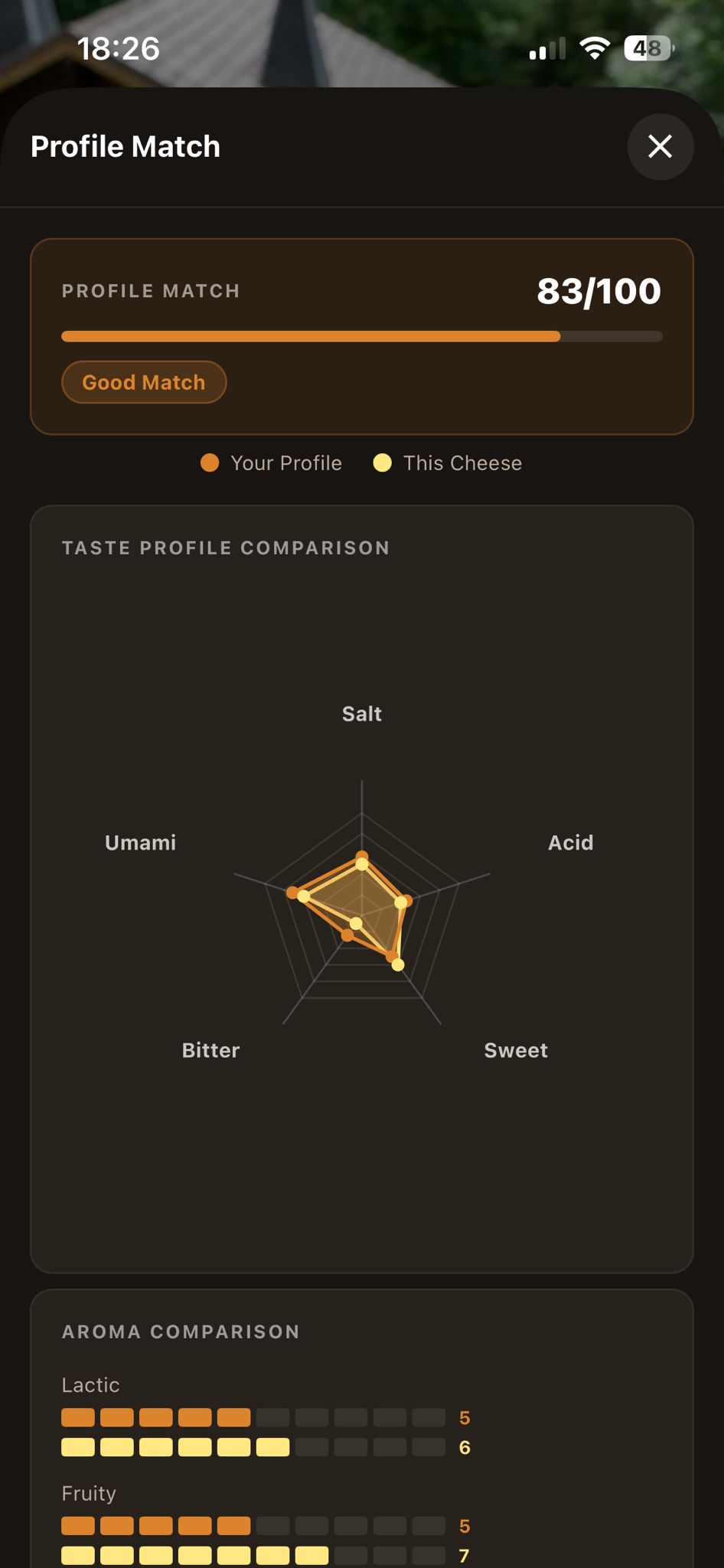
The values below are the structured baseline in the Cheesepedia app. Your personal match is calculated separately from your own taste profile.
A general profile can describe Pecorino Toscano, but it cannot know how closely the cheese fits your preferences. Cheesepedia Premium compares this profile with your personal taste profile and lets you evaluate cheeses side by side.
See your personal matchHow to enjoy it
- Sliced into cheese boards, sandwiches, or antipasti plates.
- Grated over pasta, soups, or vegetables when aged.
- Served with honey, nuts, or fresh fruit.
What pairs with Pecorino Toscano?
Classic serving companions from the Cheesepedia catalog.
- Fresh Figs
- Walnuts
- Honey
- Sourdough Bread
- Grissini
Find the right wine in Cheesepedia
Cheesepedia uses an expert-designed algorithm that compares the cheese's taste, intensity, and production profile with the wine's body, acidity, tannin, and sweetness. Wine pairings are not generated by AI.
See wine pairings for Pecorino ToscanoStory and origin
One of Tuscany’s most ancient cheeses, with evidence of production dating back to Etruscan and Roman times. It was documented by Pliny the Elder in his Natural History. The Tuscan hills and their diverse wild flora have shaped the cheese’s character for millennia. It has held PDO status since 1996.
Storage and serving
- Store in the fridge, sealed or in an airtight container.
- Air travel: not ideal; suitable only if sealed and kept cool.
Profile sources and methodology
This page uses the same curated record as the Cheesepedia mobile app. Production-style and designation references provide context; they do not imply endorsement of Cheesepedia.