What is Murazzano?
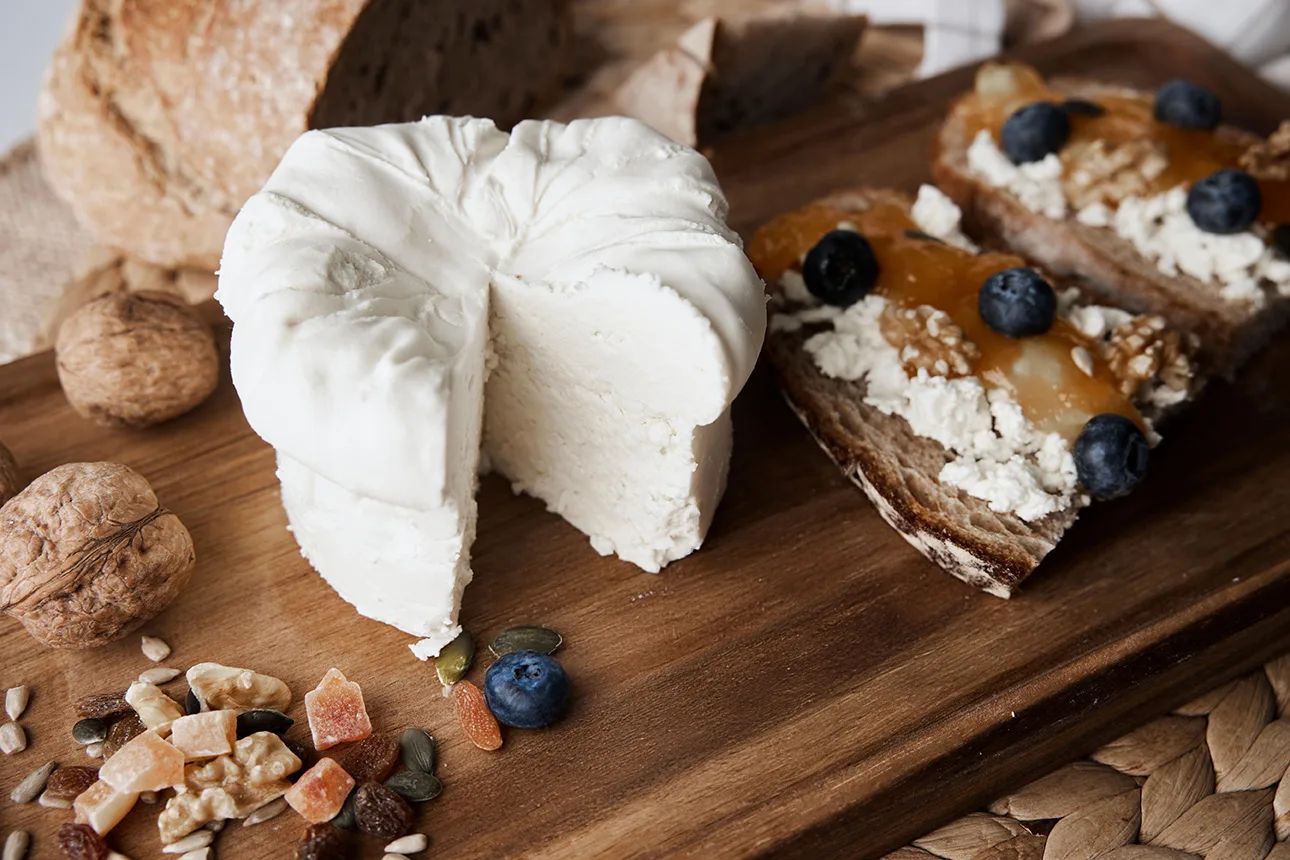
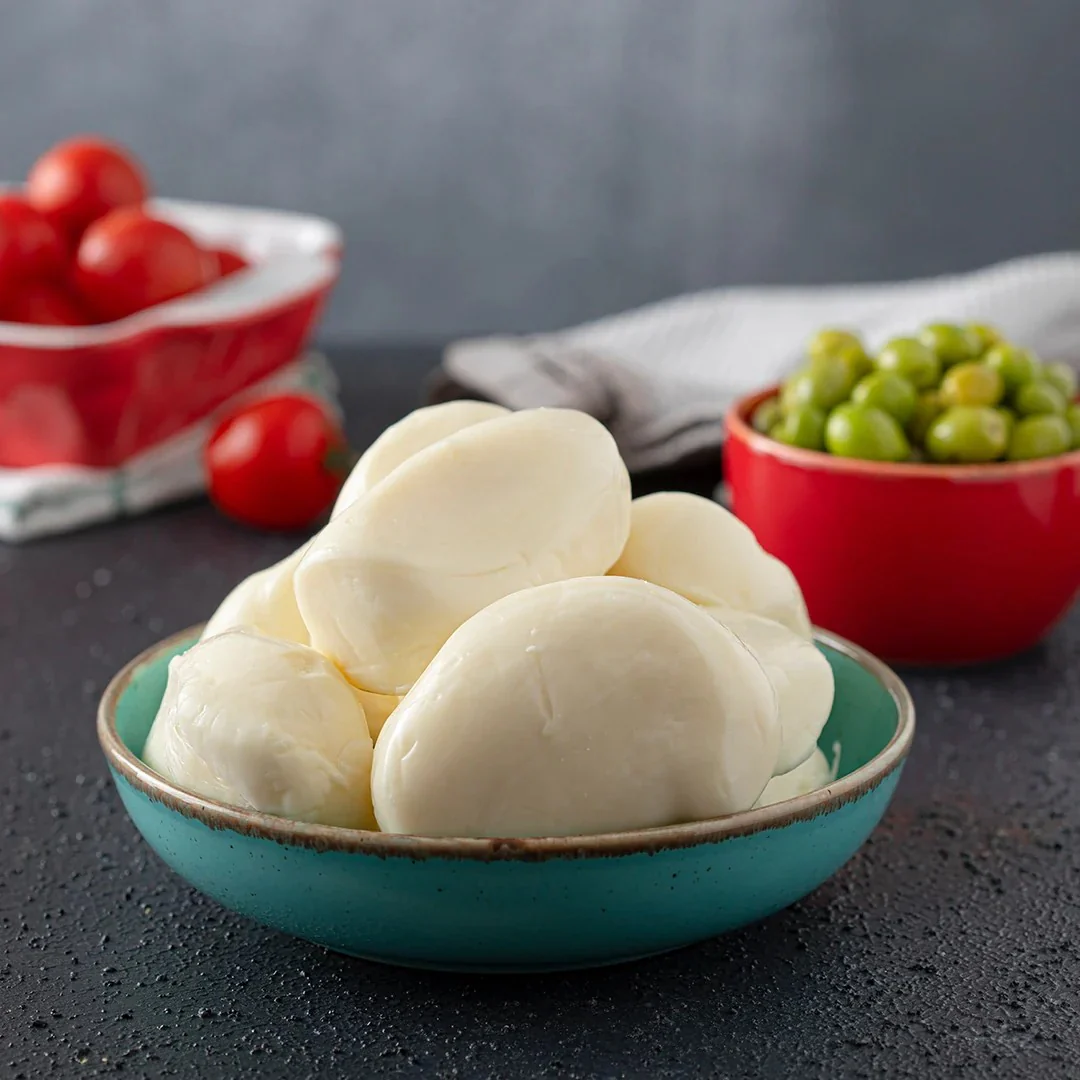
A small, delicate cheese from the Langhe hills of Piedmont, made from sheep’s milk, at least 60%, or from a sheep-cow blend. Produced in small cylinders weighing 100–400 g. Rindless or with a very thin bloom. Mild and milky when very young, developing a gentle lactic tang after a few weeks of ageing.
Taste, aroma, and texture
Texture
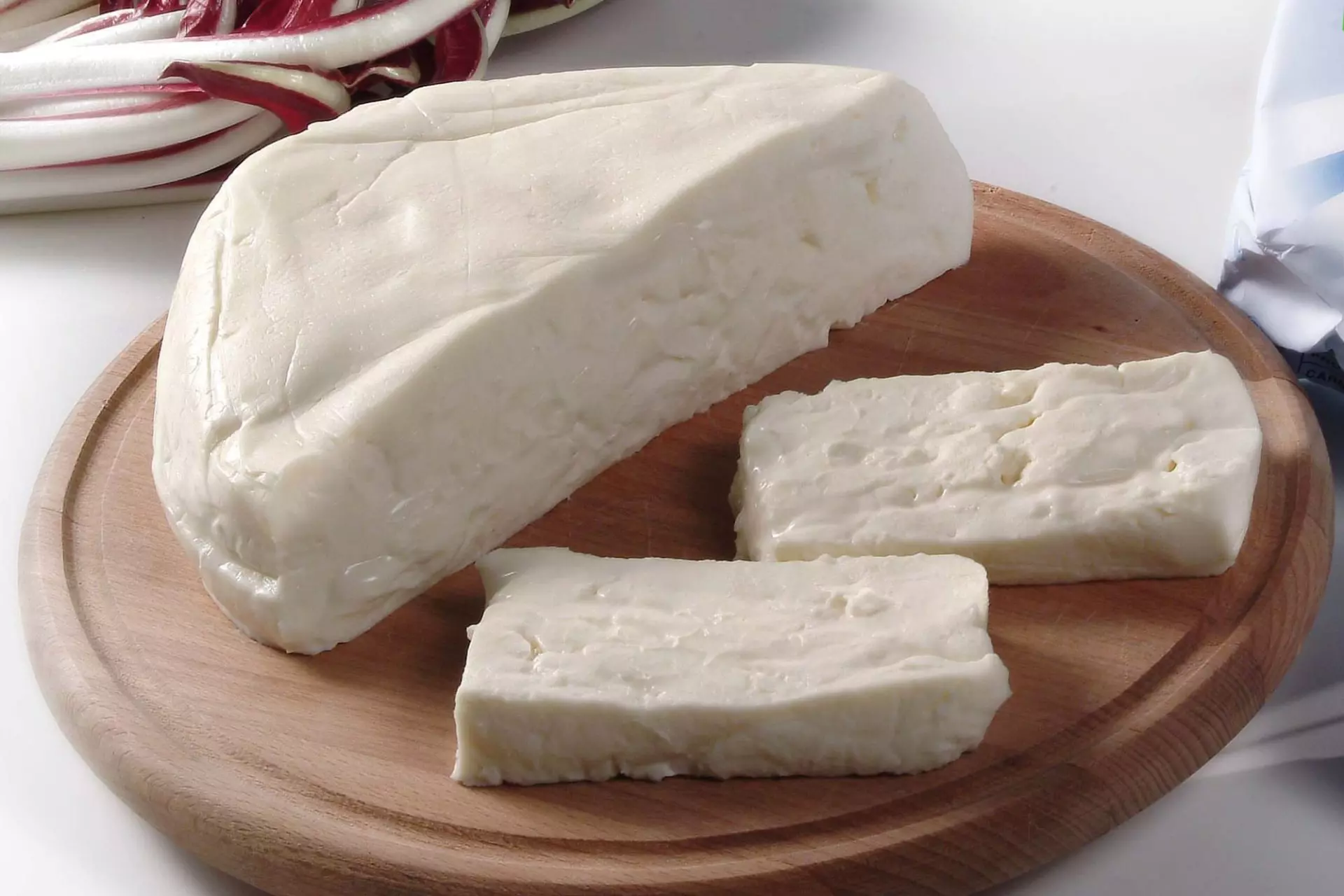
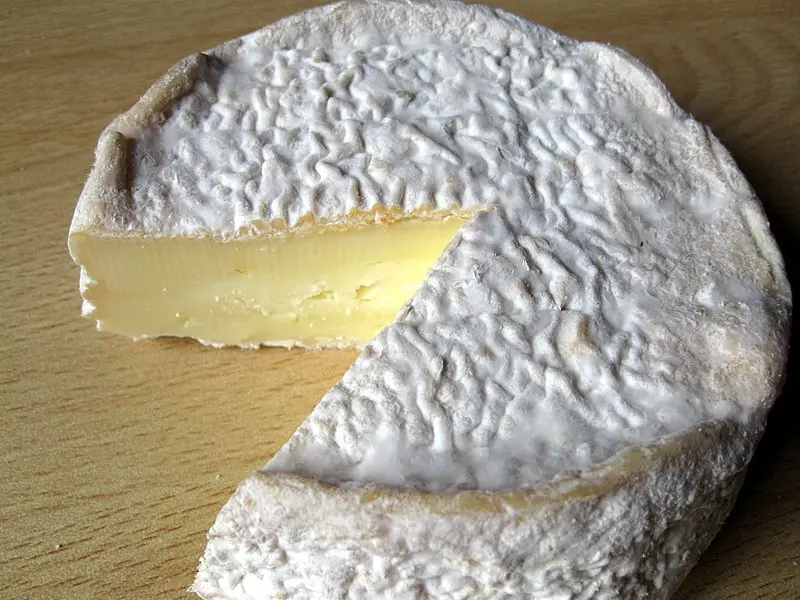
Soft, supple, and non-porous, with a remarkably silky mouthfeel. Usually rindless or with a very thin, translucent bloom that develops after a few days. The colour ranges from pure white to very pale ivory. Small cylinders weigh 100–400 g.
Aroma
Lactic notes are strongly dominant, very fresh and milky. Animal notes are present, while fruity and herbal notes remain faint. Earthy and smoky notes are barely perceptible. Subtle floral undertones come from the Langhe pastures.
Cheesepedia taste profile
These values are the structured baseline in the Cheesepedia app. Your personal match is calculated separately from your own taste profile.
How to enjoy it
- 01
Served fresh on small cheese boards.
- 02
Crumbled over salads, herbs, or roasted vegetables.
- 03
Spread on bread, crackers, or warm tartines.
What pairs with Murazzano?
Classic serving companions from the Cheesepedia catalog.
- Walnuts
- Dried Apricots
- Crusty Bread
- Lavash Chips
Story and origin
One of Piedmont’s oldest cheeses, rooted in the Langhe hills for several centuries. Traditionally produced on small farms by women during spring and summer, when sheep’s milk was most available. One of the most historically documented local cheeses of Piedmont. It has held PDO status since 1996.
Storage and serving
- Store in the fridge, sealed or in an airtight container.
- Air travel: not ideal; suitable only if sealed and kept cool.
Profile sources and methodology
This page uses the same curated record as the Cheesepedia mobile app. Production-style and designation references provide context; they do not imply endorsement of Cheesepedia.