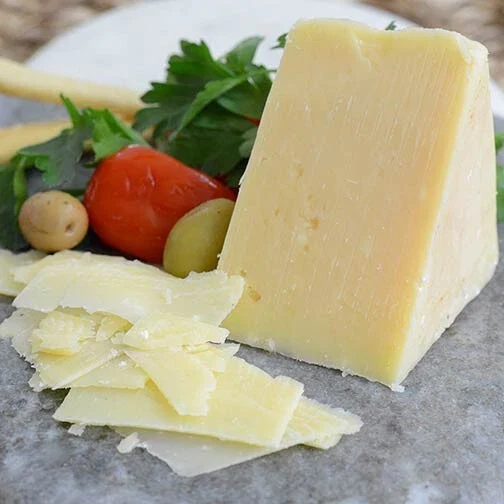
What is Pecorino Romano?
A hard granular sheep’s milk cheese made in Sardinia, Lazio, and the province of Grosseto in Tuscany. One of Italy’s oldest and most assertive cheeses, intensely salty, sharp, and slightly peppery. Produced in wheels of 20–35 kg and aged for a minimum of 5 months for table use, or 8 months for grating. A staple ingredient in Roman cuisine, including cacio e pepe, carbonara, and amatriciana.
Taste, aroma, and texture
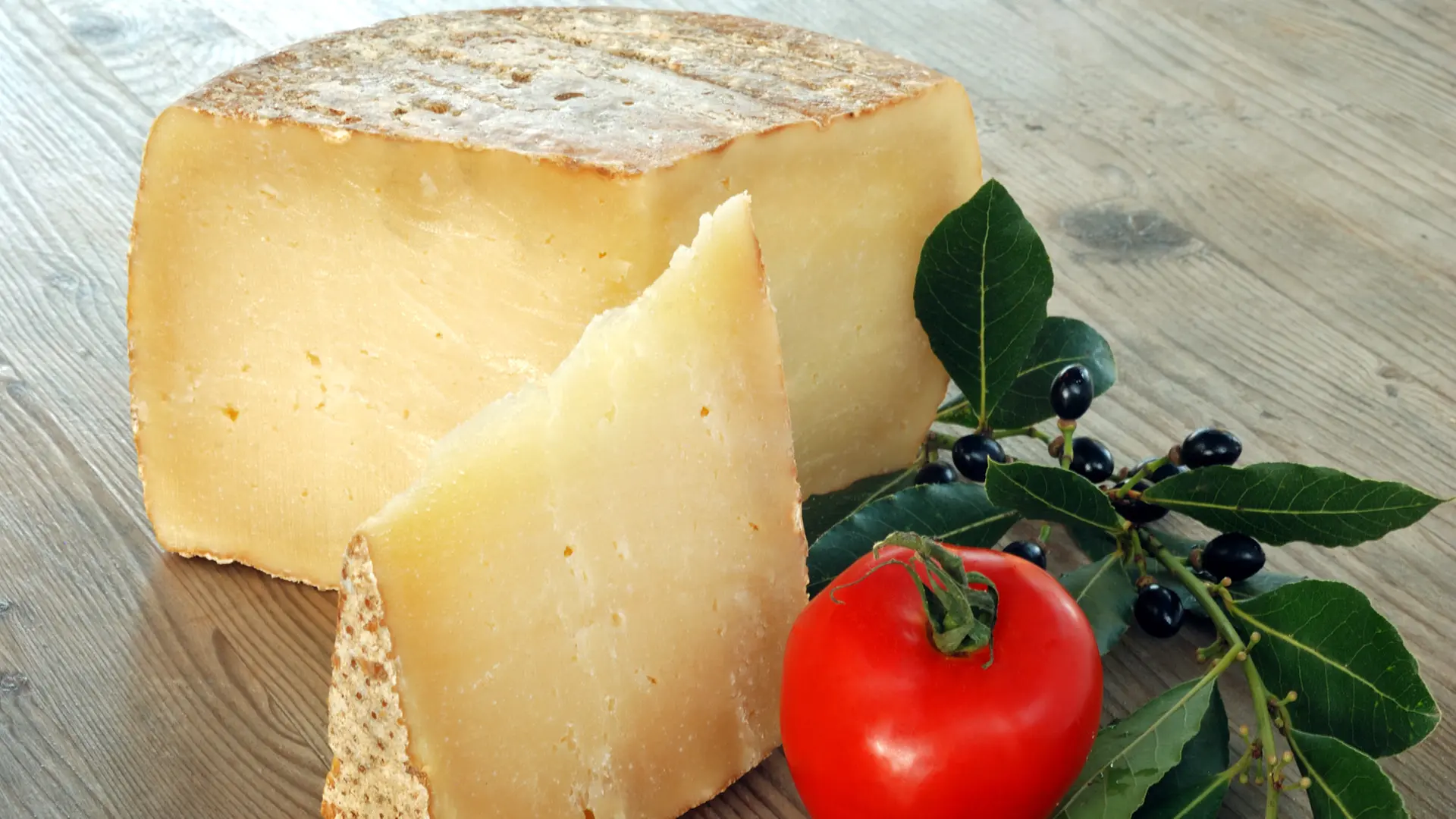
Hard and compact, with a dry, crumbly, granular paste. White to pale ivory interior with visible protein crystals at longer ages. The natural rind is hard and dark, often black-waxed in traditional production. Wheels weigh 20–35 kg. The essential grating cheese for Roman pasta dishes.
Animal notes are dominant, with aged sheep’s milk lanolin character. Herbal and earthy notes are equally strong. Lactic notes are present, while fruity notes remain faint. No smoky character. Intense, assertive, and complex — one of Italy’s most powerful aromatic profiles.
Cheesepedia taste profile
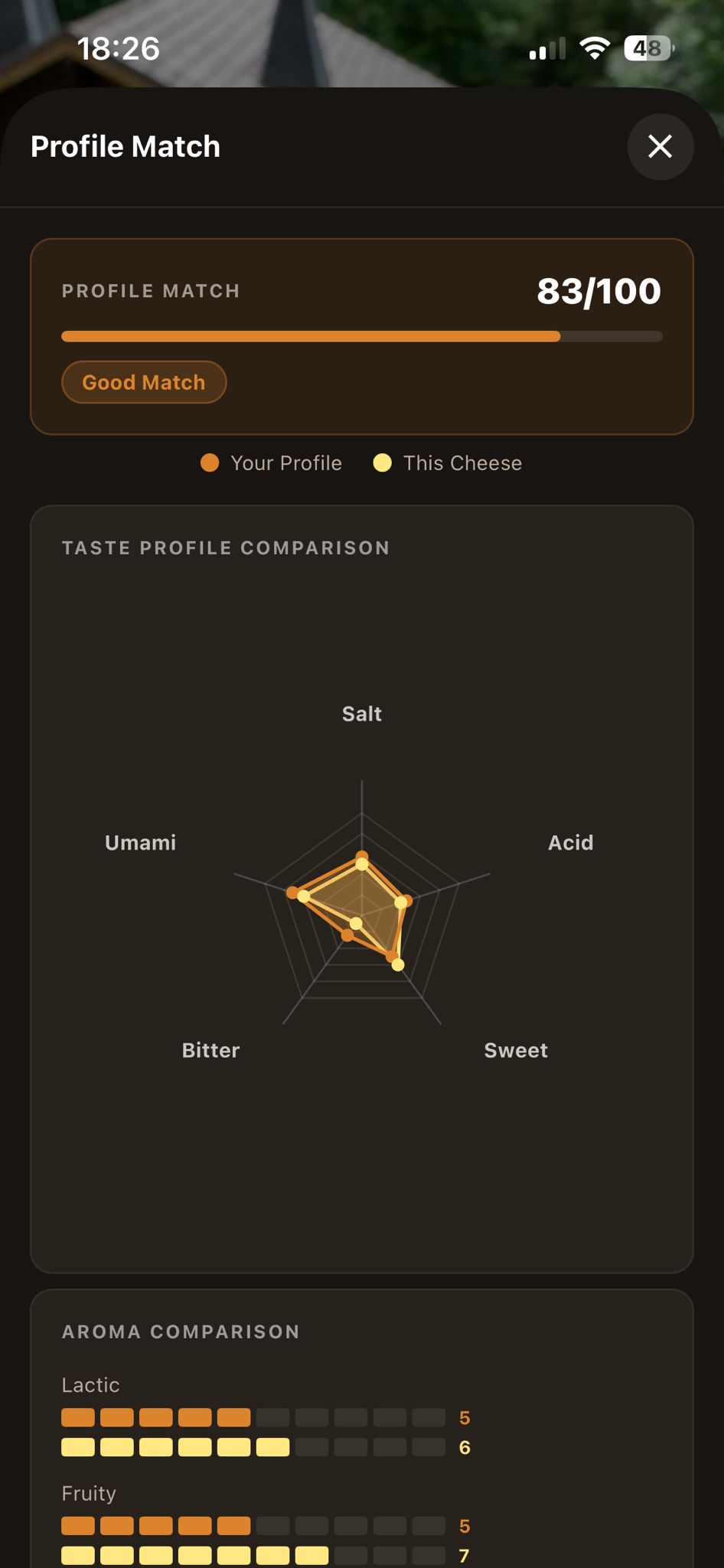
The values below are the structured baseline in the Cheesepedia app. Your personal match is calculated separately from your own taste profile.
A general profile can describe Pecorino Romano, but it cannot know how closely the cheese fits your preferences. Cheesepedia Premium compares this profile with your personal taste profile and lets you evaluate cheeses side by side.
See your personal matchHow to enjoy it
- Grated over pasta dishes such as cacio e pepe.
- Used in savoury fillings, meatballs, or baked dishes.
- Shaved over salads, vegetables, or soups.
What pairs with Pecorino Romano?
Classic serving companions from the Cheesepedia catalog.
- Fresh Figs
- Walnuts
- Sourdough Bread
- Honey
- Breadstick
Find the right wine in Cheesepedia
Cheesepedia uses an expert-designed algorithm that compares the cheese's taste, intensity, and production profile with the wine's body, acidity, tannin, and sweetness. Wine pairings are not generated by AI.
See wine pairings for Pecorino RomanoStory and origin
One of Italy’s oldest cheeses, with documented production dating back over 2,000 years. It was a staple food of Roman legions and was included in soldiers’ daily rations at 27 grams per soldier per day. Mentioned by Pliny the Elder, Columella, and Varro. The centre of production shifted from Lazio to Sardinia in the 19th century due to hygiene regulations restricting salt usage in Rome. It has held PDO status since 1996.
Storage and serving
- Store in the fridge, wrapped or vacuum-packed.
- Air travel: suitable, especially if vacuum-packed.
Profile sources and methodology
This page uses the same curated record as the Cheesepedia mobile app. Production-style and designation references provide context; they do not imply endorsement of Cheesepedia.