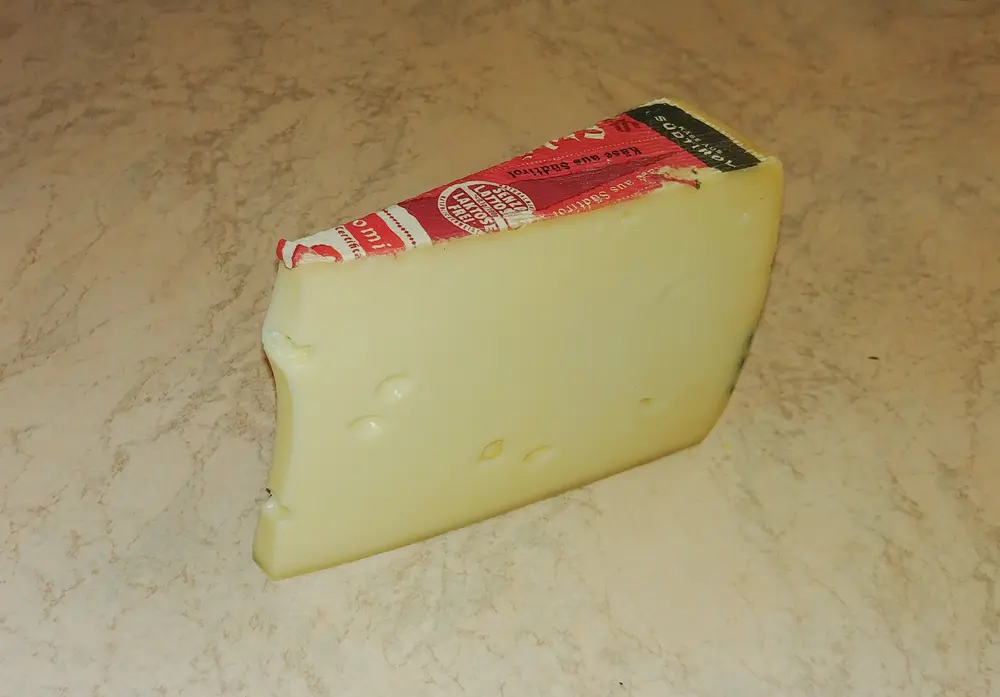
What is Stelvio / Stilfser?
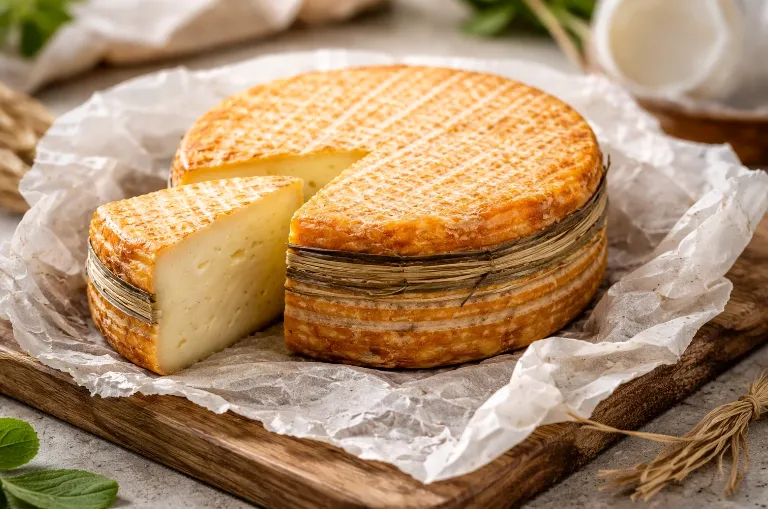
A semi-soft washed-rind cheese from South Tyrol (Alto Adige), produced from raw or pasteurised cow’s milk in wheels of 8–10 kg. The orange-brown rind develops through regular brine washing during ageing. Aged for a minimum of 60 days. Produced in a bilingual region and sold as Stelvio in Italian and Stilfser in German.
Taste, aroma, and texture
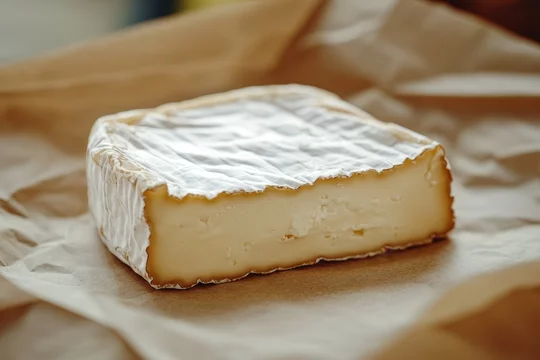
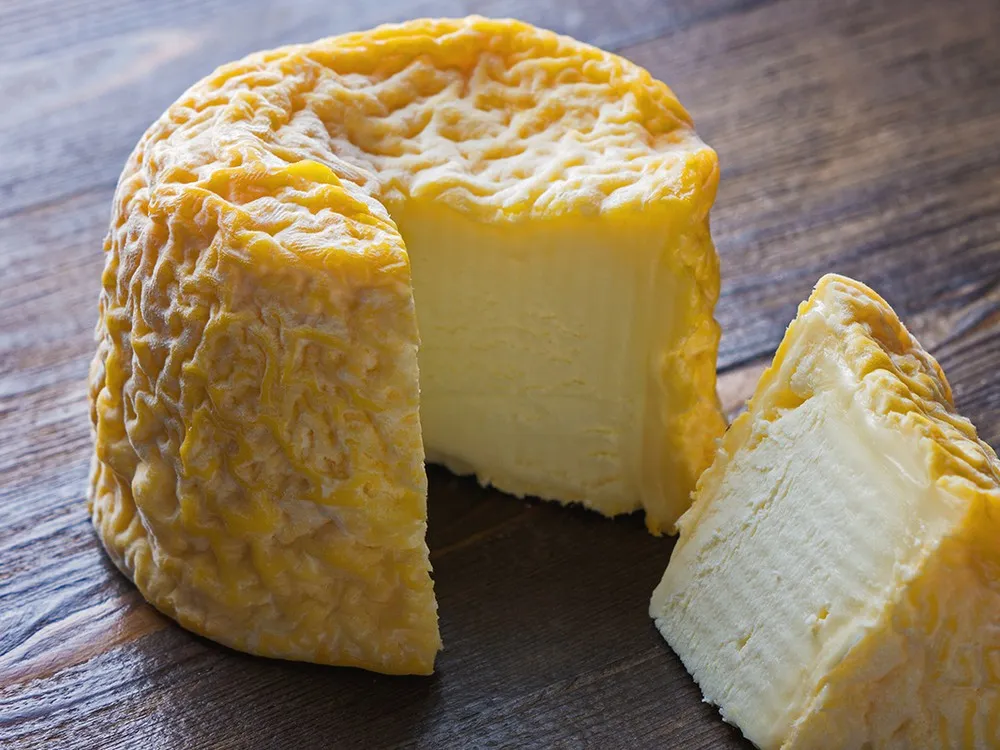
Semi-hard, supple, and smooth, with a straw-yellow interior and small irregular eyes. The orange-brown washed rind is slightly moist and sticky. High fat content gives it excellent melting properties. Wheels weigh 8–10 kg.
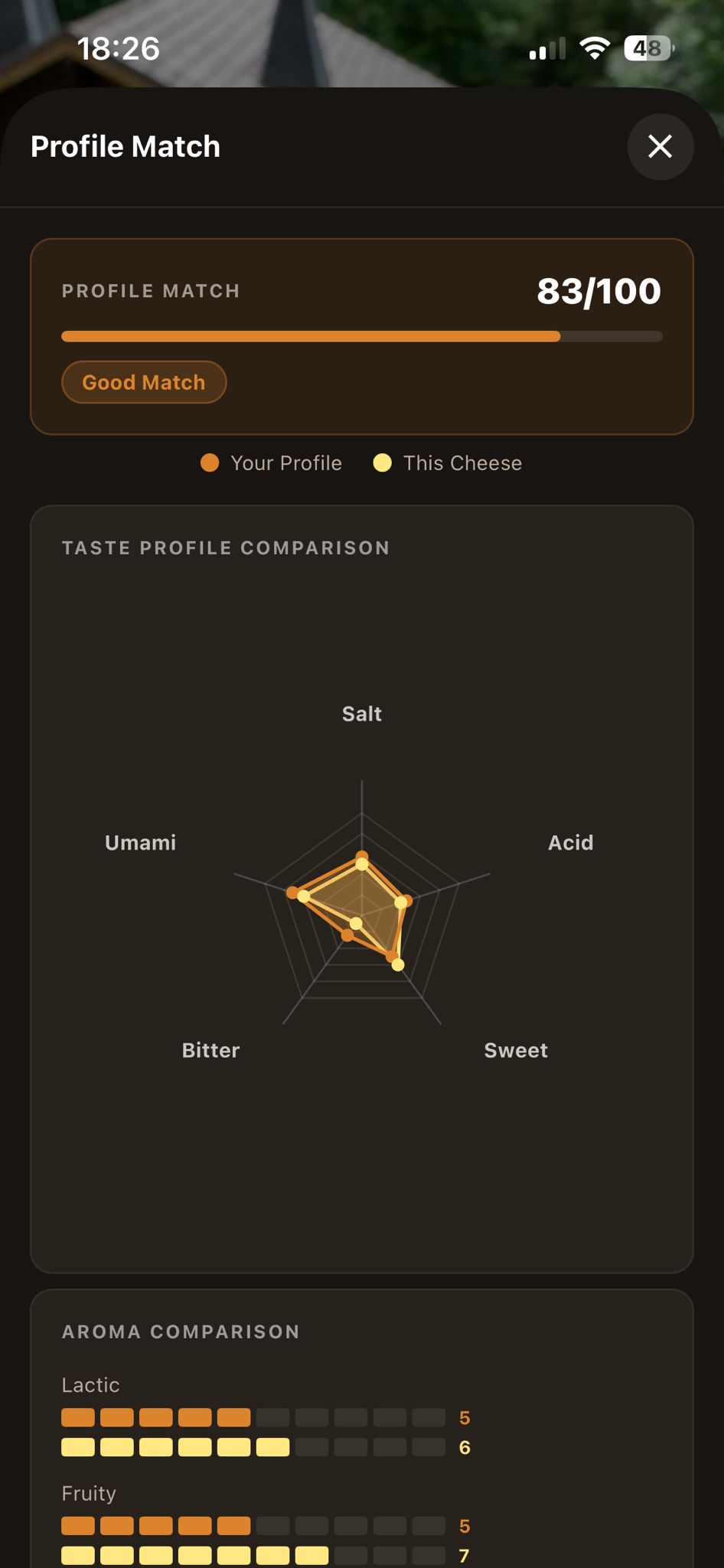
Lactic and herbal notes are equally dominant. Earthy and animal notes are equally strong, with fruity notes also noticeable. No smoky character. A complex, rounded bouquet shaped by the washed-rind process and alpine milk character.
Cheesepedia taste profile
The values below are the structured baseline in the Cheesepedia app. Your personal match is calculated separately from your own taste profile.
A general profile can describe Stelvio / Stilfser, but it cannot know how closely the cheese fits your preferences. Cheesepedia Premium compares this profile with your personal taste profile and lets you evaluate cheeses side by side.
See your personal matchHow to enjoy it
- Melted into dumplings, gratins, or alpine casseroles.
- Served in slices on strong cheese boards.
- Used in sauces for potatoes, mushrooms, or vegetables.
What pairs with Stelvio / Stilfser?
Classic serving companions from the Cheesepedia catalog.
- Rye Bread
- Intense Floral Honey
- Roasted Almonds
- Grapes or Quince Paste
- Butter Cracker
Find the right wine in Cheesepedia
Cheesepedia uses an expert-designed algorithm that compares the cheese's taste, intensity, and production profile with the wine's body, acidity, tannin, and sweetness. Wine pairings are not generated by AI.
See wine pairings for Stelvio / StilfserStory and origin
Produced in the Stelvio area of South Tyrol since the 19th century, drawing on long alpine cheesemaking traditions shared between Italian and Austrian-German dairy cultures. The bilingual name reflects the region’s cultural duality. It has held PDO status since 2007.
Storage and serving
- Store in the fridge, wrapped and kept in a separate container.
- Air travel: suitable only if well sealed and kept cold.
Profile sources and methodology
This page uses the same curated record as the Cheesepedia mobile app. Production-style and designation references provide context; they do not imply endorsement of Cheesepedia.