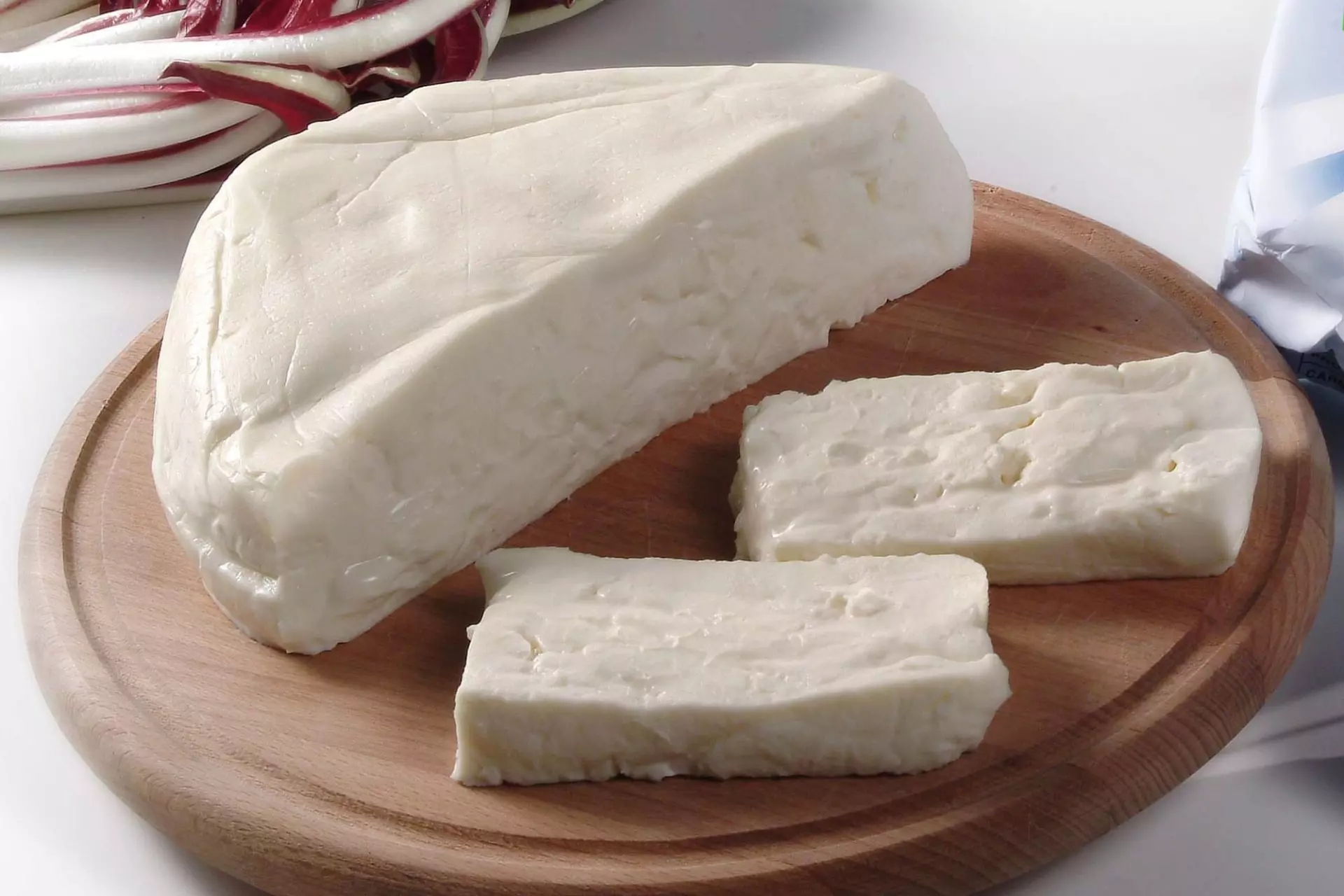
What is Casatella Trevigiana?
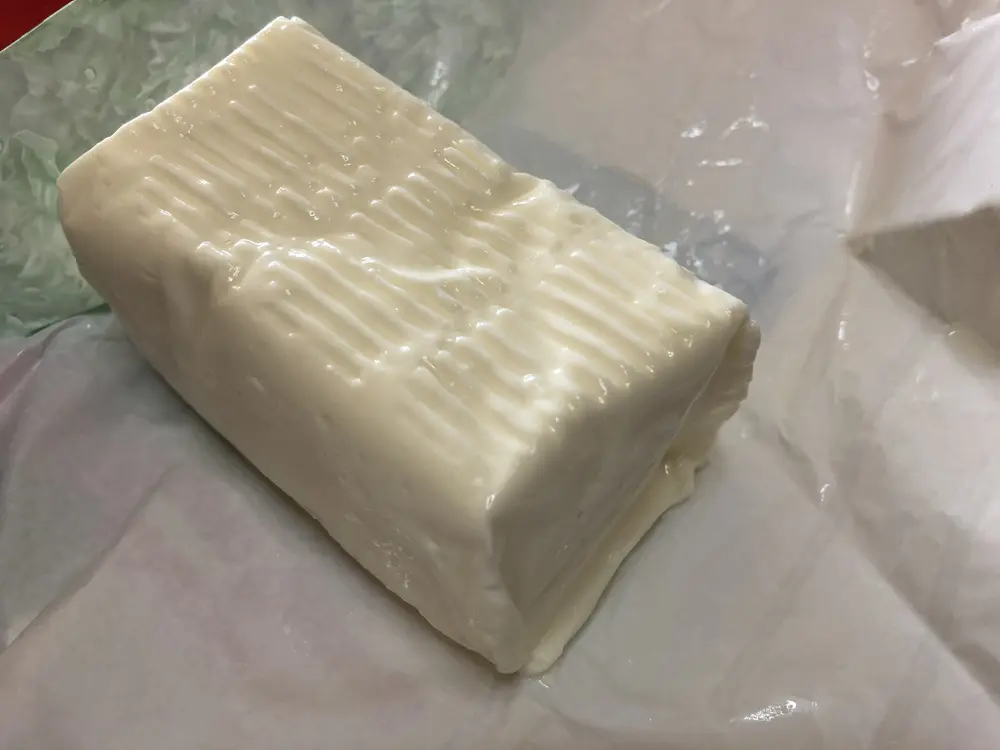
A delicate fresh soft cheese from the Treviso area of Veneto, made from whole cow’s milk. Produced in two sizes — small (100–300 g) and large (300 g–2 kg). Smooth, spreadable, and rindless. Aged for a minimum of 2 days for the small size and 4 days for the large size, making it one of Italy’s shortest-aged PDO cheeses.
Taste, aroma, and texture
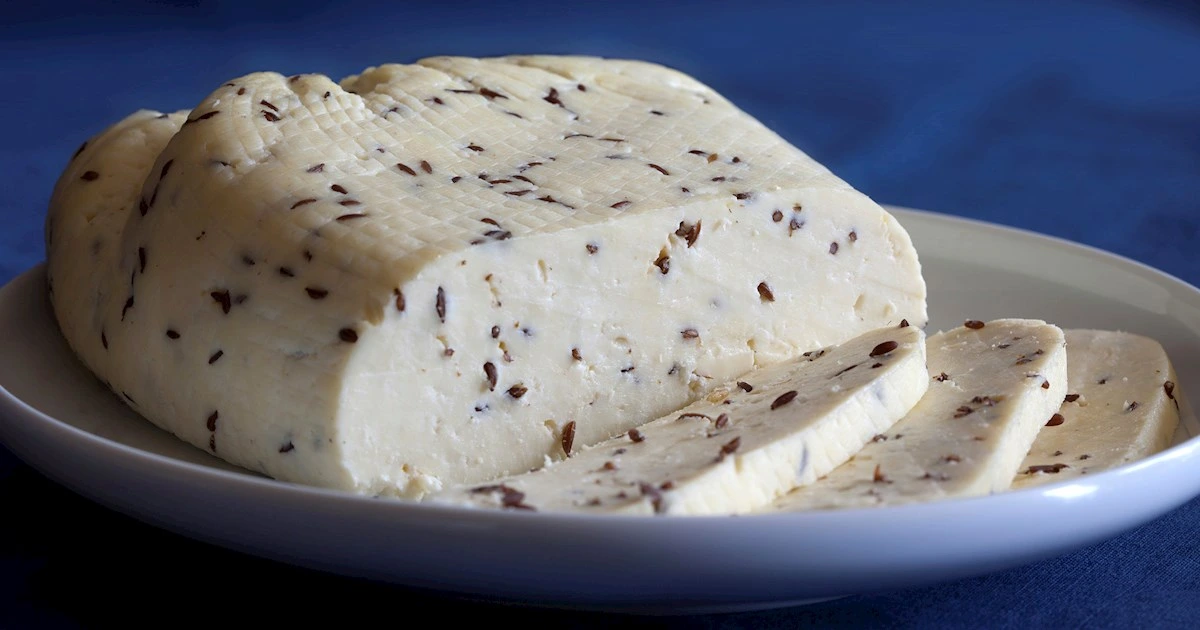
Soft, moist, and gelatinous, with a remarkably smooth and silky interior. Spreadable and melts almost instantly on the palate. Rindless and pure white. Its soft, almost liquid consistency at room temperature is its hallmark.
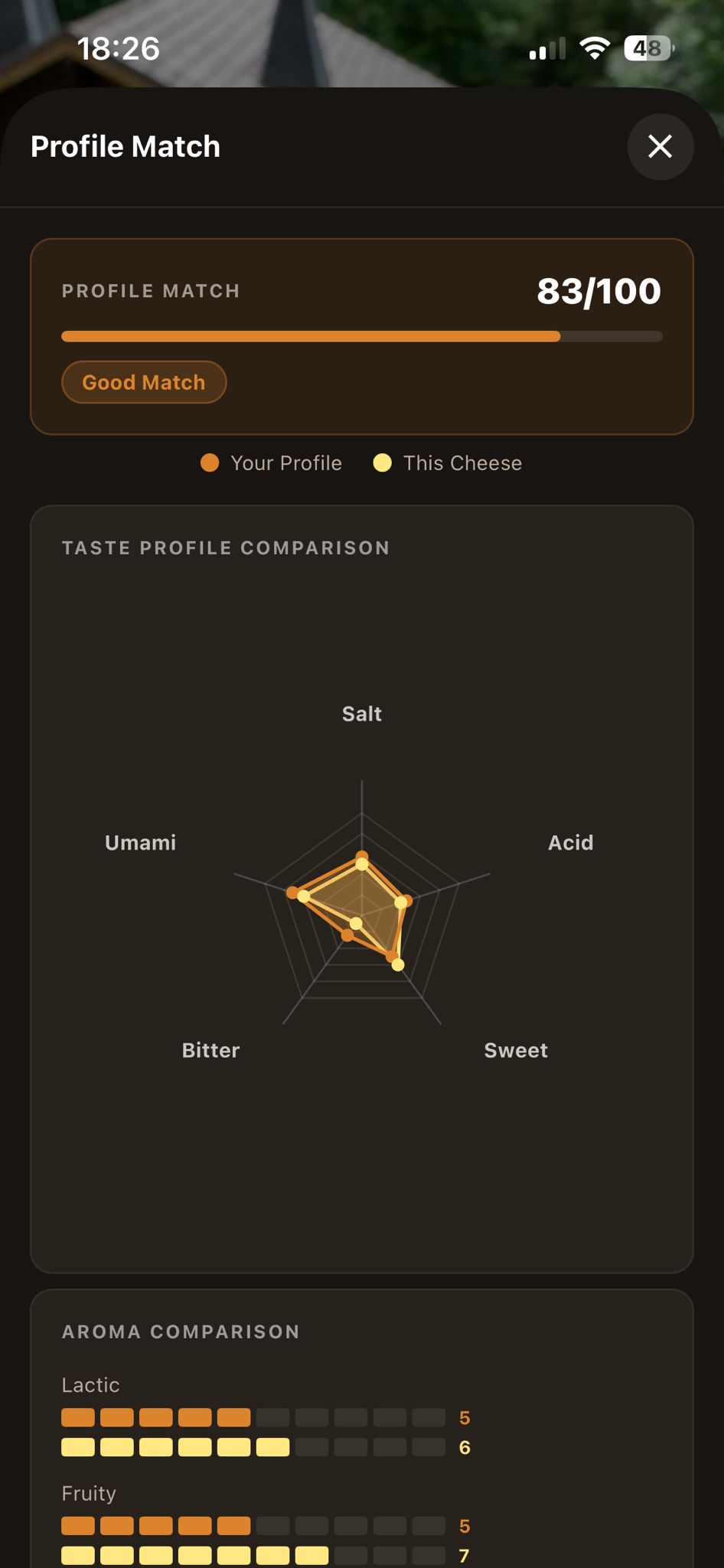
Lactic notes are strongly dominant, among the freshest and most purely milky aromas of any Italian cheese. Fruity, animal, herbal, earthy, and smoky notes are all barely perceptible. Clean and dairy-forward.
Cheesepedia taste profile
The values below are the structured baseline in the Cheesepedia app. Your personal match is calculated separately from your own taste profile.
A general profile can describe Casatella Trevigiana, but it cannot know how closely the cheese fits your preferences. Cheesepedia Premium compares this profile with your personal taste profile and lets you evaluate cheeses side by side.
See your personal matchHow to enjoy it
- Spread on bread, crackers, or soft rolls.
- Used in sandwiches, piadina-style wraps, or cold appetisers.
- Added to creamy fillings, dips, or light savoury pastries.
What pairs with Casatella Trevigiana?
Classic serving companions from the Cheesepedia catalog.
- Salted Cracker
- Butter Cracker
- Mini Sesame Bagel
- Grissini
- Olive Cracker
- Tortilla Chips
Find the right wine in Cheesepedia
Cheesepedia uses an expert-designed algorithm that compares the cheese's taste, intensity, and production profile with the wine's body, acidity, tannin, and sweetness. Wine pairings are not generated by AI.
See wine pairings for Casatella TrevigianaStory and origin
A traditional farmhouse cheese from the Treviso area of Veneto, with roots stretching back several centuries. The name likely derives from casa, meaning “home,” reflecting its artisanal household origins. Historically consumed fresh within days of production. It has held PDO status since 2008.
Storage and serving
- Store in the fridge, in brine or sealed packaging.
- Air travel: suitable only in leak-proof packaging.
Profile sources and methodology
This page uses the same curated record as the Cheesepedia mobile app. Production-style and designation references provide context; they do not imply endorsement of Cheesepedia.