What is Ricotta?
A fresh whey cheese produced throughout Italy. The name means “recooked” (ri-cotta), referring to the double-heating process: whey left over from cheesemaking is reheated until the remaining proteins precipitate. Made from sheep’s, cow’s, goat’s, or buffalo whey, or mixtures of these. Light, grainy, and delicately sweet. Generic ricotta is not PDO, though Ricotta Romana and Ricotta di Bufala Campana are PDO-protected varieties.
Taste, aroma, and texture
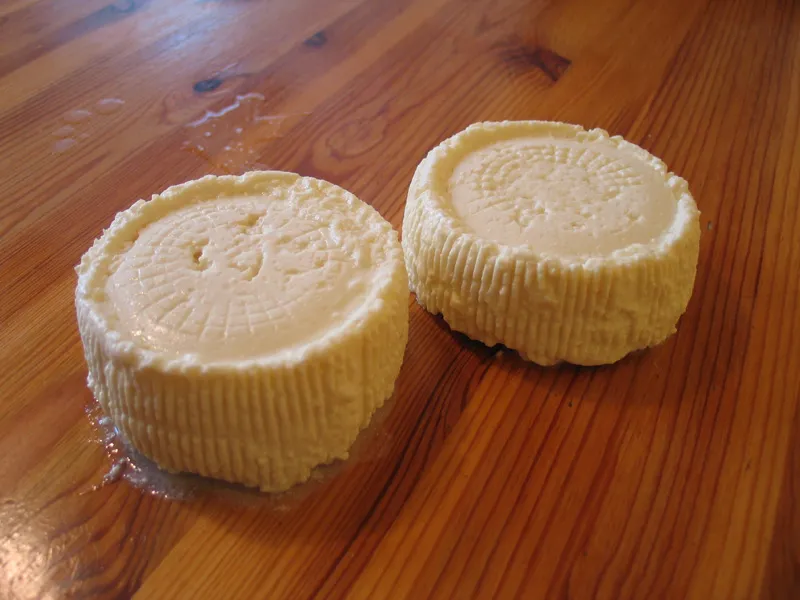
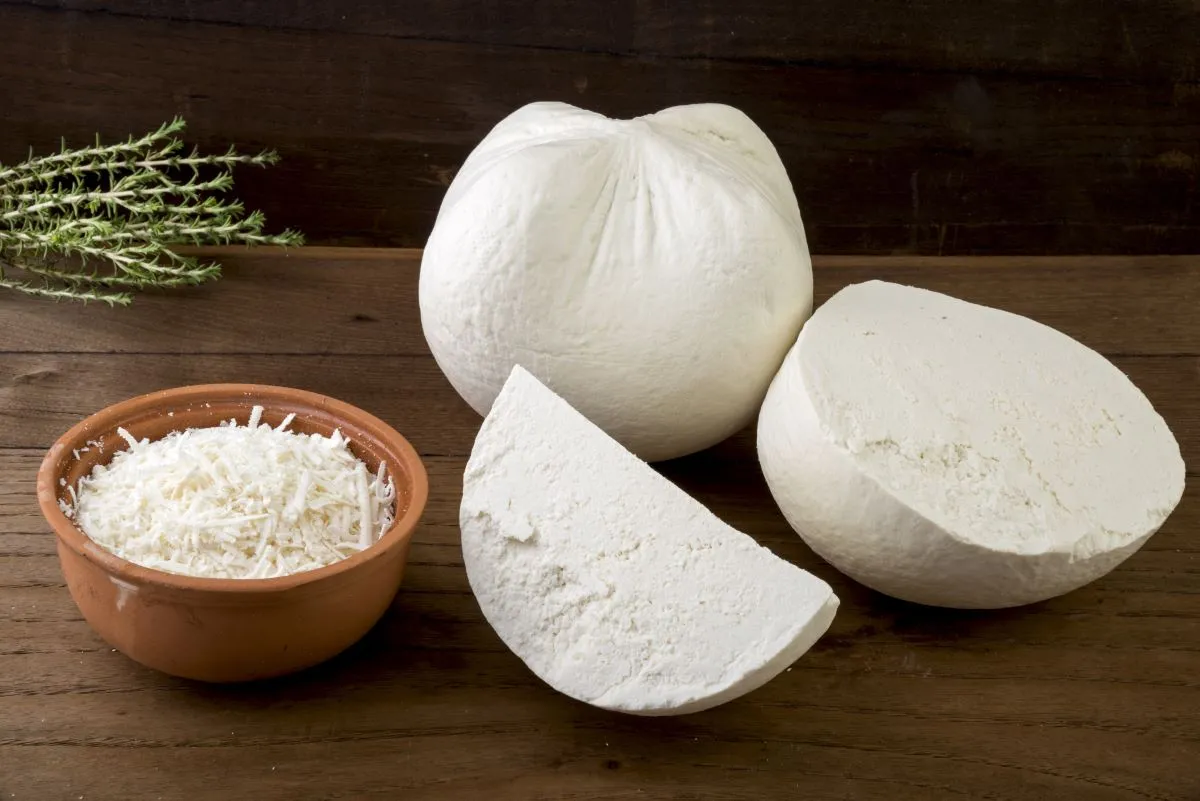
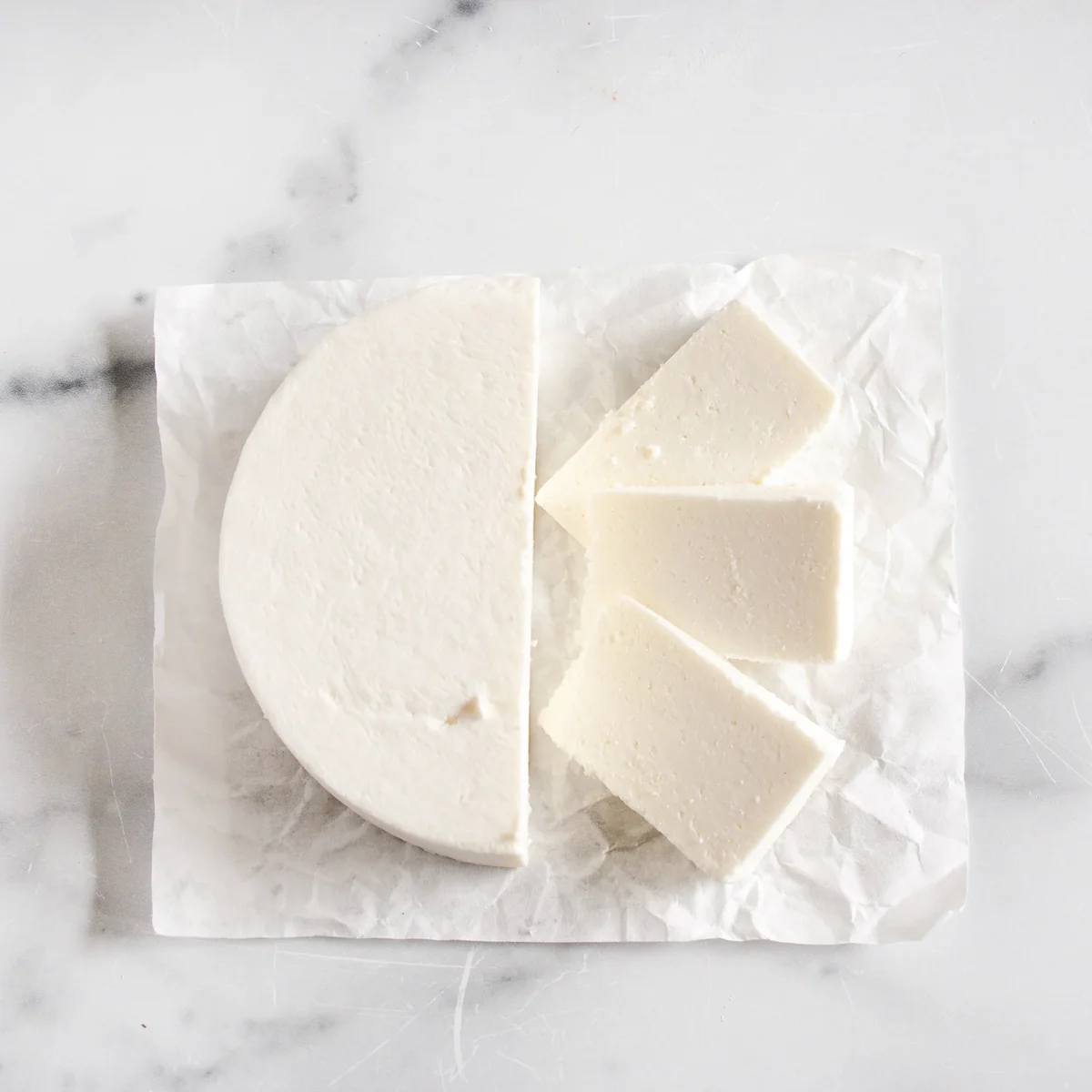
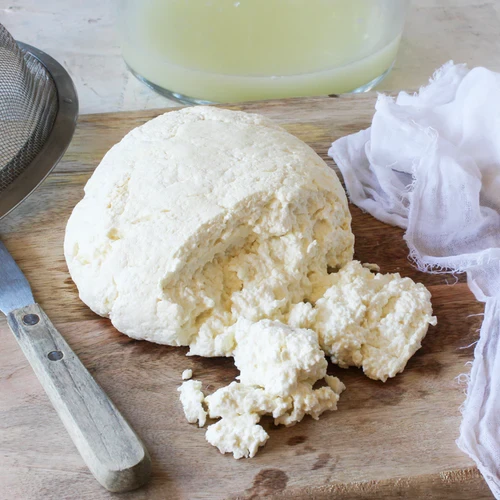
Soft, grainy, and spoonable — one of the lightest and most delicate textures among Italian cheeses. No rind. Pure white. Grain size varies by producer and type; sheep’s milk ricotta tends to be slightly coarser than cow’s milk versions.
Lactic notes are strongly dominant — among the mildest, freshest, and most neutral aromas of any Italian cheese. All other dimensions are barely perceptible. The purest expression of fresh heated whey.
Cheesepedia taste profile
The values below are the structured baseline in the Cheesepedia app. Your personal match is calculated separately from your own taste profile.
A general profile can describe Ricotta, but it cannot know how closely the cheese fits your preferences. Cheesepedia Premium compares this profile with your personal taste profile and lets you evaluate cheeses side by side.
See your personal matchHow to enjoy it
- Used in lasagne, ravioli, cannelloni, or savoury fillings.
- Added to cheesecakes, pastries, or sweet creams.
- Spread on toast with fruit, honey, or herbs.
What pairs with Ricotta?
Classic serving companions from the Cheesepedia catalog.
- Green Apple (for acidity balance)
- Yorkshire Pickle or Chutney
- Walnuts
- Sourdough or Crusty Bread
- Grissini
Find the right wine in Cheesepedia
Cheesepedia uses an expert-designed algorithm that compares the cheese's taste, intensity, and production profile with the wine's body, acidity, tannin, and sweetness. Wine pairings are not generated by AI.
See wine pairings for RicottaStory and origin
One of Italy’s oldest cheeses, produced for at least 2,000 years. References appear in ancient Roman agricultural texts. The technique of double-heating whey to recover remaining proteins is among the oldest methods in cheesemaking — a practical tradition of reducing waste. Used in both sweet and savoury preparations throughout Italian cuisine.
Storage and serving
- Store in the fridge, in brine or sealed packaging.
- Air travel: suitable only in leak-proof packaging.
Profile sources and methodology
This page uses the same curated record as the Cheesepedia mobile app. Production-style and designation references provide context; they do not imply endorsement of Cheesepedia.