Which cheeses is France famous for?
Camembert de Normandie, Brie de Meaux, Comté, Roquefort and Reblochon are among the best-known names internationally. But France's strength lies less in a few icons than in distinct regional families: the Cantal, Salers, Saint-Nectaire and blue cheeses of the Auvergne; the goat's cheeses of the Loire and Berry; the mountain wheels of Savoie; and rich Burgundian styles such as Époisses and Brillat-Savarin.
With French cheese names, the difference between a general style and the full protected name matters. “Camembert” or “Brie” appear in everyday use; Camembert de Normandie and Brie de Meaux are tied to a specific geography and rules of production. When you buy, read the full name, the AOP/PDO mark, the milk and the age together.
A cheese map of France
Rather than treating France as one cheese route, it is more realistic to split it into five broad clusters. The diagram is not to scale; it helps you set priorities for travel and tasting.
Camembert · Livarot · Pont-l'Évêque · Neufchâtel · Brie · Maroilles
Comté · Morbier · Beaufort · Reblochon · Abondance · Tomme
Cantal · Salers · Saint-Nectaire · Bleu d'Auvergne · Fourme
Crottin · Valençay · Sainte-Maure · Époisses · Chaource
Roquefort · Ossau-Iraty · Pélardon · Rocamadour · Brocciu
Rather than collecting every French cheese region in one trip, focus on one production family.
Read the AOP name, the producer and the age together.The 51 French cheeses in Cheesepedia
This is not a “best cheeses” ranking. It shows the cheeses in the app database with their milk, texture, intensity and production area. Each card opens the full profile; when you compare styles, keep in mind that producer, age and storage can all change the experience.
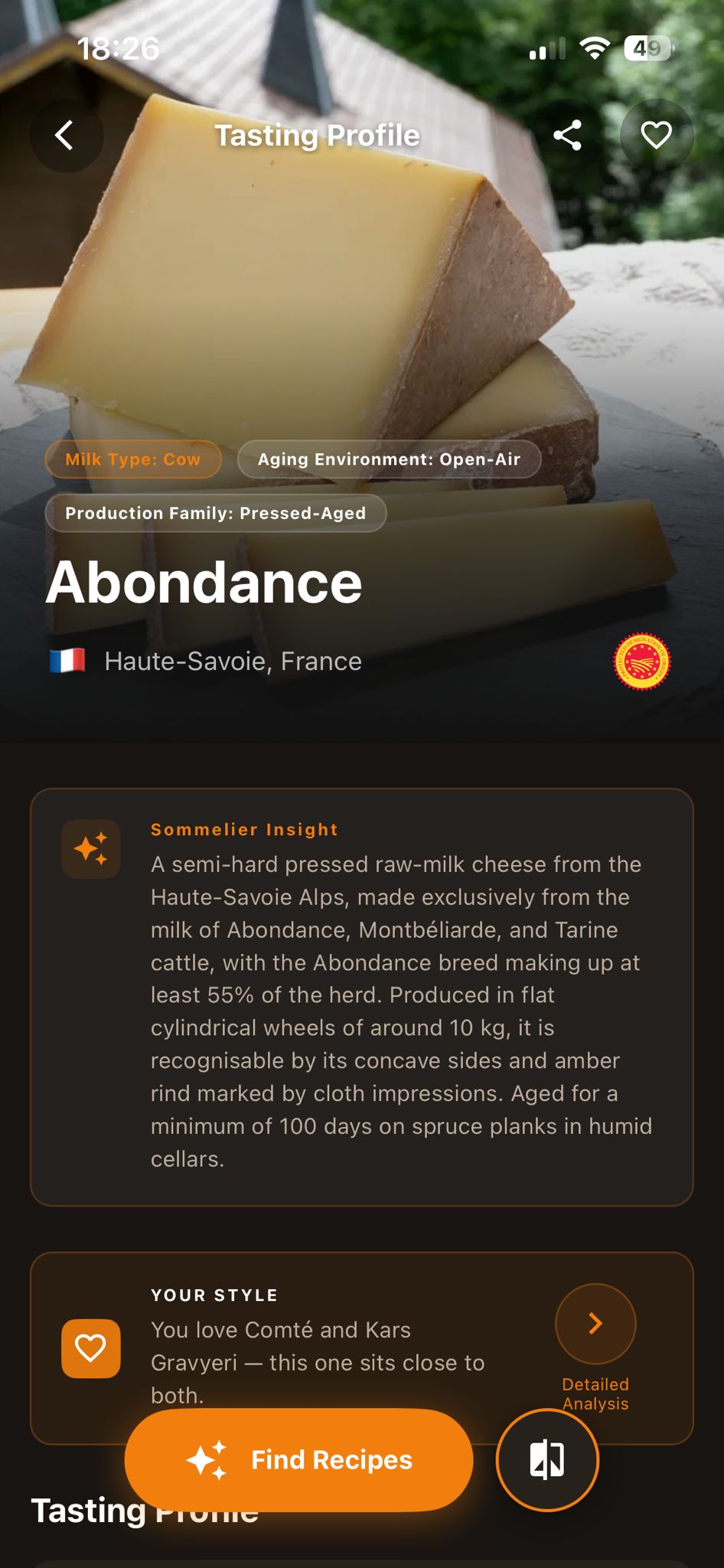
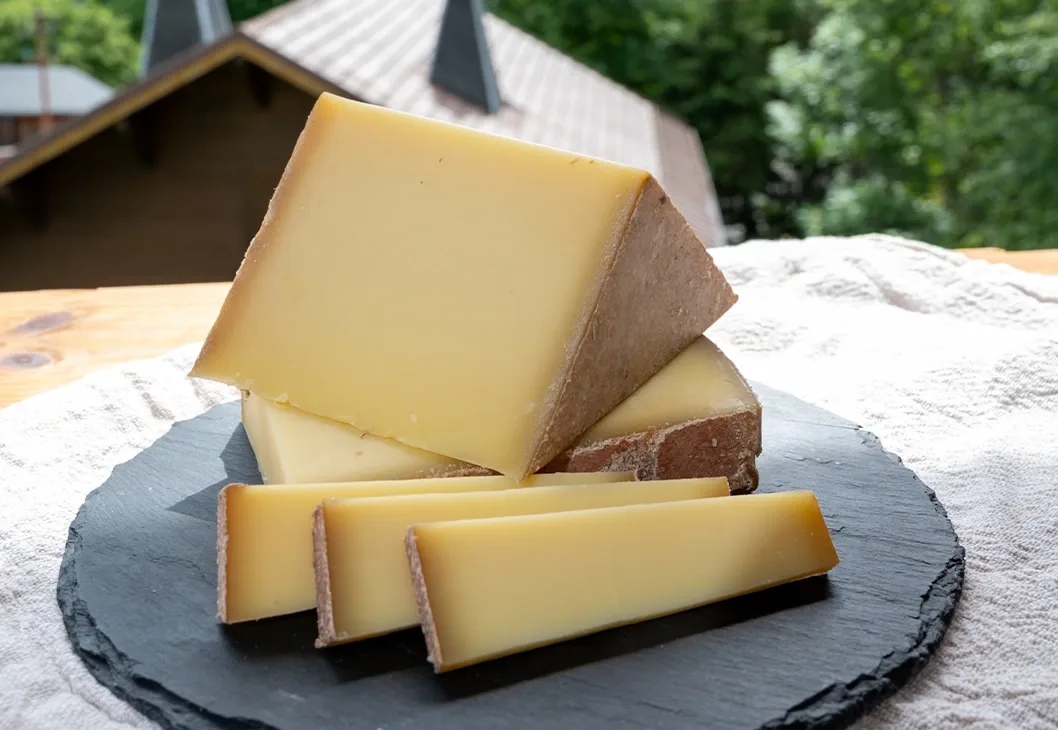 AbondanceHaute-SavoieCow · Semi-hard · medium
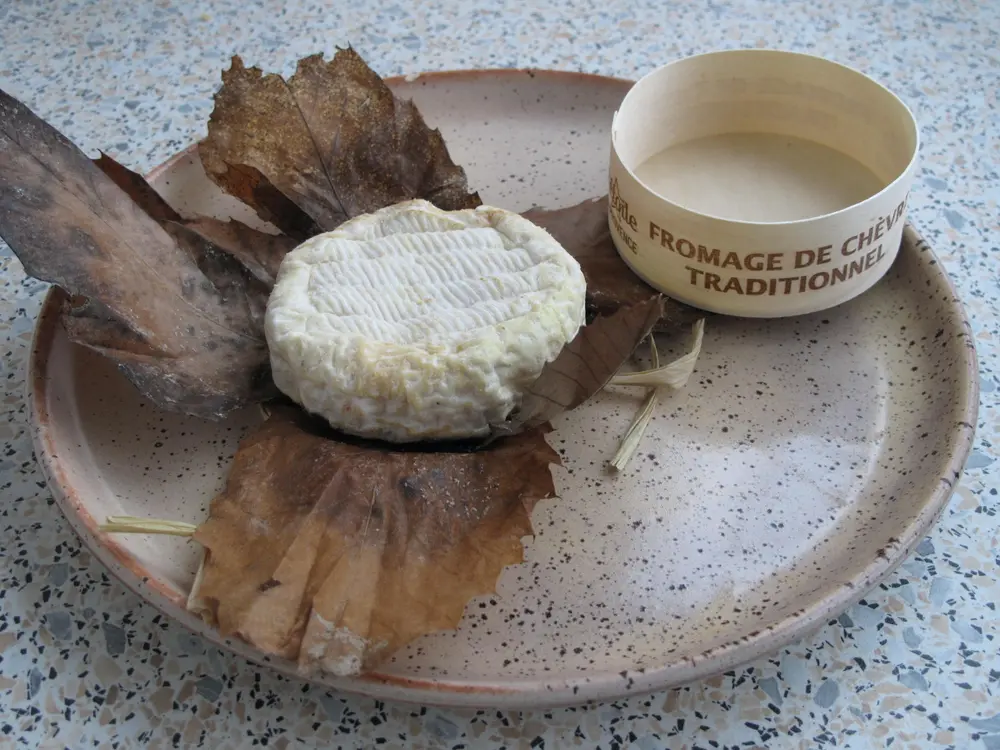 BanonProvenceGoat · Soft · medium
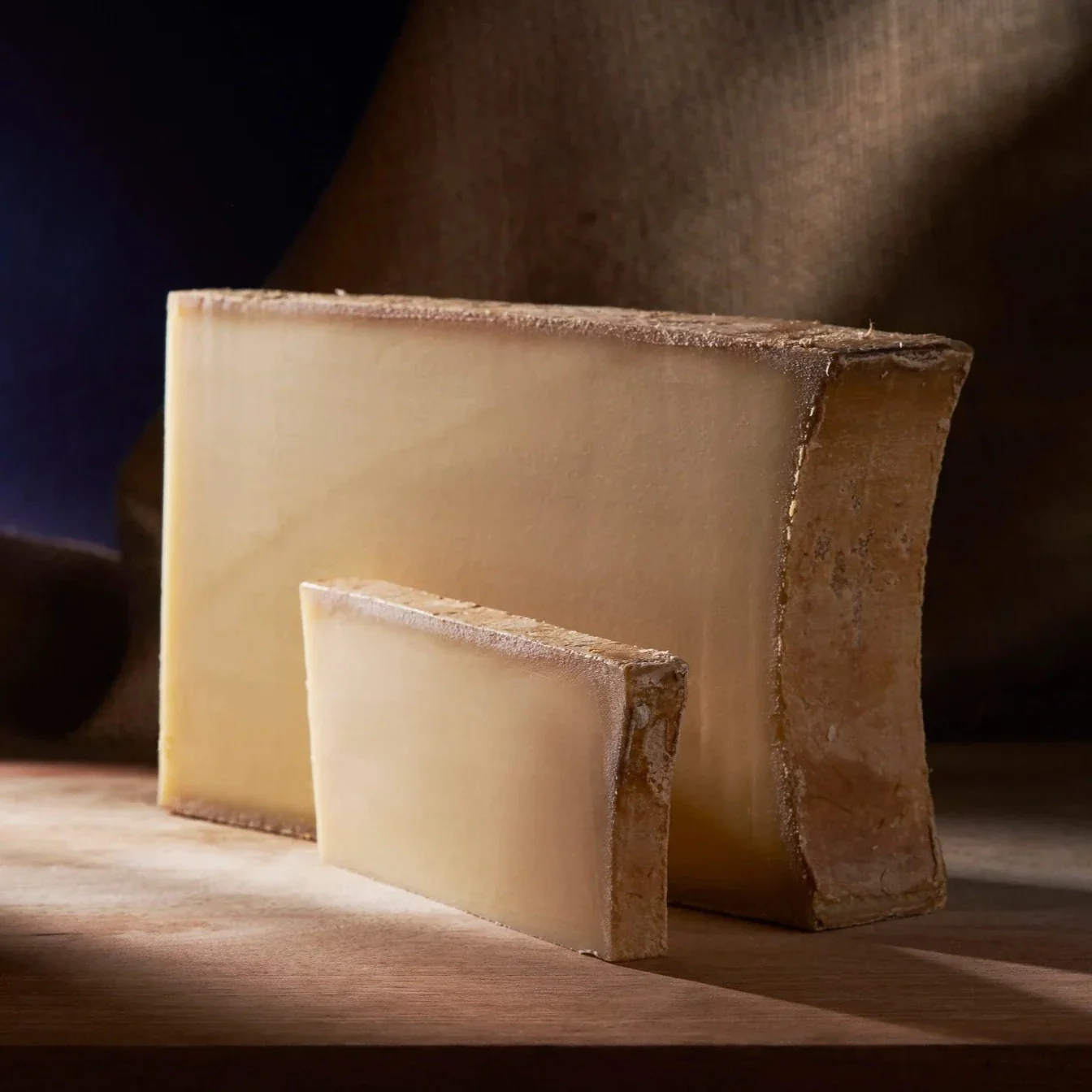 BeaufortSavoie (Alps)Cow · Hard · medium
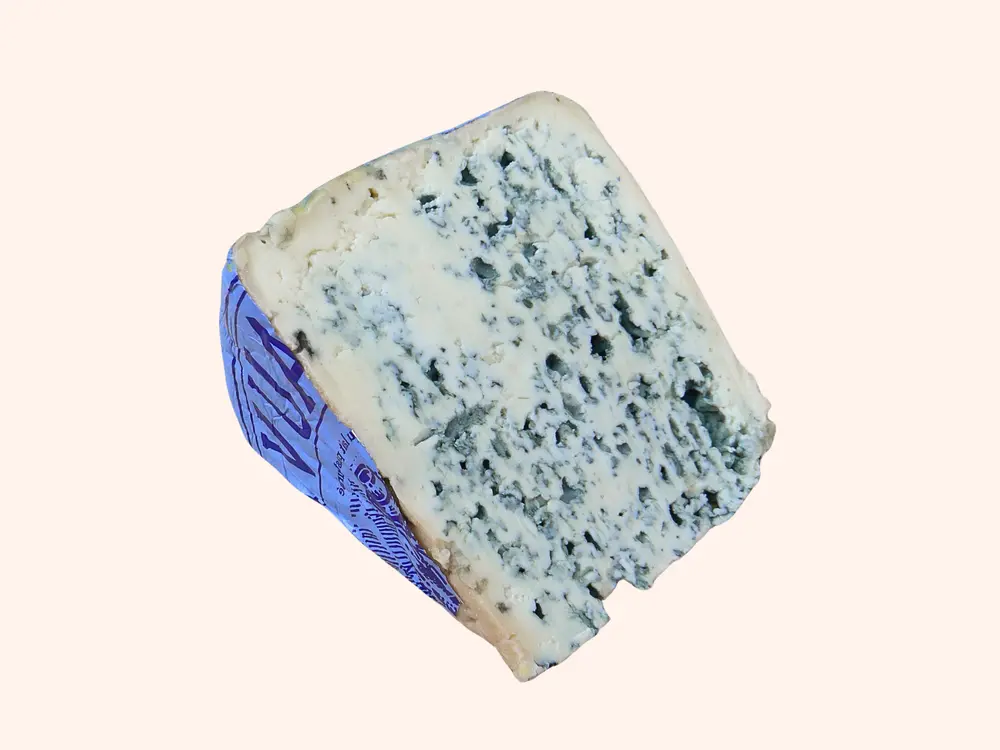 Bleu d'AuvergneAuvergneCow · Semi-soft · bold
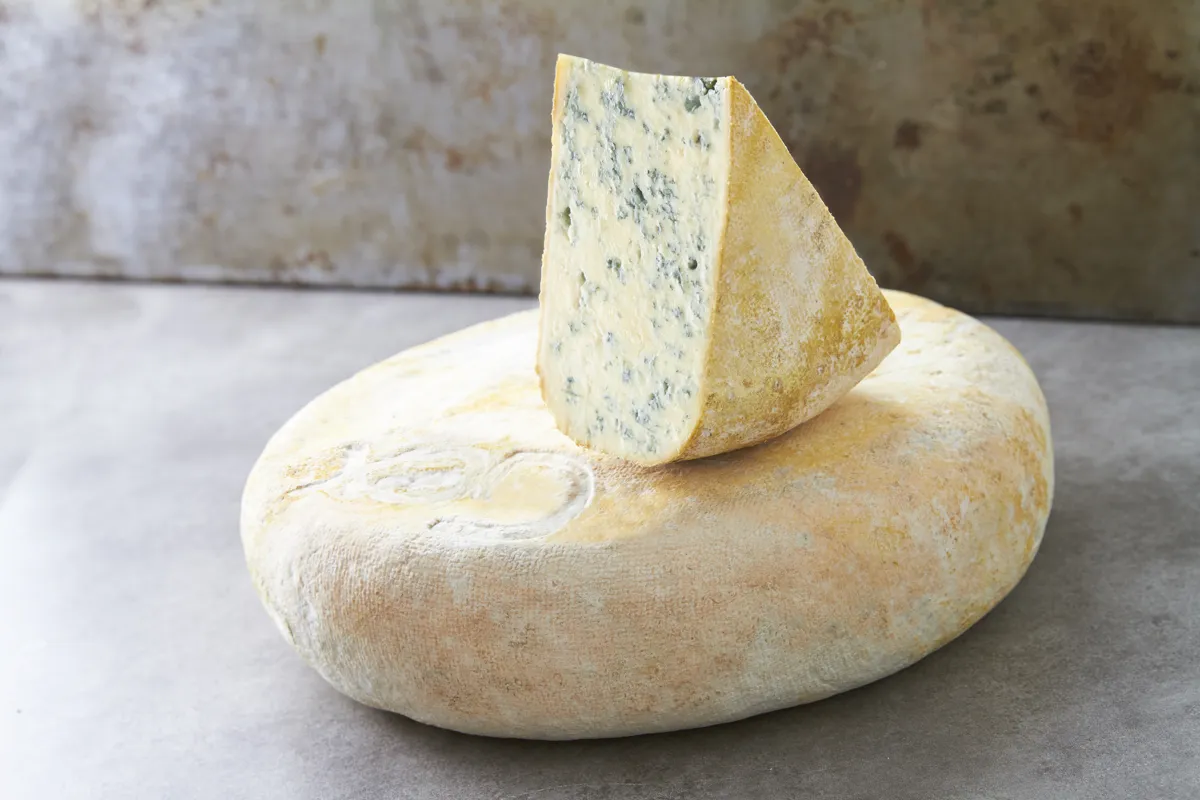 Bleu de Gex Haut-JuraHaut-Jura (Franche-Comté)Cow · Semi-soft · bold
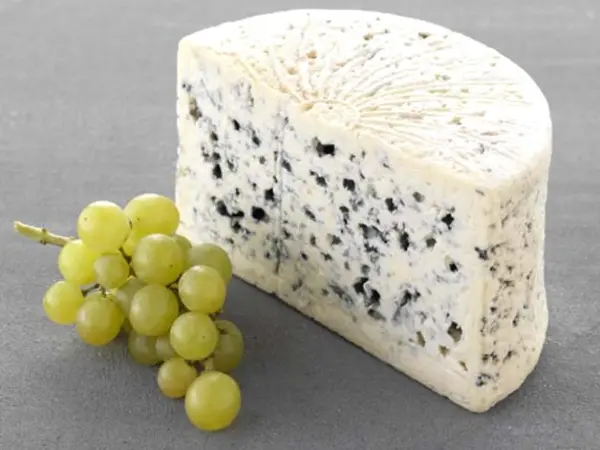 Bleu des CaussesAveyron, Lot and Lozère (Midi-Pyrénées)Cow · Semi-soft · bold
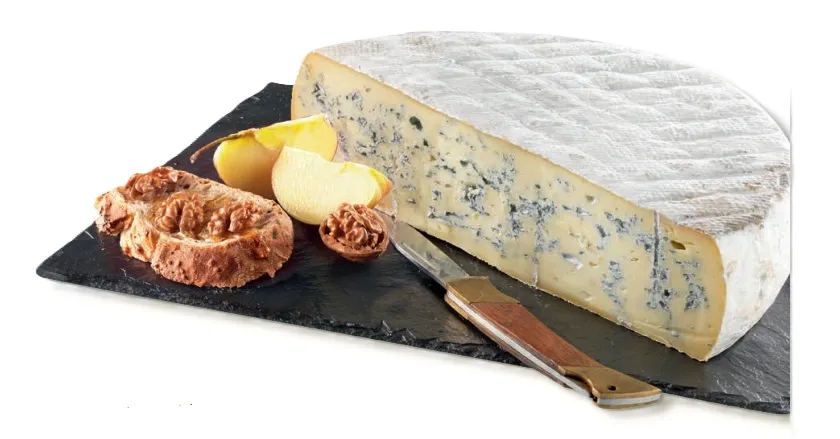 Bleu du Vercors-SassenageDauphiné / Vercors MassifCow · Soft · medium
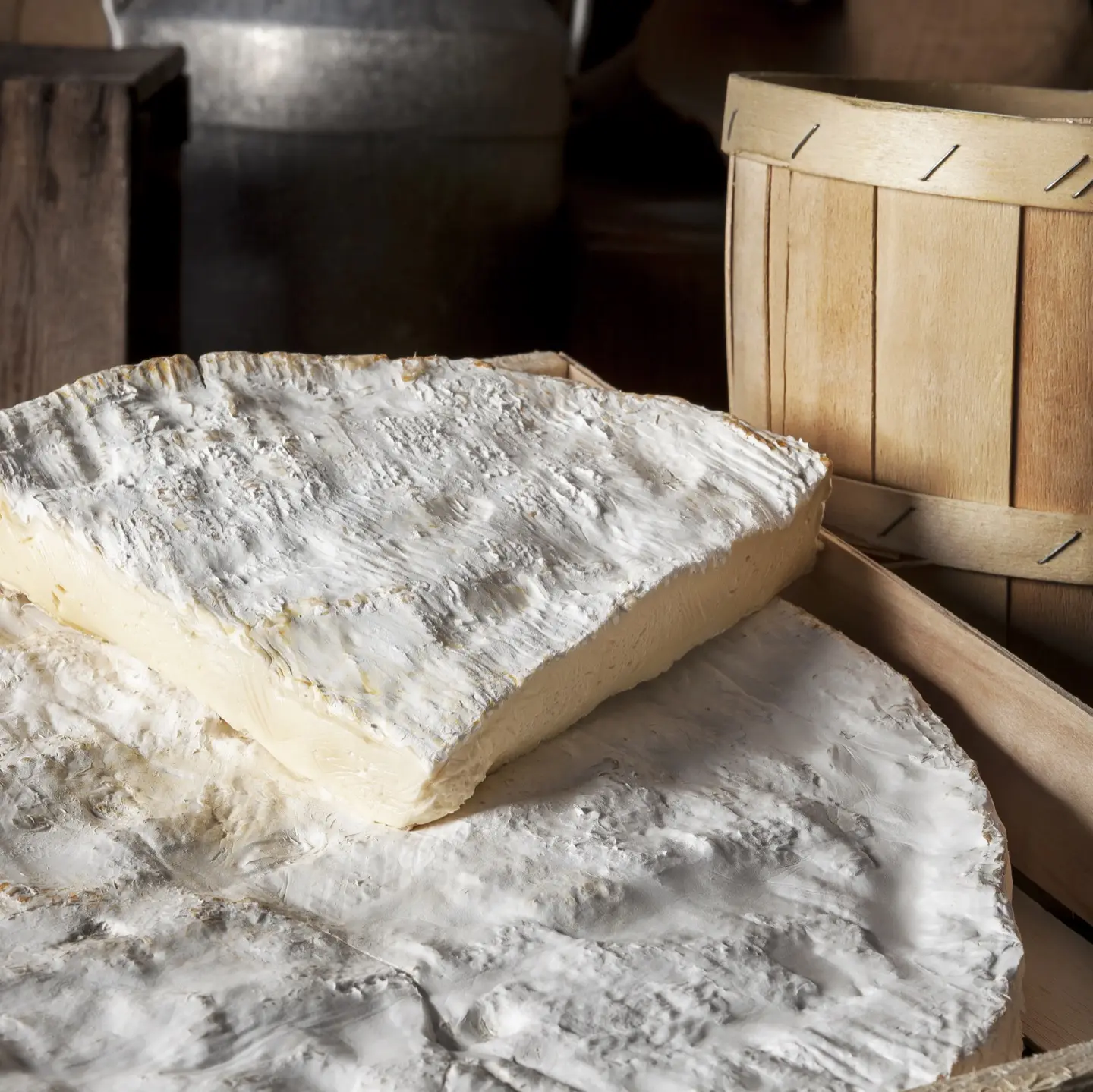 Brie de MeauxÎle-de-FranceCow · Soft · medium
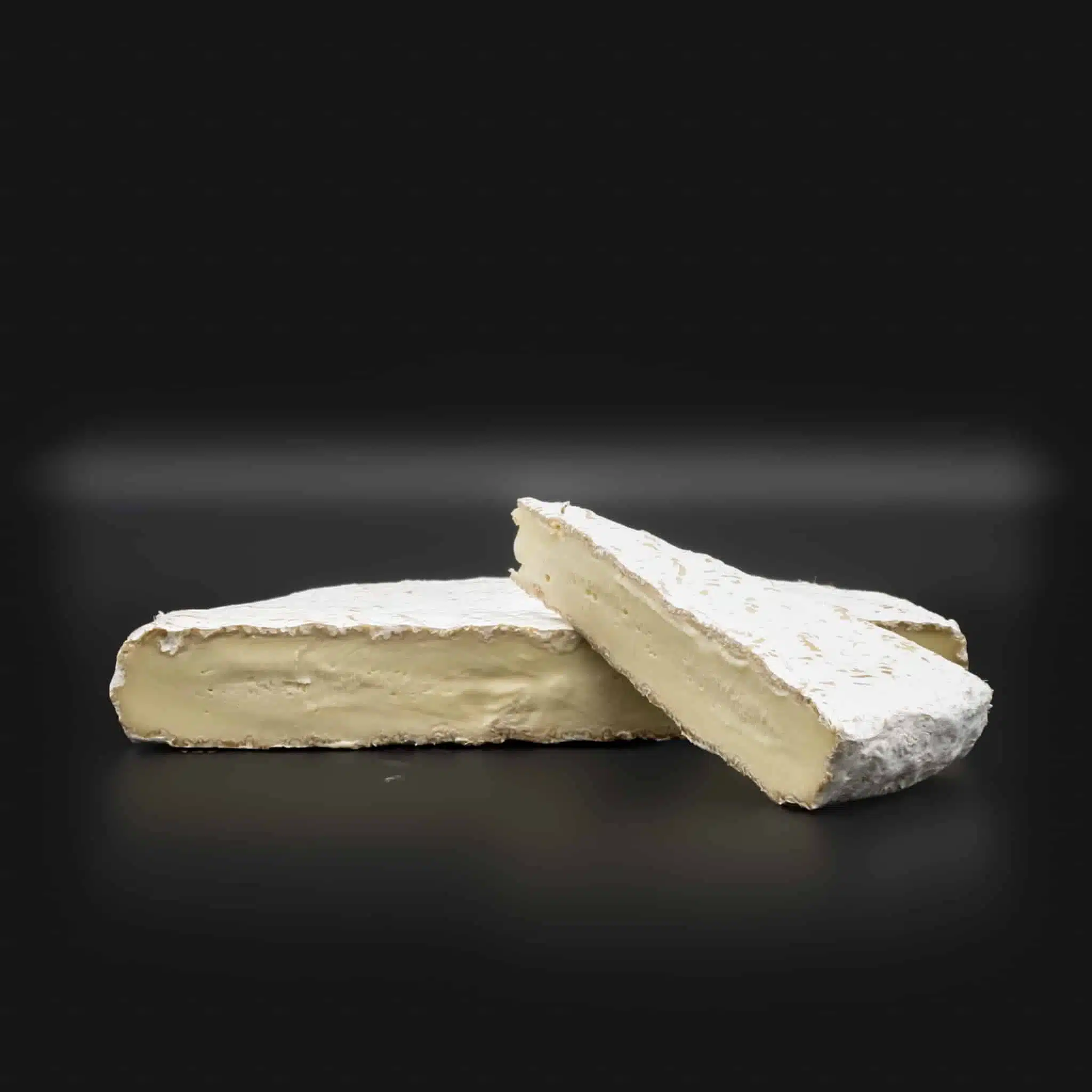 Brie de MelunÎle-de-France (Melun)Cow · Soft · bold
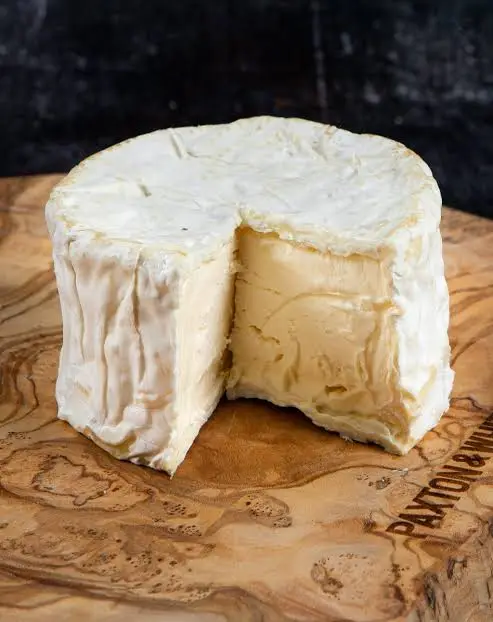 Brillat-SavarinBurgundyCow · Soft · gentle
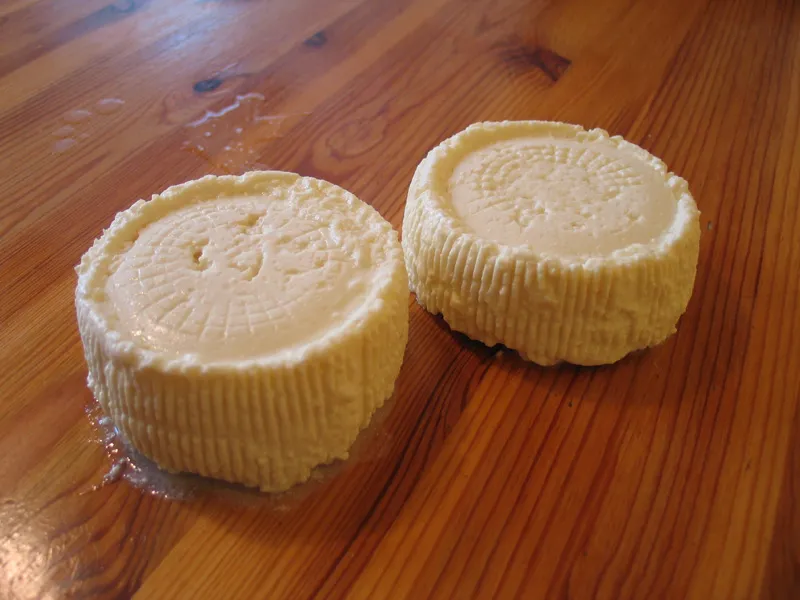 BrocciuCorsicaSheep / Goat · Fresh · gentle
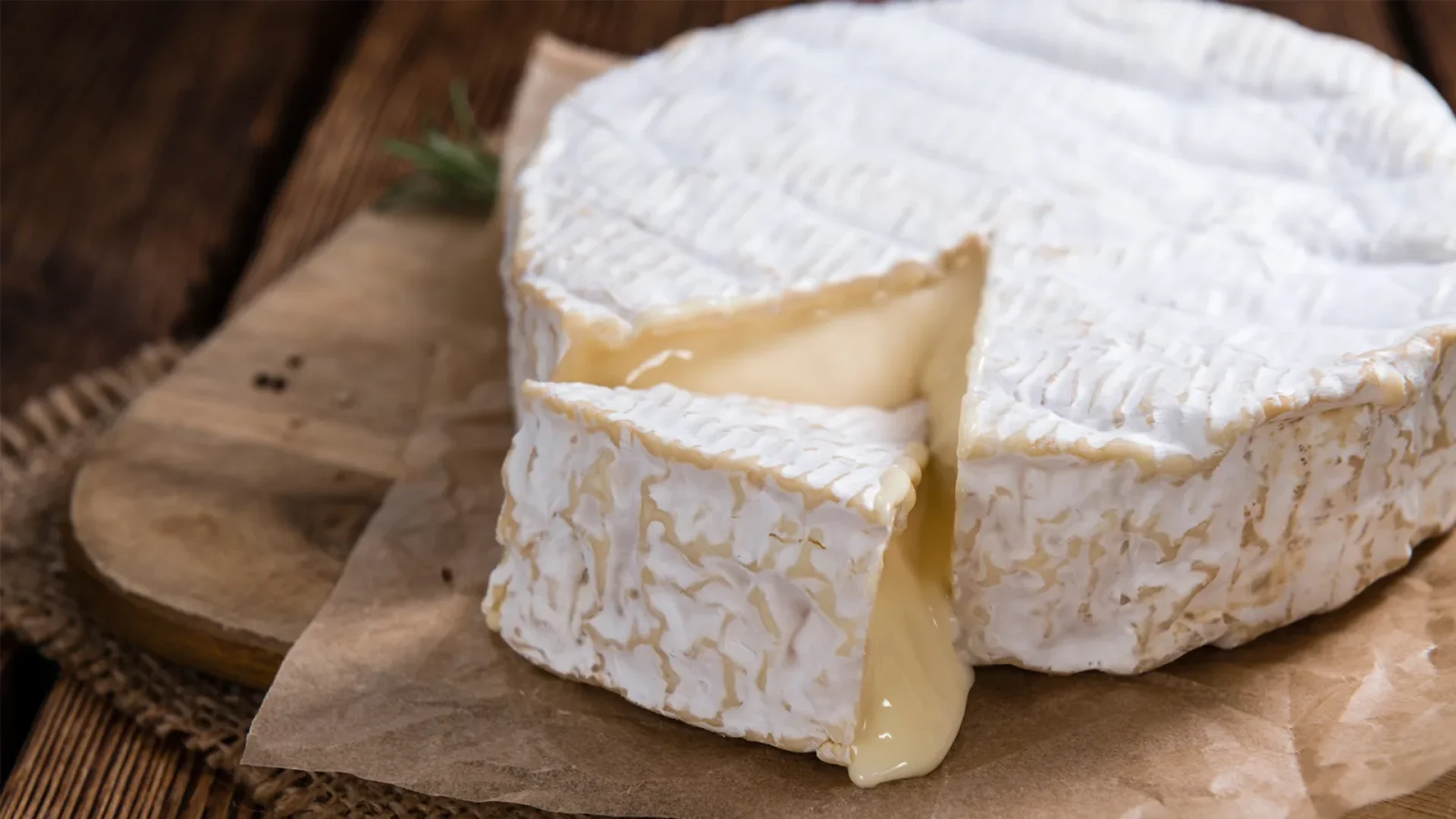 Camembert de NormandieNormandyCow · Soft · medium
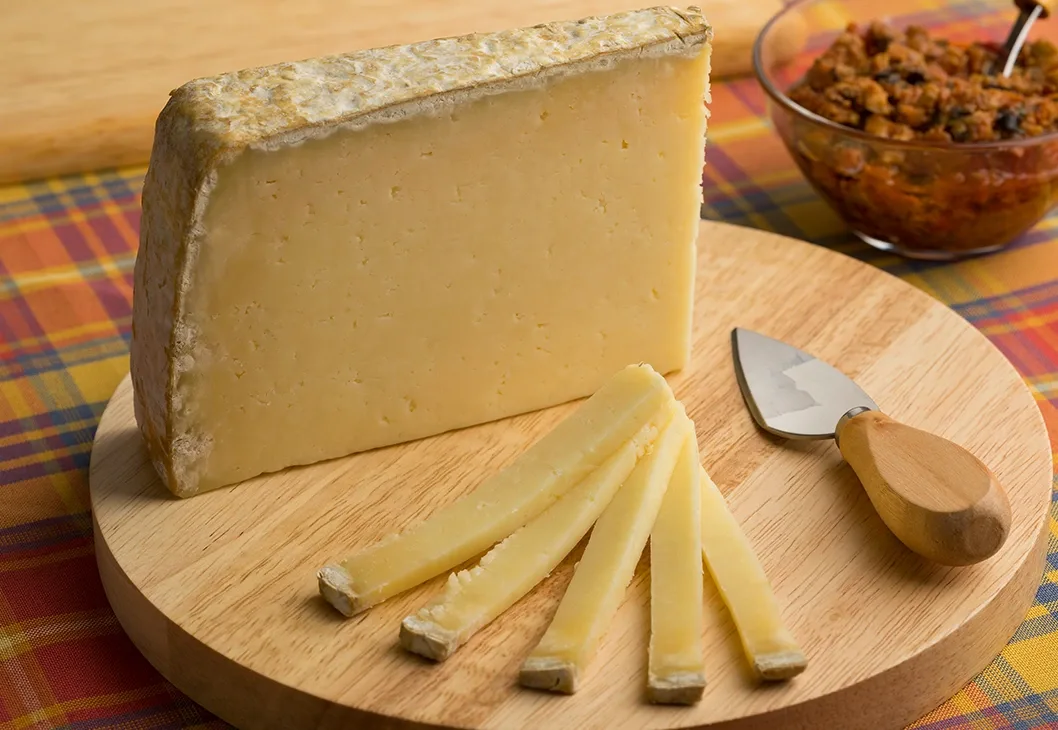 CantalAuvergne (Cantal Department)Cow · Hard · medium
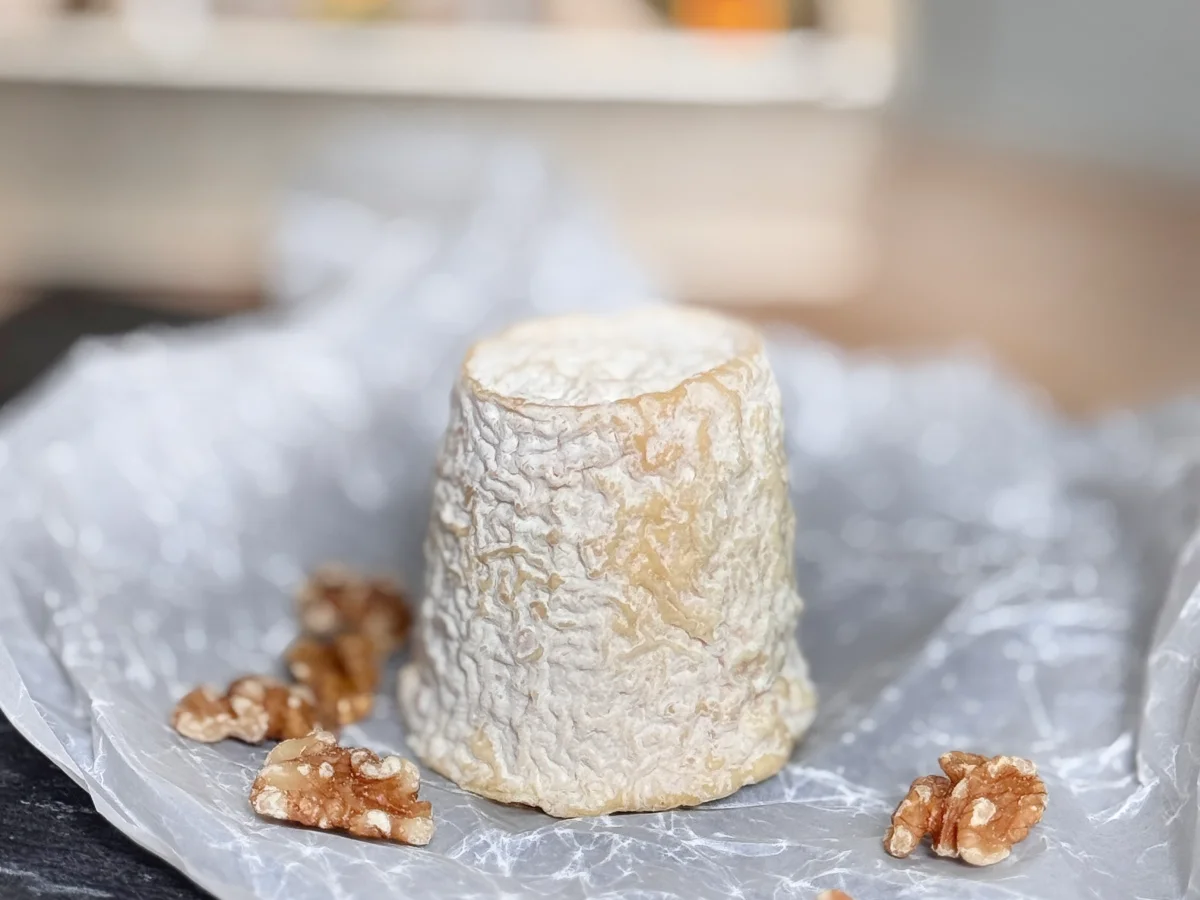 Chabichou du PoitouPoitou (Haut-Poitou)Goat · Soft · medium
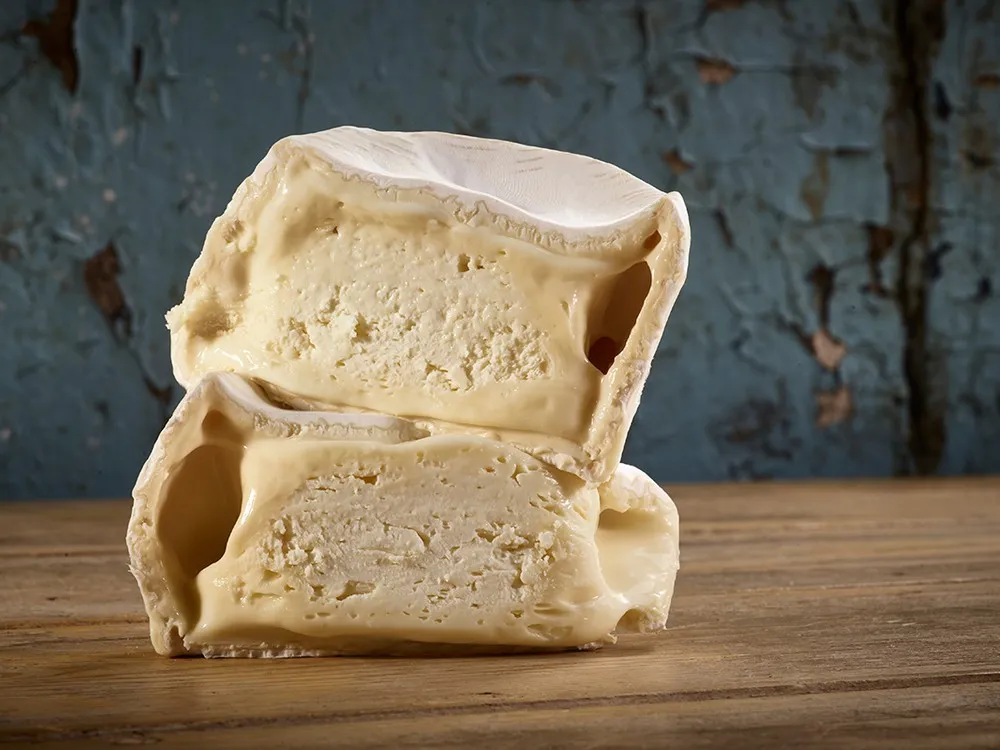 ChaourceChampagne-Ardenne / BurgundyCow · Soft · gentle
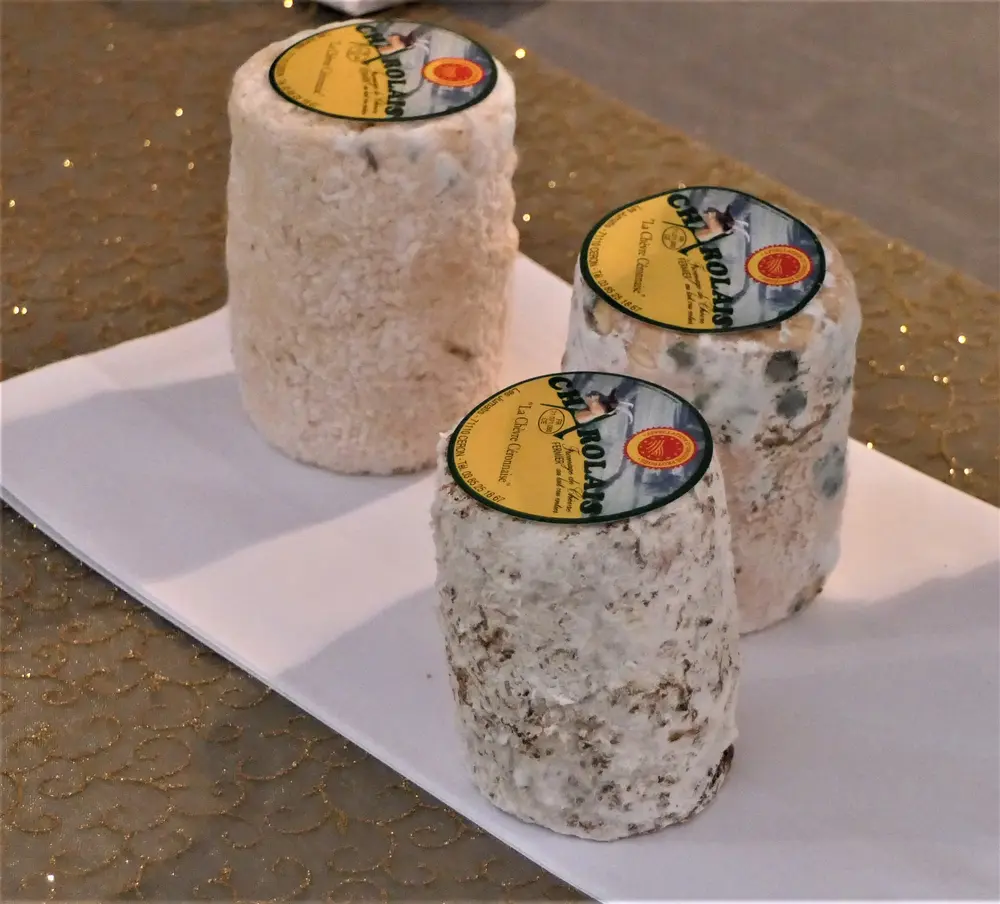 CharolaisBourgogne (Charolais and Brionnais)Goat · Semi-soft · medium
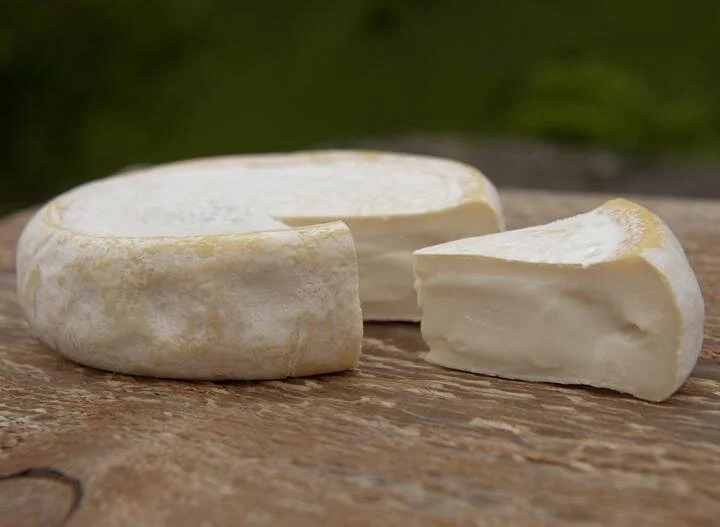 ChevrotinSavoie / Haute-Savoie (Mont Blanc and Aravis Massif)Goat · Semi-soft · medium
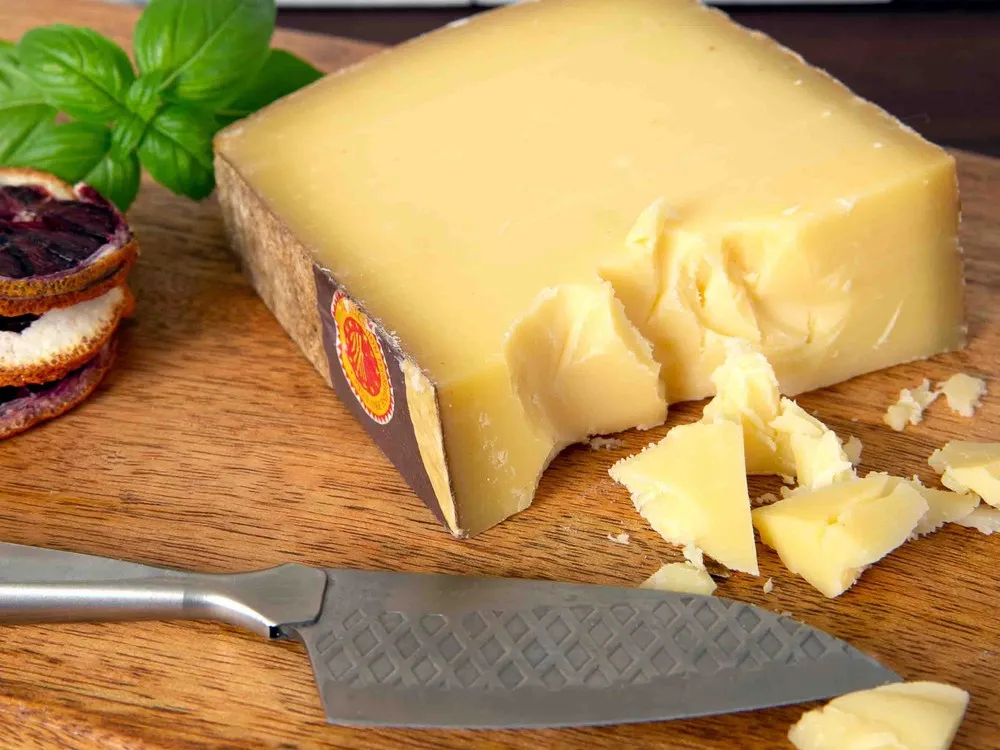 ComtéJuraCow · Hard · medium
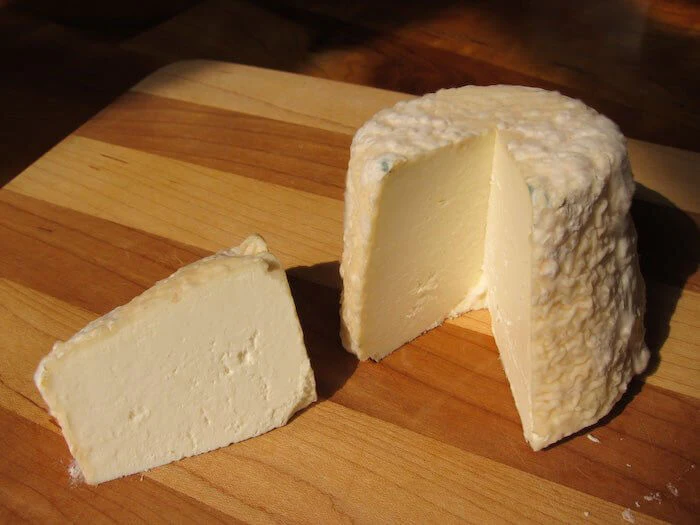 Crottin de ChavignolLoire Valley (Sancerre)Goat · Soft · bold
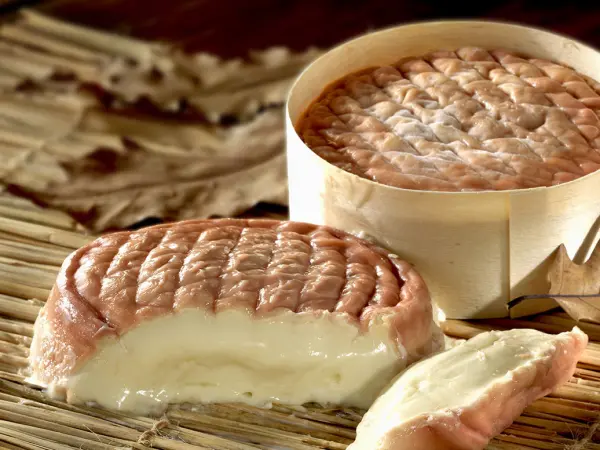 ÉpoissesBurgundyCow · Soft · bold
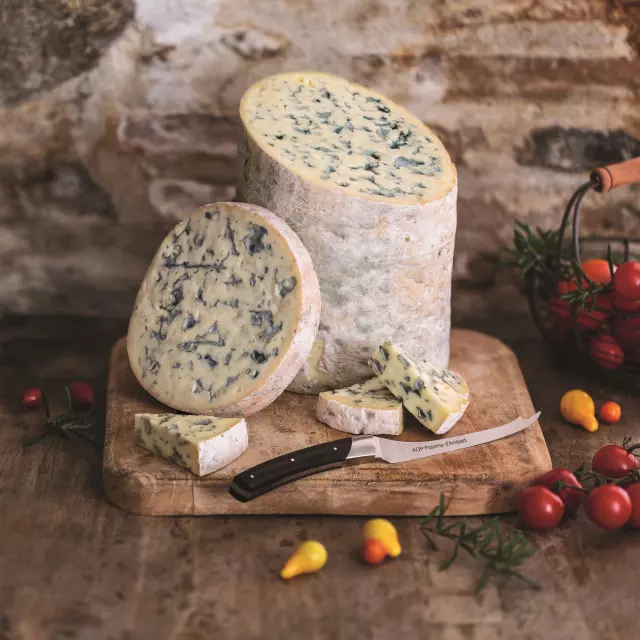 Fourme d'AmbertAuvergneCow · Semi-hard · medium
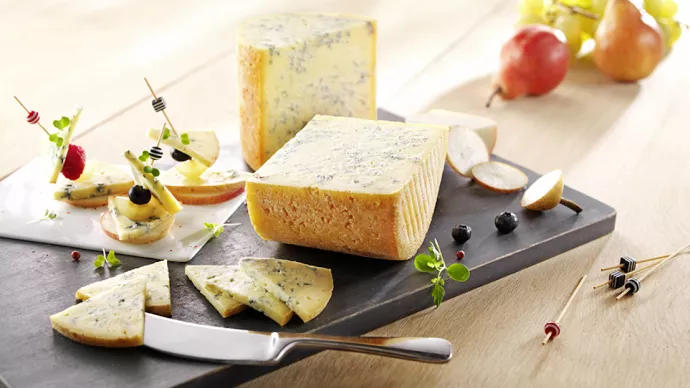 Fourme de MontbrisonLoire / Auvergne-Rhône-AlpesCow · Semi-hard · medium
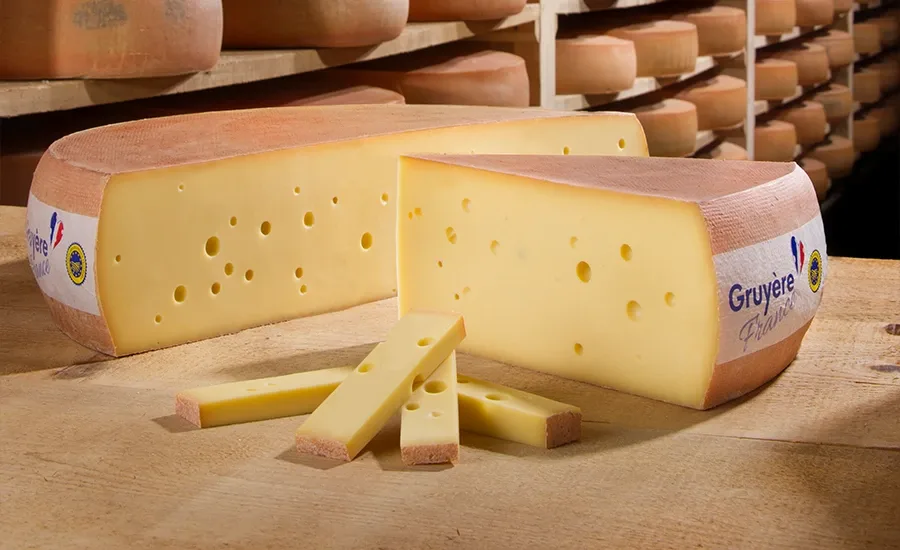 French GruyèreSavoie / Franche-ComtéCow · Hard · medium
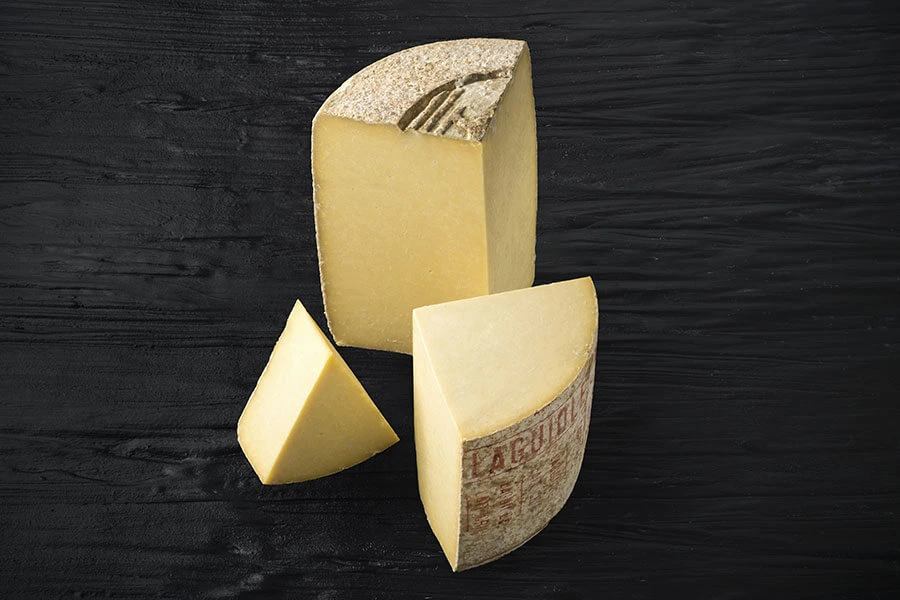 LaguioleAubrac (Aveyron, Cantal, Lozère)Cow · Hard · medium
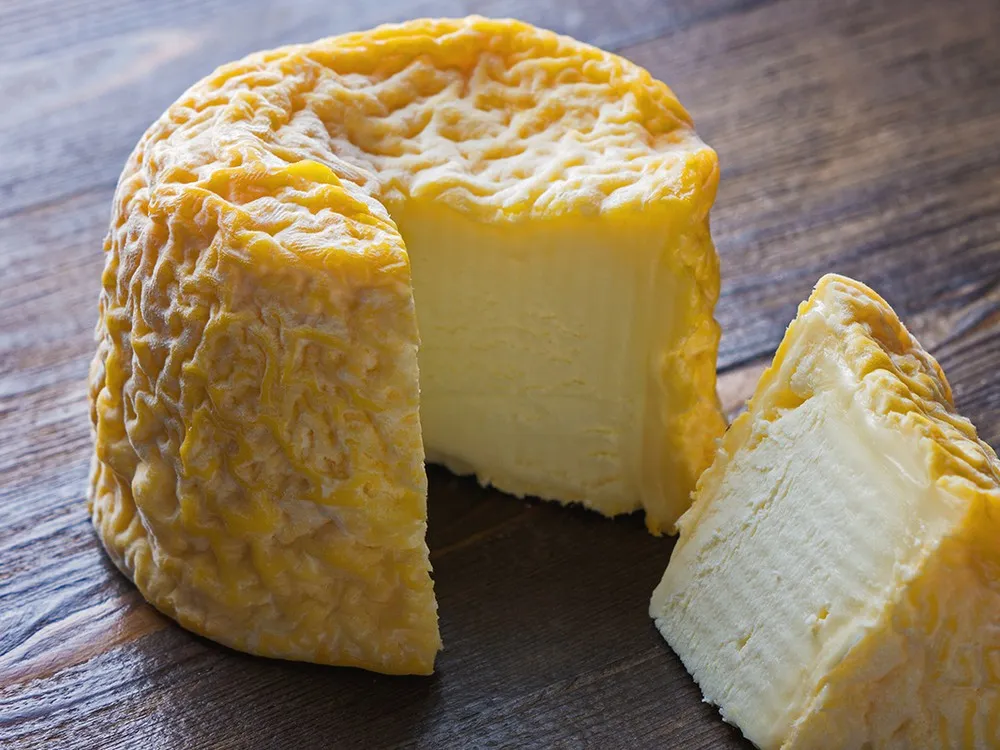 LangresChampagne-Ardenne (Langres Plateau)Cow · Soft · bold
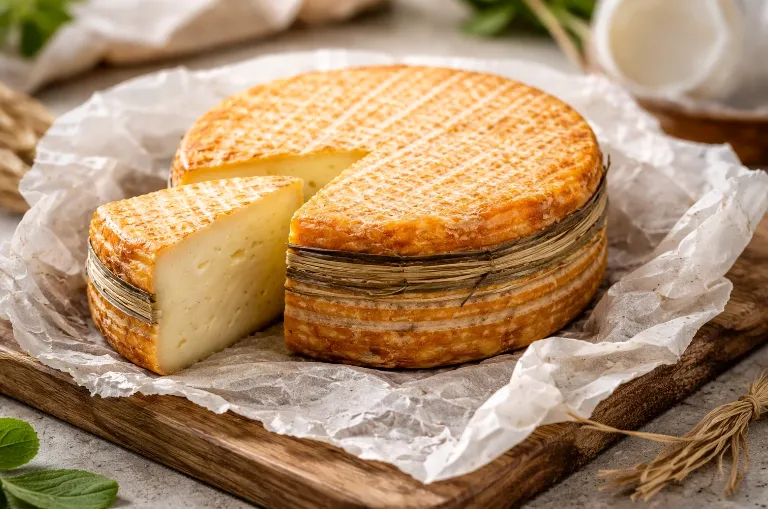 Livarot (The Colonel)NormandyCow · Soft · bold
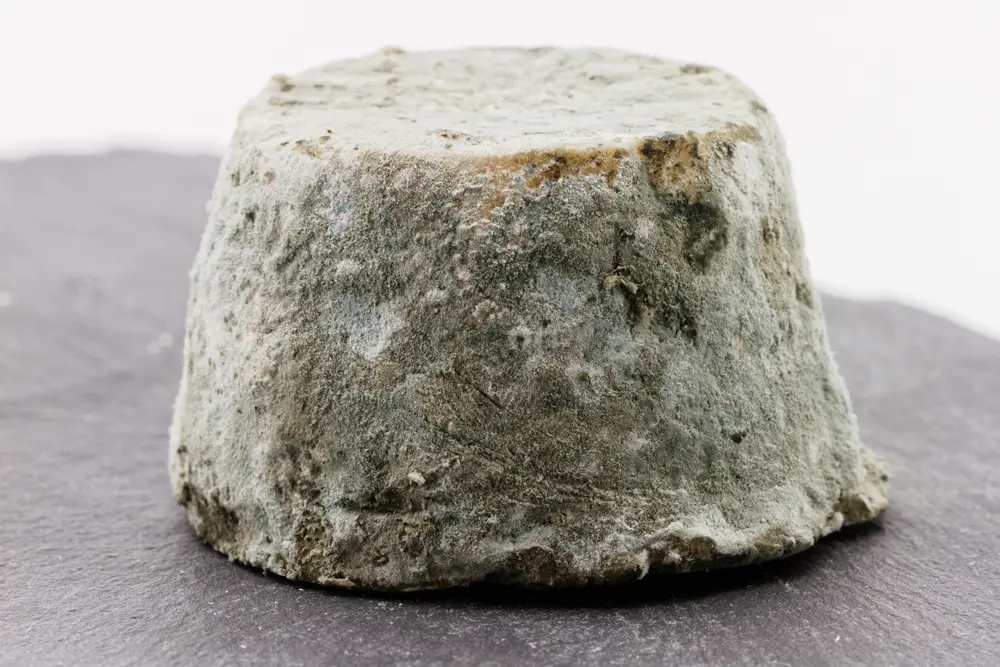 MâconnaisBourgogne (Saône-et-Loire)Goat · Soft · gentle
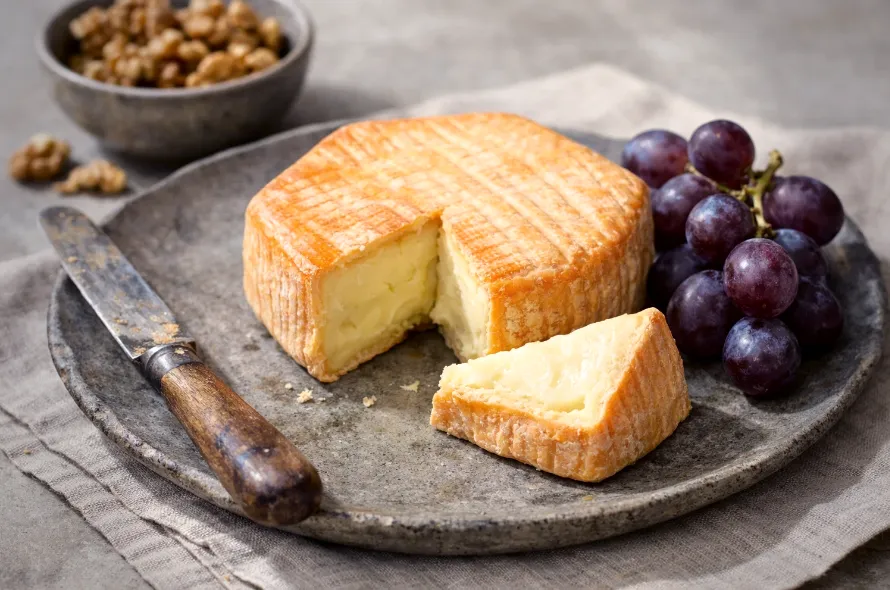 MaroillesHauts-de-France (Aisne and Nord)Cow · Soft · extreme
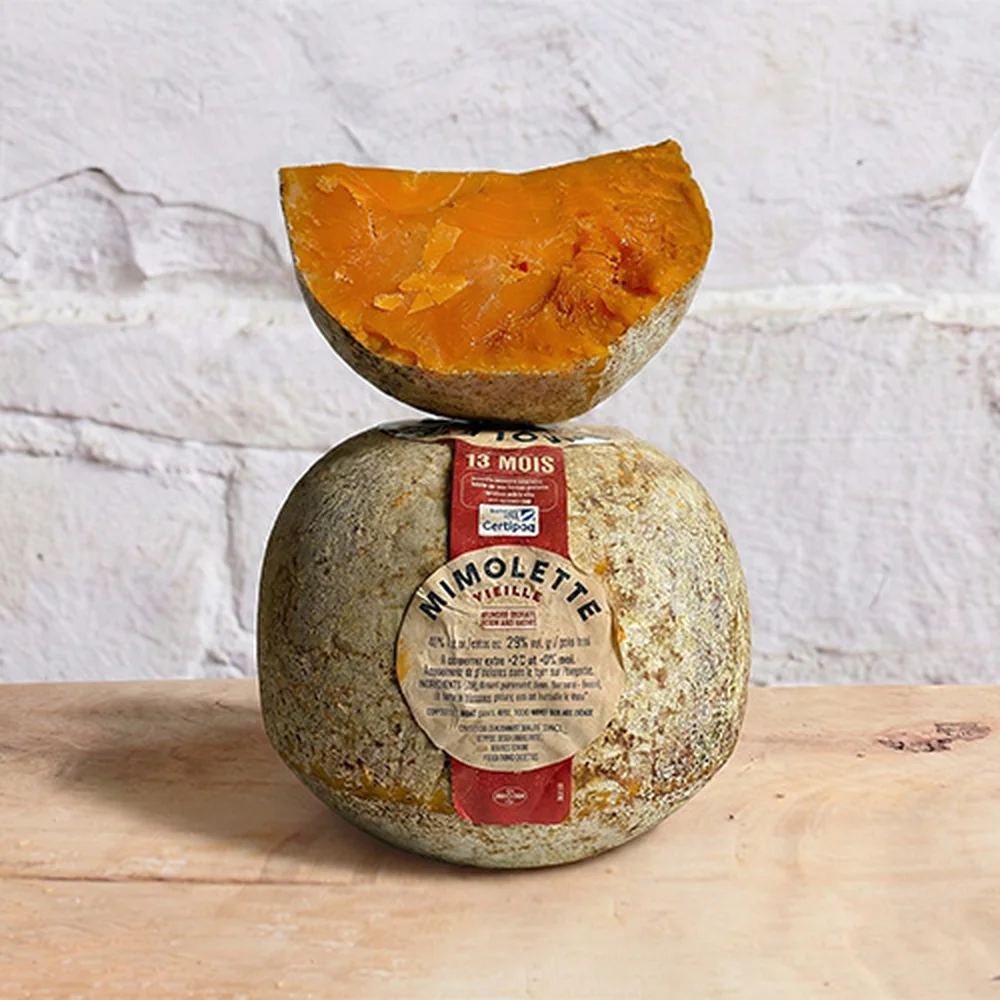 MimoletteLille (North)Cow · Hard · bold
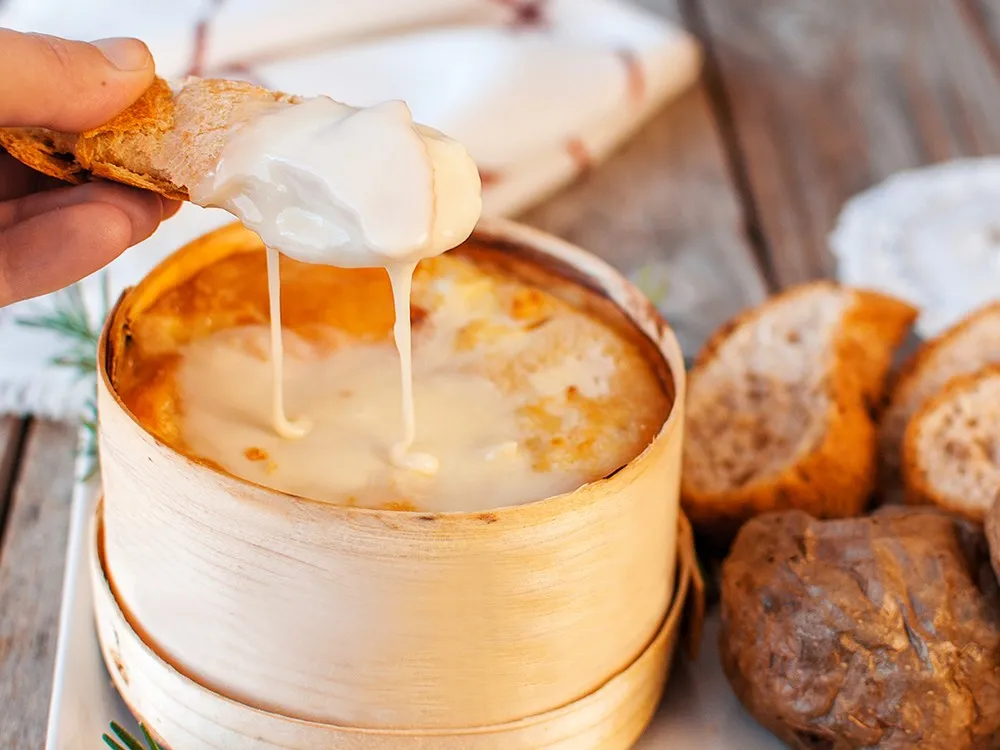 Mont d'OrHaut-Doubs (Franche-Comté)Cow · Soft · medium
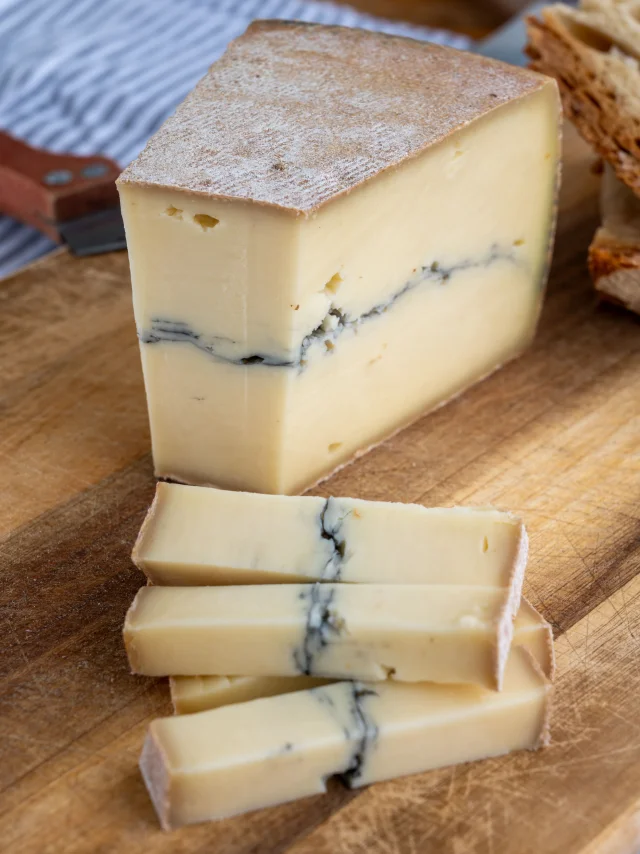 MorbierJura MountainsCow · Semi-soft · medium
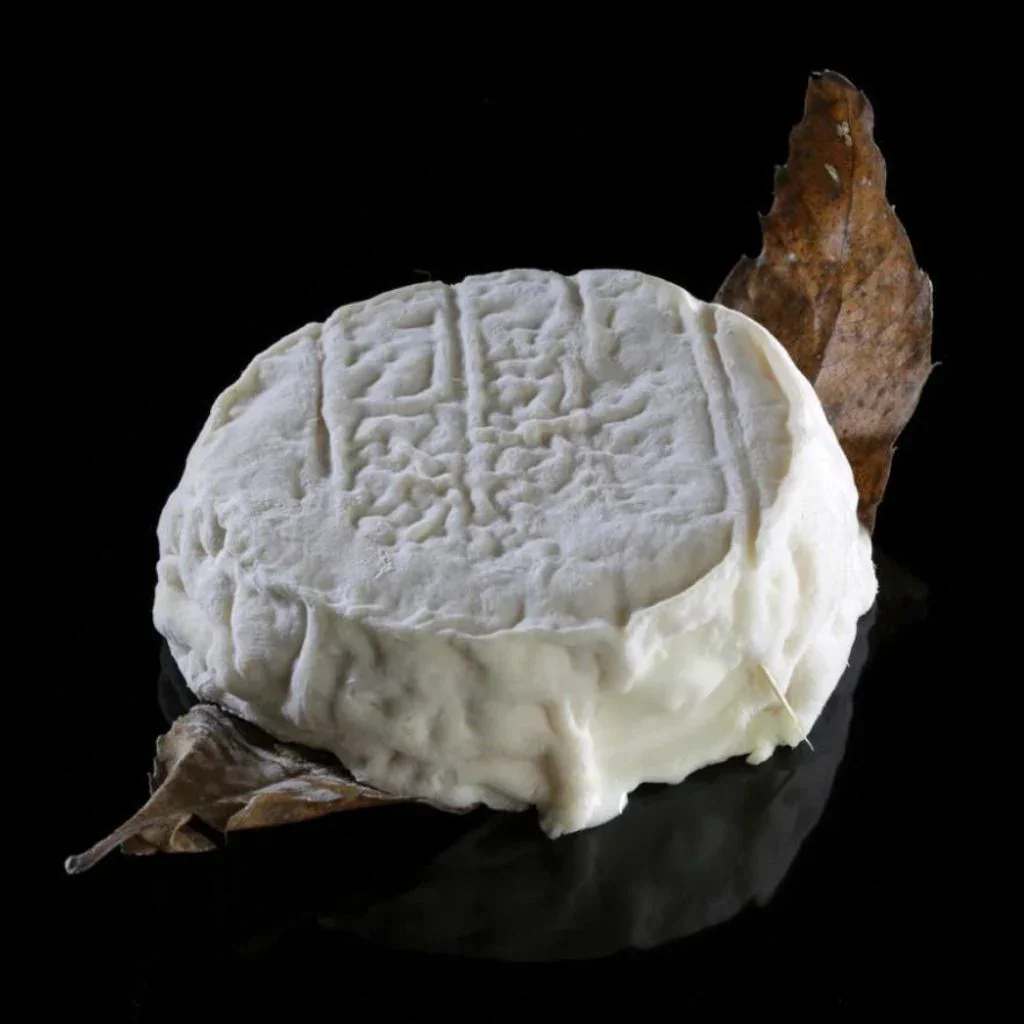 Mothais sur FeuillePoitou (Hauts-de-Sèvre)Goat · Soft · medium
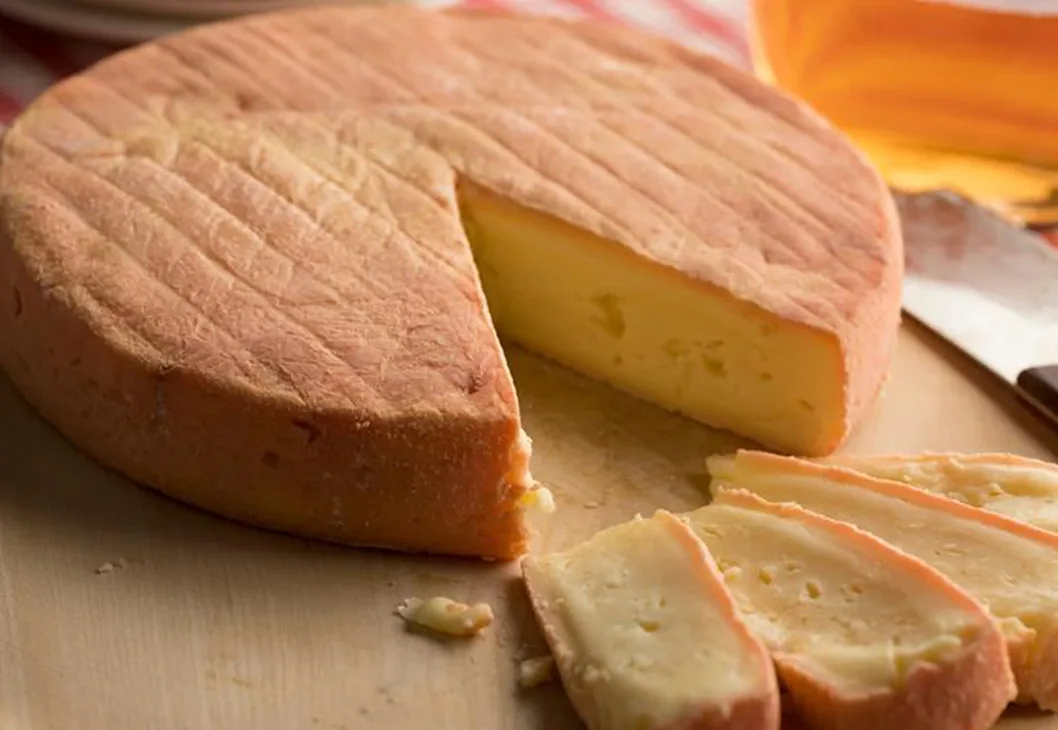 MunsterAlsaceCow · Soft · extreme
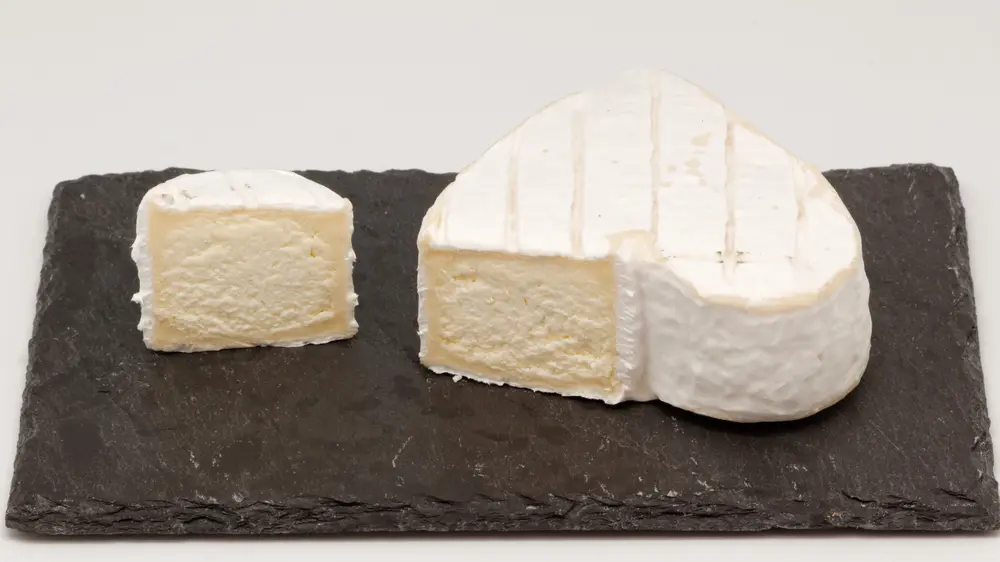 NeufchâtelPays de Bray (Normandy)Cow · Soft · gentle
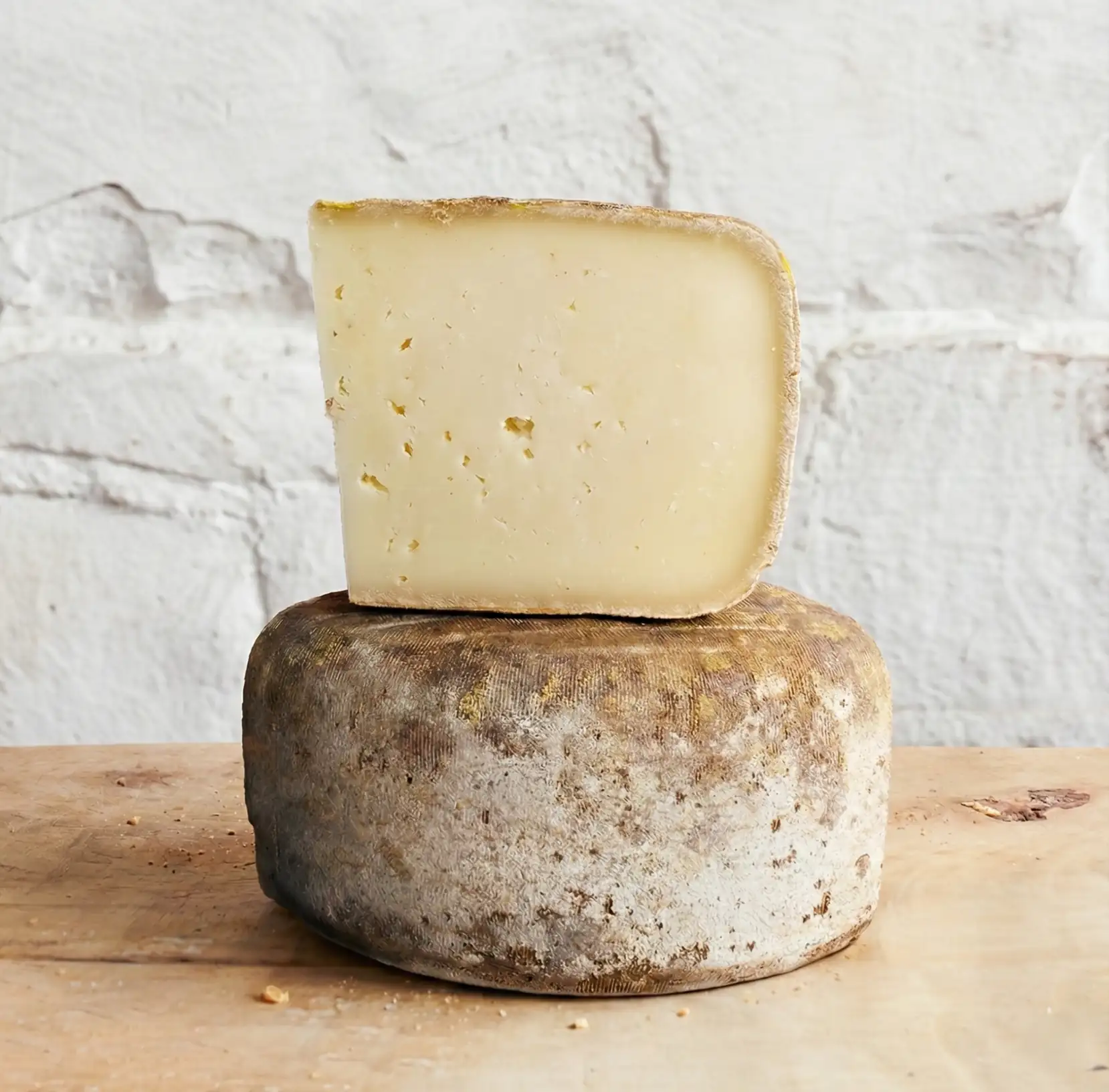 Ossau-IratyPays Basque and Béarn (Pyrenees)Sheep · Semi-hard · medium
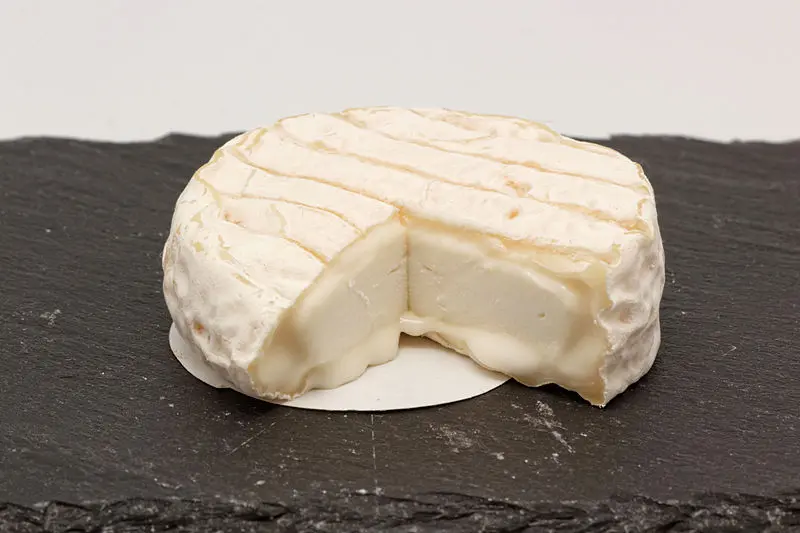 PélardonLanguedoc-Roussillon (Cévennes)Goat · Soft · medium
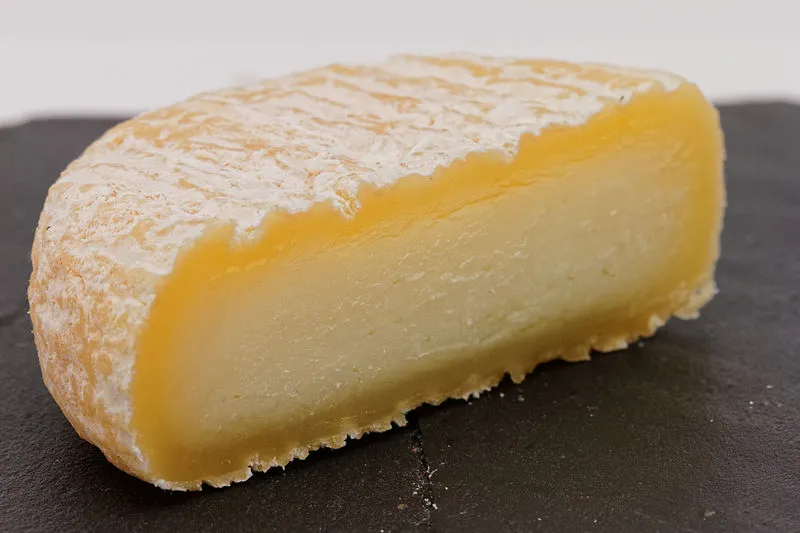 PicodonDrôme and Ardèche (Rhône-Alpes)Goat · Soft · bold
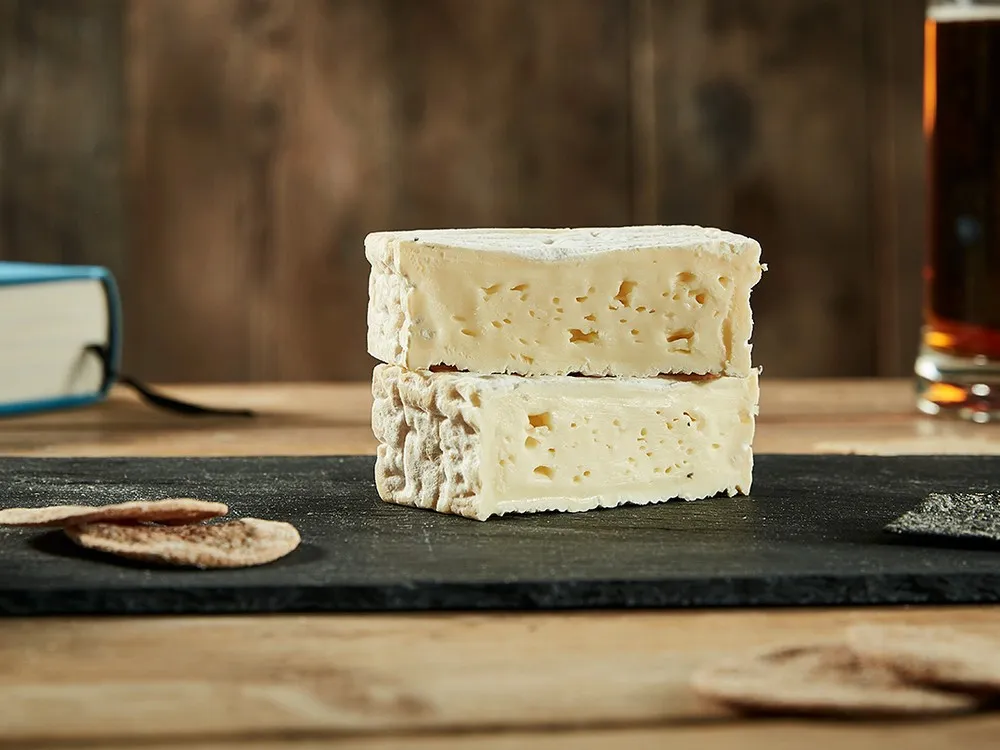 Pont-l'ÉvêqueNormandyCow · Soft · bold
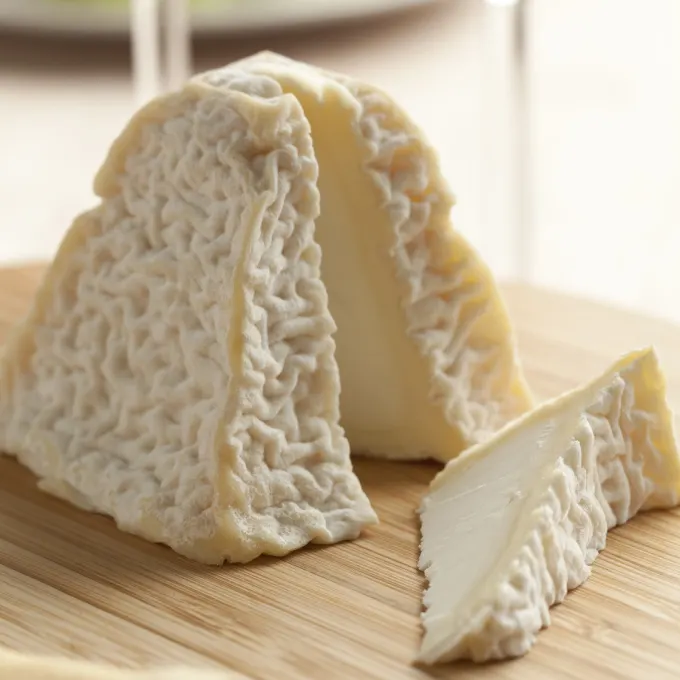 Pouligny-Saint-PierreBerry (Indre Department)Goat · Soft · medium
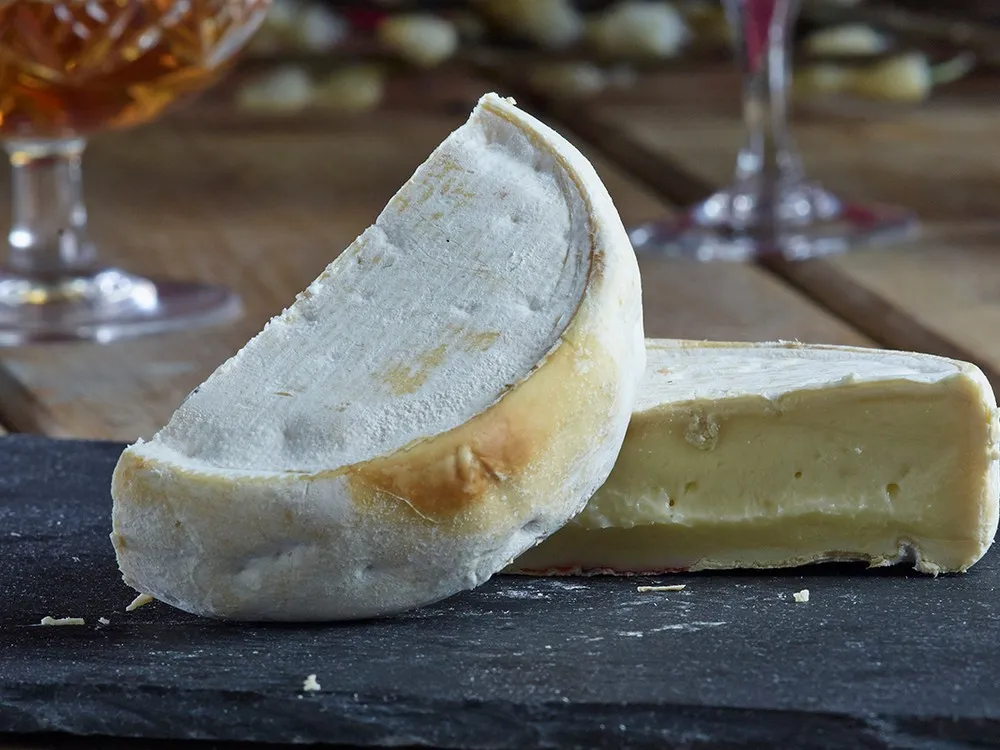 ReblochonSavoyCow · Semi-soft · medium
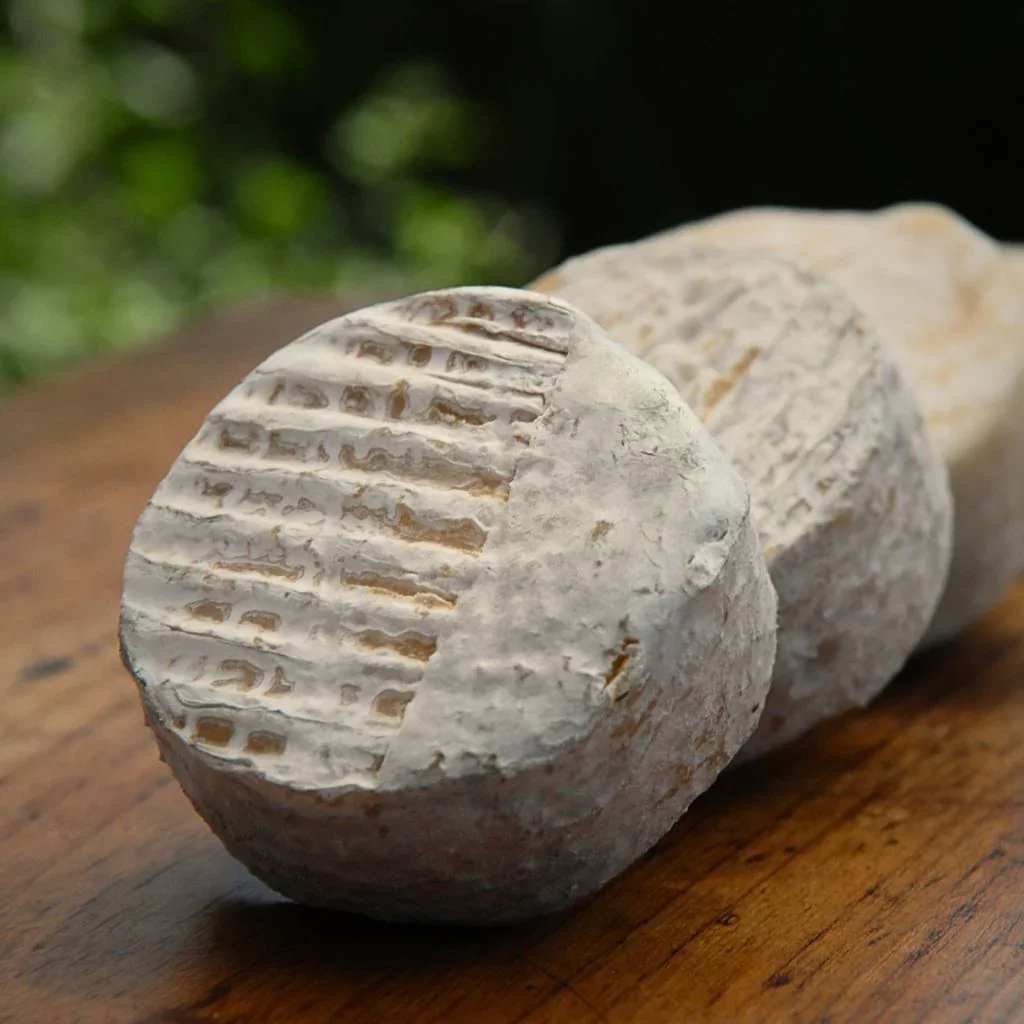 Rigotte de CondrieuRhône-Alpes (Pilat Massif)Goat · Soft · gentle
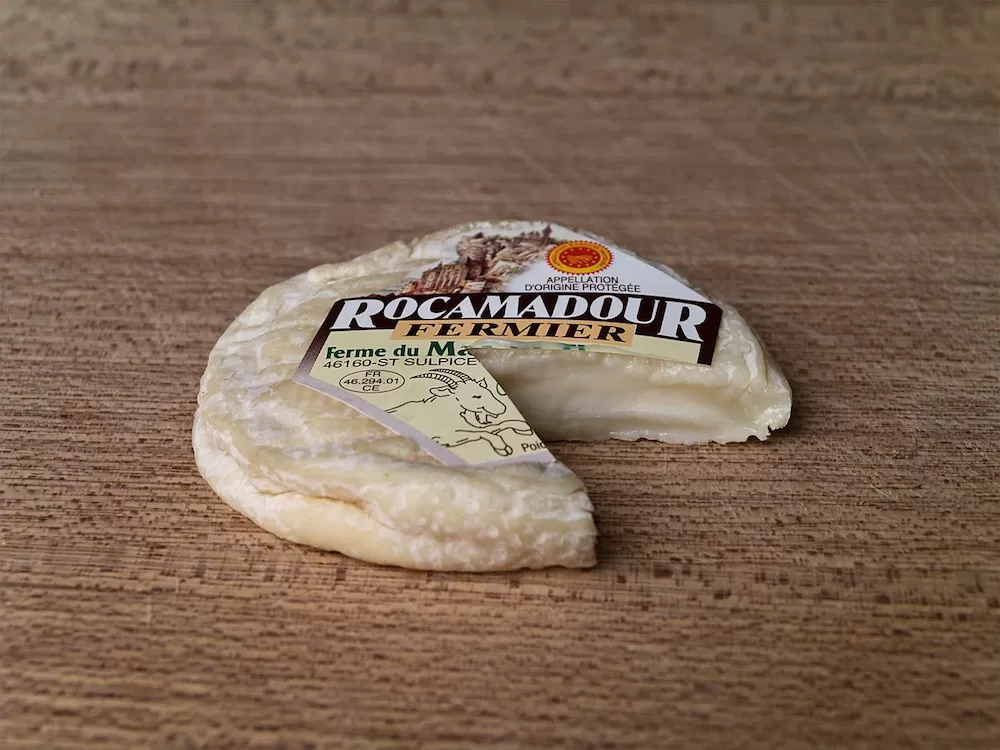 RocamadourQuercy (Lot Department)Goat · Soft · gentle
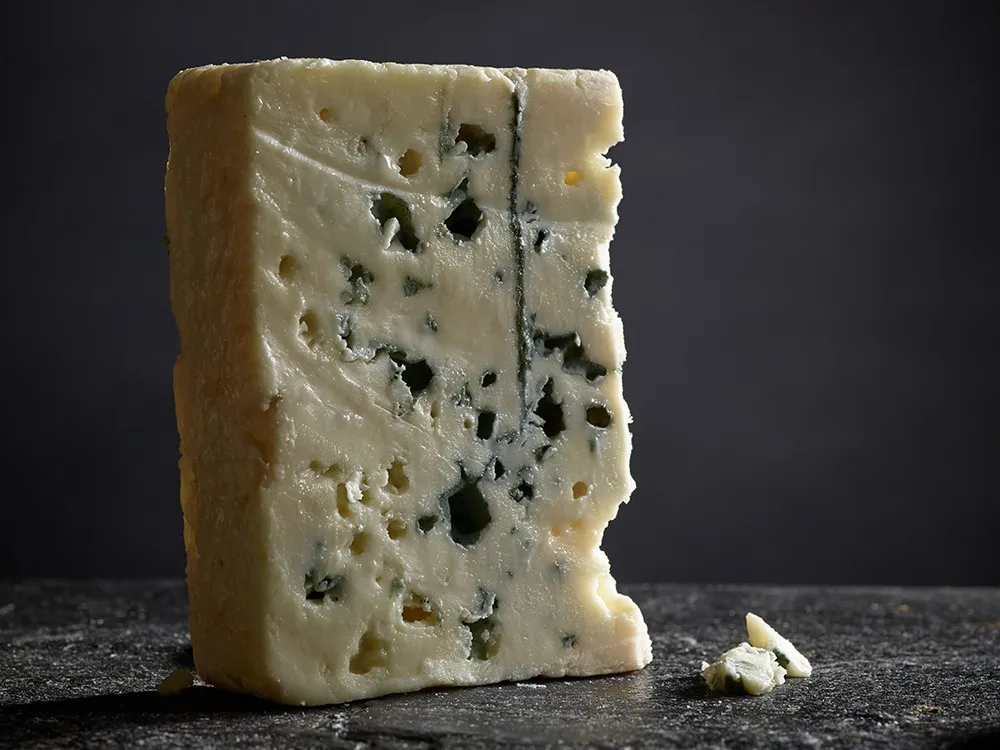 RoquefortAveyronSheep · Soft · extreme
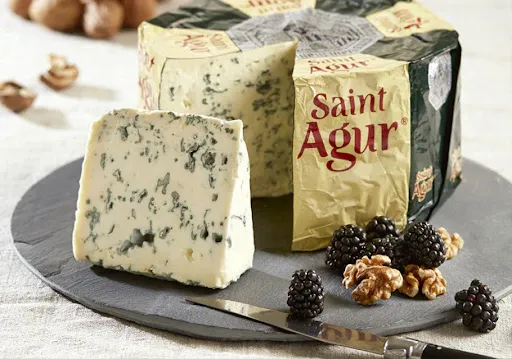 Saint AgurAuvergneCow · Soft · bold
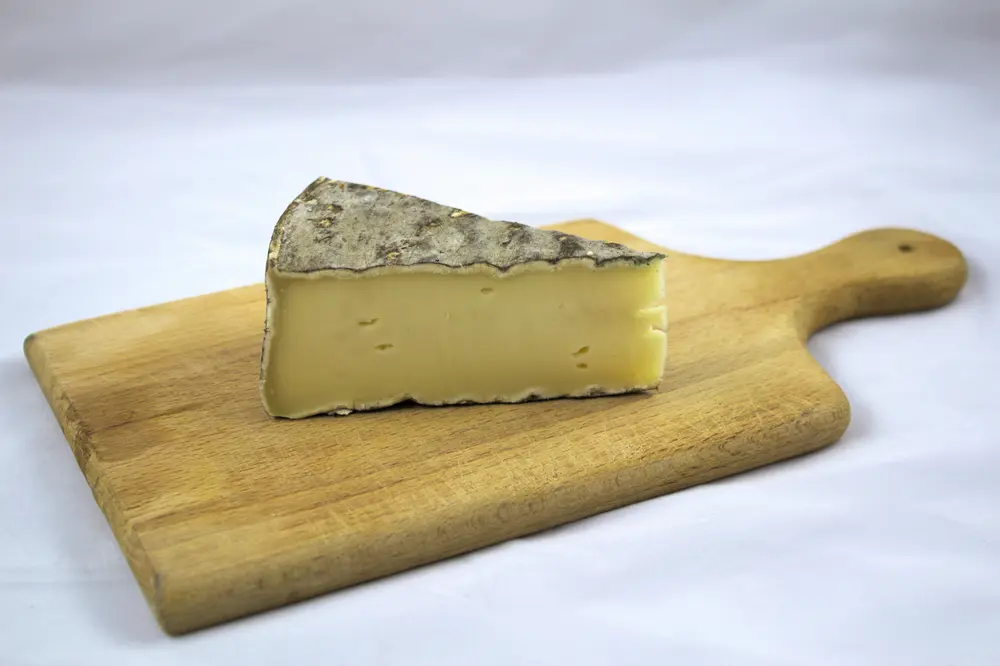 Saint-NectaireAuvergne (Monts-Dore)Cow · Semi-soft · medium
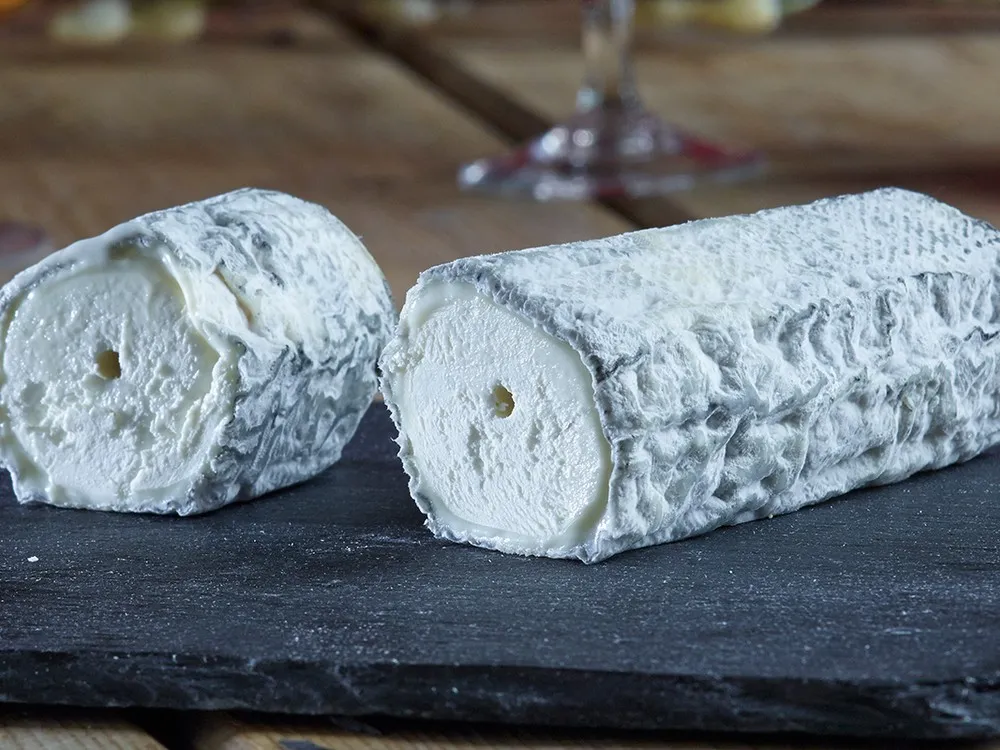 Sainte-Maure de TouraineLoire Valley (Touraine)Goat · Soft · medium
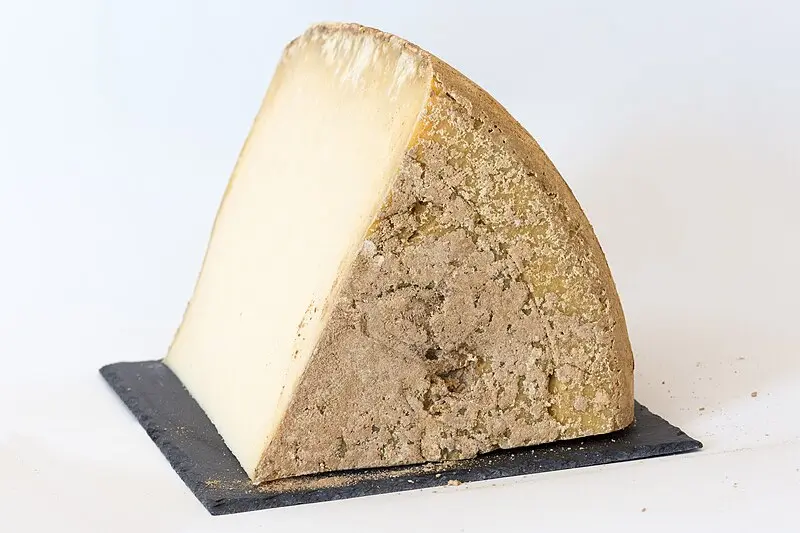 SalersAuvergne (Cantal)Cow · Hard · bold
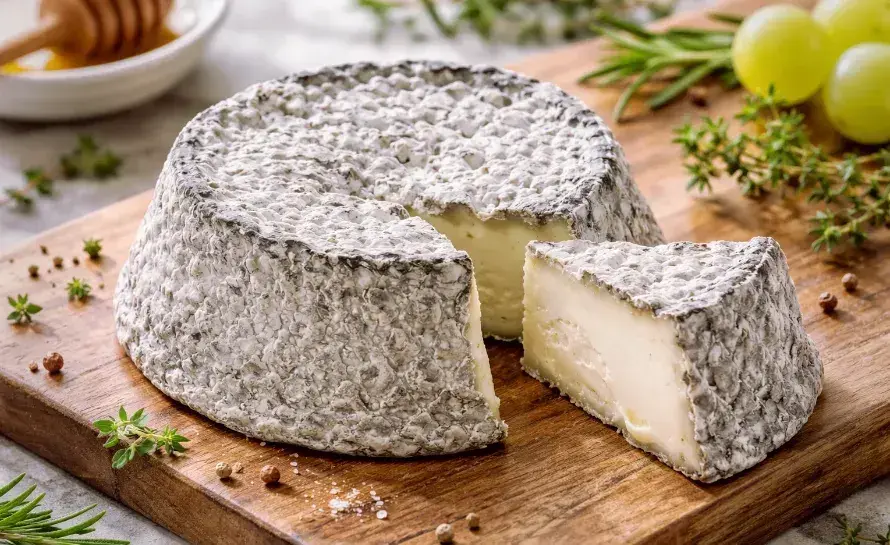 Selles-sur-CherCentre-Val de Loire (Sologne)Goat · Soft · medium
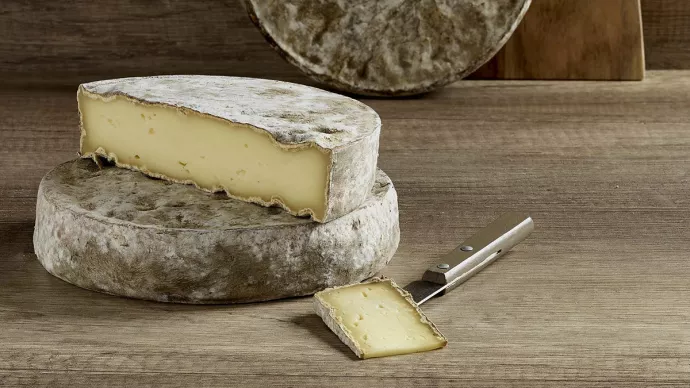 Tome des BaugesSavoie / Haute-Savoie (Bauges Massif)Cow · Semi-hard · medium
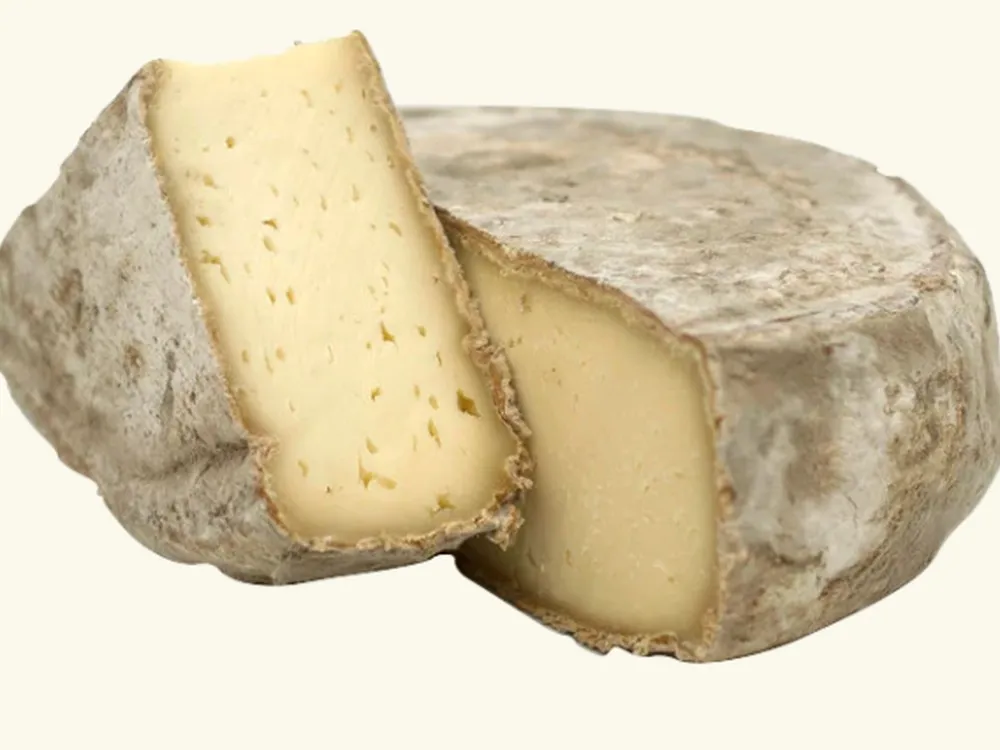 Tomme de SavoieSavoie, Haute-SavoieCow · Semi-hard · medium
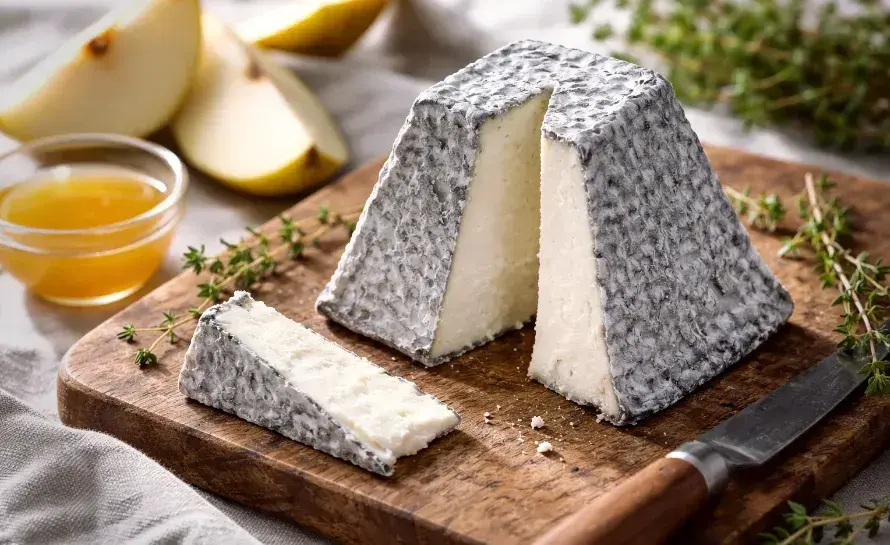 ValençayBerry / Loire Valley (Indre)Goat · Semi-soft · medium
How to build a cheese tasting route in France
1. Normandy and Île-de-France
Camembert de Normandie, Livarot, Pont-l'Évêque and Neufchâtel can show differences in rind, aroma and texture on a single trip. Adding a comparison of Brie de Meaux and Brie de Melun around Paris takes you beyond the idea of a single “Brie”.
2. Jura and Savoie
Comté, Morbier, Beaufort, Reblochon, Abondance and Tomme de Savoie form a strong cluster for seeing the effect of mountain milk, wheel size and ageing. Rather than many intense samples in one day, choose small portions of different ages.
3. Auvergne
France's official tourism site presents the Auvergne's five AOP cheeses together: Cantal, Salers, Saint-Nectaire, Fourme d'Ambert and Bleu d'Auvergne. The region is especially valuable for comparing hard, soft and blue styles within a short distance.
4. The Loire, Burgundy and the south
Along the Loire, goat's milk styles vary in shape, rind and maturity. In Burgundy, washed-rind examples such as Époisses stand out. On the southern route, Roquefort and Ossau-Iraty show sheep's milk heading in two very different directions.
Where to start, based on your palate
Start with Brie de Meaux, Brillat-Savarin, Chaource and a ripe Camembert de Normandie.
Comté, Beaufort, Abondance and Gruyère Français offer a firmer texture and a long finish.
Compare Crottin de Chavignol, Valençay, Sainte-Maure de Touraine and Chabichou du Poitou.
Roquefort, Bleu d'Auvergne, Bleu des Causses and Fourme d'Ambert give different levels of intensity.
With French cheeses, serving temperature and maturity make a large difference, especially for soft-rind and washed-rind styles. Add the full product name and its stage of ripeness to your tasting notes.
What to drink with French cheeses
Regional pairings can be a good cultural starting point, but they are not a rule on their own. Acidity matters with buttery, soft cheeses; sweetness with blue and salty ones; and body and persistent aroma with hard mountain cheeses.
In Cheesepedia, AI helps read the wine label and the likely wine profile. The cheese results are not written by a generative guess: the estimated wine profile is run through an expert-designed pairing engine against the existing cheese database. That gives you a more consistent starting selection for the bottle in your hand and your own palate.
Planning a cheese-focused trip
- Choose one production family. Normandy, Jura–Savoie, the Auvergne and the Loire make more sense as separate trips.
- Read the full AOP name. A general style name is not the same as a protected cheese name.
- Check market and dairy hours. Small producers may work seasonally or by appointment.
- Order by intensity. Moving from goat's cheeses to washed rinds and then to blues keeps a tasting legible.
Frequently asked questions
What is France's most famous cheese?
There is no single answer. Camembert de Normandie, Brie de Meaux, Comté, Roquefort and Reblochon are among the best known; regional diversity is the real strength of French cheese culture.
Which region is best for a cheese route in France?
It depends on what interests you. The Jura and Savoie for mountain cheeses, the Auvergne for seeing different styles together, Normandy for soft rinds and the Loire for goat's cheeses are all strong starting points.
What does the AOP label tell you?
AOP/PDO shows that the name is protected and tied to a specific geography and rules of production. Producer and maturity can still change the flavour.
Can I choose French cheeses by my taste profile?
Yes. In Cheesepedia you can look at cheeses by salt, acidity, umami, texture and intensity and compare them with your personal profile.
Sources and further reading
This guide is Cheesepedia's original interpretation of the references below. Listing a source does not imply that the organization endorses Cheesepedia.