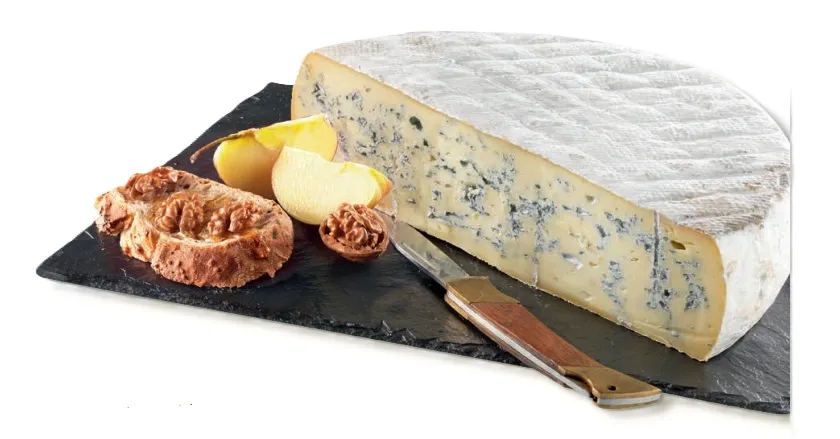
What is Bleu du Vercors-Sassenage?
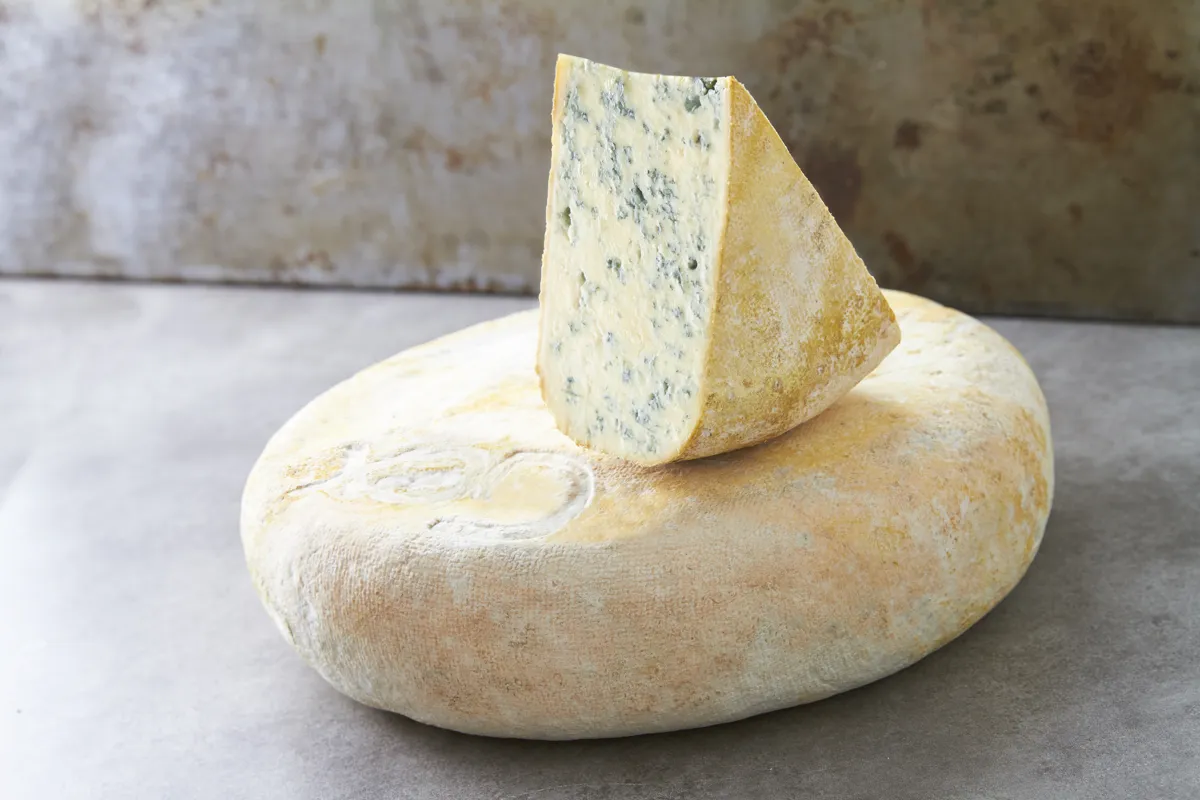
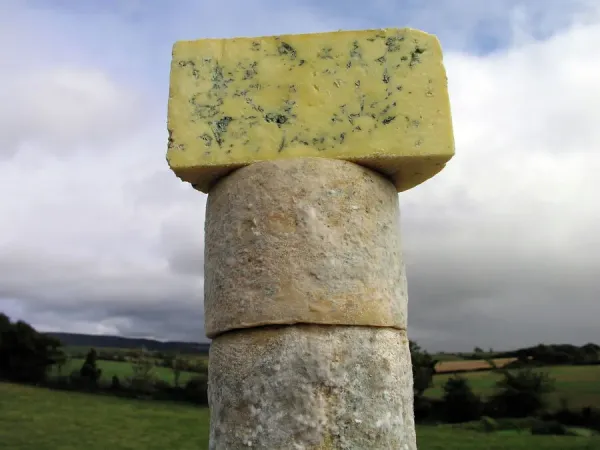
A mild, buttery blue cow’s milk cheese from the Vercors plateau in the Rhône-Alpes region. Its production uses a distinctive double-curd method: the previous evening’s milk is gently heated and combined with fresh morning milk before setting, giving the cheese its characteristic creaminess and subtle sweetness. Lower in salt than most French blue cheeses, it is produced in 4–4.5 kg cylinders and aged for a minimum of 21 days.
Taste, aroma, and texture
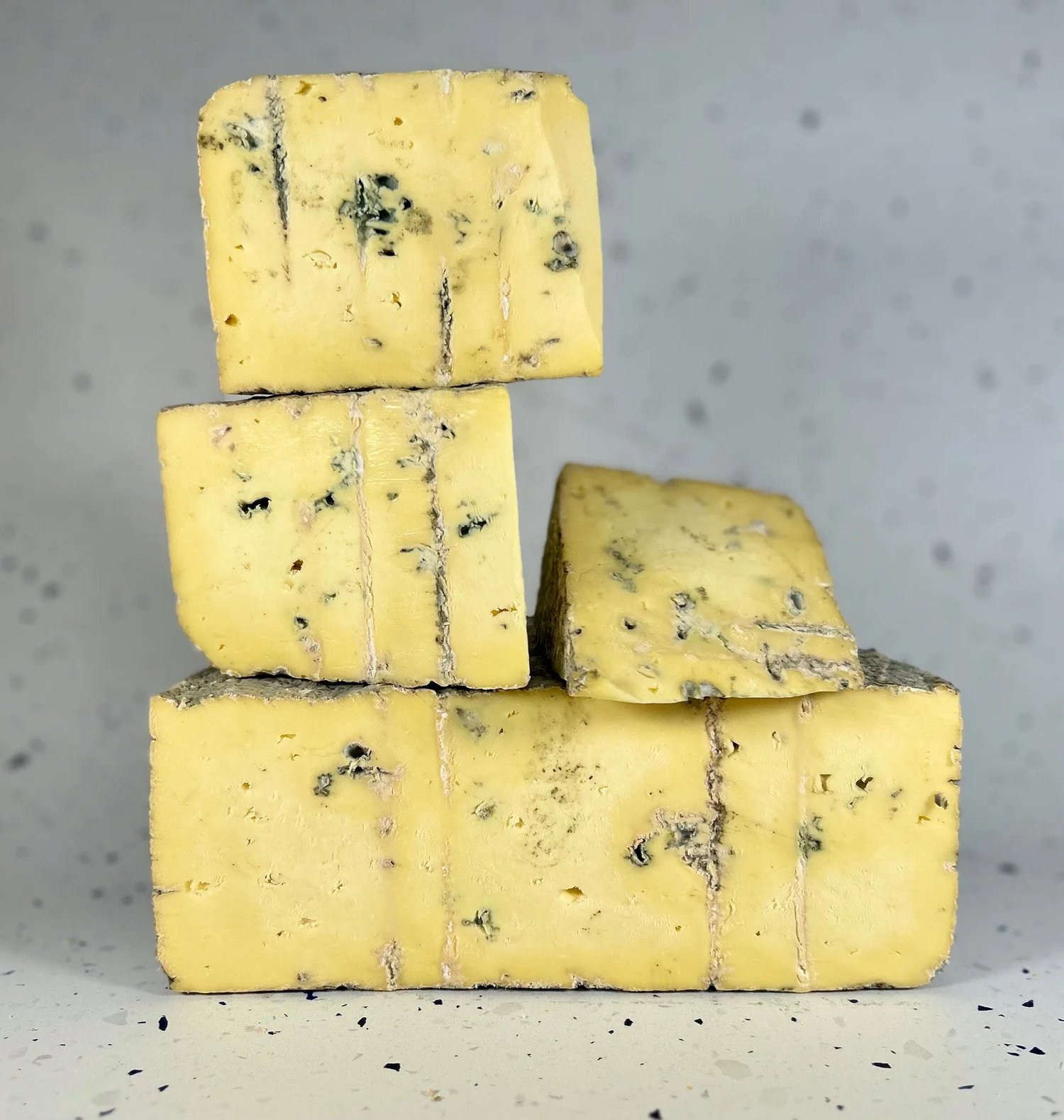
Supple, smooth, and marbled with fine blue-green veins. The paste is very creamy and melts readily on the palate. The natural rind is thin and light grey. Less crumbly than most French blue cheeses.
Earthy notes are dominant, while lactic, fruity, animal, and herbal notes are all clearly present in balanced measure. Gentle and harmonious overall. No smoky character. One of the mildest-smelling major French blue cheeses.
Cheesepedia taste profile
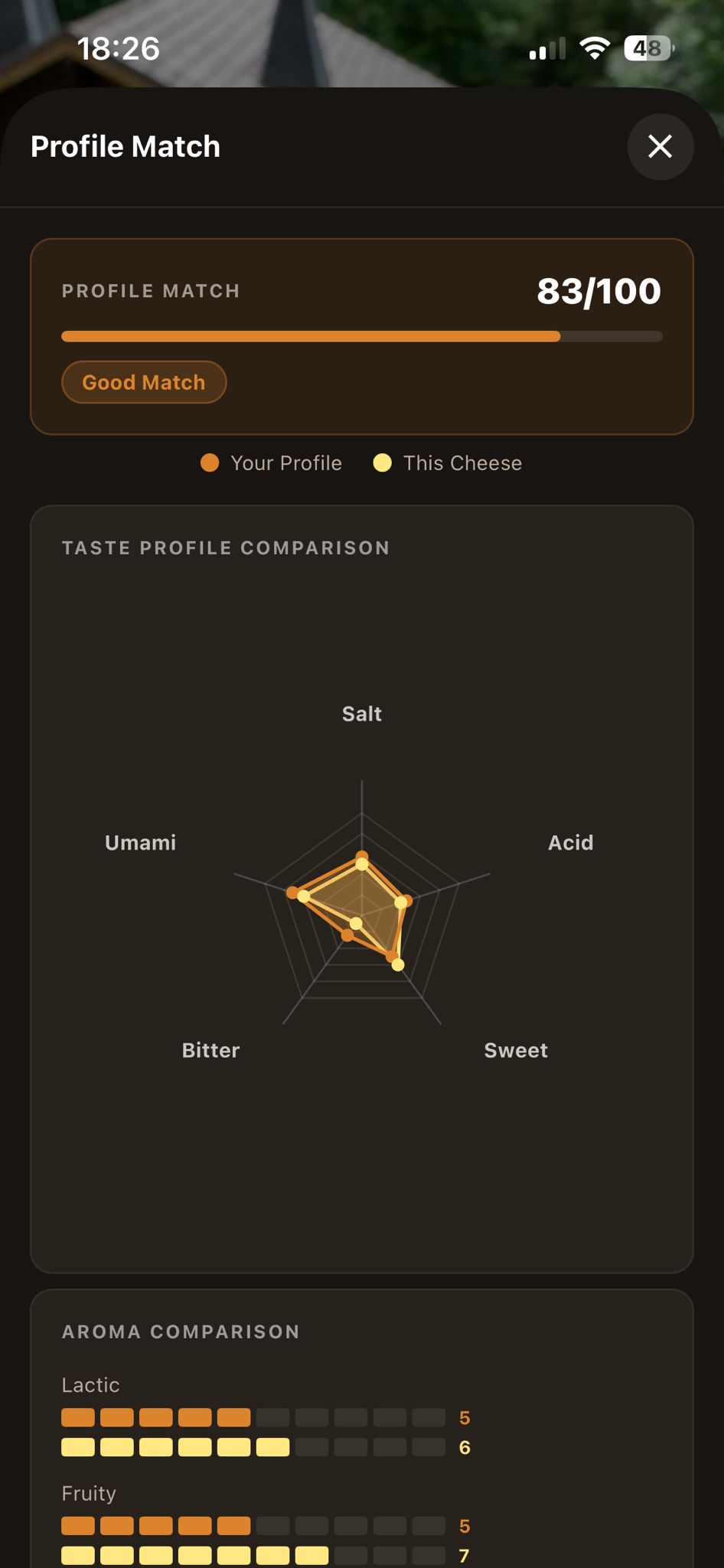
The values below are the structured baseline in the Cheesepedia app. Your personal match is calculated separately from your own taste profile.
A general profile can describe Bleu du Vercors-Sassenage, but it cannot know how closely the cheese fits your preferences. Cheesepedia Premium compares this profile with your personal taste profile and lets you evaluate cheeses side by side.
See your personal matchHow to enjoy it
- Melted into creamy sauces, gratins, or soups.
- Served with pears, nuts, or mild honey.
- Crumbled over salads or roasted vegetables.
- Used in local Vercors-style potato dishes.
What pairs with Bleu du Vercors-Sassenage?
Classic serving companions from the Cheesepedia catalog.
- Butter Cracker
- Walnut Cracker
- Whole Wheat Cracker
- Grissini
- Salted Cracker
Find the right wine in Cheesepedia
Cheesepedia uses an expert-designed algorithm that compares the cheese's taste, intensity, and production profile with the wine's body, acidity, tannin, and sweetness. Wine pairings are not generated by AI.
See wine pairings for Bleu du Vercors-SassenageStory and origin
The Barons of Sassenage placed this cheese under their protection as early as the 14th century, and it was so highly valued that farmers paid part of their feudal dues with it. It is one of the oldest recorded protected cheeses in France. It received AOC status in 1998 and PDO status in 2001.
Storage and serving
- Store in the fridge, wrapped in cheese paper.
- Air travel: suitable only for short trips if sealed and kept cold.
Profile sources and methodology
This page uses the same curated record as the Cheesepedia mobile app. Production-style and designation references provide context; they do not imply endorsement of Cheesepedia.