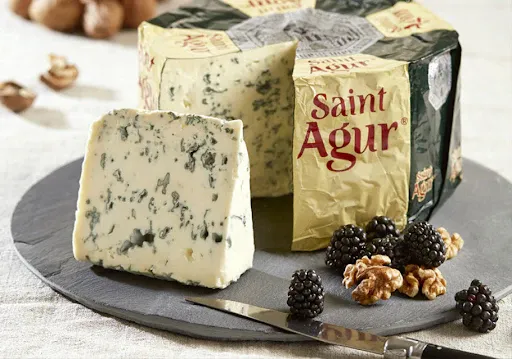
What is Saint Agur?
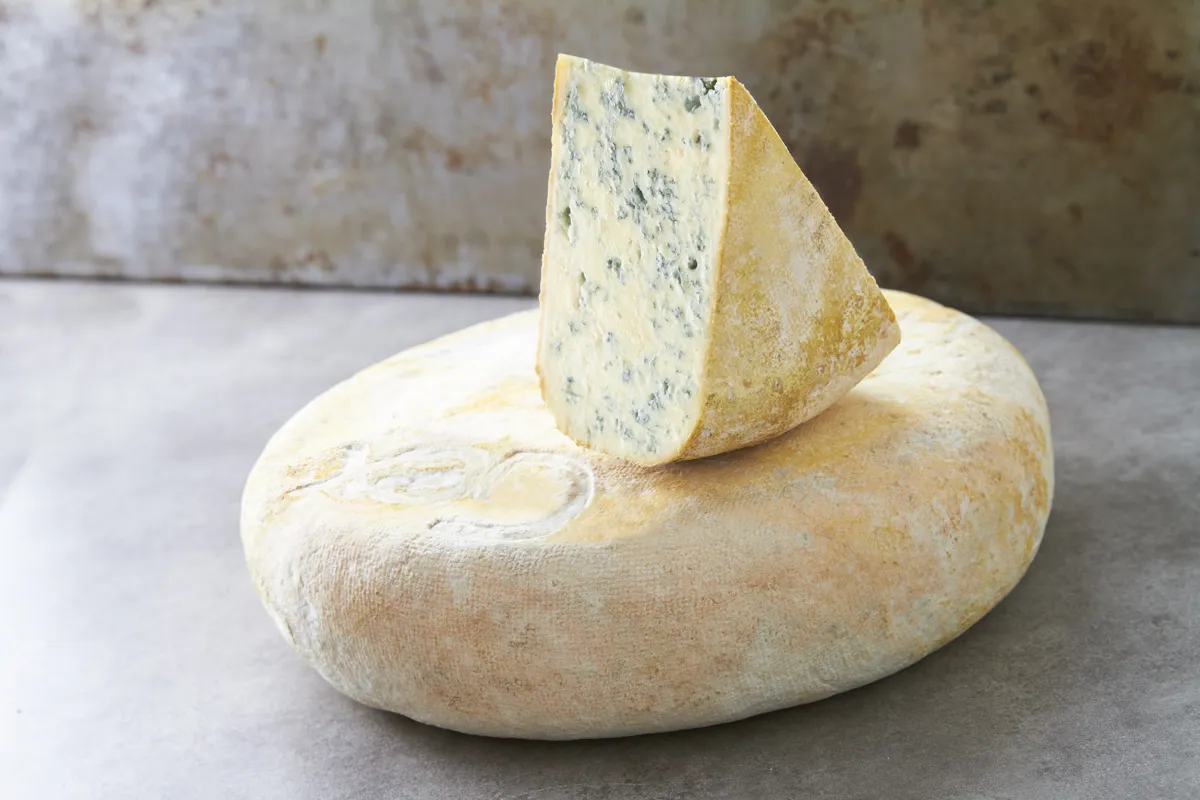
A double-cream blue cow’s milk cheese from Haute-Loire in Auvergne, produced in distinctive octagonal wheels of approximately 2 kg. Saint Agur is not a geographical indication cheese, but a proprietary brand created in 1988 by Bongrain, now Savencia. It was designed to be milder, creamier, and more spreadable than traditional French blue cheeses, with a higher fat content giving it a smooth, velvety character.
Taste, aroma, and texture
Texture
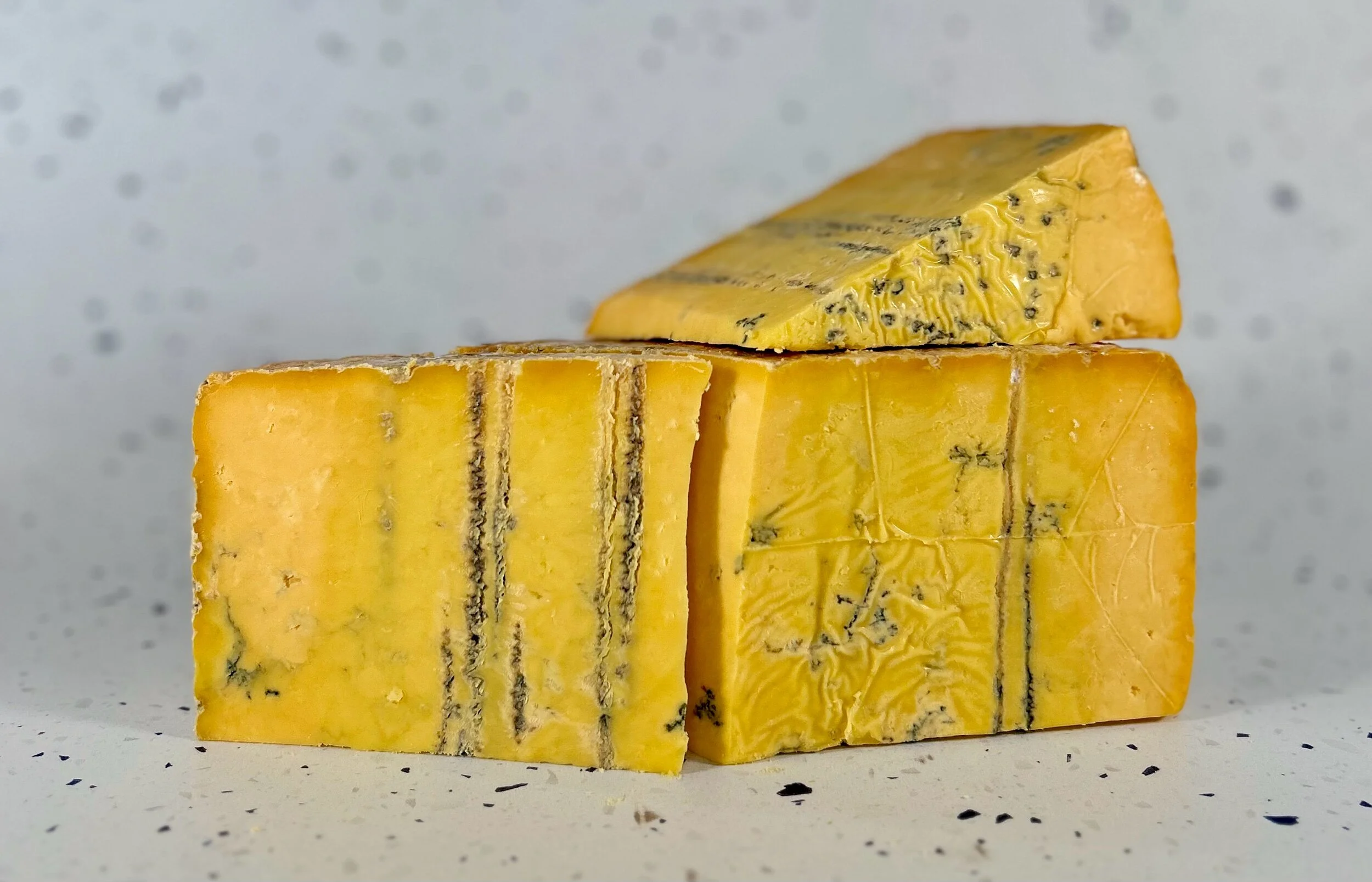
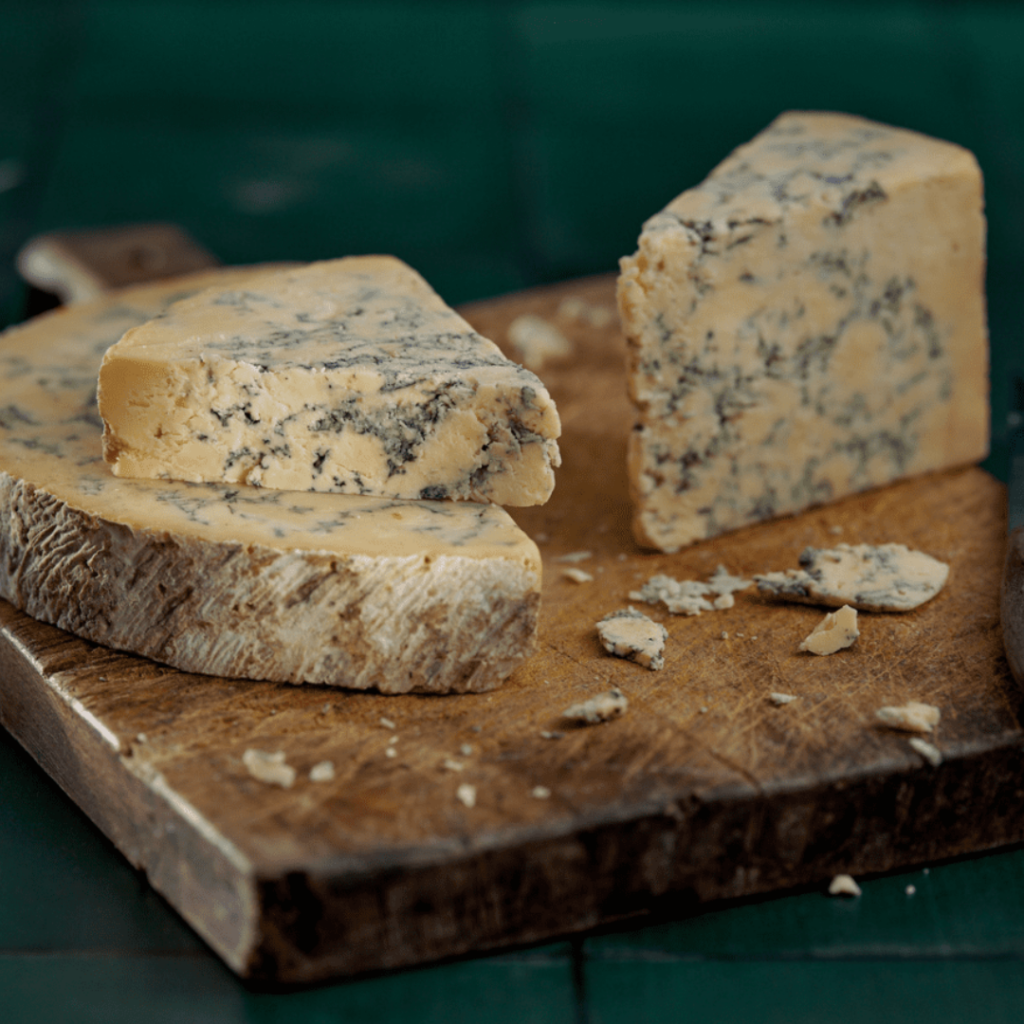
Spreadable and velvety, among the creamiest blue cheeses. The ivory interior is marked by vivid blue veining. Its double-cream composition makes it unusually soft and spreadable for a blue cheese. The octagonal shape is distinctive. No natural rind; wrapped in foil.
Aroma
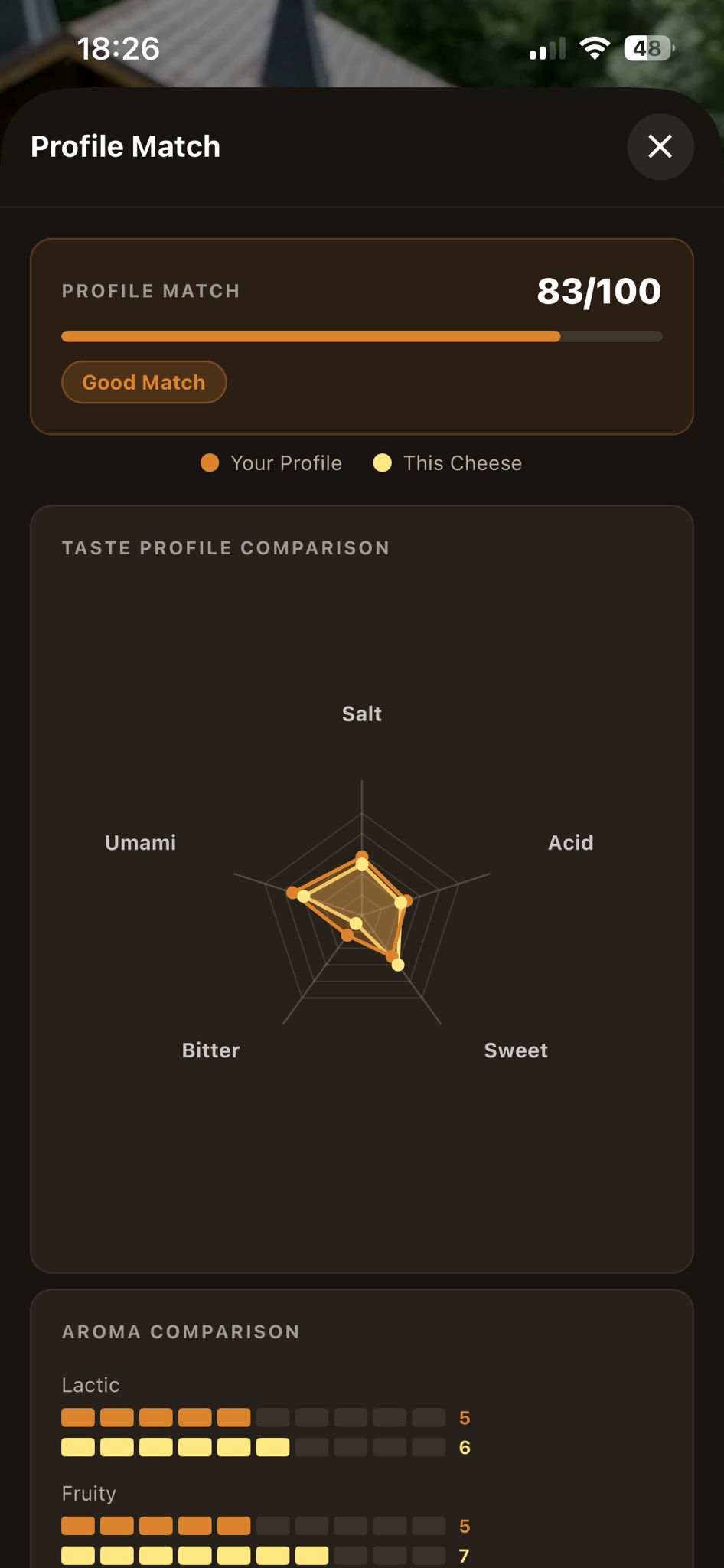
Earthy notes are dominant, with animal and lactic notes equally noticeable. Fruity notes are present, while herbal and smoky notes are barely perceptible. Significantly milder than many AOC/PDO blue cheeses, as the creaminess softens the blue mould character.
Cheesepedia taste profile
These values are the structured baseline in the Cheesepedia app. Your personal match is calculated separately from your own taste profile.
How to enjoy it
- 01
Spread on bread, crackers, or warm toast.
- 02
Melted into creamy blue cheese sauces.
- 03
Crumbled over salads, burgers, or roasted vegetables.
What pairs with Saint Agur?
Classic serving companions from the Cheesepedia catalog.
- Walnuts (Complements the mold's nuttiness)
- Grapes or Pear Slices
- Dark Rye Bread
- Honey (Drizzled over the cheese)
- Rye Crackers
Story and origin
Created in 1988 by Bongrain, now Savencia, in the Velay region of Haute-Loire, Saint Agur was developed as a more accessible blue cheese for modern consumers who found traditional blues too sharp or salty. Despite having no geographical indication protection, it has become one of the most recognisable blue cheeses in France and across Europe.
Storage and serving
- Store in the fridge, wrapped in cheese paper.
- Air travel: suitable only for short trips if sealed and kept cold.
Profile sources and methodology
This page uses the same curated record as the Cheesepedia mobile app. Production-style and designation references provide context; they do not imply endorsement of Cheesepedia.