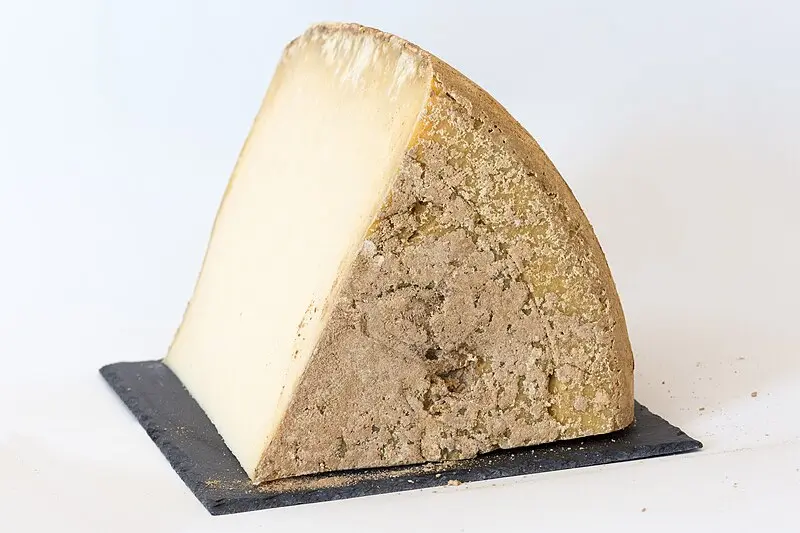
What is Salers?
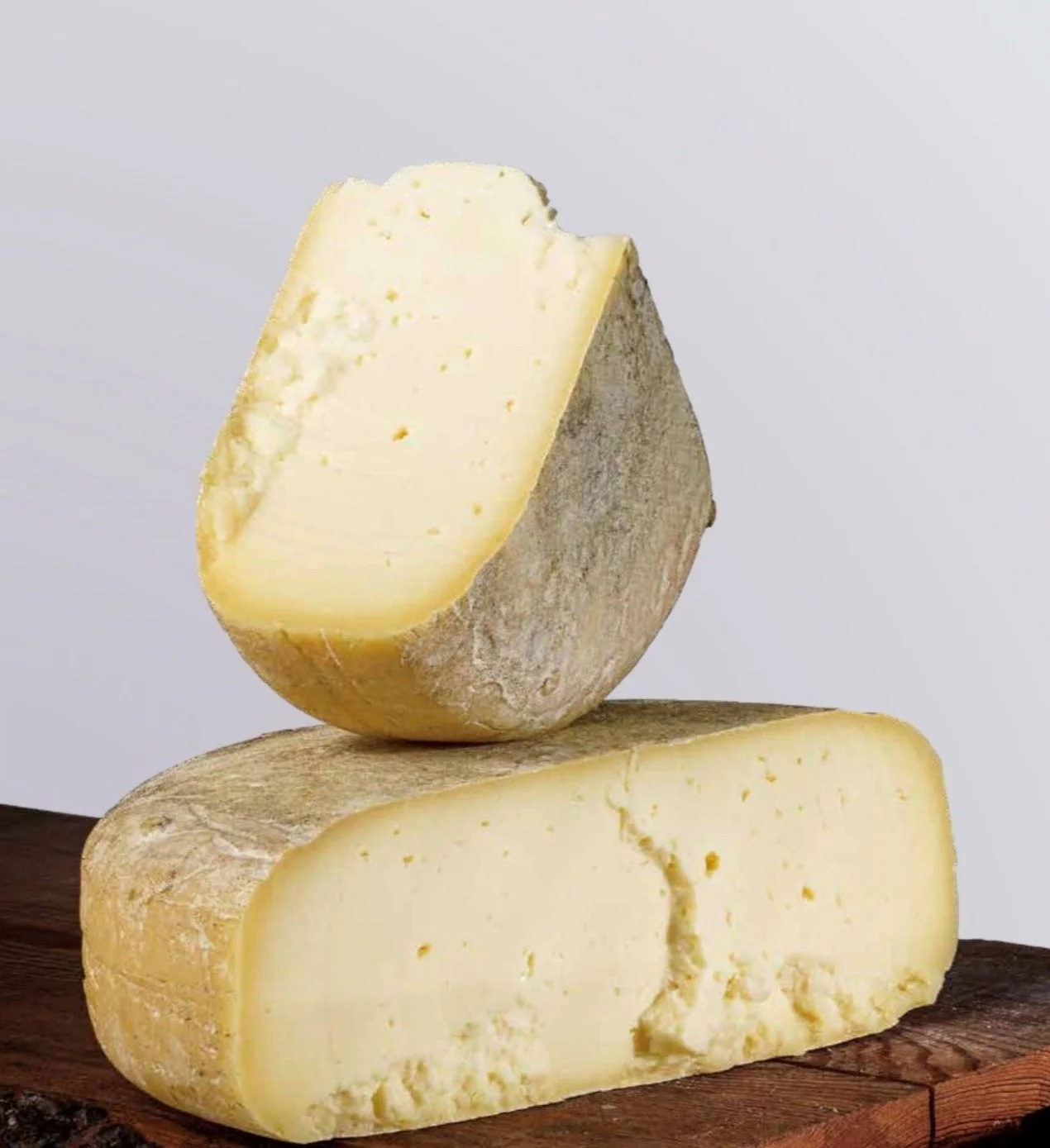
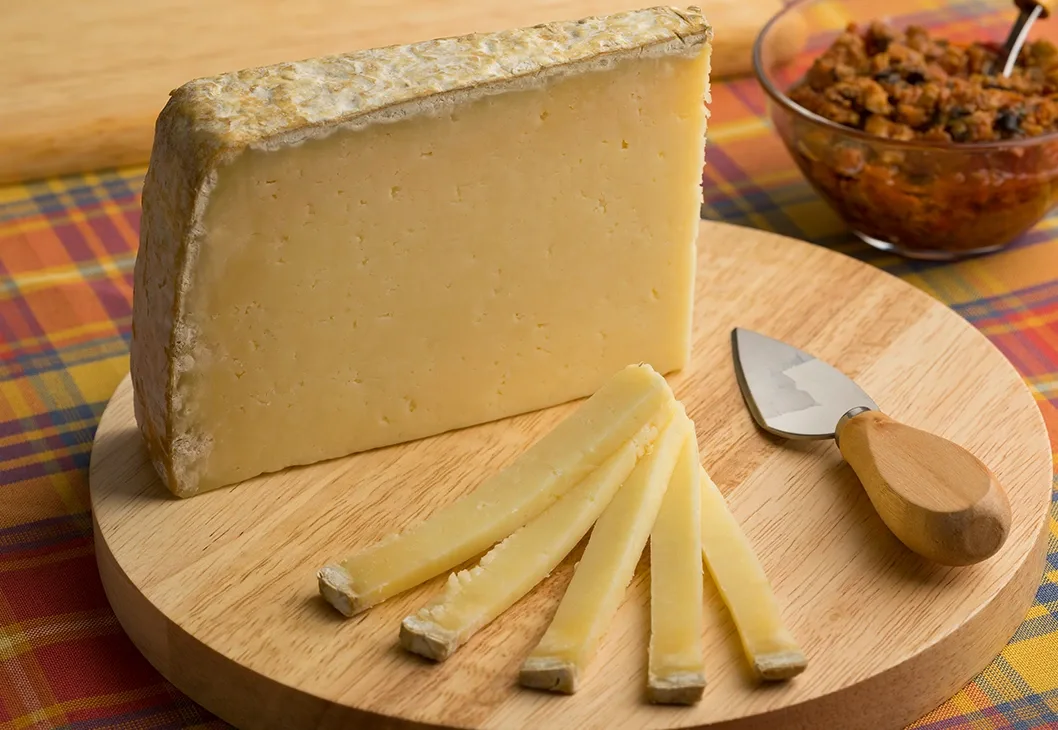
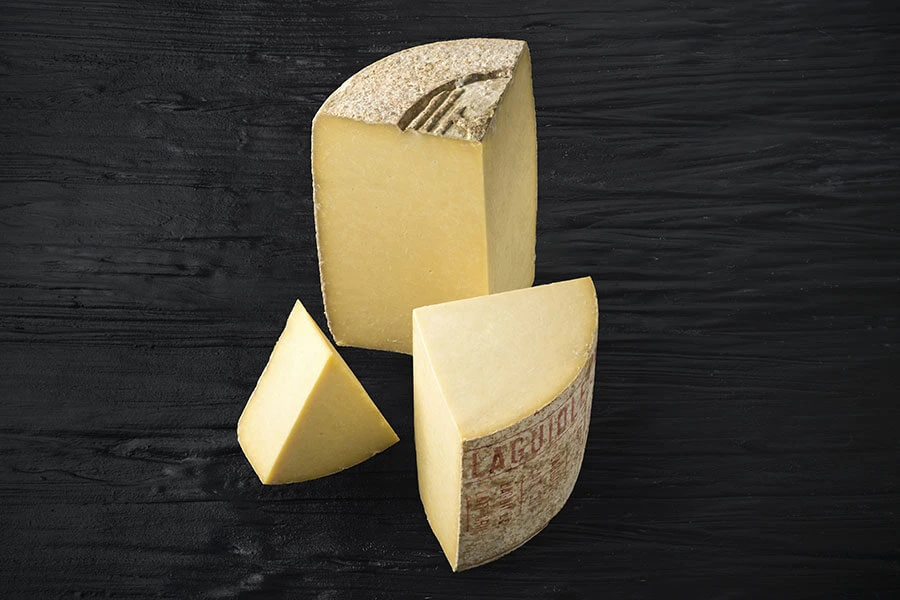
A firm pressed raw-milk cheese from the Cantal mountains, produced only between 15 April and 15 November, when cows graze on high volcanic pastures. Made exclusively in traditional wooden vats (gerle); only cheeses made from the milk of herds composed entirely of Salers cows may carry the “Tradition Salers” mention. Produced in large cylinders weighing 30–50 kg and aged for a minimum of 3 months. More intense than Cantal, with greater seasonal variation.
Taste, aroma, and texture
Texture
Hard and dense, with a thick natural grey-brown rind. The interior is rich and crumbly, becoming increasingly crystalline with extended ageing. The gerle wooden vat contributes a distinctive rustic character to the paste. Cylinders weigh 30–50 kg.
Aroma
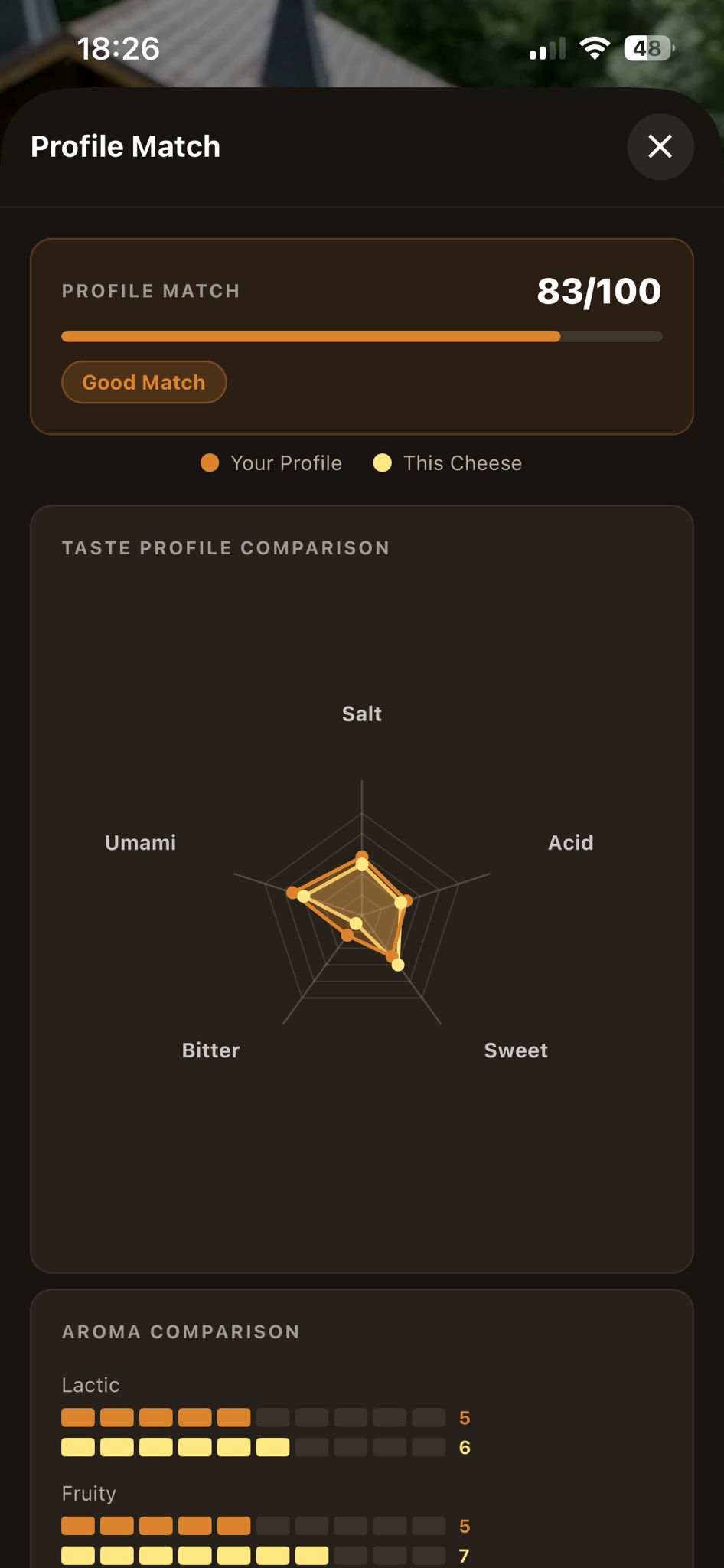
Herbal and earthy notes are equally dominant, reflecting wild mountain flora and the volcanic Cantal plateau. Fruity and animal notes are equally noticeable, while lactic notes are present. No significant smoky character.
Cheesepedia taste profile
These values are the structured baseline in the Cheesepedia app. Your personal match is calculated separately from your own taste profile.
How to enjoy it
- 01
Sliced into farmhouse-style cheese plates.
- 02
Grated over soups, pasta, or baked vegetables.
- 03
Melted into rustic potato dishes or gratins.
What pairs with Salers?
Classic serving companions from the Cheesepedia catalog.
- Fresh Grapes
- Light Unsalted Crackers
- Green Olives
- Raw Almonds
- Oatcakes
Story and origin
One of France’s oldest cheeses, with documented production on the Cantal plateau dating back to the 15th century. Historically distinct from Cantal through its farmhouse-only production in traditional gerle wooden vats. The seasonal production window from April to November is a strict specification. It has held AOC status since 1961 and PDO status since 1996.
Storage and serving
- Store in the fridge, wrapped or vacuum-packed.
- Air travel: suitable, especially if vacuum-packed.
Profile sources and methodology
This page uses the same curated record as the Cheesepedia mobile app. Production-style and designation references provide context; they do not imply endorsement of Cheesepedia.