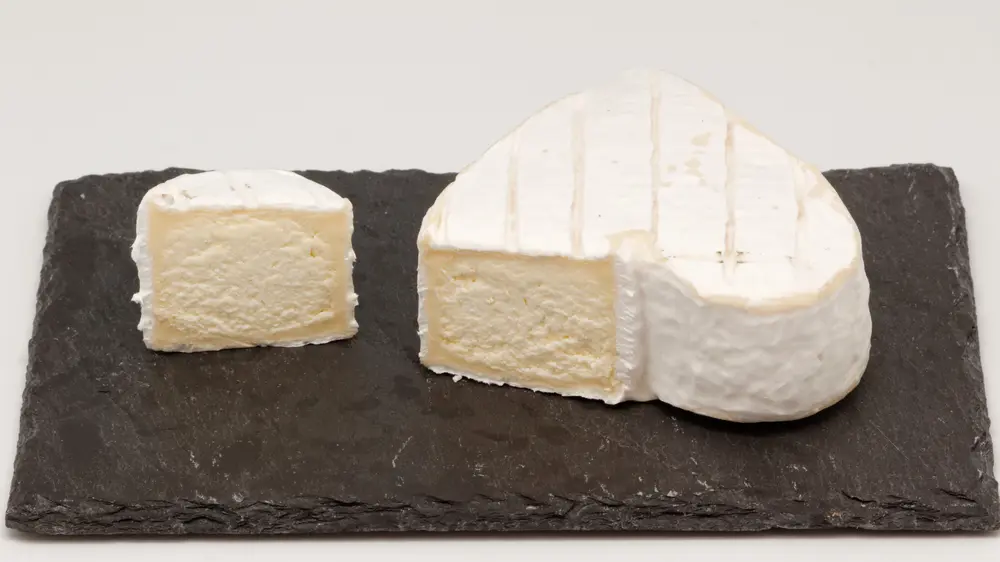
What is Neufchâtel?
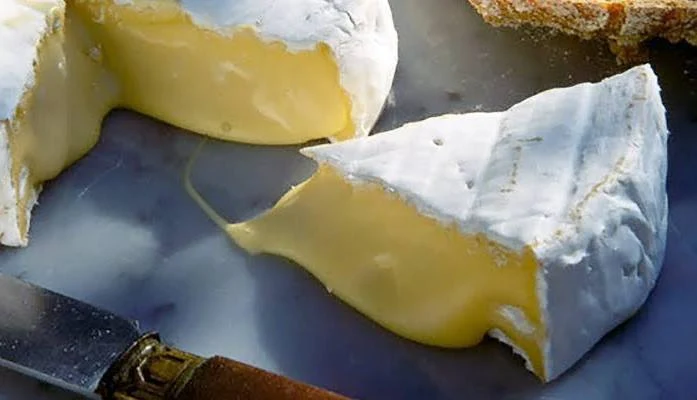
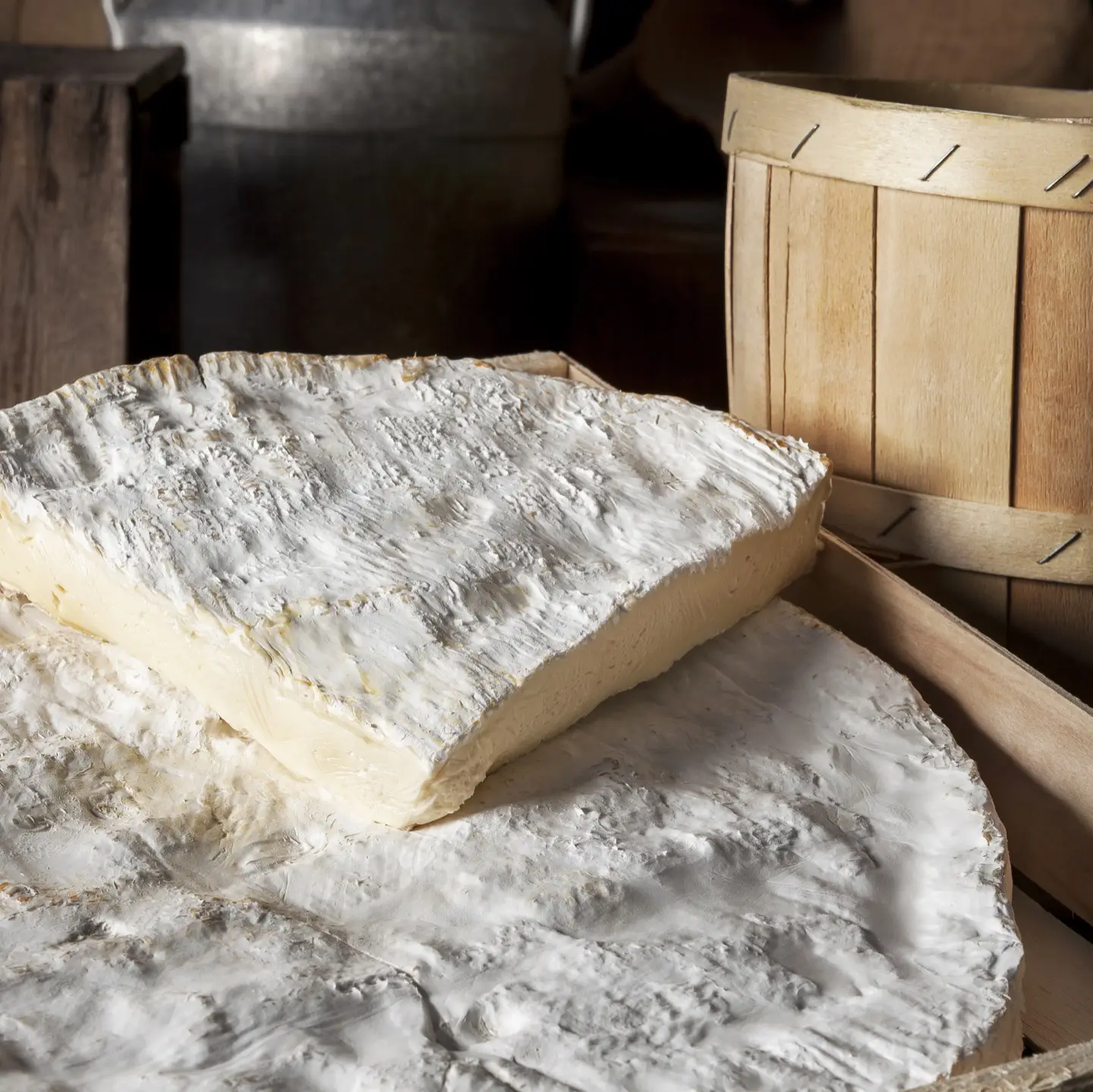
The oldest cheese of Normandy, produced in six different shapes, the most iconic being the heart (coeur). Made from raw or pasteurised cow’s milk in the Seine-Maritime department, it develops a natural white bloomy rind from Penicillium camemberti or Penicillium candidum. Aged for a minimum of 10 days. Its heart shape has made it a symbol of love and affection for centuries.
Taste, aroma, and texture
Texture
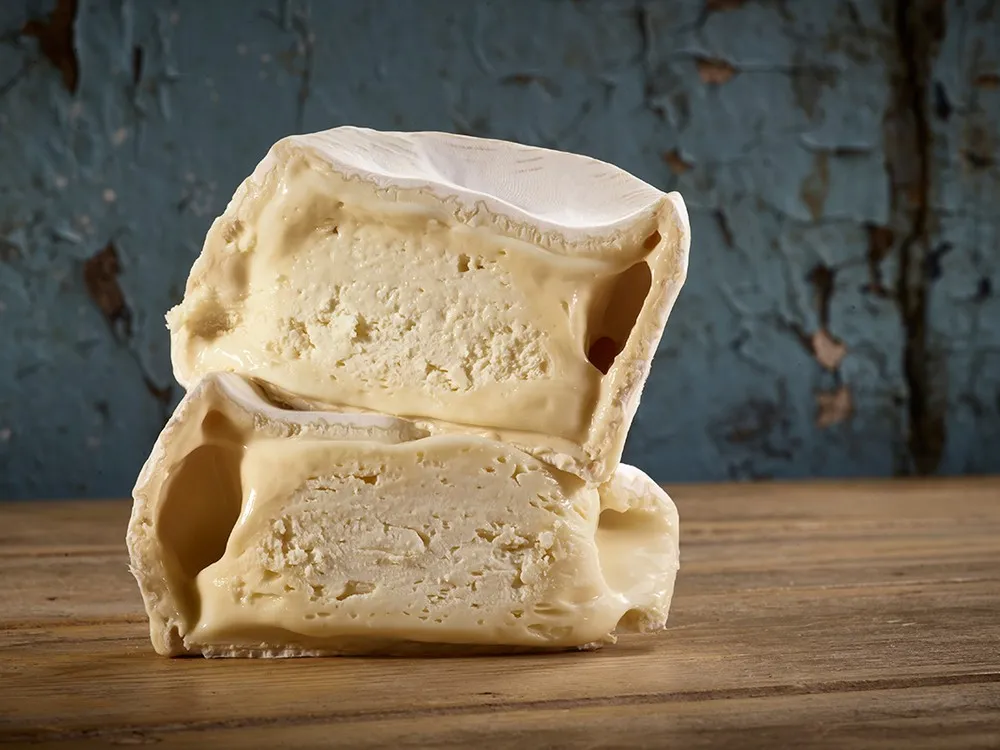
A velvety outer rind surrounds a smooth, slightly grainy yet supple interior. Buttery on the palate and softens significantly with maturity. The heart is by far the most famous shape, though other forms such as bonde, briquette, carrée, and double-bonde share the same interior character.
Aroma
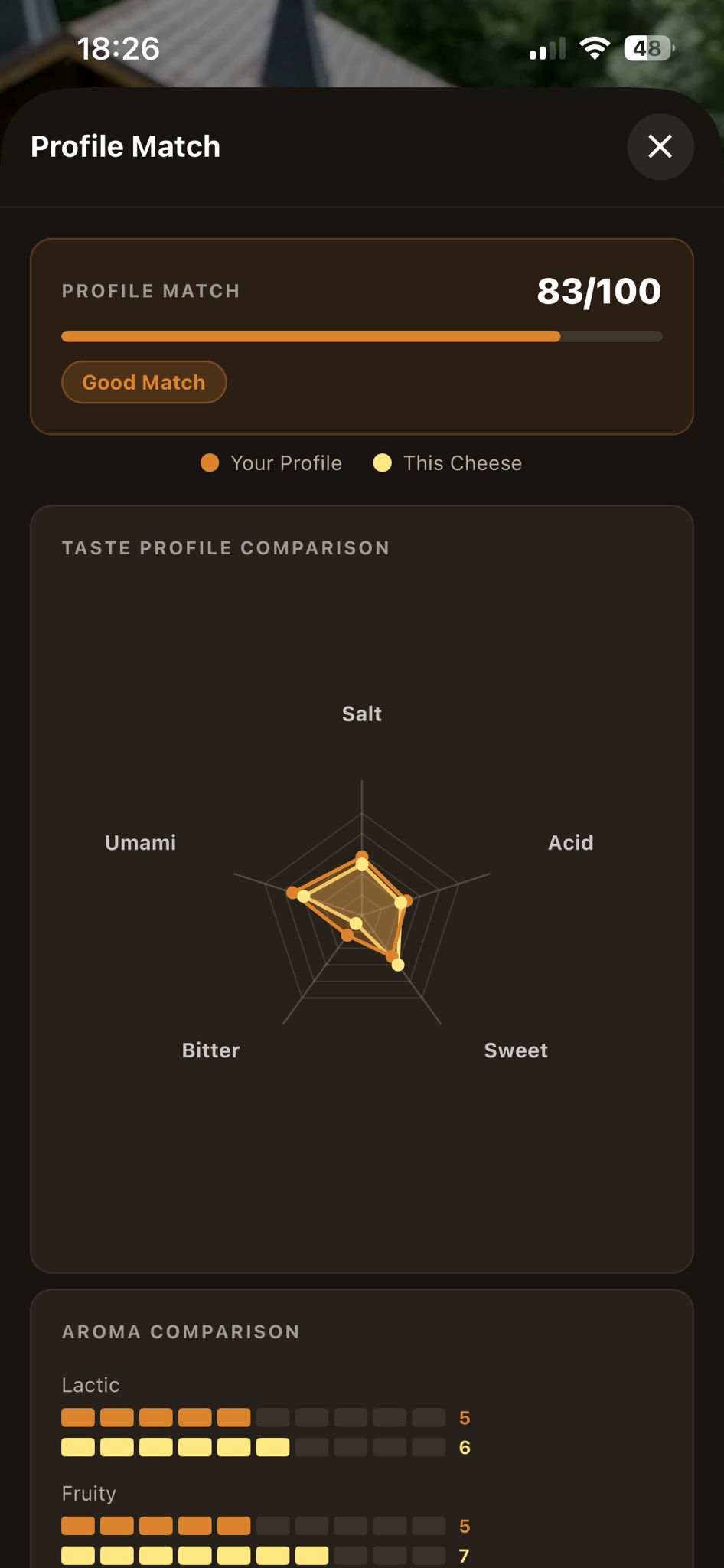
Lactic notes are strongly dominant. Earthy notes, especially fresh mushroom character, are strongly present. Animal notes are noticeable, while fruity and herbal notes remain faint. No smoky character.
Cheesepedia taste profile
These values are the structured baseline in the Cheesepedia app. Your personal match is calculated separately from your own taste profile.
How to enjoy it
- 01
Spread on bread, crackers, or warm toast.
- 02
Served with apples, pears, or fresh berries.
- 03
Used in sandwiches, tartines, or savoury pastries.
- 04
Added to creamy fillings or light cheese spreads.
What pairs with Neufchâtel?
Classic serving companions from the Cheesepedia catalog.
- Boiled Potatoes
- Cured Meats & Ham
- Crusty Baguette
- Walnuts
- Grissini
Story and origin
Dating back to the 10th century, it is one of the oldest cheeses in France. According to legend, during the Hundred Years’ War, Norman farm girls shaped the cheese into hearts to express affection for English soldiers. It has held AOC status since 1969 and PDO status since 1996.
Storage and serving
- Store in the fridge, in brine or sealed packaging.
- Air travel: suitable only in leak-proof packaging.
Profile sources and methodology
This page uses the same curated record as the Cheesepedia mobile app. Production-style and designation references provide context; they do not imply endorsement of Cheesepedia.