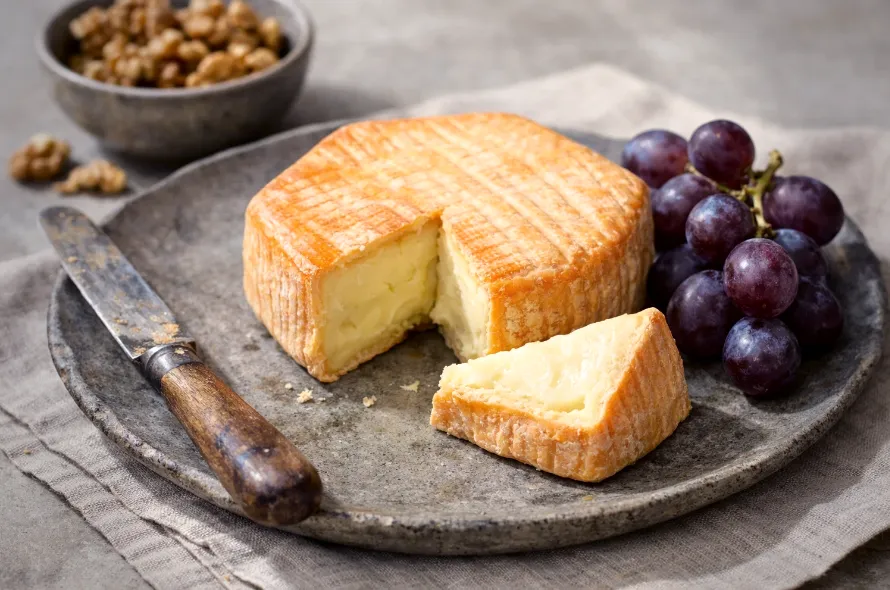
What is Maroilles?
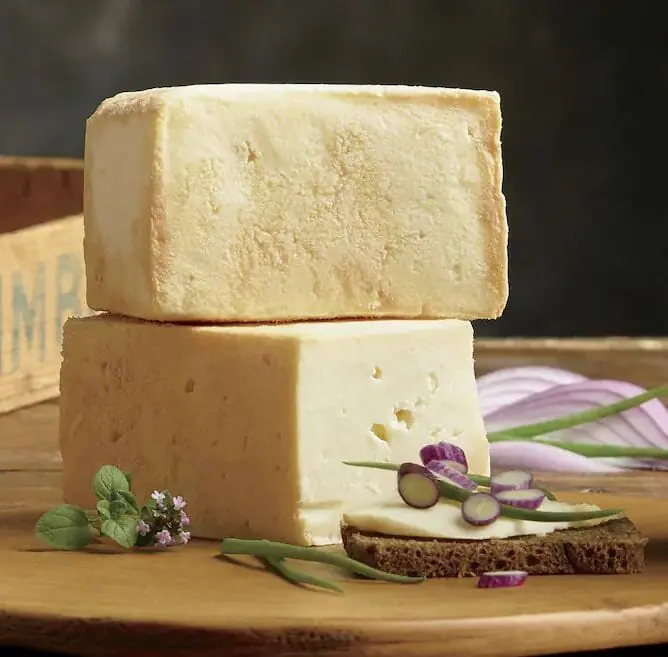
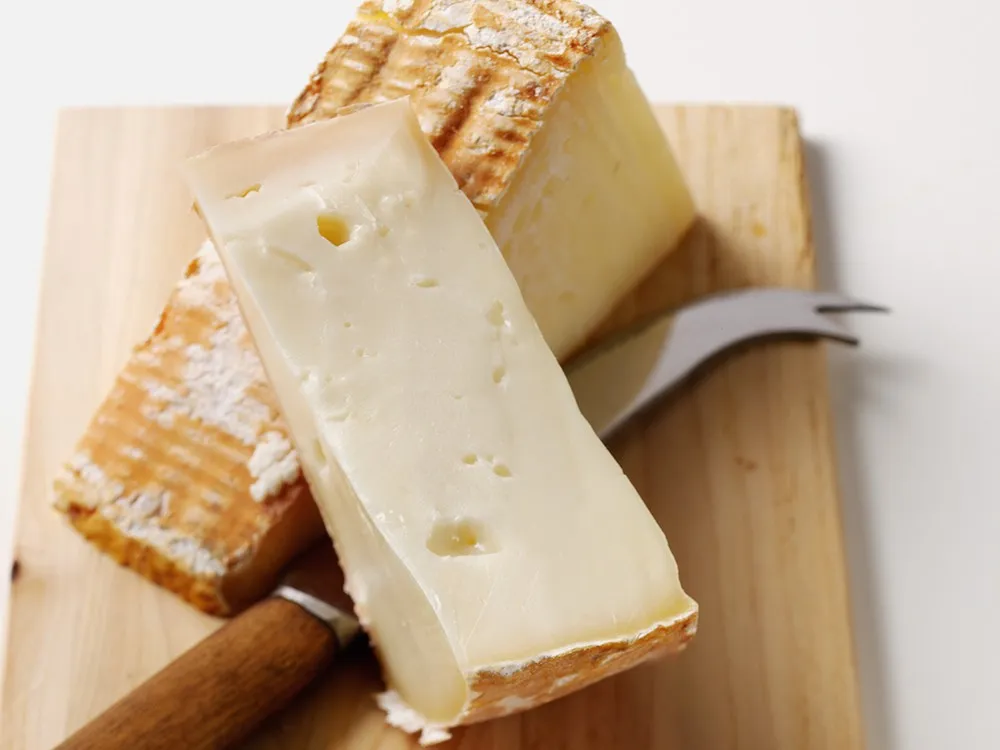
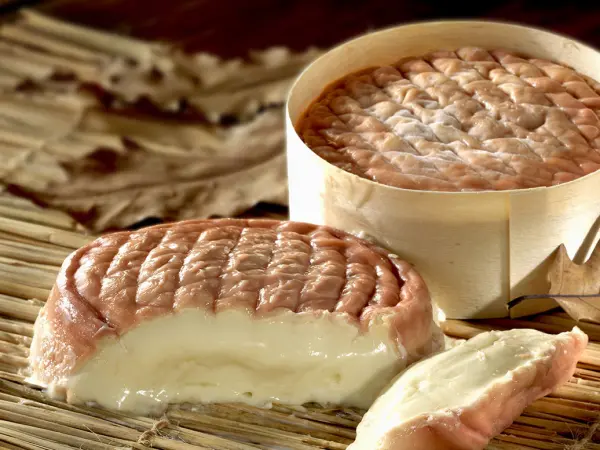
A square-shaped soft washed-rind cow’s milk cheese from the Thiérache region of northern France, produced in four sizes ranging from 180 g (Quart) to 720 g (Maroilles). Known as the “King of Cheeses” in northern France. The orange-red rind is washed repeatedly during ageing, while the interior remains surprisingly mild and rich despite the powerful exterior.
Taste, aroma, and texture
Texture
Supple, soft, and smooth beneath the orange-red washed rind. The paste is homogeneous and becomes more fluid and unctuous with extended ageing. Its square shape is distinctive. All four sizes share the same characteristic rind and interior structure.
Aroma
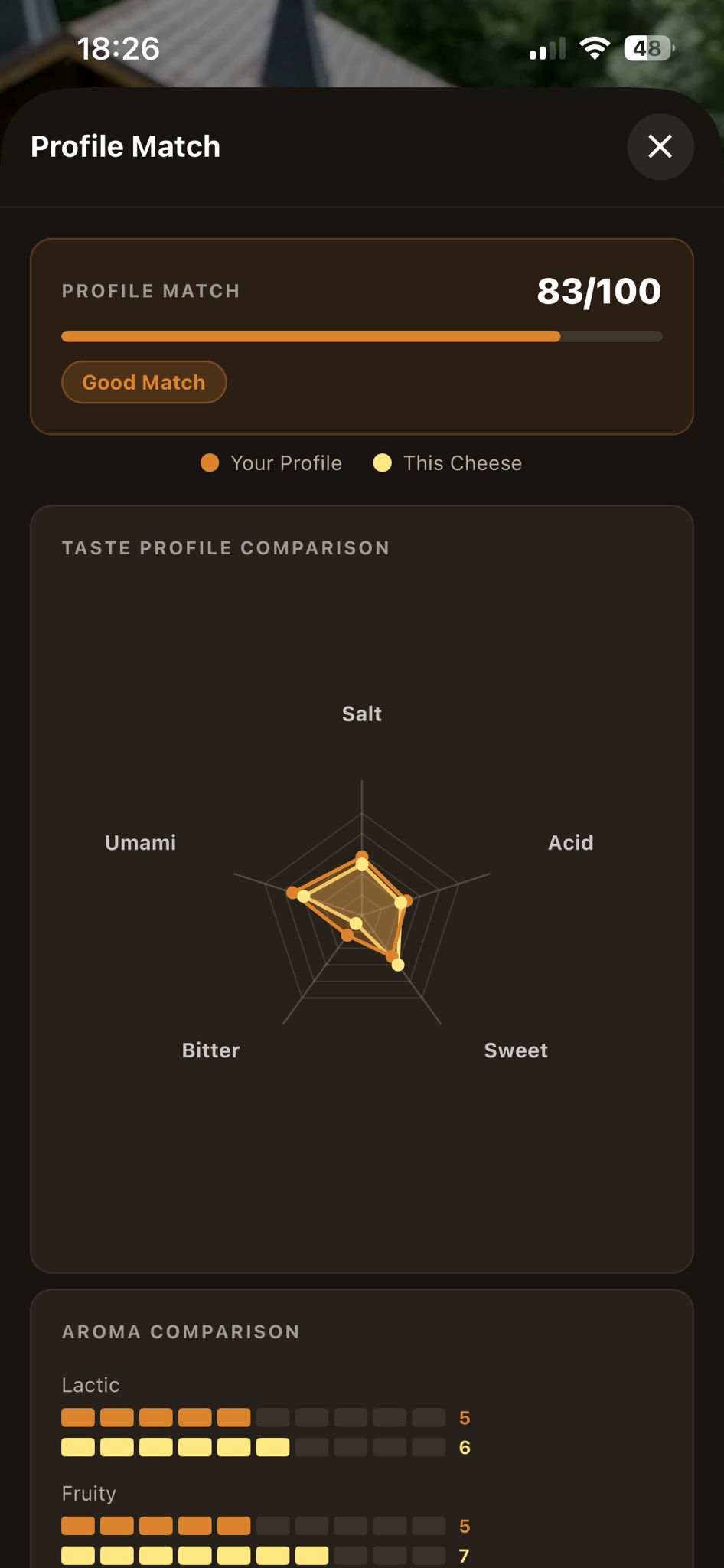
Animal notes are strongly dominant, making it one of France’s most intensely barnyard-scented cheeses. Earthy and lactic notes are equally noticeable beneath. Fruity notes remain faint, while herbal notes are barely perceptible. No smoky character.
Cheesepedia taste profile
These values are the structured baseline in the Cheesepedia app. Your personal match is calculated separately from your own taste profile.
How to enjoy it
- 01
Used in traditional northern French cheese tart.
- 02
Melted into gratins, potatoes, or baked dishes.
- 03
Served with rustic bread, apples, or pickles.
- 04
Added to sauces for a bold, savoury flavour.
What pairs with Maroilles?
Classic serving companions from the Cheesepedia catalog.
- Mini Sesame Bagel
- Salted Cracker
- Butter Cracker
- Olive Cracker
- Lavash Chips
- Whole Wheat Cracker
Story and origin
Developed in 960 by monks at Maroilles Abbey, founded by Saint Humbert. It was a favourite of French kings including Philip II Augustus, Francis I, and Henry IV. Originally known as “Craquegnon,” it later took the name of the abbey. It has held AOC status since 1955 and PDO status since 1996.
Storage and serving
- Store in the fridge, wrapped and kept in a separate container.
- Air travel: suitable only if well sealed and kept cold.
Profile sources and methodology
This page uses the same curated record as the Cheesepedia mobile app. Production-style and designation references provide context; they do not imply endorsement of Cheesepedia.