What is Brie de Melun?
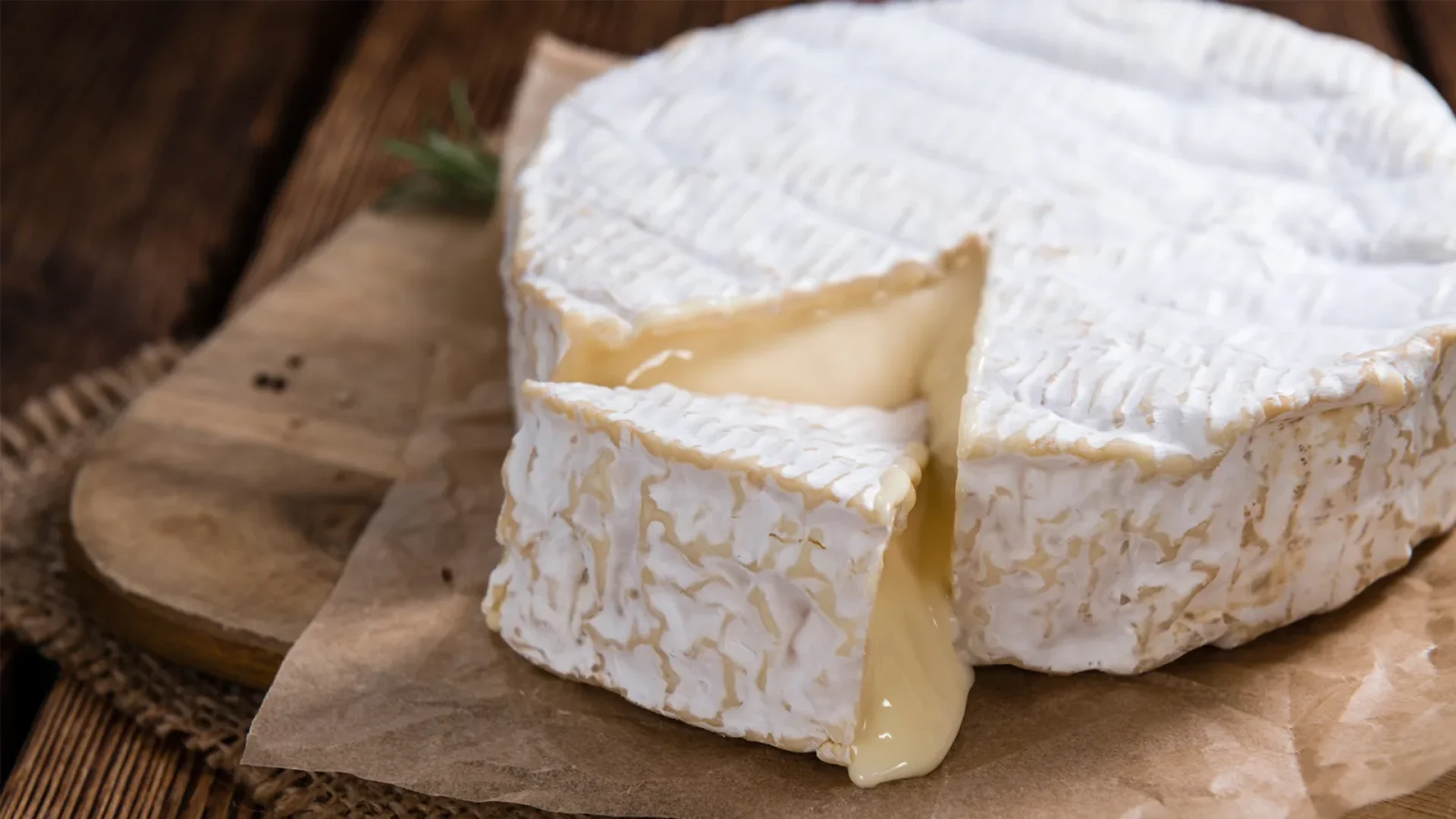
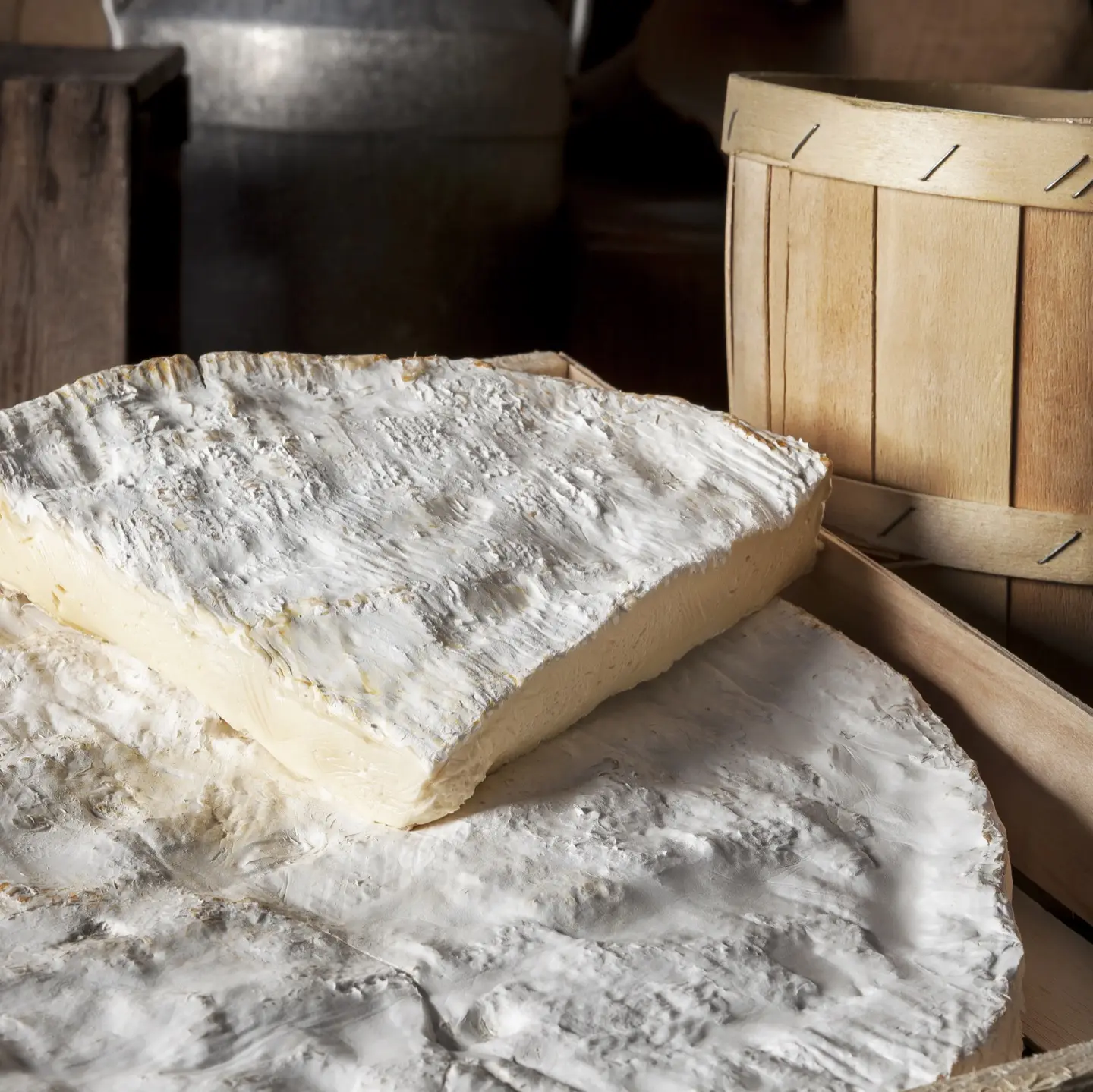
A smaller, older, and more intense cousin of Brie de Meaux, often considered the ancestor of all Bries. Made through long lactic coagulation of at least 18 hours without pressing, which gives it a stronger and more rustic character. Produced in wheels 27–28 cm in diameter and aged for a minimum of 4 weeks. With maturity, the rind may develop reddish-brown patches — a sign of full ripeness.
Taste, aroma, and texture
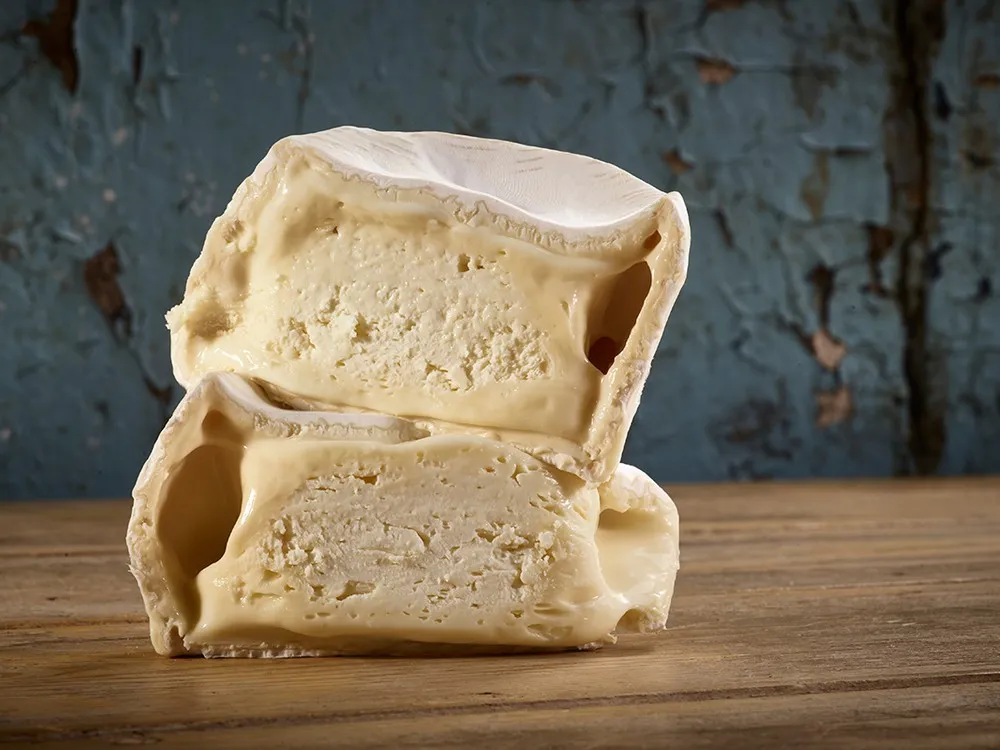
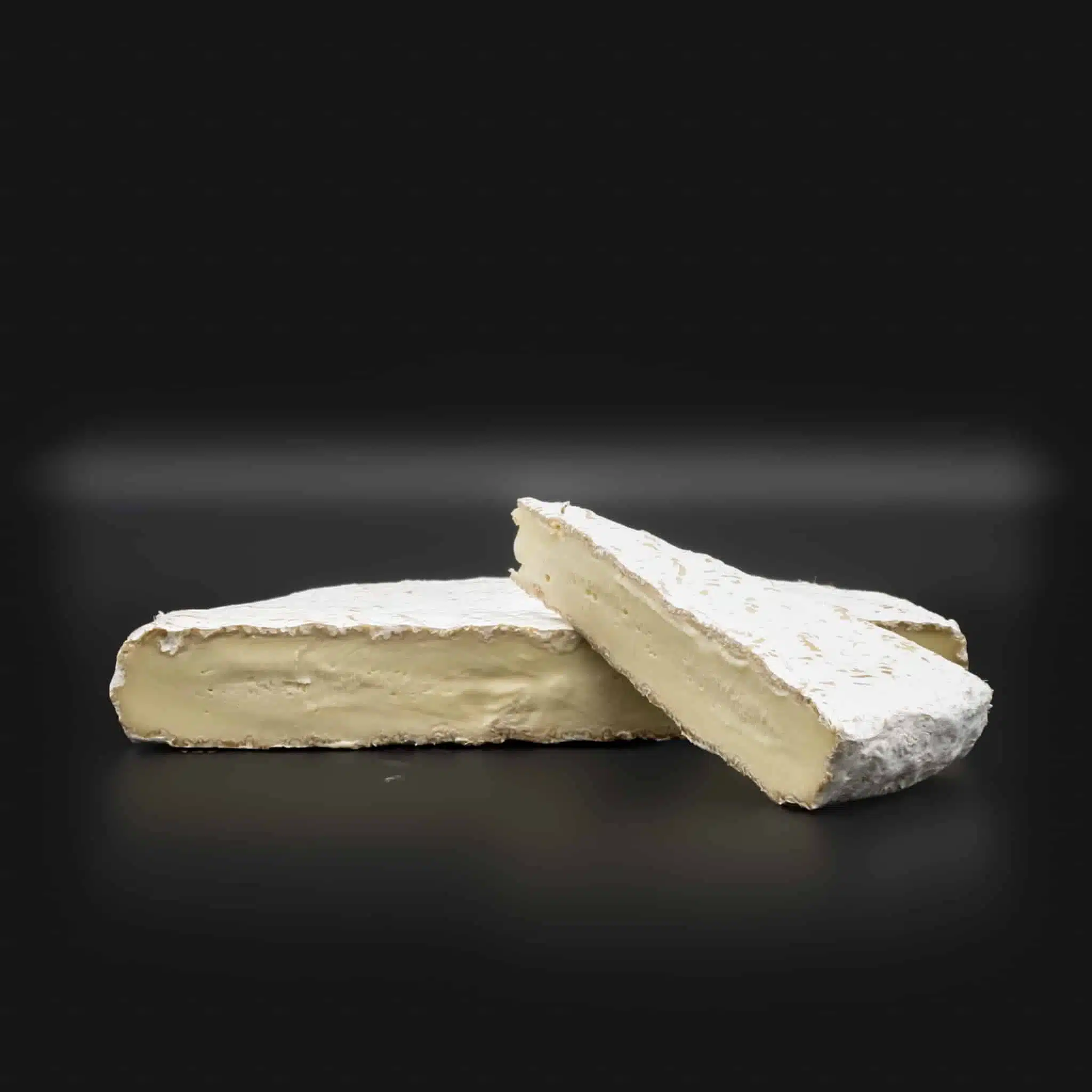
Soft interior with a thin bloomy rind that may develop reddish-brown patches at full maturity. As it ages, the paste becomes progressively runnier from the rind inward. When young, it is more supple and compact than Brie de Meaux. Wheels measure 27–28 cm in diameter.
Earthy and lactic notes are equally dominant, with strong animal notes and noticeable fruity nuances. Herbal notes remain faint. No smoky character. More intense and complex than Brie de Meaux.
Cheesepedia taste profile
The values below are the structured baseline in the Cheesepedia app. Your personal match is calculated separately from your own taste profile.
A general profile can describe Brie de Melun, but it cannot know how closely the cheese fits your preferences. Cheesepedia Premium compares this profile with your personal taste profile and lets you evaluate cheeses side by side.
See your personal matchHow to enjoy it
- Served on cheese boards for a stronger Brie character.
- Paired with rustic bread, apples, or walnuts.
- Used in tartines, sandwiches, or baked pastries.
What pairs with Brie de Melun?
Classic serving companions from the Cheesepedia catalog.
- Butter Cracker
- Grissini
- Salted Cracker
- Mini Sesame Bagel
- Whole Wheat Cracker
Find the right wine in Cheesepedia
Cheesepedia uses an expert-designed algorithm that compares the cheese's taste, intensity, and production profile with the wine's body, acidity, tannin, and sweetness. Wine pairings are not generated by AI.
See wine pairings for Brie de MelunStory and origin
Considered the oldest cheese produced in the Brie region, with roots in the Middle Ages. It differs from Brie de Meaux in its production method: Brie de Melun relies solely on lactic coagulation without accelerated rennet setting, resulting in a more complex, longer-ripened profile. It received AOC status in 1980 and PDO status in 1996.
Storage and serving
- Store in the fridge, wrapped in cheese paper or parchment.
- Air travel: suitable for short trips if sealed and kept cool.
Profile sources and methodology
This page uses the same curated record as the Cheesepedia mobile app. Production-style and designation references provide context; they do not imply endorsement of Cheesepedia.