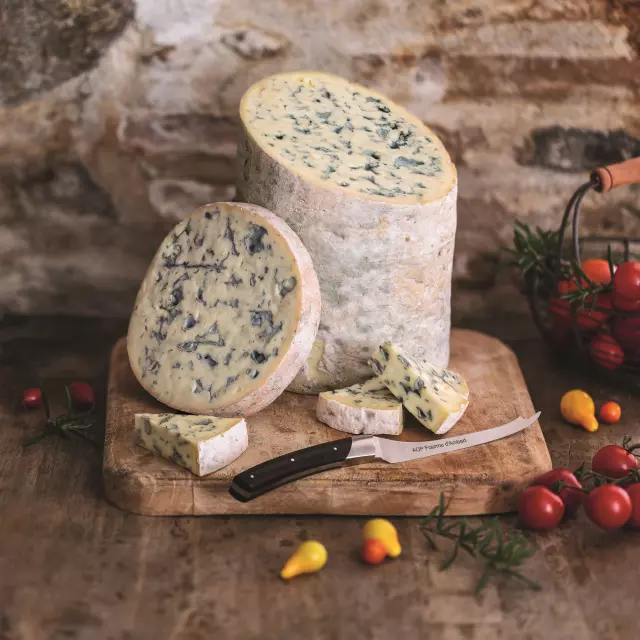
What is Fourme d'Ambert?
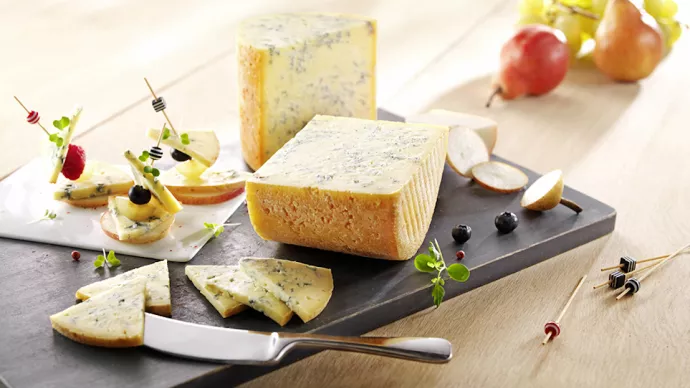
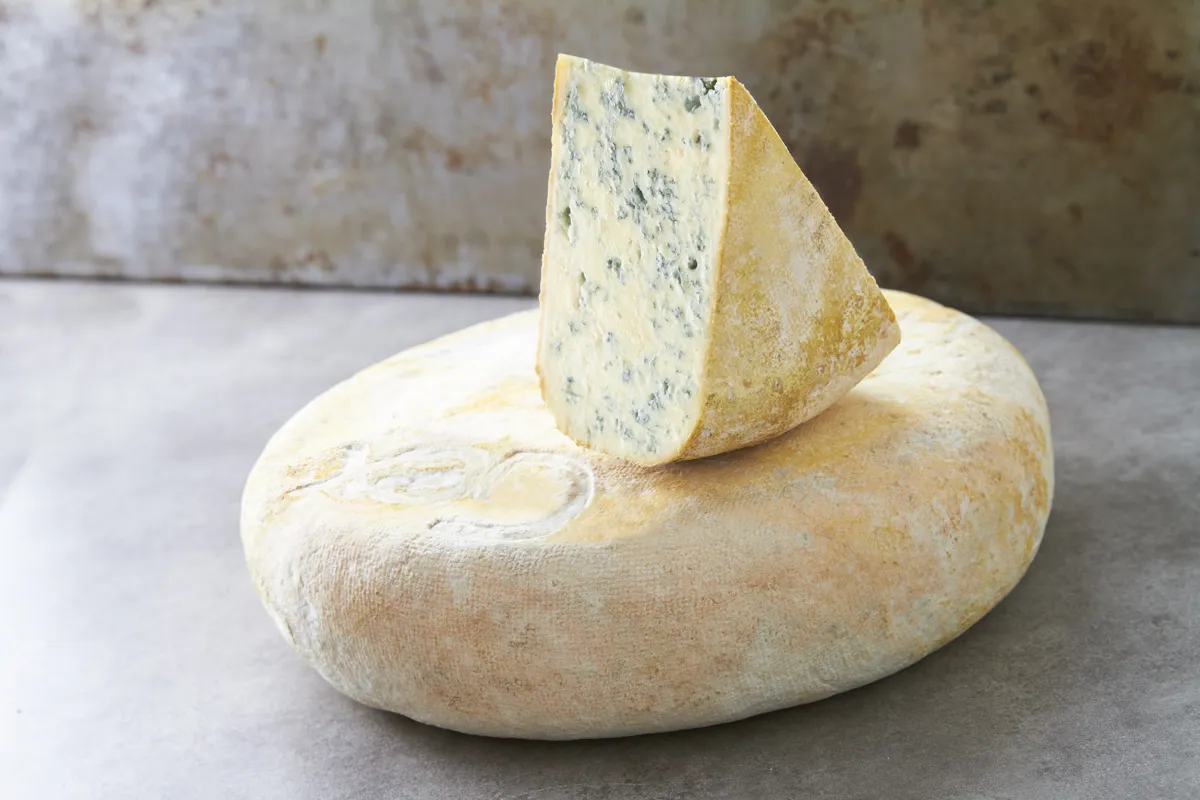
A mild, creamy blue cow’s milk cheese from Auvergne, produced in distinctive tall cylinders of approximately 2 kg — one of France’s most recognisable cheese shapes. Made from raw or pasteurised milk and aged for a minimum of 28 days. One of France’s gentlest blue cheeses, with moderate saltiness and a soft, mushroomy character. The name fourme derives from the Latin forma, meaning mould or shape.
Taste, aroma, and texture
Texture
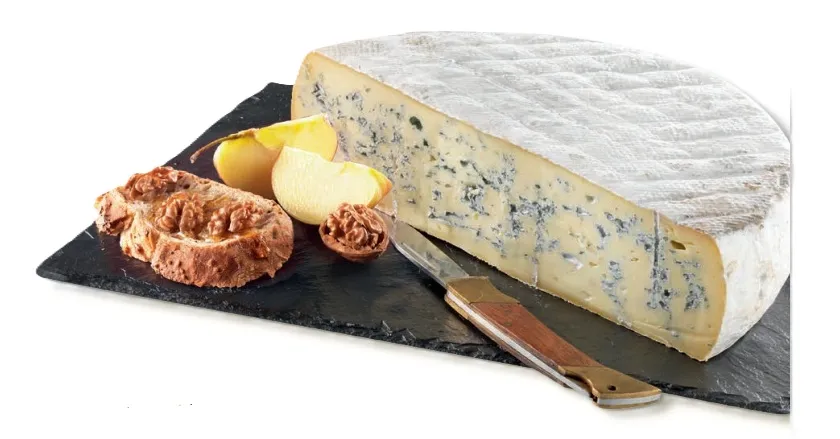
Semi-hard yet creamy and moist, with fine blue-green veining evenly distributed throughout. The paste is smooth and supple. The natural rind is dry and greyish-blue. Its tall cylindrical fourme shape is immediately recognisable and distinctive among French blue cheeses.
Aroma
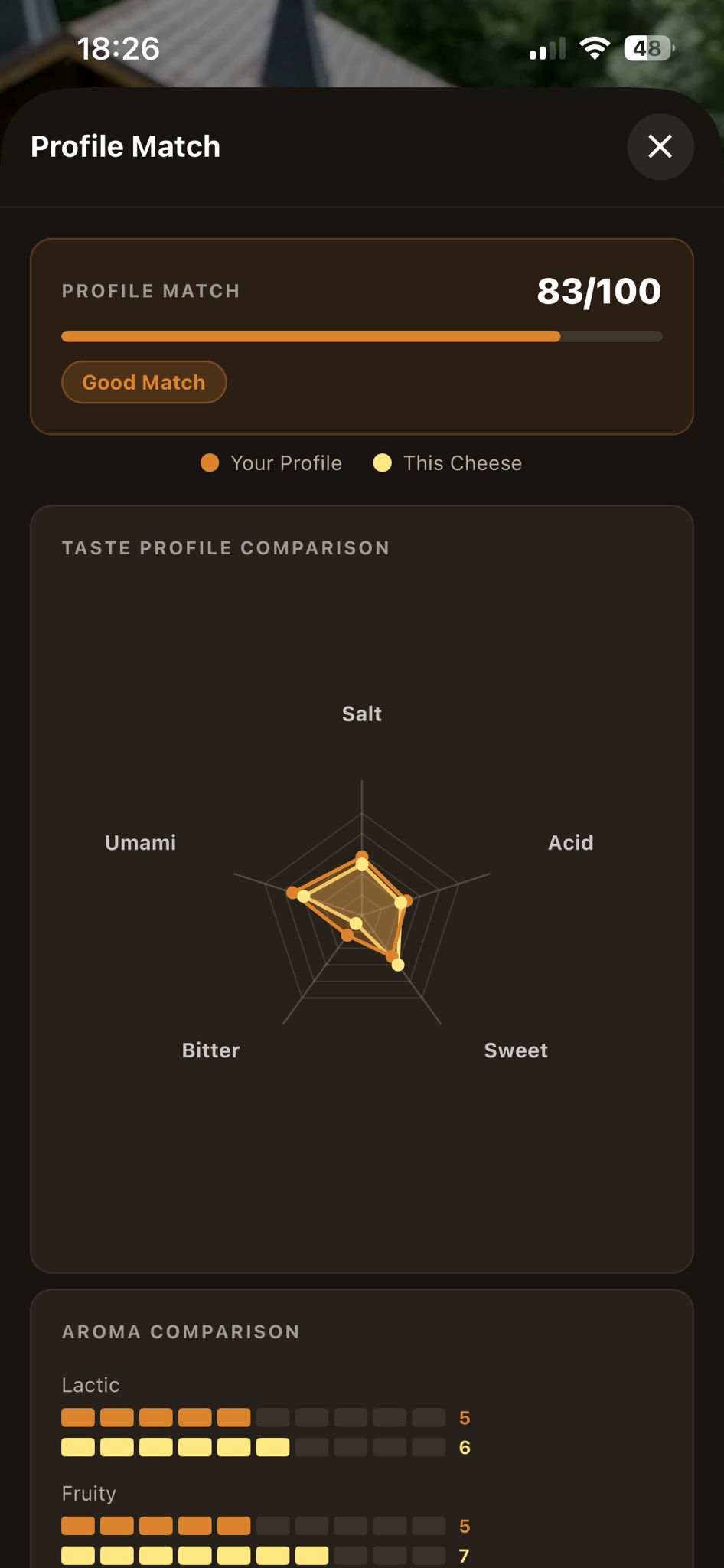
Earthy notes are dominant, with mushroom and damp soil nuances. Fruity and animal notes are equally noticeable, while lactic notes are present. Herbal notes remain faint. No smoky character. Milder overall than most French blue cheeses.
Cheesepedia taste profile
These values are the structured baseline in the Cheesepedia app. Your personal match is calculated separately from your own taste profile.
How to enjoy it
- 01
Crumbled over salads, roasted vegetables, or burgers.
- 02
Melted into mild blue cheese sauces for pasta or meat.
- 03
Served with pears, walnuts, or honey.
- 04
Used in savoury tarts, dips, or cheese spreads.
What pairs with Fourme d'Ambert?
Classic serving companions from the Cheesepedia catalog.
- Salted Cracker
- Mini Sesame Bagel
- Olive Cracker
- Butter Cracker
- Breadstick
- Sesame Cracker
Story and origin
One of France’s oldest documented cheeses, with origins in the Ambert area of Puy-de-Dôme dating back to Roman times. The fourme shape has remained essentially unchanged for over 1,000 years. It shared AOC status with Fourme de Montbrison until 2002, when the two cheeses were officially separated. It has held PDO status since 1996.
Storage and serving
- Store in the fridge, wrapped in cheese paper.
- Air travel: suitable only for short trips if sealed and kept cold.
Profile sources and methodology
This page uses the same curated record as the Cheesepedia mobile app. Production-style and designation references provide context; they do not imply endorsement of Cheesepedia.