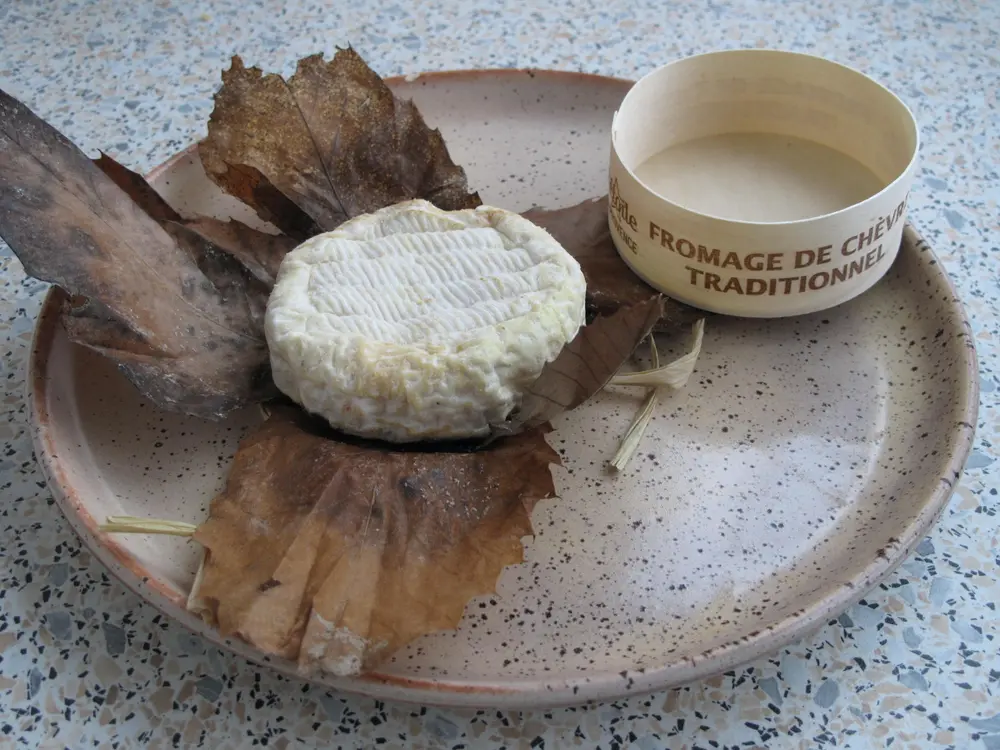
What is Banon?
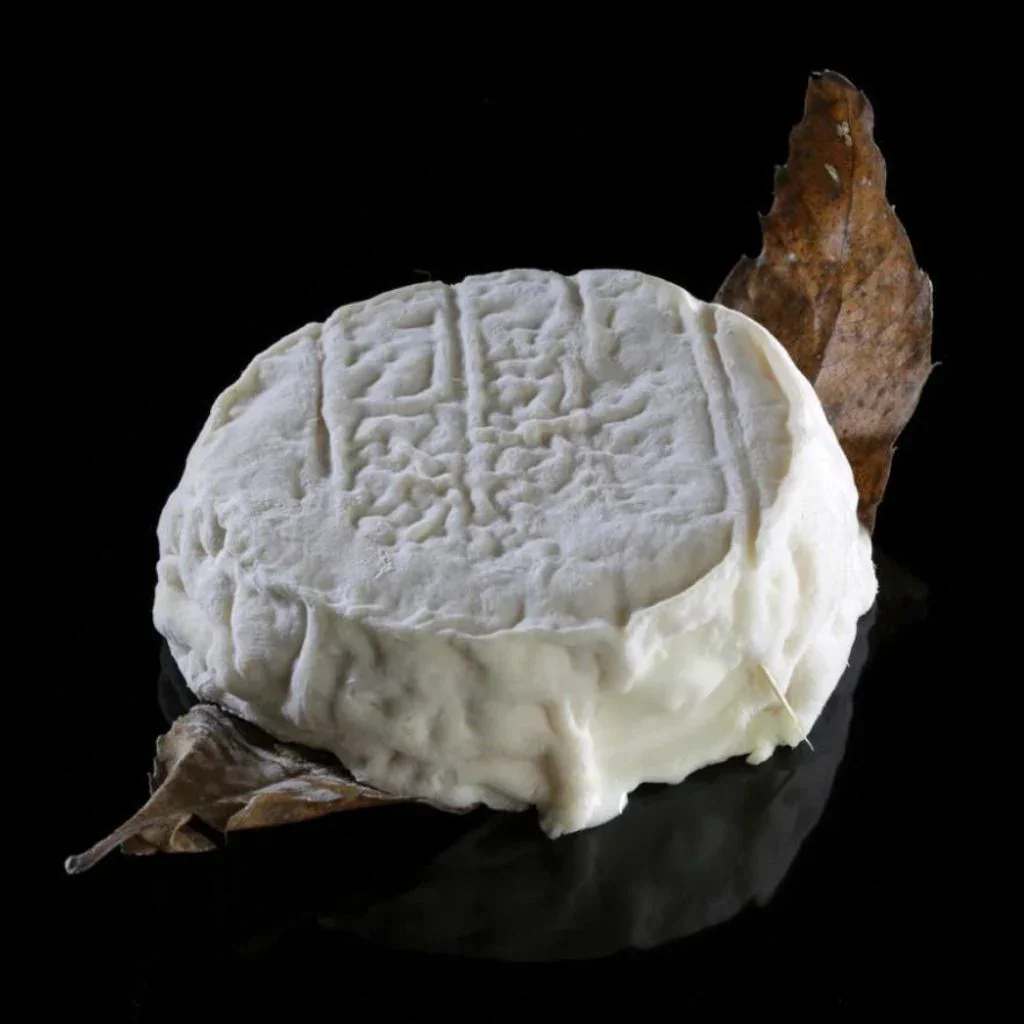
A small, tender raw goat’s milk cheese from Alpes-de-Haute-Provence, wrapped in chestnut leaves soaked in eau-de-vie and tied with raffia. Produced in rounds of 100–300 g, it is aged for at least 15 days after wrapping. The leaf wrapping creates a distinctive micro-environment that shapes both the rind and the cheese’s character.
Taste, aroma, and texture
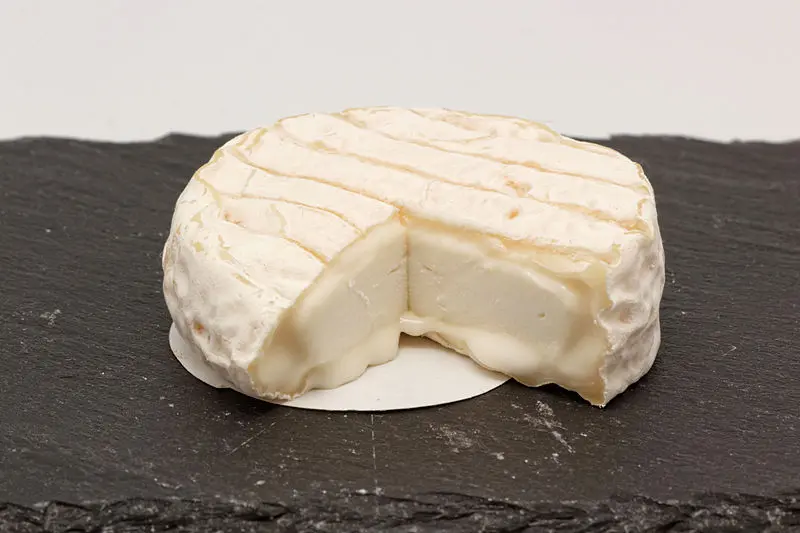
Soft and creamy when young, becoming progressively runnier and almost liquid beneath the leaf wrapping at full ripeness. The interior is ivory-white. The chestnut leaves form a natural, slightly sticky brown exterior.
Earthy notes are dominant, accompanied by a herbal character partly derived from the chestnut leaves. Lactic notes are clearly present, with a notable animal undertone. Fruity notes remain faint. No significant smoky character.
Cheesepedia taste profile
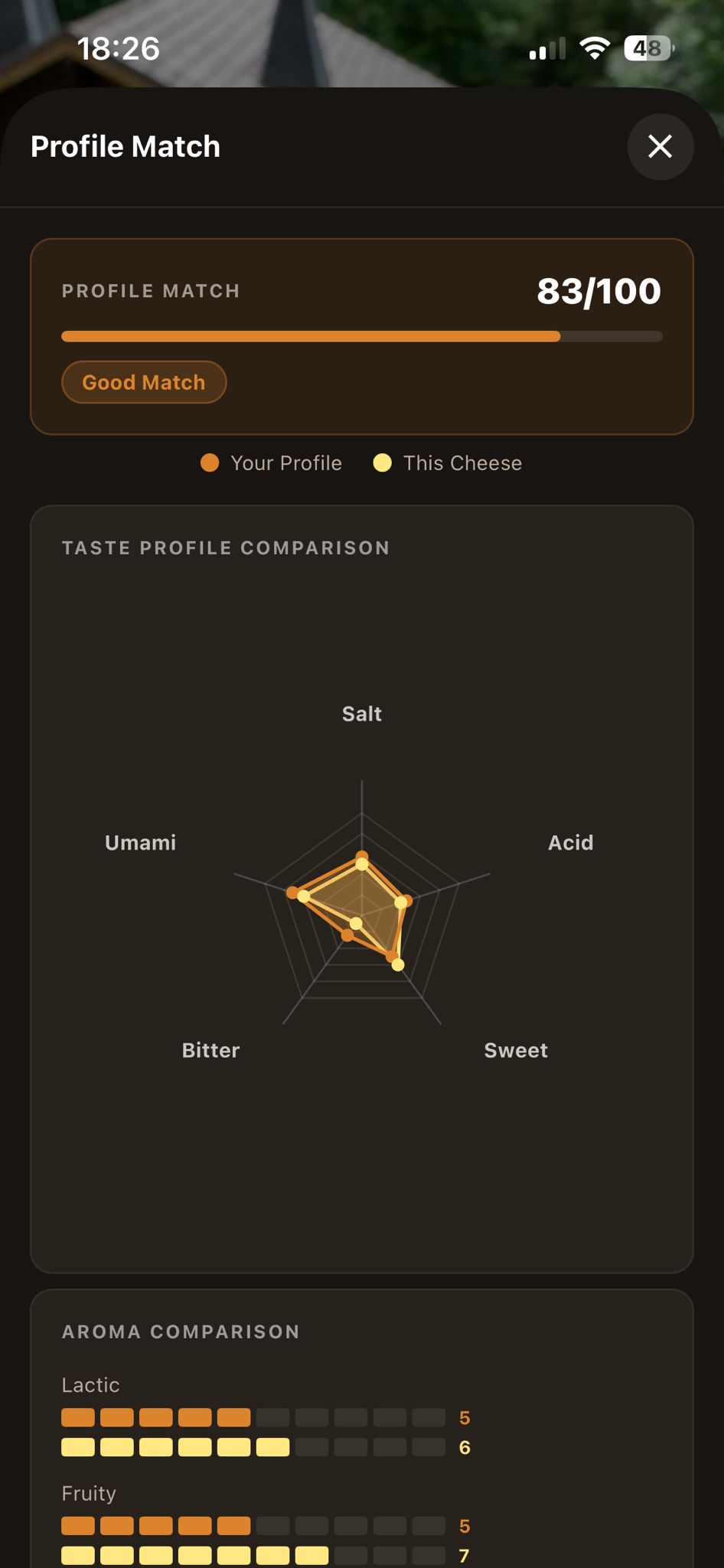
The values below are the structured baseline in the Cheesepedia app. Your personal match is calculated separately from your own taste profile.
A general profile can describe Banon, but it cannot know how closely the cheese fits your preferences. Cheesepedia Premium compares this profile with your personal taste profile and lets you evaluate cheeses side by side.
See your personal matchHow to enjoy it
- Served whole on cheese boards with figs or honey.
- Spread on rustic bread or crackers.
- Used as a soft centre for warm goat cheese dishes.
What pairs with Banon?
Classic serving companions from the Cheesepedia catalog.
- Grissini
- Whole Wheat Cracker
- Butter Cracker
- Sesame Cracker
- Salted Cracker
Find the right wine in Cheesepedia
Cheesepedia uses an expert-designed algorithm that compares the cheese's taste, intensity, and production profile with the wine's body, acidity, tannin, and sweetness. Wine pairings are not generated by AI.
See wine pairings for BanonStory and origin
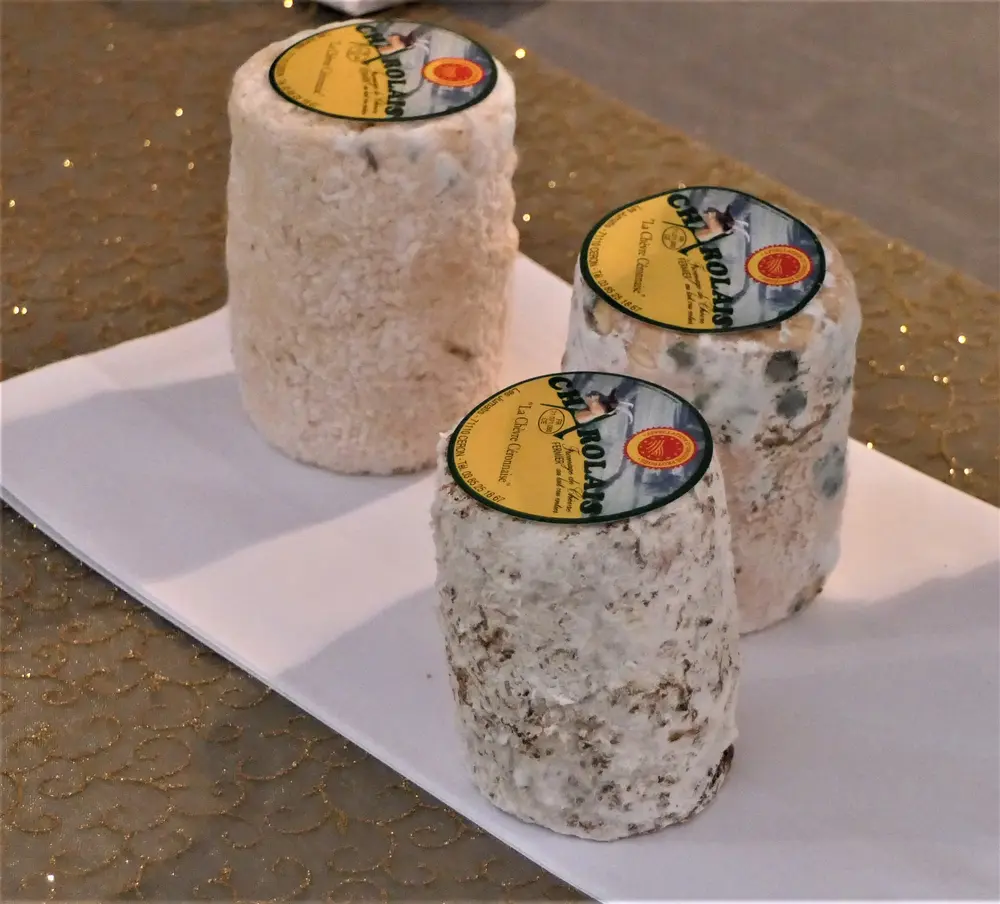
Named after the village of Banon in Alpes-de-Haute-Provence. Cheesemaking in the region has centuries of tradition, and chestnut-leaf wrapping was historically a practical preservation method in the warm Provençal climate. The cheese has been referenced in regional literature and cookbooks for centuries. It has held PDO status since 2003.
Storage and serving
- Store in the fridge, wrapped in cheese paper or parchment.
- Air travel: suitable for short trips if sealed and kept cool.
Profile sources and methodology
This page uses the same curated record as the Cheesepedia mobile app. Production-style and designation references provide context; they do not imply endorsement of Cheesepedia.