Which cheeses are England and Britain famous for?
Cheddar is the best-known name worldwide, but because “cheddar” has also become a generic style, you need the full name on the label to understand where a cheese comes from. West Country Farmhouse Cheddar is a separate geographical indication that keeps the link to South West England. Blue Stilton is defined by its production area in Derbyshire, Leicestershire and Nottinghamshire.
In the north, Wensleydale, Swaledale and Lancashire; in the south west, Dorset Blue Vinney, Single Gloucester and Exmoor Blue; in Scotland, Orkney Cheddar and Ayrshire Dunlop; in Wales, Traditional Welsh Caerphilly — each brings its own milk, texture and ageing tradition. The profiles in this guide come from the Cheesepedia database; for protected names, check the current product label and the official register as well.
A cheese map of Britain
Britain's cheese map makes more sense read through counties and historic production areas. The diagram below is not to scale; it is a route tool that shows which cheese clusters belong on the same trip.
Cheddar · West Country Farmhouse Cheddar · Dorset Blue Vinney · Single Gloucester
Stilton · Red Leicester · Dovedale · Buxton Blue
Lancashire · Wensleydale · Swaledale
Ayrshire Dunlop · Orkney Cheddar · Welsh Caerphilly
Cheddar can be a generic style; the protected West Country name marks a much narrower production area.
The full product name and the geographical indication logo on the pack are what count.The 18 British cheeses in Cheesepedia
This is not a “best cheeses” ranking. It shows the cheeses in the app database with their milk, texture, intensity and production area. Each card opens the full profile; when you compare styles, keep in mind that producer, age and storage can all change the experience.
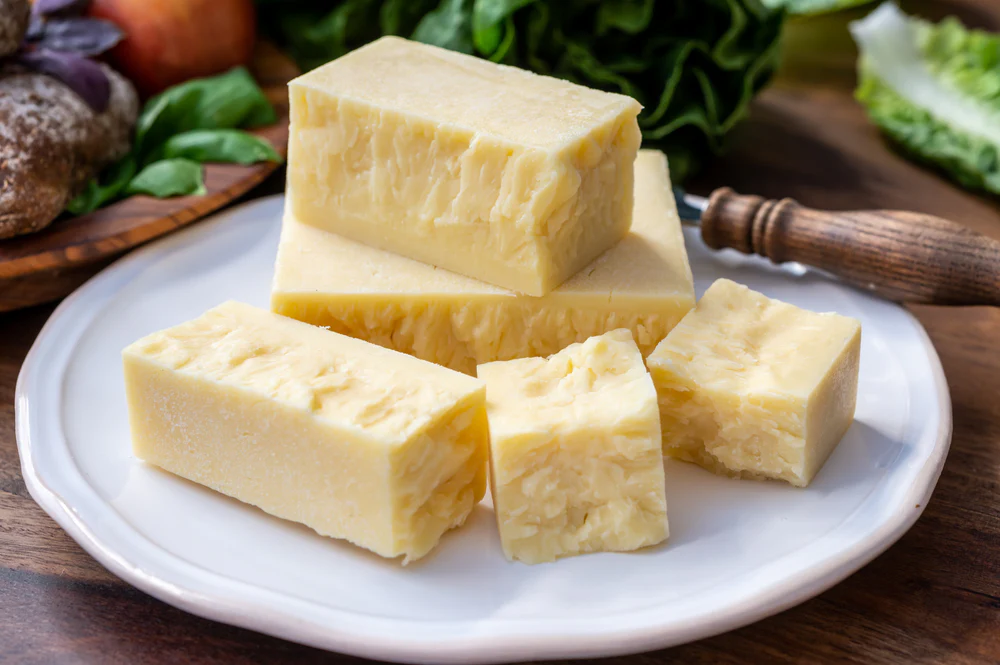 Aged CheddarSomersetCow · Hard · bold
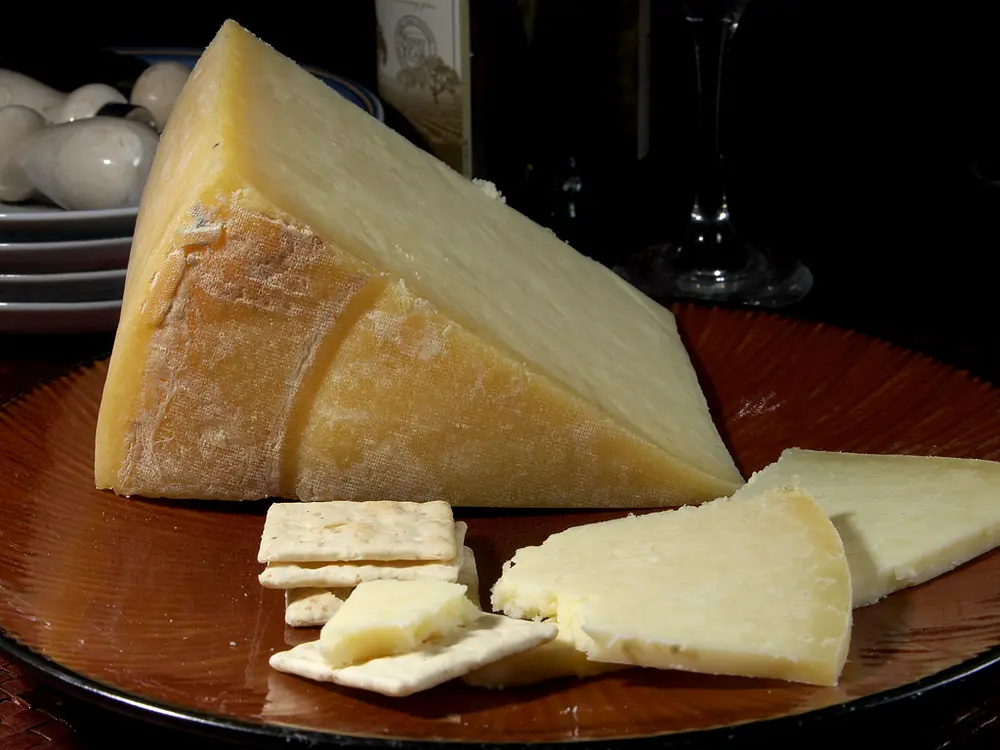 Beacon Fell Traditional LancashireLancashire (North of River Ribble, Fylde, Preston, Blackpool)Cow · Semi-hard · medium
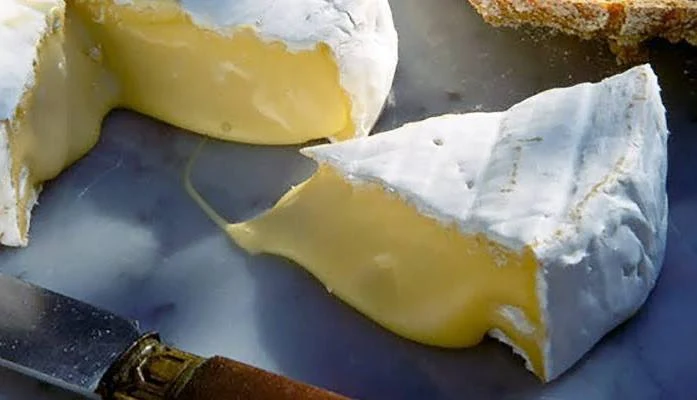 BonchesterRoxburghshire (Bonchester Bridge), ScotlandCow · Soft · gentle
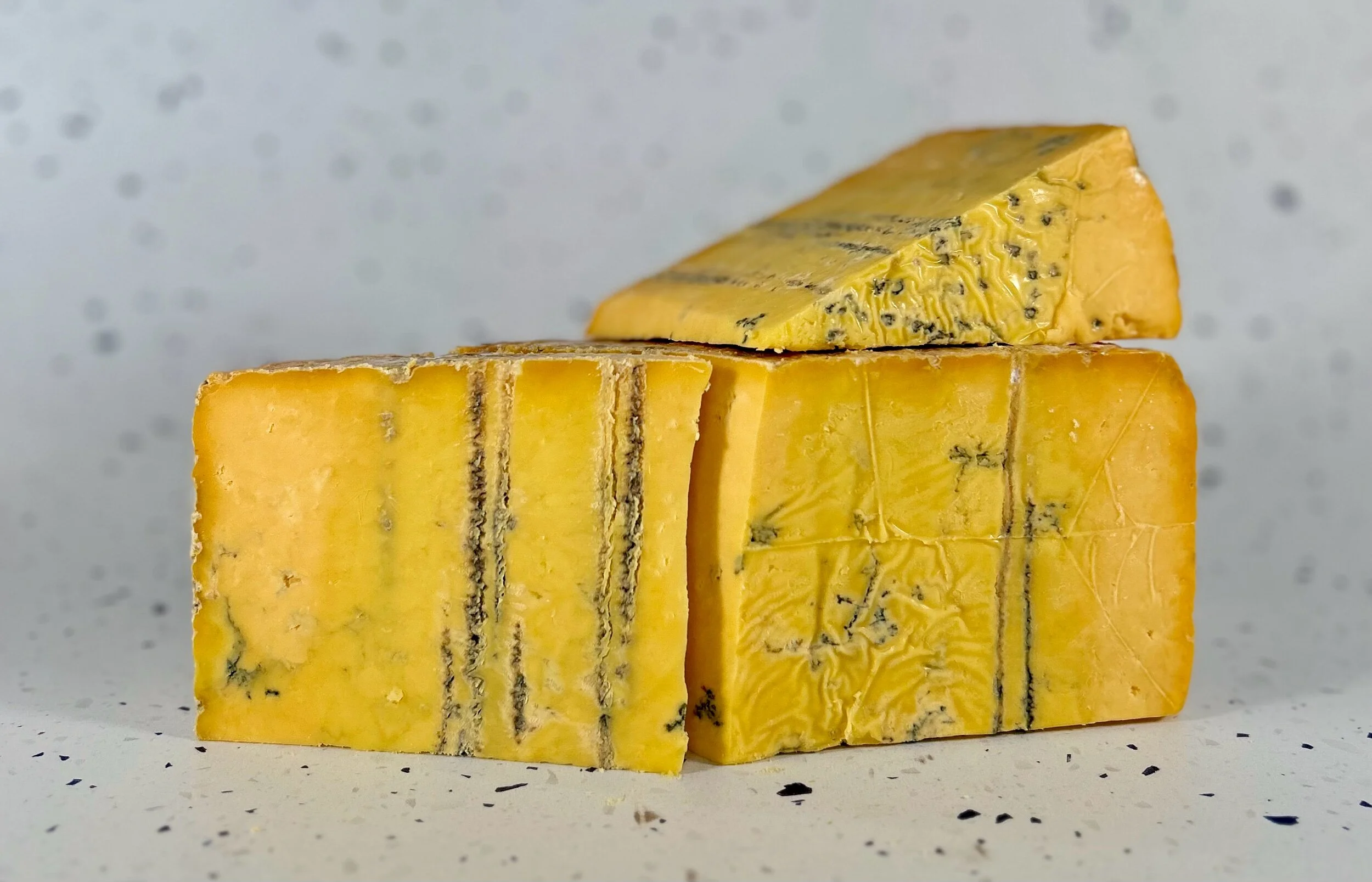 Buxton BlueDerbyshire, Nottinghamshire, and StaffordshireCow · Semi-hard · bold
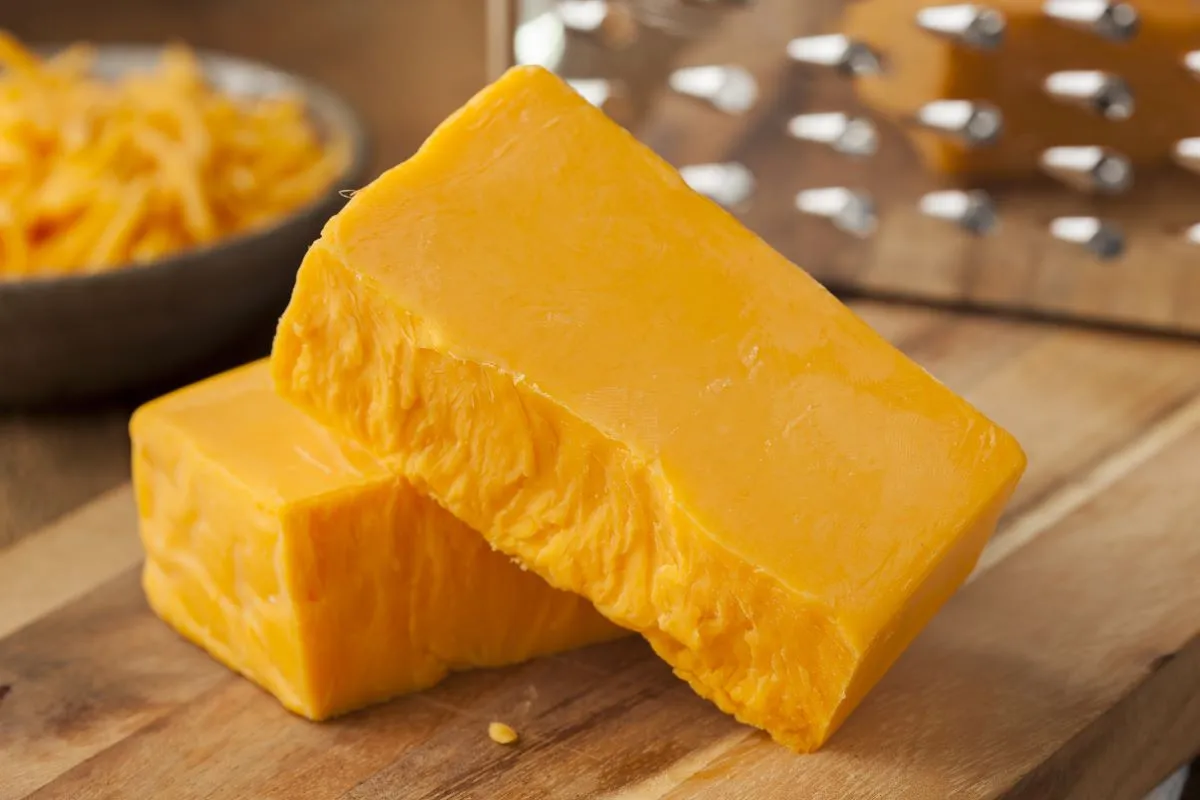 CheddarSomersetCow · Hard · medium
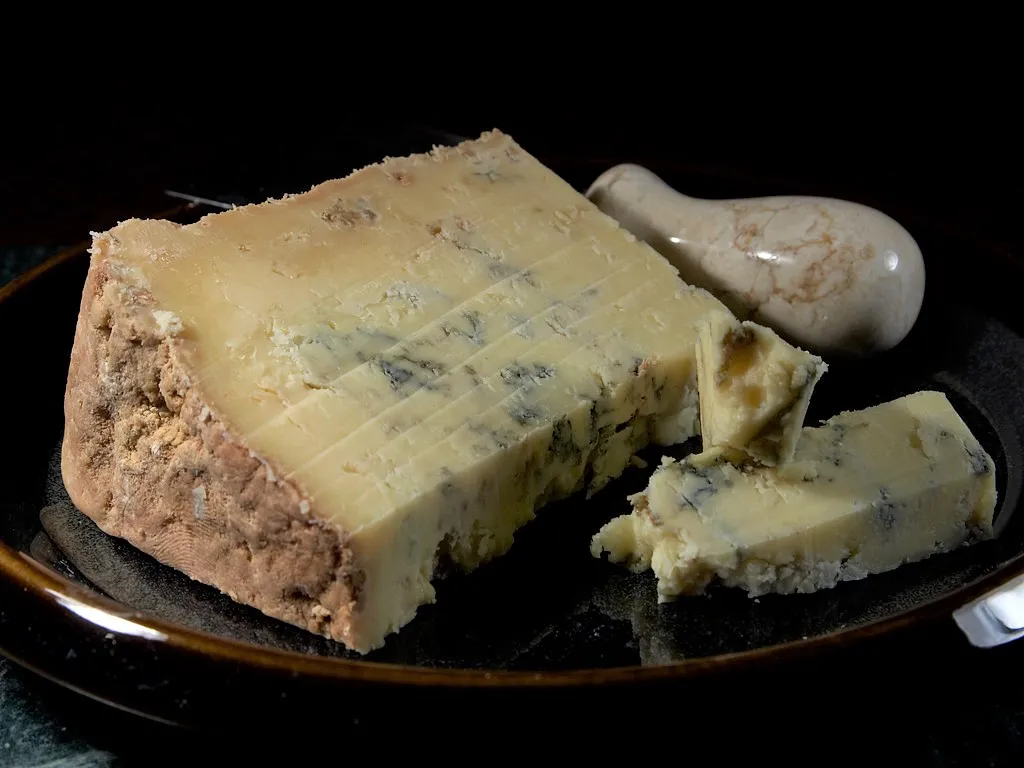 Dorset Blue Vinney (Dorset Blue Cheese)DorsetCow · Semi-hard · bold
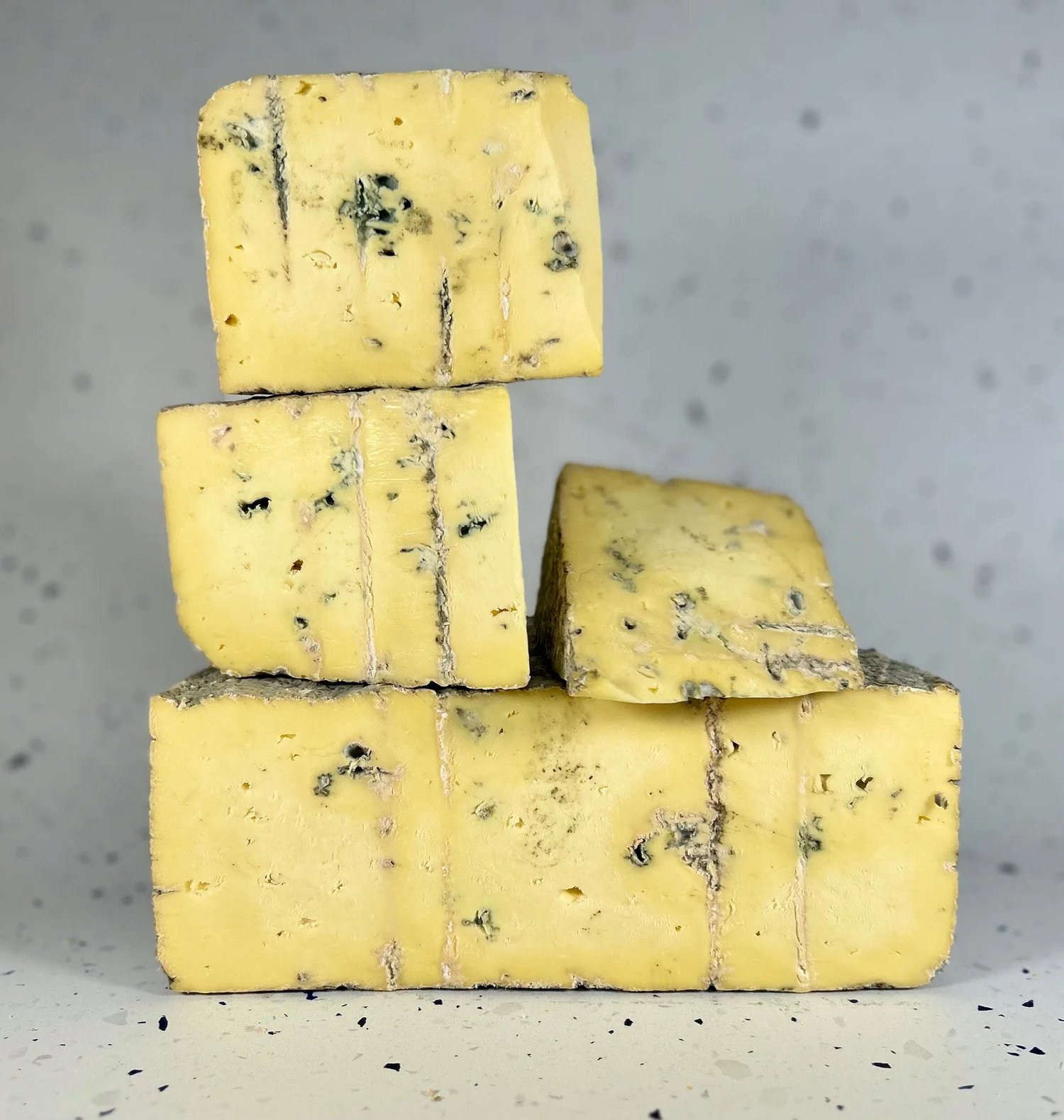 DovedalePeak District (Derbyshire and Staffordshire)Cow · Semi-hard · medium
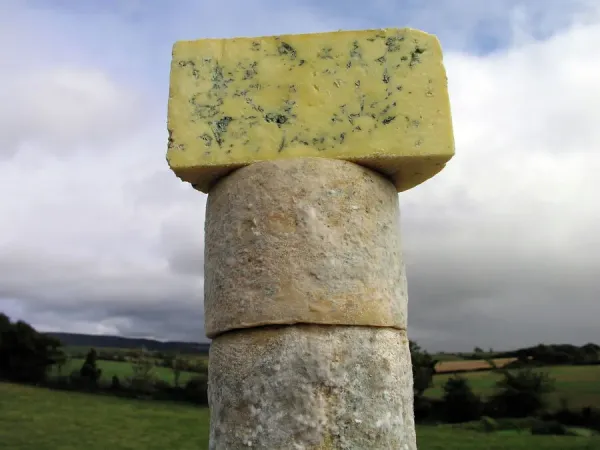 Exmoor Blue CheeseSomerset (Exmoor)Cow · Soft · medium
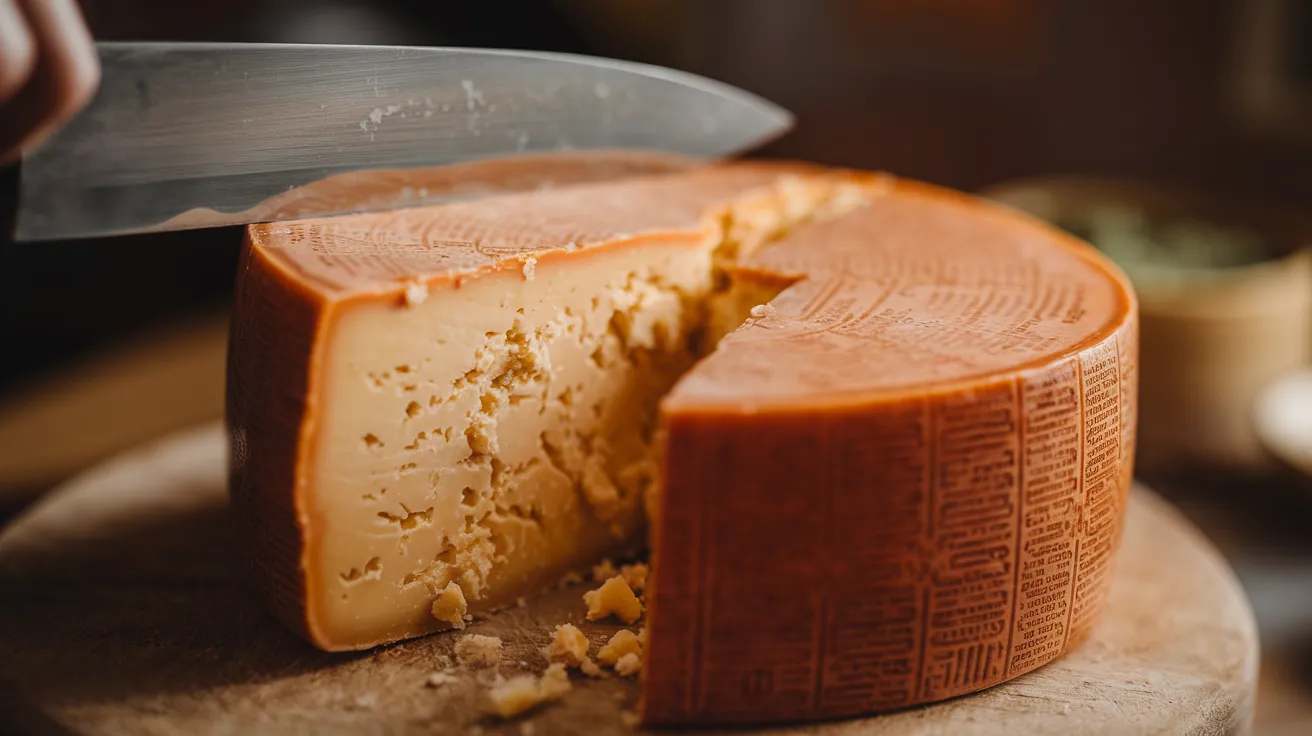 Orkney Scottish Island CheddarOrkney Islands, ScotlandCow · Hard · medium
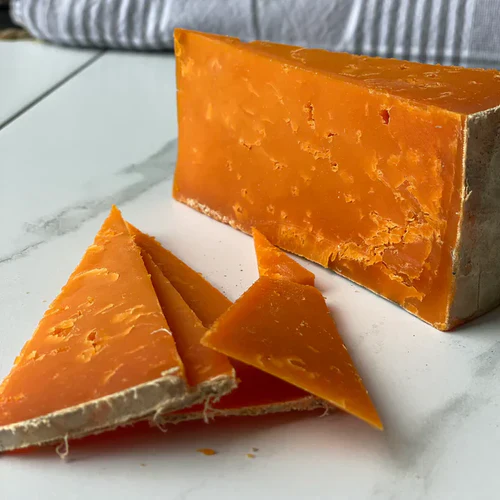 Red LeicesterLeicestershireCow · Hard · medium
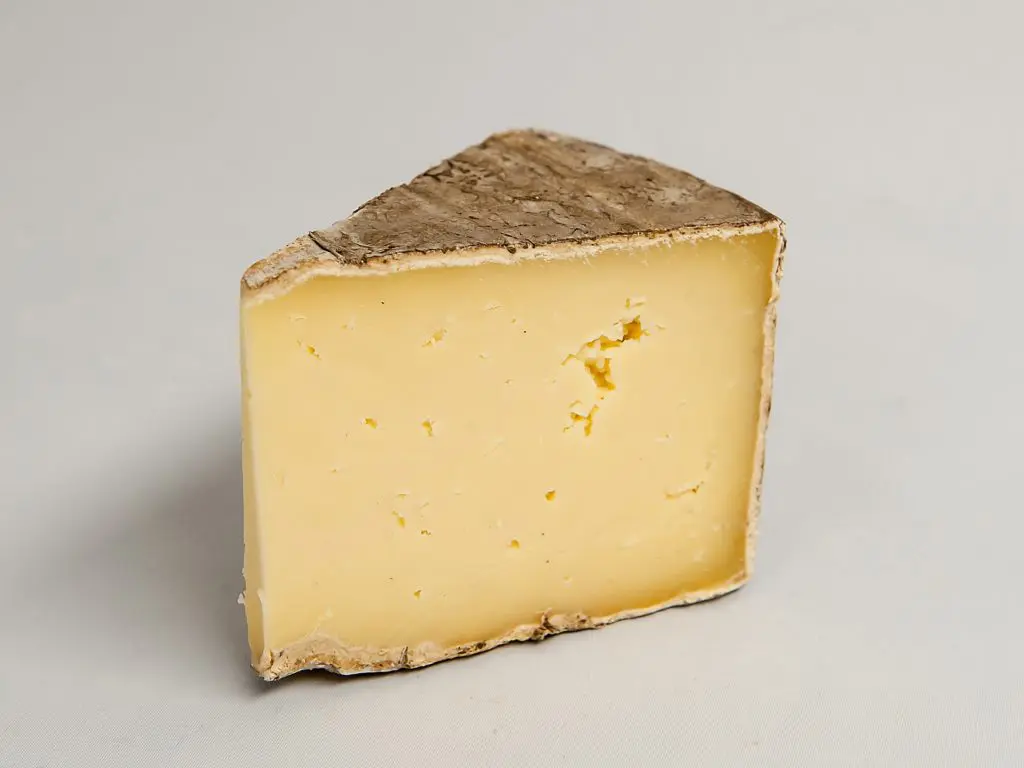 Single GloucesterGloucestershireCow · Semi-hard · medium
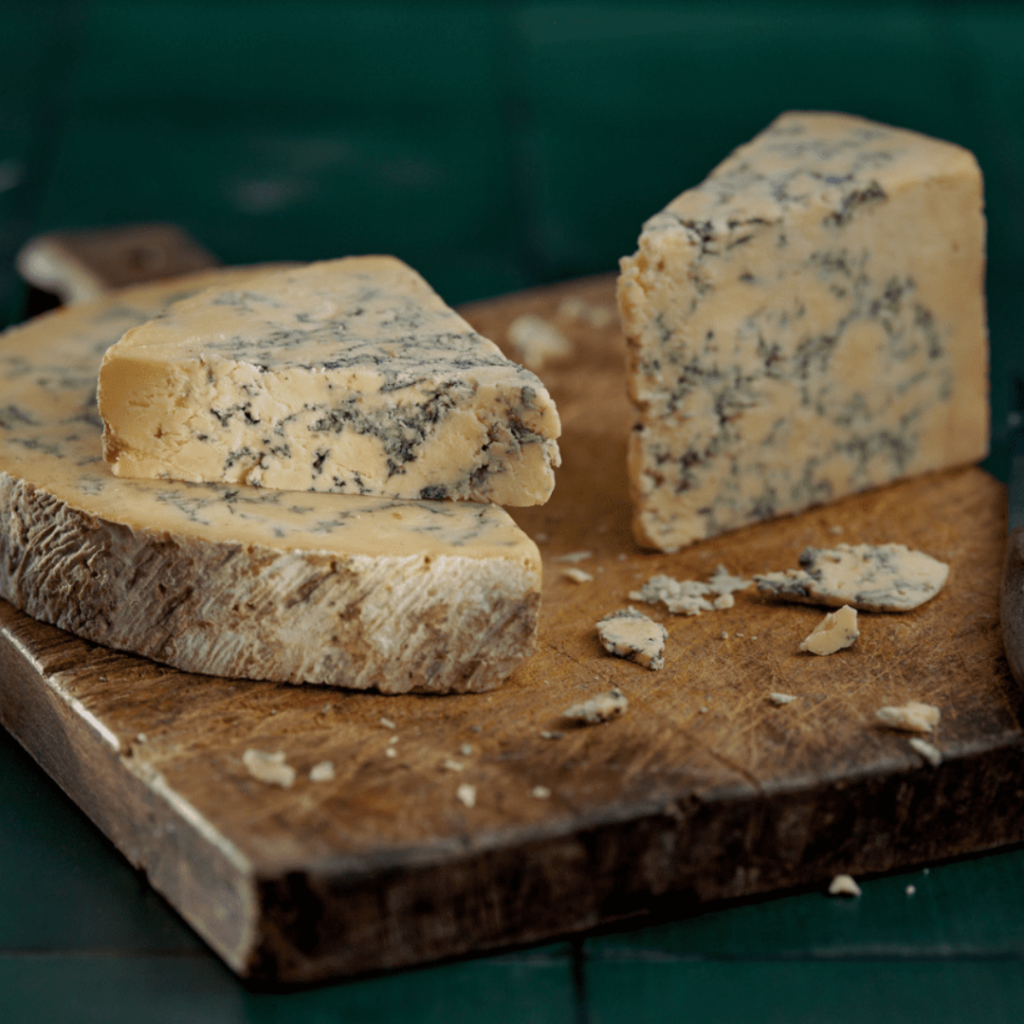 Stilton Blue CheeseDerbyshire, Leicestershire, and NottinghamshireCow · Semi-hard · bold
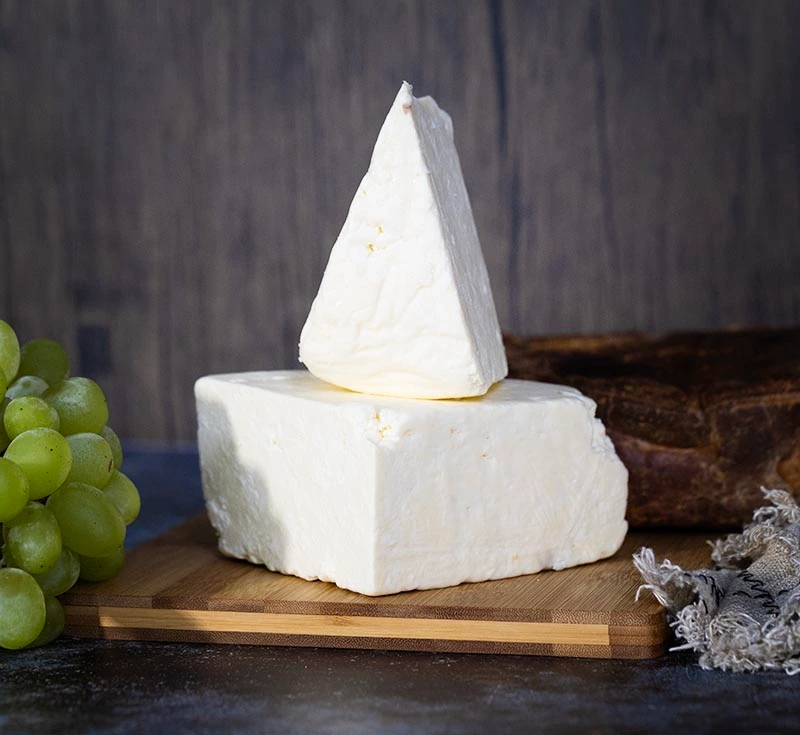 Stilton White CheeseDerbyshire, Leicestershire, and NottinghamshireCow · Fresh · gentle
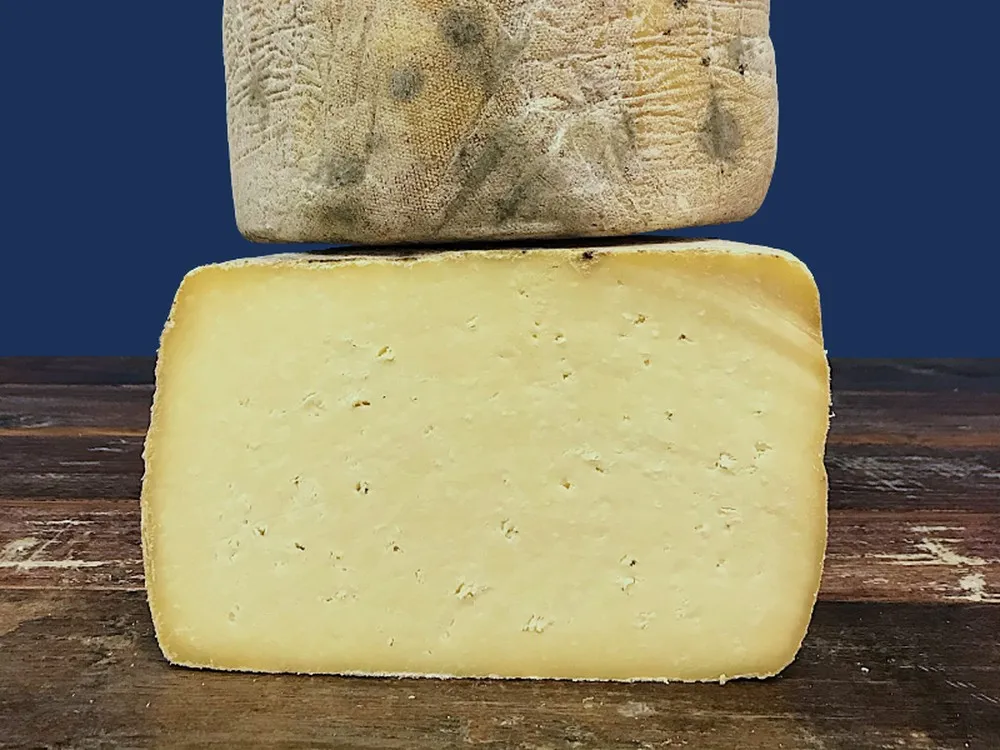 SwaledaleSwaledale, North YorkshireCow · Semi-hard · medium
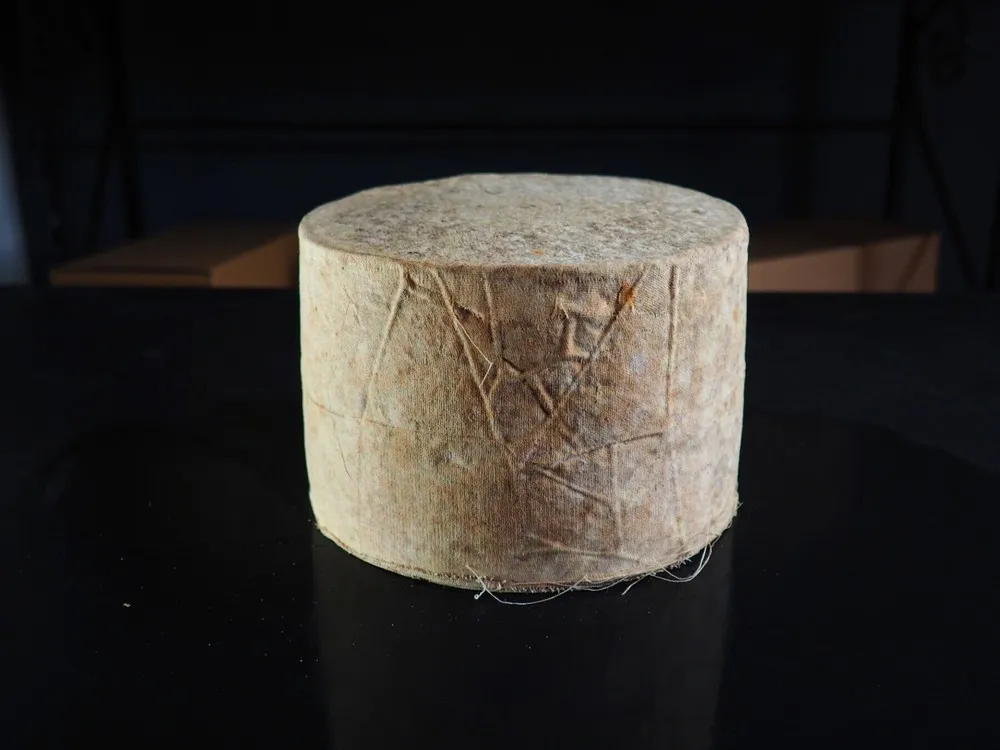 Traditional Ayrshire DunlopAyrshire, ScotlandCow · Hard · medium
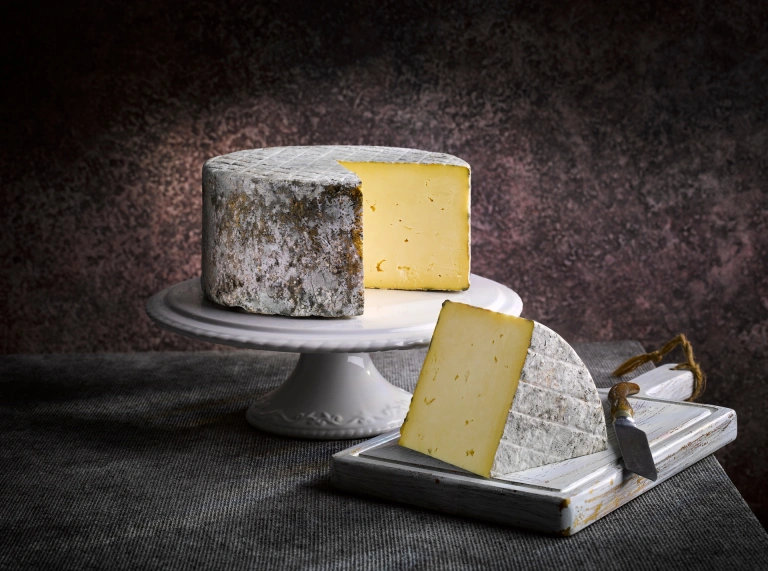 Traditional Welsh CaerphillyWalesCow · Semi-hard · medium
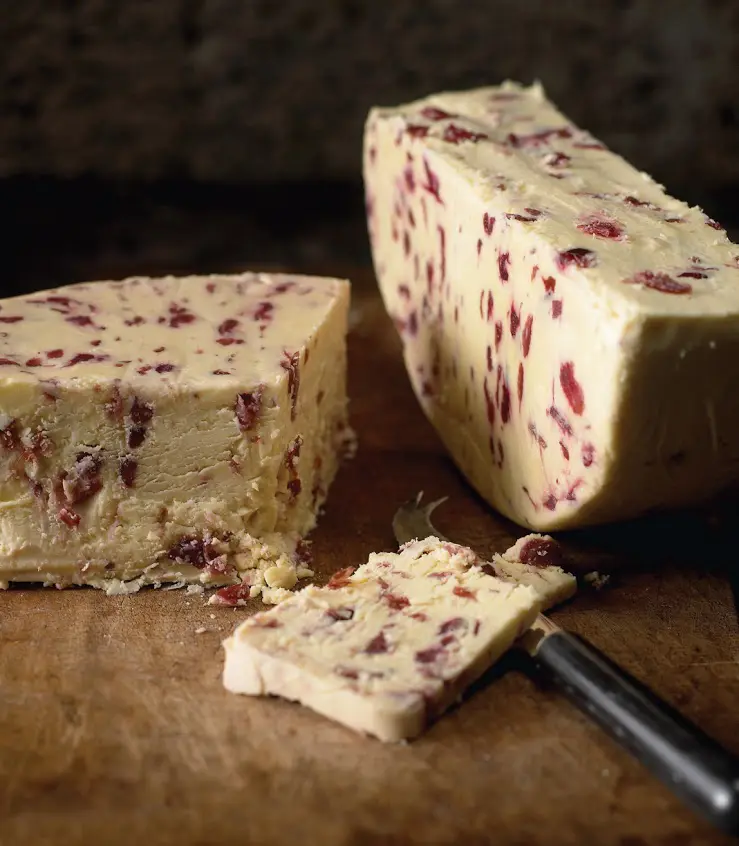 WensleydaleNorth YorkshireCow · Semi-hard · gentle
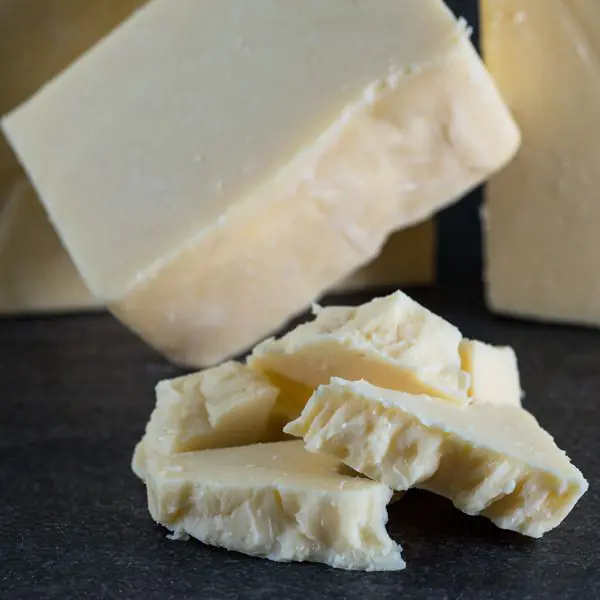 West Country Farmhouse CheddarSouth West England (Somerset, Devon, Cornwall, and Dorset)Cow · Hard · bold
How to build a cheese tasting route in Britain
1. Somerset and the South West
Think of the Cheddar area not just for the famous name but to see the difference between young and mature truckles. Extending the route towards Dorset and Gloucestershire lets you compare hard, crumbly and blue-veined styles within the same region.
2. The Midlands and Stilton country
Do not confuse Stilton the cheese with Stilton the village: the protected production area lies in specific counties. Heading towards Leicester and the Peak District lets you set up a comparative tasting between blue cheese and the more crumbly red or white styles.
3. Yorkshire and the northern dales
Wensleydale and Swaledale show why northern English cheeses should not be treated as a single “Cheddar alternative”. Compare fresh acidity, crumbly structure and maturity producer by producer.
4. Plan Scotland and Wales separately
Orkney, Ayrshire and Wales are not short detours from one overland route. If time is limited, pick one; understanding the local link between milk and climate is worth as much as collecting names.
Where to start, based on your palate
Wensleydale, Lancashire and Welsh Caerphilly lean towards drier, milky profiles with noticeable acidity.
Stilton, Dorset Blue Vinney, Dovedale and Buxton Blue let you compare blue-mould character at different intensities.
Aged Cheddar, West Country Farmhouse Cheddar and Orkney Cheddar are strong candidates if you want a long finish and deep umami.
Single Gloucester, Swaledale and Ayrshire Dunlop are good places to start if you want to step beyond the famous names.
Producer and age can make a big difference under the same cheese name. When comparing Cheddar and Stilton especially, note the age, how the milk was treated and the production area together.
What to drink with British cheeses
With intense blue cheeses, sweetness can balance salt and mould. With hard cheeses such as mature Cheddar, consider body and acidity together. With lighter, crumbly styles such as Wensleydale and Caerphilly, drinks that do not overwhelm the cheese's delicate milky character are the safer start.
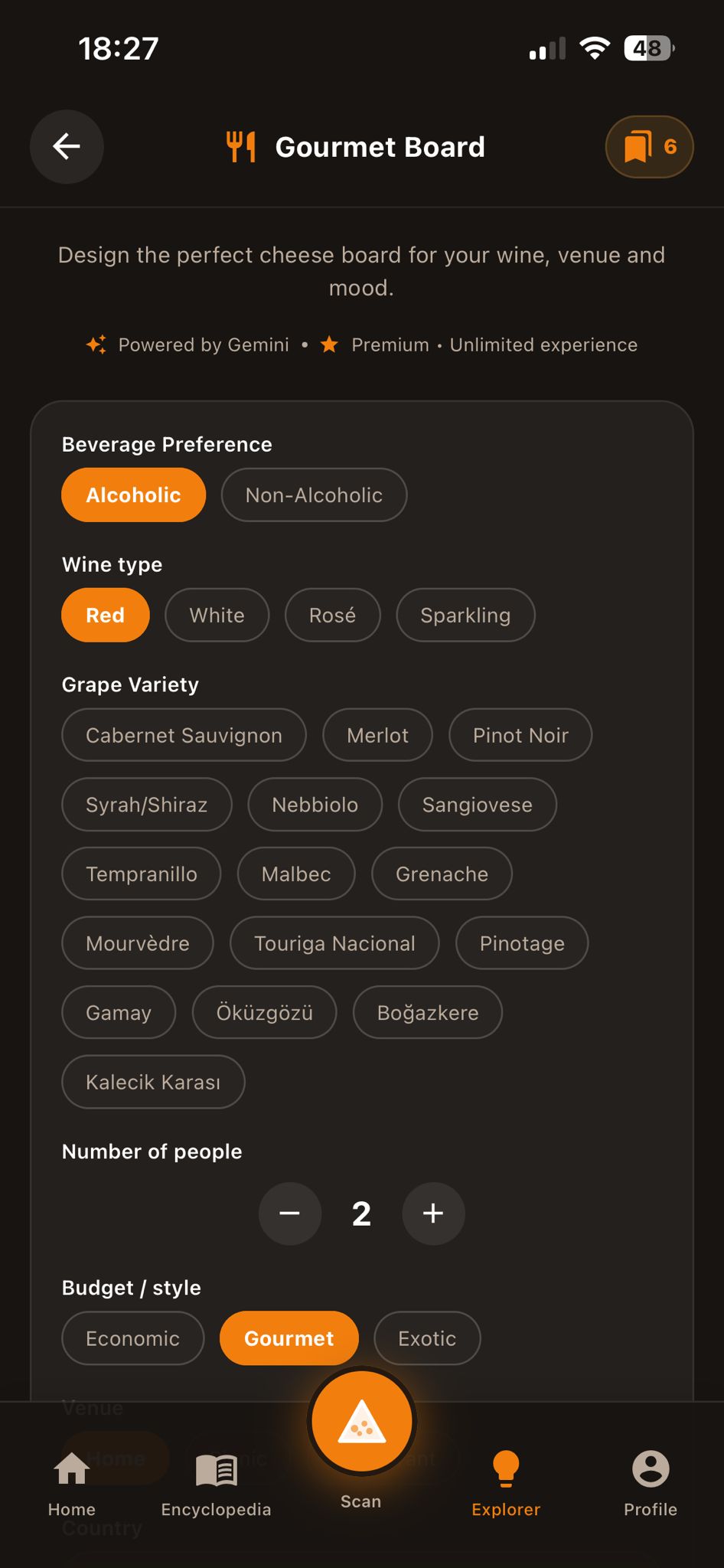
In Cheesepedia, AI helps read the wine label and the likely wine profile. The cheese results are not written by a generative guess: the estimated wine profile is run through an expert-designed pairing engine against the existing cheese database. That gives you a more consistent starting selection for the bottle in your hand and your own palate.
Planning a cheese-focused trip
- Do not squeeze the country into one route. The South West, the Midlands, Yorkshire, Scotland and Wales are separate focal points.
- Check the protected name. “Cheddar” and “West Country Farmhouse Cheddar” are not the same geographical claim.
- Confirm producer visits in advance. Farm shops and tastings can be seasonal.
- Write down the age. Young and mature examples of the same cheese can taste very different.
Frequently asked questions
What is England's most famous cheese?
Cheddar is the best-known cheese name of British origin. Stilton, Wensleydale, Lancashire and the protected regional cheeses show the country's range far better, though.
Is all Cheddar made in England?
No. Today Cheddar is a generic style name used around the world. West Country Farmhouse Cheddar is a protected name tied to a specific production area and specification.
Is Stilton made in the village of Stilton?
No. PDO Stilton Blue Cheese is made not in the village of Stilton but in designated areas of Derbyshire, Leicestershire and Nottinghamshire. To carry the name, the cheese must follow the official product specification.
Can I compare British cheeses in the app?
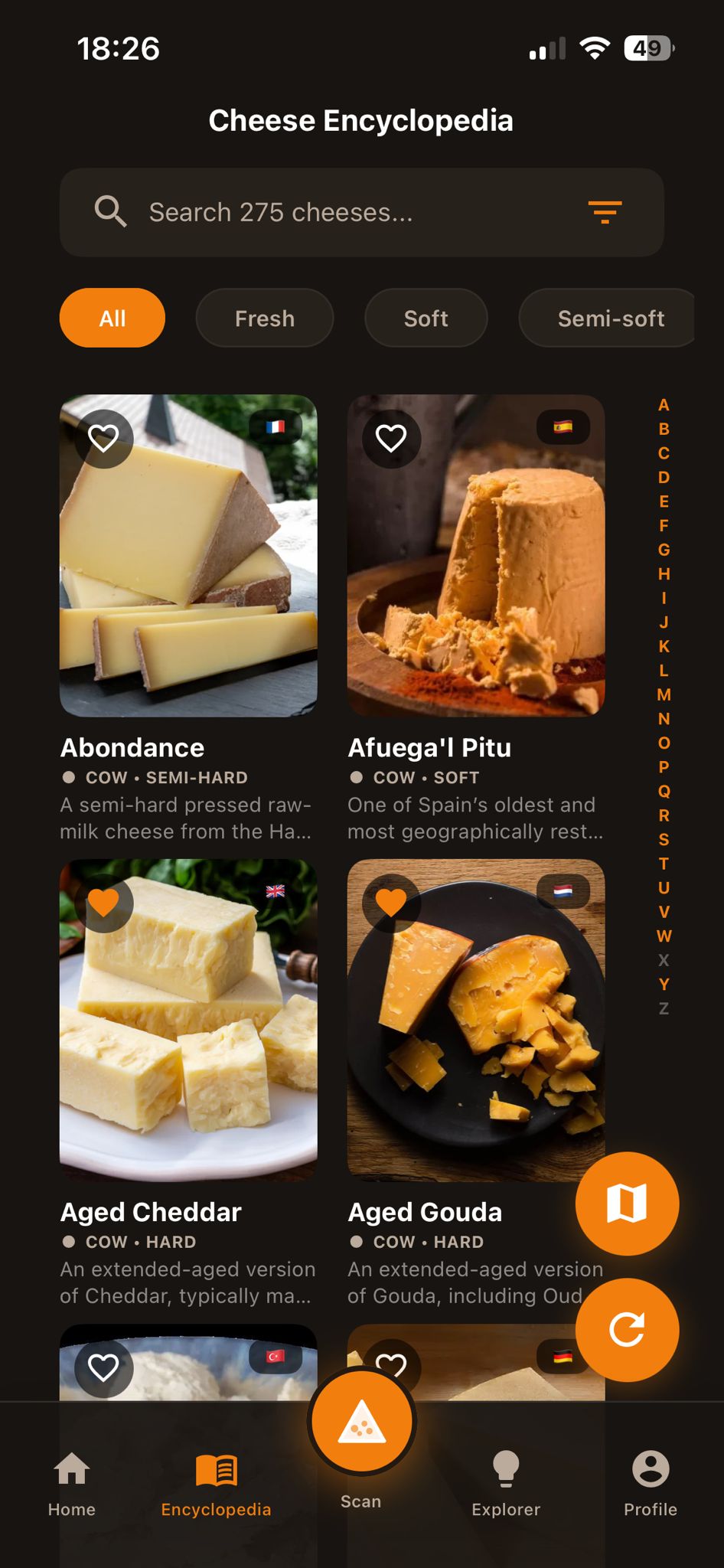
Yes. In Cheesepedia you can compare milk, texture, intensity and taste, and add the ones you want to try to your Cheese Journal.
Sources and further reading
This guide is Cheesepedia's original interpretation of the references below. Listing a source does not imply that the organization endorses Cheesepedia.