What is Traditional Welsh Caerphilly?
A Welsh cheese known as “miner’s bread”; white, crumbly, and fresh in character, with a dual texture: a more crumbly outer layer and a smoother, creamier inner core. Made from pasteurised whole cow’s milk on farms in Gower and Carmarthenshire. Aged for a minimum of 10 days. The protected name applies to cheese made by Welsh farms following Annie Evans’ 1907 recipe.
Taste, aroma, and texture
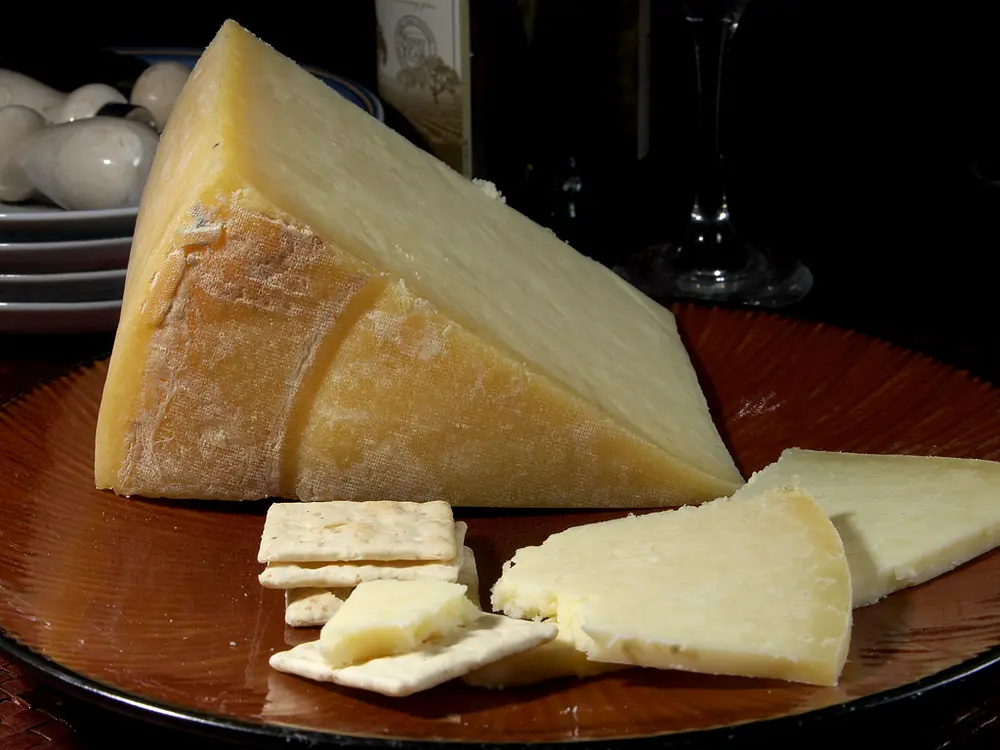
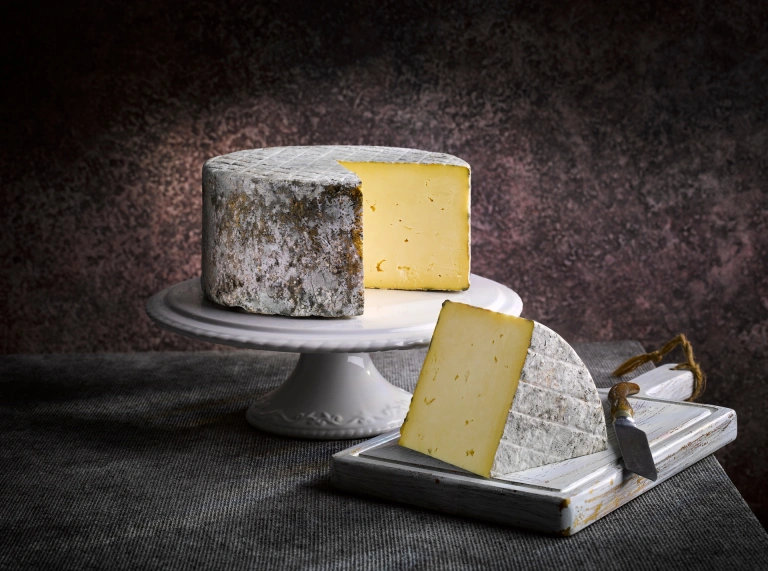
Crumbly, moist, and smooth, with a dual structure: a more crumbly outer layer and a creamier inner core. Although classified as a hard cheese, it retains more moisture than many hard British cheeses. High moisture gives a fresh, clean mouthfeel. The interior is pale ivory-white. The thin natural rind may develop white to grey-blue mould with age.
Lactic notes are strongly dominant: clean, fresh, and slightly citric. Earthy and herbal notes are equally notable from the Welsh limestone pastures. Animal and fruity notes are faint. No smoky character.
Cheesepedia taste profile
The values below are the structured baseline in the Cheesepedia app. Your personal match is calculated separately from your own taste profile.
A general profile can describe Traditional Welsh Caerphilly, but it cannot know how closely the cheese fits your preferences. Cheesepedia Premium compares this profile with your personal taste profile and lets you evaluate cheeses side by side.
See your personal matchHow to enjoy it
- Crumbled into salads, soups, or savoury pies.
- Sliced into sandwiches, lunch plates, or cheese boards.
- Served with apples, pickles, or crusty bread.
What pairs with Traditional Welsh Caerphilly?
Classic serving companions from the Cheesepedia catalog.
- Dried Figs
- Rustic Bread
- Walnuts
- Oatcakes
Find the right wine in Cheesepedia
Cheesepedia uses an expert-designed algorithm that compares the cheese's taste, intensity, and production profile with the wine's body, acidity, tannin, and sweetness. Wine pairings are not generated by AI.
See wine pairings for Traditional Welsh CaerphillyStory and origin
Originated in the town of Caerphilly in the 1830s. It became a staple food of South Wales coal miners because its rind protected the interior from dirty hands, while its salty character suited physically demanding work. Production nearly ceased during World War II and was revived by Welsh producers in the 1980s. PGI status was granted in 2018.
Storage and serving
- Store in the fridge, sealed or in an airtight container.
- Air travel: not ideal; suitable only if sealed and kept cool.
Profile sources and methodology
This page uses the same curated record as the Cheesepedia mobile app. Production-style and designation references provide context; they do not imply endorsement of Cheesepedia.