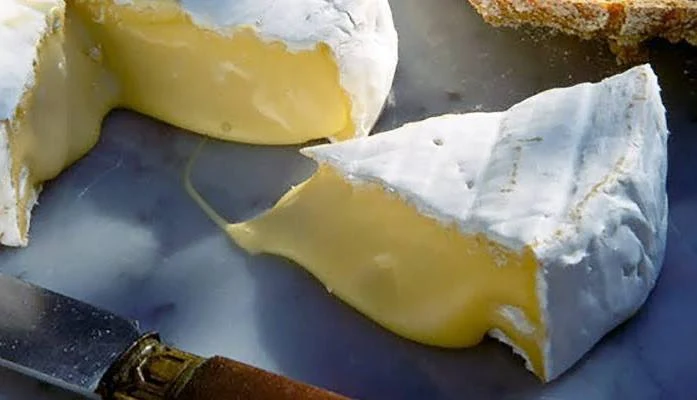
What is Bonchester?
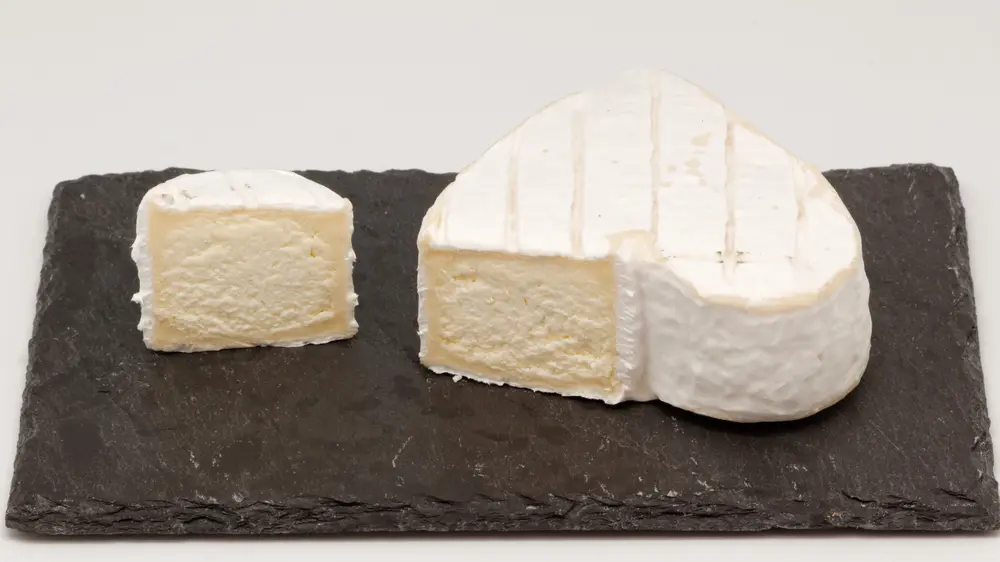
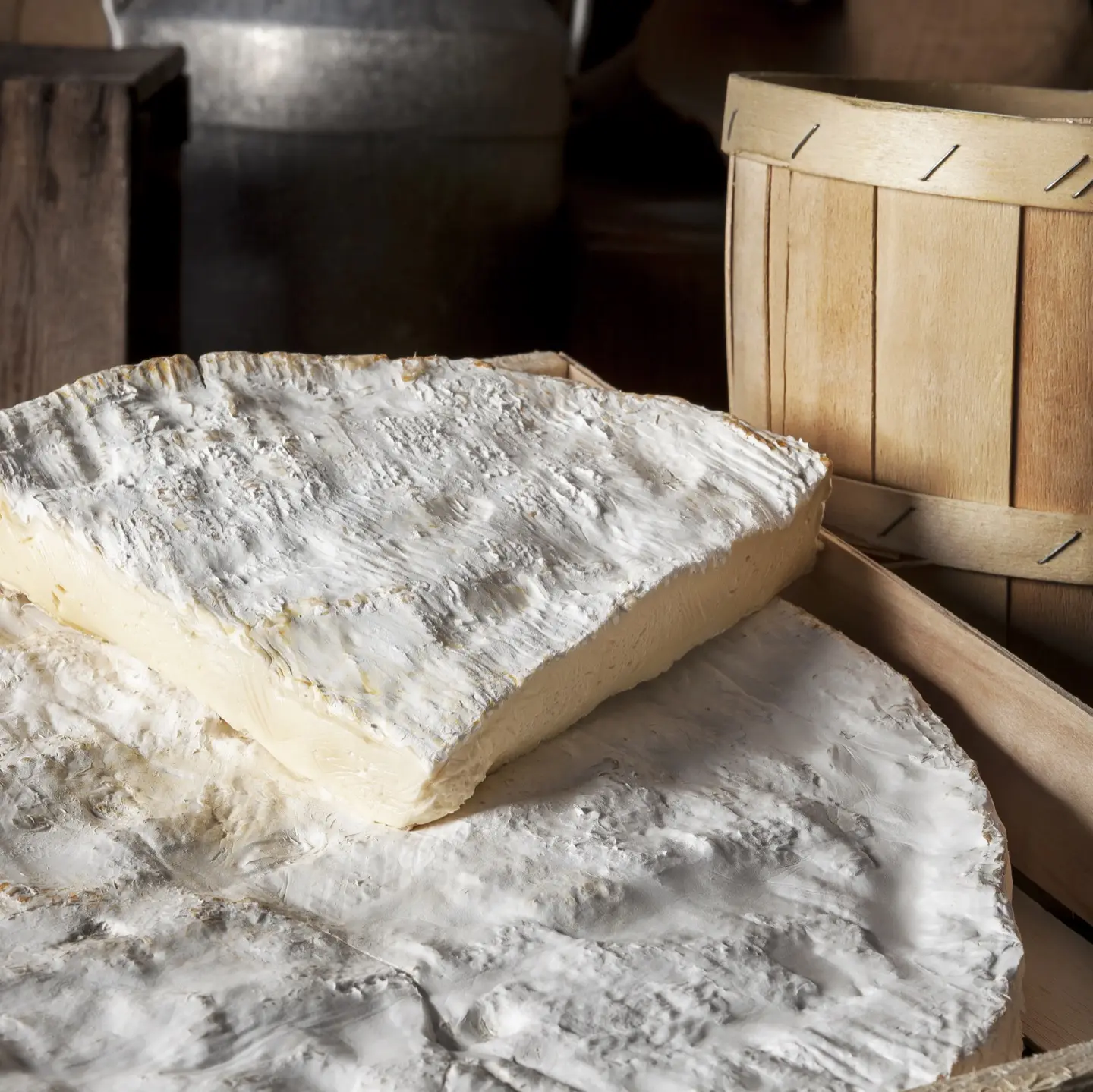
A rare Scottish artisan soft cheese from Easter Weens Farm in Bonchester Bridge, Roxburghshire. Made from the full-fat raw milk of Jersey cows, giving it a rich and creamy character. Produced in small rounds in a Camembert-inspired style with a white bloomy rind, and aged for a minimum of 6 weeks.
Taste, aroma, and texture
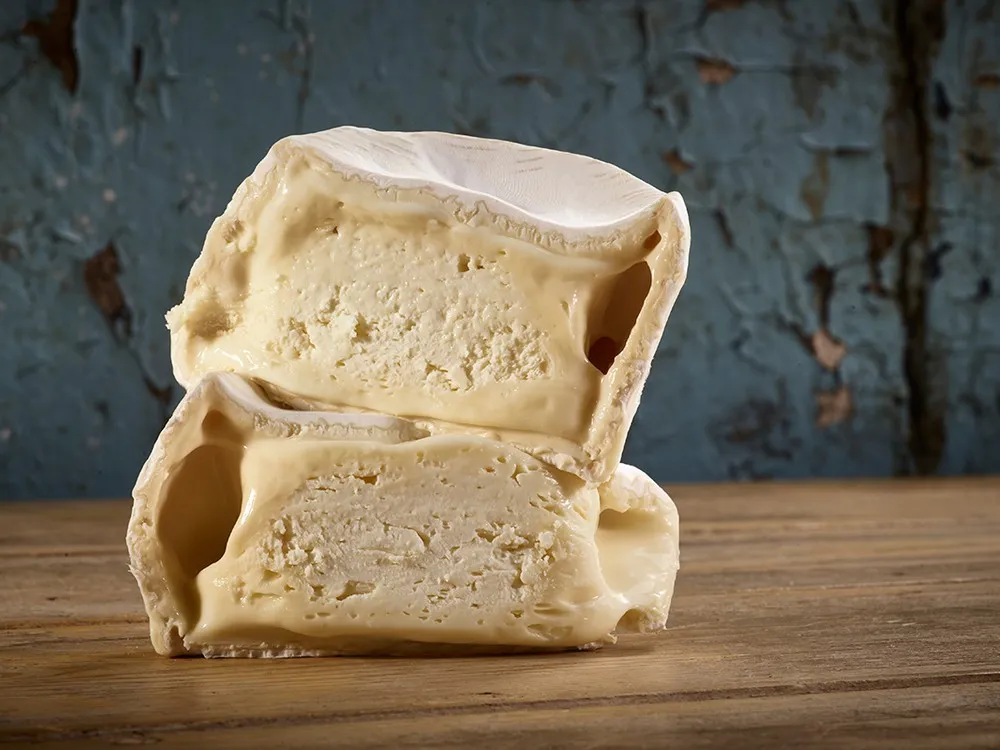
Smooth, silky, and velvety. When fully ripe, the interior becomes almost liquid beneath the delicate white bloomy rind. The rind is thin, edible, and slightly downy. Interior is pale ivory. Best served at room temperature.
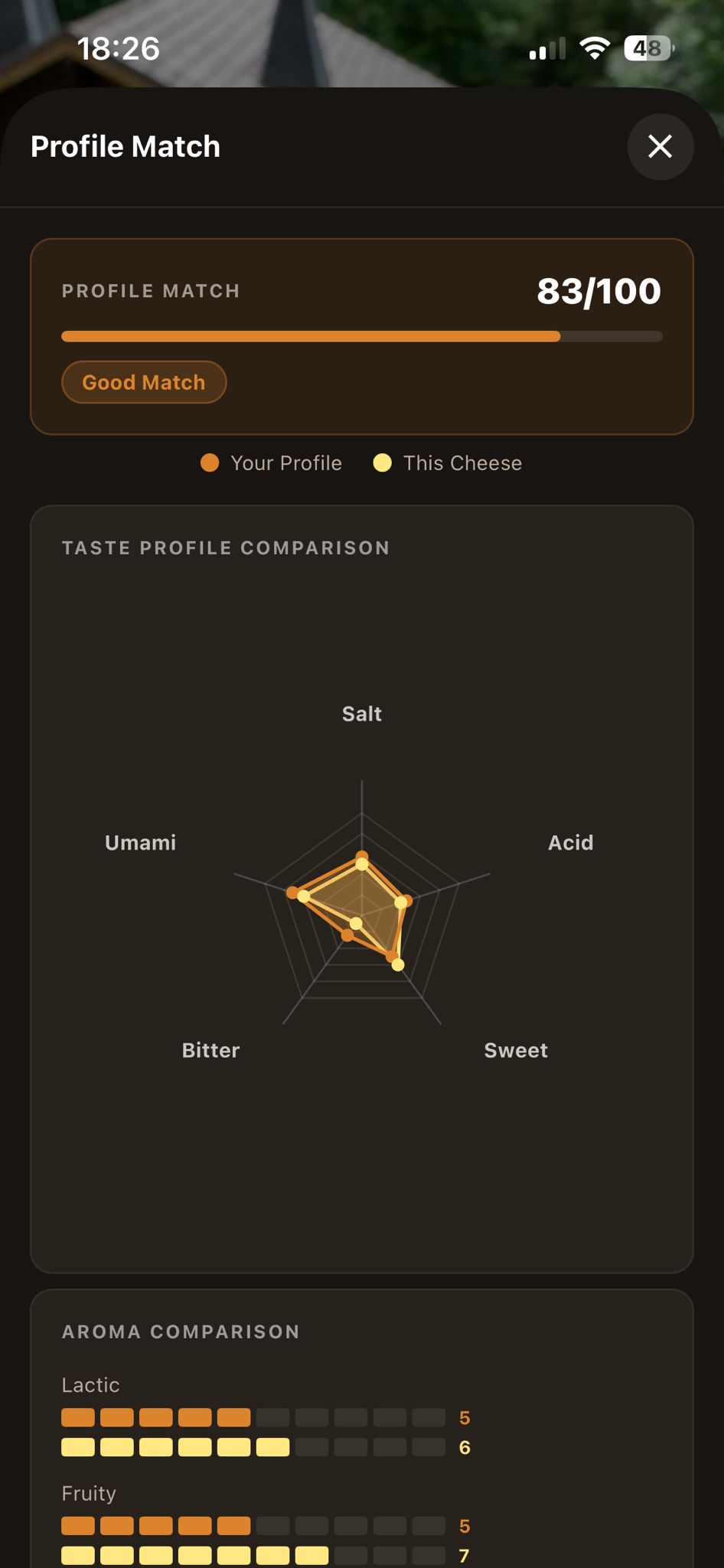
Lactic notes are strongly dominant: fresh grass and rich Jersey milk. Fruity and earthy notes are equally notable, with delicate wildflower and mushroom character from the bloomy rind. Animal notes are present. No smoky character.
Cheesepedia taste profile
The values below are the structured baseline in the Cheesepedia app. Your personal match is calculated separately from your own taste profile.
A general profile can describe Bonchester, but it cannot know how closely the cheese fits your preferences. Cheesepedia Premium compares this profile with your personal taste profile and lets you evaluate cheeses side by side.
See your personal matchHow to enjoy it
- Spread on crackers, oatcakes, or rustic bread.
- Served with fresh fruit, honey, or nuts.
- Used as a soft cheese element on small appetiser plates.
What pairs with Bonchester?
Classic serving companions from the Cheesepedia catalog.
- Butter Cracker
- Grissini
- Lavash Chips
- Salted Cracker
- Mini Sesame Bagel
Find the right wine in Cheesepedia
Cheesepedia uses an expert-designed algorithm that compares the cheese's taste, intensity, and production profile with the wine's body, acidity, tannin, and sweetness. Wine pairings are not generated by AI.
See wine pairings for BonchesterStory and origin
Created by John and Christian Curtis at Easter Weens Farm in 1980, using Camembert-style techniques adapted to the rich Jersey milk of the Scottish Borders. It quickly gained international recognition and received PDO status in 1996. Production ceased for a period but was later revived at the same farm by a new generation of makers.
Storage and serving
- Store in the fridge, wrapped in cheese paper or parchment.
- Air travel: suitable for short trips if sealed and kept cool.
Profile sources and methodology
This page uses the same curated record as the Cheesepedia mobile app. Production-style and designation references provide context; they do not imply endorsement of Cheesepedia.