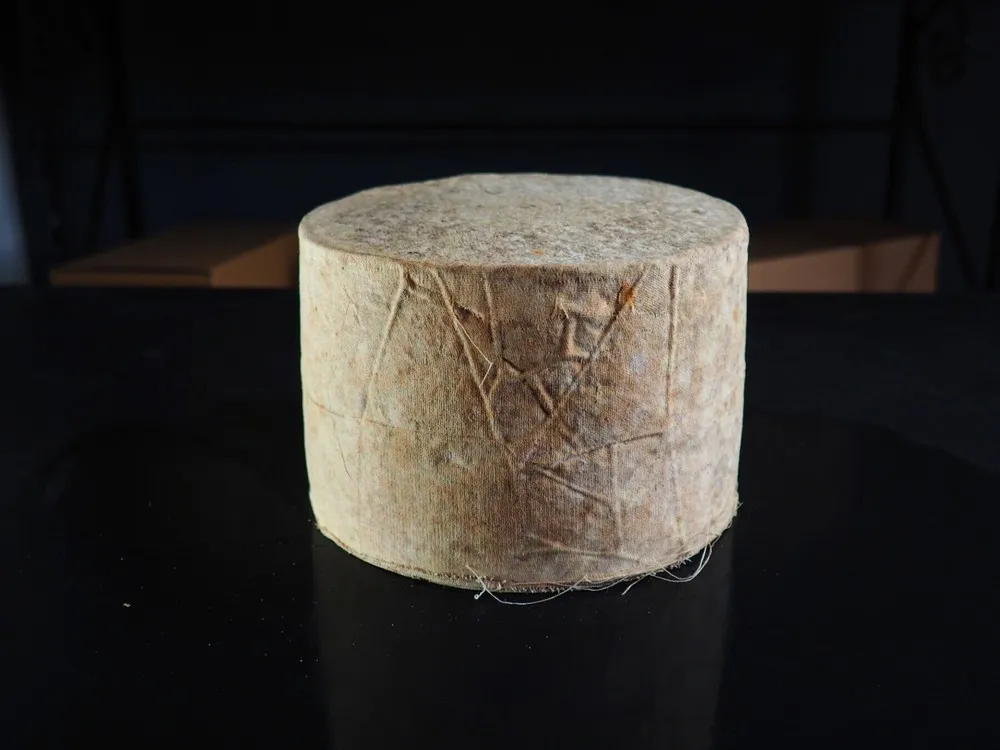
What is Traditional Ayrshire Dunlop?
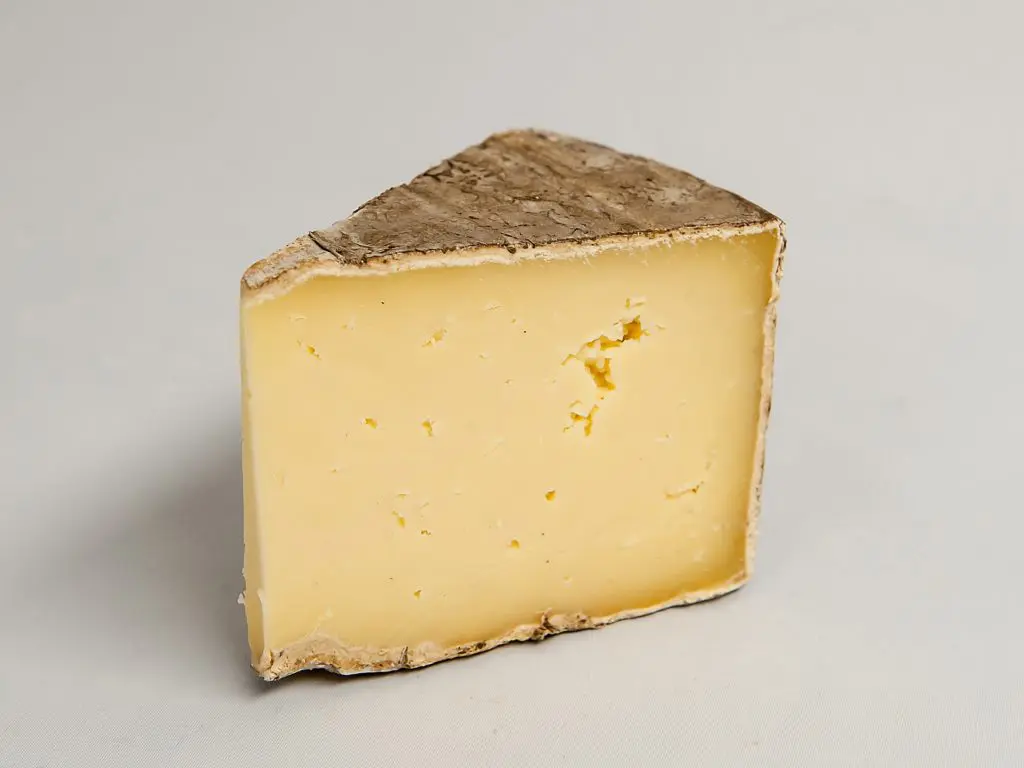
A historic Scottish cheese from Ayrshire, produced from the milk of Ayrshire breed cows. Often compared with Cheddar, but milder, sweeter, and more pliable. Made from pasteurised whole milk and aged for a minimum of 4 months. Named after the village of Dunlop in Ayrshire.
Taste, aroma, and texture
Firm yet flexible and moist, with a smooth, silky interior that melts easily. It lacks the dry, crumbling tendency of aged Cheddar. Pale yellow interior. Natural or wax rind. More supple than Cheddar at the same age.
Lactic and earthy notes are equally dominant. Fruity and herbal notes are equally notable. Animal notes are faint. No smoky character. Sweeter, cleaner, and less assertive than Cheddar; Ayrshire milk gives a fresh dairy character.
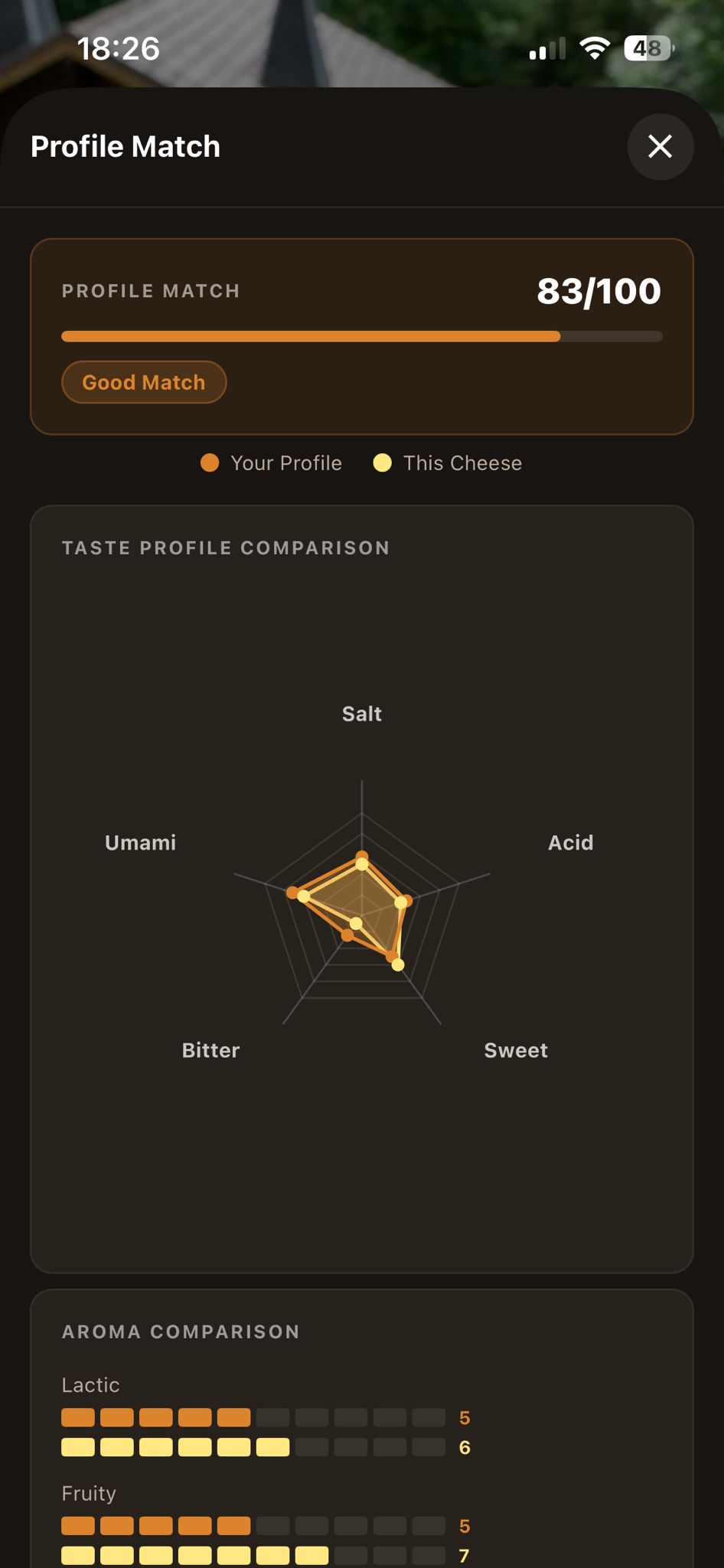
Cheesepedia taste profile
The values below are the structured baseline in the Cheesepedia app. Your personal match is calculated separately from your own taste profile.
A general profile can describe Traditional Ayrshire Dunlop, but it cannot know how closely the cheese fits your preferences. Cheesepedia Premium compares this profile with your personal taste profile and lets you evaluate cheeses side by side.
See your personal matchHow to enjoy it
- Sliced into sandwiches, toasties, or cheese boards.
- Melted into omelettes, baked potatoes, or savoury pies.
- Served with oatcakes, apples, or pickles.
What pairs with Traditional Ayrshire Dunlop?
Classic serving companions from the Cheesepedia catalog.
- Honey or Quince Paste (Membrillo)
- Roasted Almonds
- Fresh Grapes
- Crusty Bread
- Oatcakes
Find the right wine in Cheesepedia
Cheesepedia uses an expert-designed algorithm that compares the cheese's taste, intensity, and production profile with the wine's body, acidity, tannin, and sweetness. Wine pairings are not generated by AI.
See wine pairings for Traditional Ayrshire DunlopStory and origin
Legend holds that in 1688 Barbara Gilmour introduced the recipe to Dunlop after fleeing religious persecution in Ireland. Her use of whole milk changed local cheesemaking and created a distinctly Scottish style. PGI status was granted in 1996.
Storage and serving
- Store in the fridge, wrapped or vacuum-packed.
- Air travel: suitable, especially if vacuum-packed.
Profile sources and methodology
This page uses the same curated record as the Cheesepedia mobile app. Production-style and designation references provide context; they do not imply endorsement of Cheesepedia.