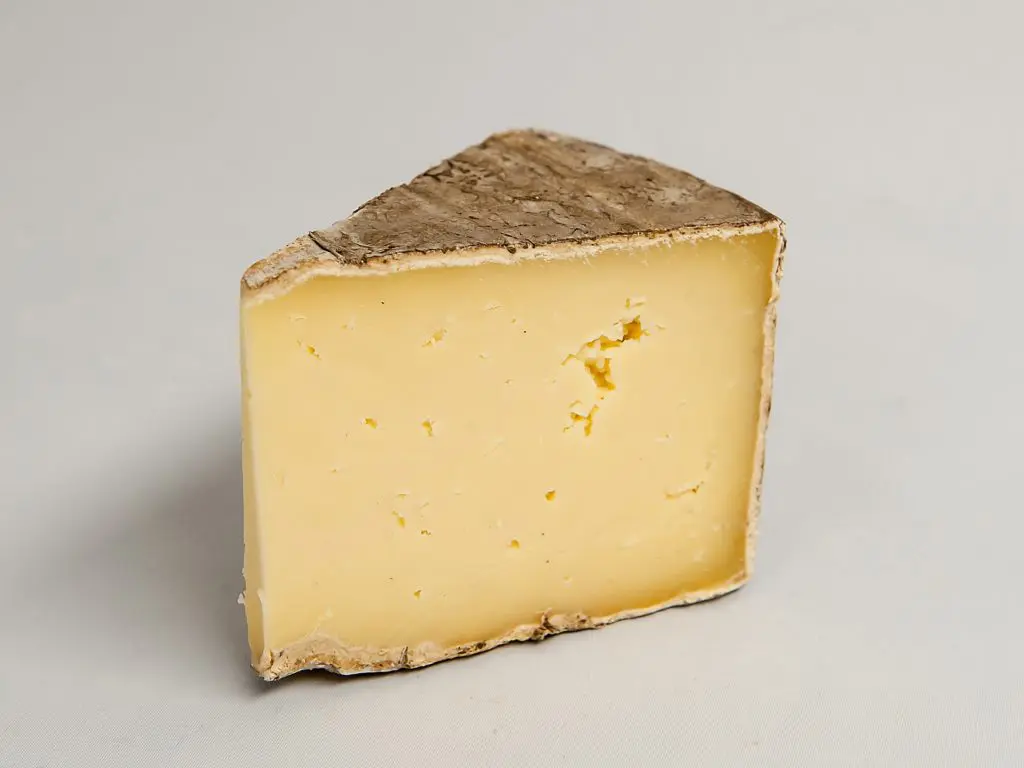
What is Single Gloucester?
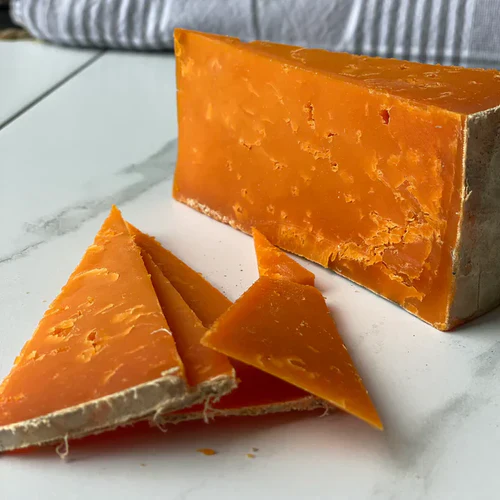
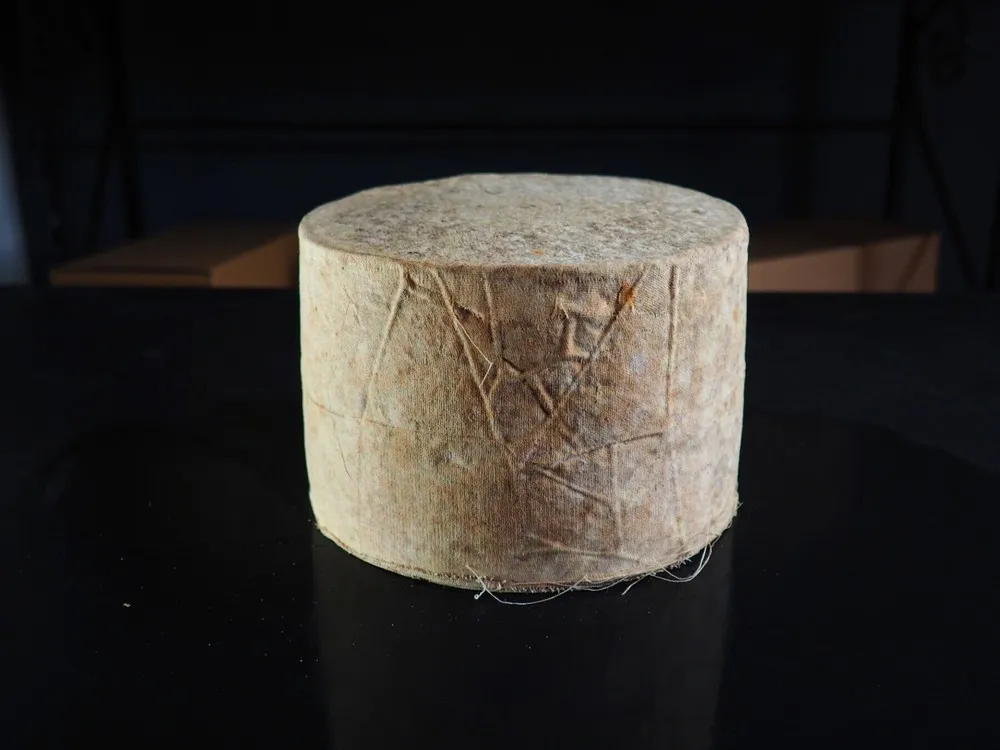
A historic cheese produced in Gloucestershire from partially skimmed cow’s milk, making it lighter and less rich than Double Gloucester. It must include milk from Gloucester breed cows, at least in part. Aged for a minimum of 4 weeks. Thinner and more pliable than Double Gloucester.
Taste, aroma, and texture
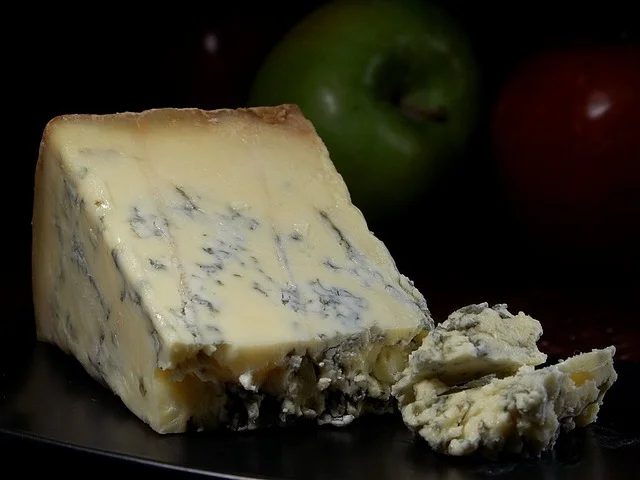
Semi-hard, smooth, and more flexible than Double Gloucester, with a slightly moist and supple interior. Pale ivory to straw-yellow. Natural rind is thin. Thinner in format than Double Gloucester. Melts cleanly when heated.
Lactic and earthy notes are equally dominant. Fruity and herbal notes are equally notable. Animal notes are faint. No smoky character. Fresher and more delicate than Double Gloucester.
Cheesepedia taste profile
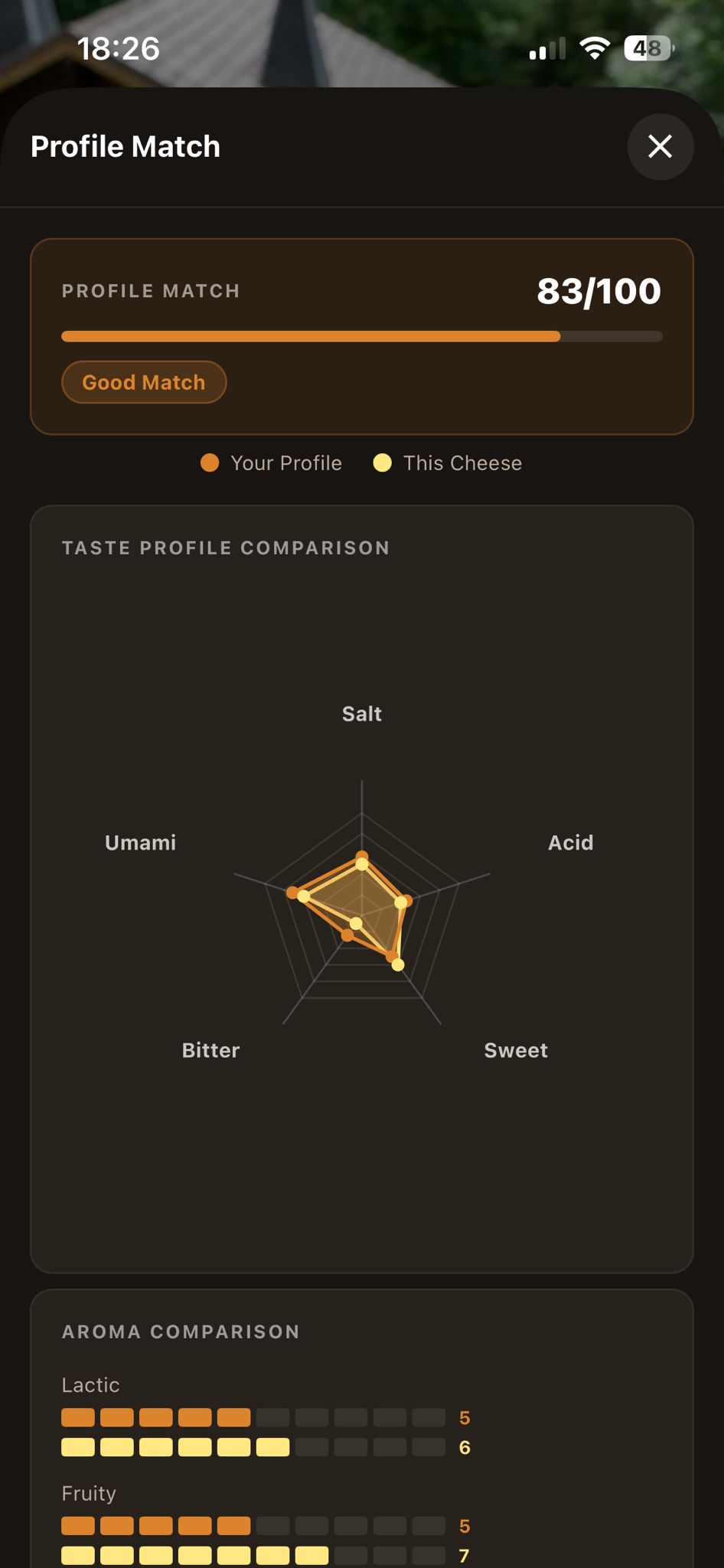
The values below are the structured baseline in the Cheesepedia app. Your personal match is calculated separately from your own taste profile.
A general profile can describe Single Gloucester, but it cannot know how closely the cheese fits your preferences. Cheesepedia Premium compares this profile with your personal taste profile and lets you evaluate cheeses side by side.
See your personal matchHow to enjoy it
- Sliced into sandwiches, ploughman’s-style plates, or cheese boards.
- Melted into omelettes, toasties, or baked potatoes.
- Grated over soups, vegetables, or savoury bakes.
What pairs with Single Gloucester?
Classic serving companions from the Cheesepedia catalog.
- Tomatoes & Red Onions
- Fresh Warm Bread
- Watermelon (Traditional summer pairing)
- Mămăligă (Cornmeal Porridge)
- Oatcakes
Find the right wine in Cheesepedia
Cheesepedia uses an expert-designed algorithm that compares the cheese's taste, intensity, and production profile with the wine's body, acidity, tannin, and sweetness. Wine pairings are not generated by AI.
See wine pairings for Single GloucesterStory and origin
Dairy records in Gloucestershire date to the 16th century. Historically, Single Gloucester was the everyday farmhouse cheese for local consumption, while Double Gloucester was made for export and longer keeping. The two cheeses diverged in style and ageing over centuries. PDO status was granted in 1996.
Storage and serving
- Store in the fridge, sealed or in an airtight container.
- Air travel: not ideal; suitable only if sealed and kept cool.
Profile sources and methodology
This page uses the same curated record as the Cheesepedia mobile app. Production-style and designation references provide context; they do not imply endorsement of Cheesepedia.