Which cheeses is Spain famous for?
Manchego, Cabrales, Idiazabal and Mahón are among the best-known cheeses outside Spain. Asturias's Afuega'l Pitu, Gamoneu and Casín; Galicia's Arzúa-Ulloa, Tetilla and Cebreiro; and Cantabria's Picón and Quesucos de Liébana form a very dense cheese belt in the north.
La Serena and Ibores in Extremadura; Zamorano and Valdeón in Castilla y León; Majorero, Palmero and Flor de Guía in the Canary Islands; and on the Mediterranean side, Murcia and Menorca's Mahón show different milks and production techniques. Spain's official tourism portal also presents cheese routes as a regional travel experience.
A cheese map of Spain
Spain's cheese map asks you to think about the mainland and the islands, and the humid north and drier interior, together. The diagram shows five strong tasting clusters.
Tetilla · Arzúa-Ulloa · Cabrales · Gamoneu · Picón · Quesucos
Idiazabal · Roncal · Alt Urgell y la Cerdanya
Manchego · Zamorano · Valdeón
La Serena · Ibores
Murcia · Mahón · Majorero · Palmero · Flor de Guía
Do not treat Mahón, Majorero and Palmero as a short extension of a mainland trip.
Transport, producer visits and carrying cheese home need planning of their own.The 25 Spanish cheeses in Cheesepedia
This is not a “best cheeses” ranking. It shows the cheeses in the app database with their milk, texture, intensity and production area. Each card opens the full profile; when you compare styles, keep in mind that producer, age and storage can all change the experience.
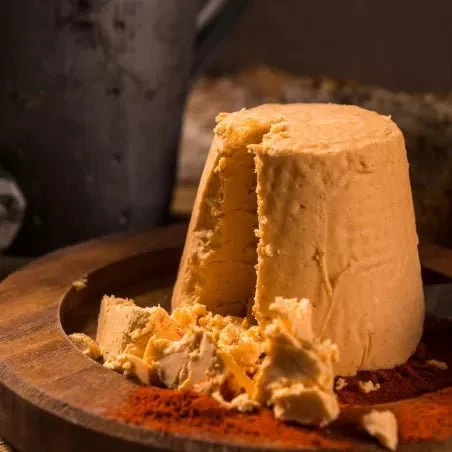 Afuega'l PituAsturiasCow · Soft · bold
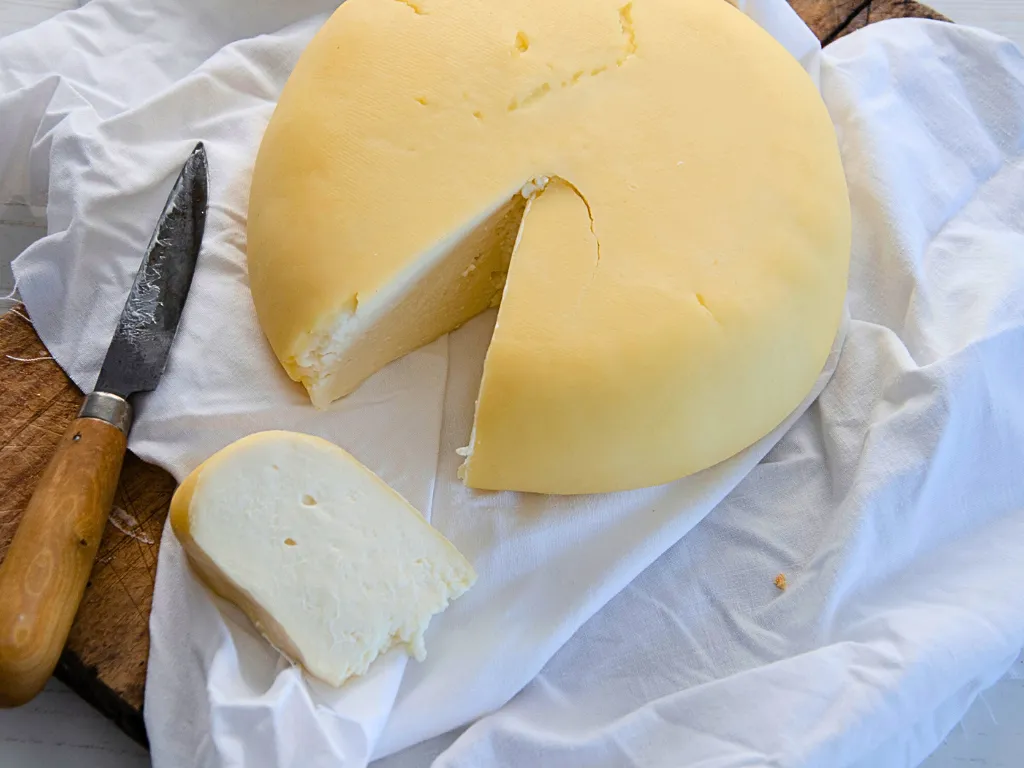 Arzúa-UlloaGalicia (Arzúa and Ulloa regions)Cow · Soft · gentle
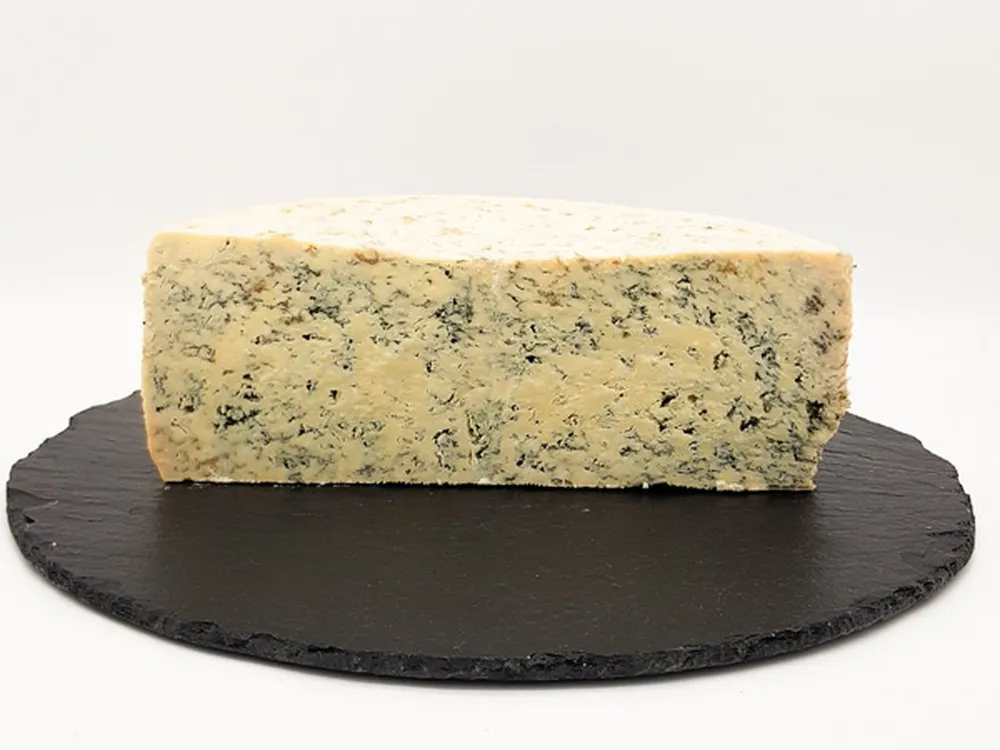 CabralesAsturiasCow · Semi-hard · extreme
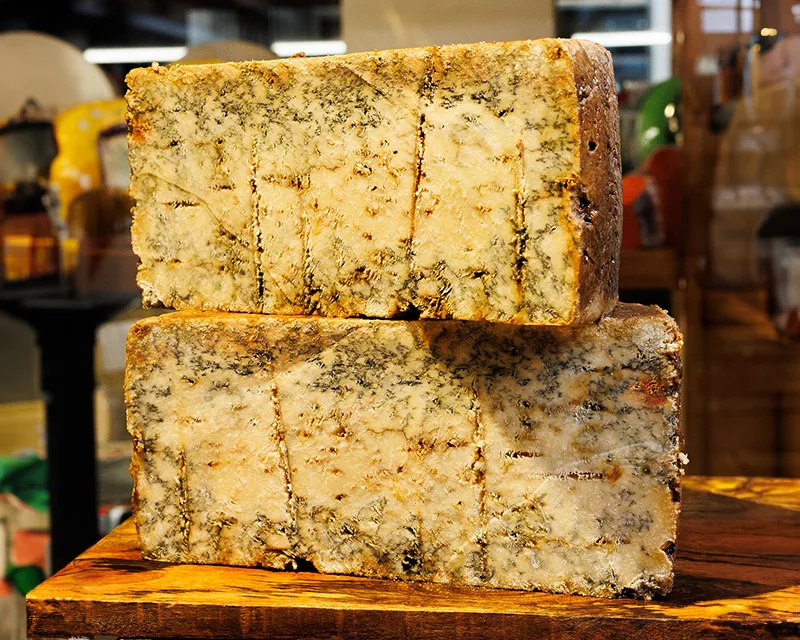 Gamoneu (Gamonedo)Asturias (Picos de Europa)Cow / Sheep / Goat · Semi-hard · bold
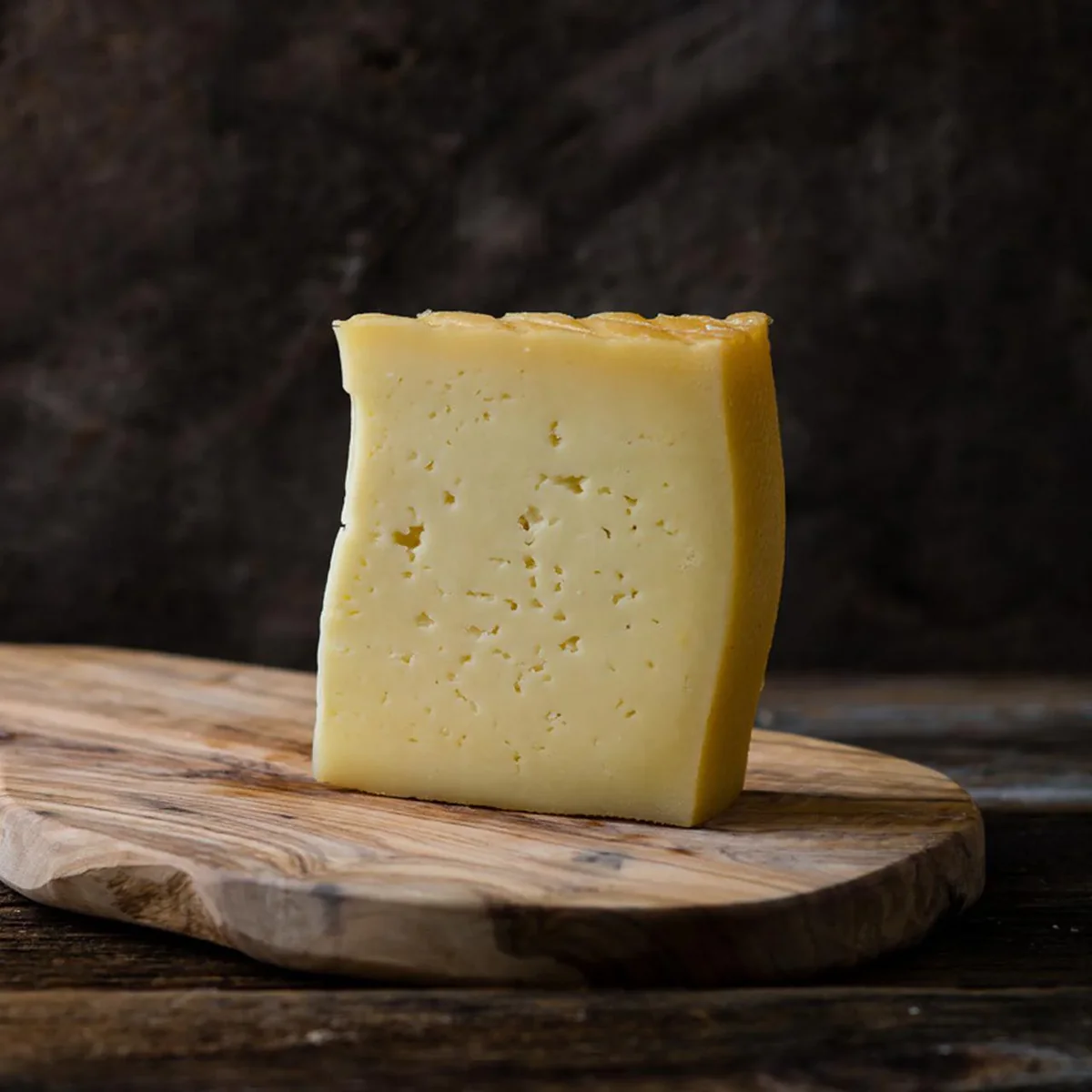 IdiazabalBasque CountrySheep · Semi-hard · bold
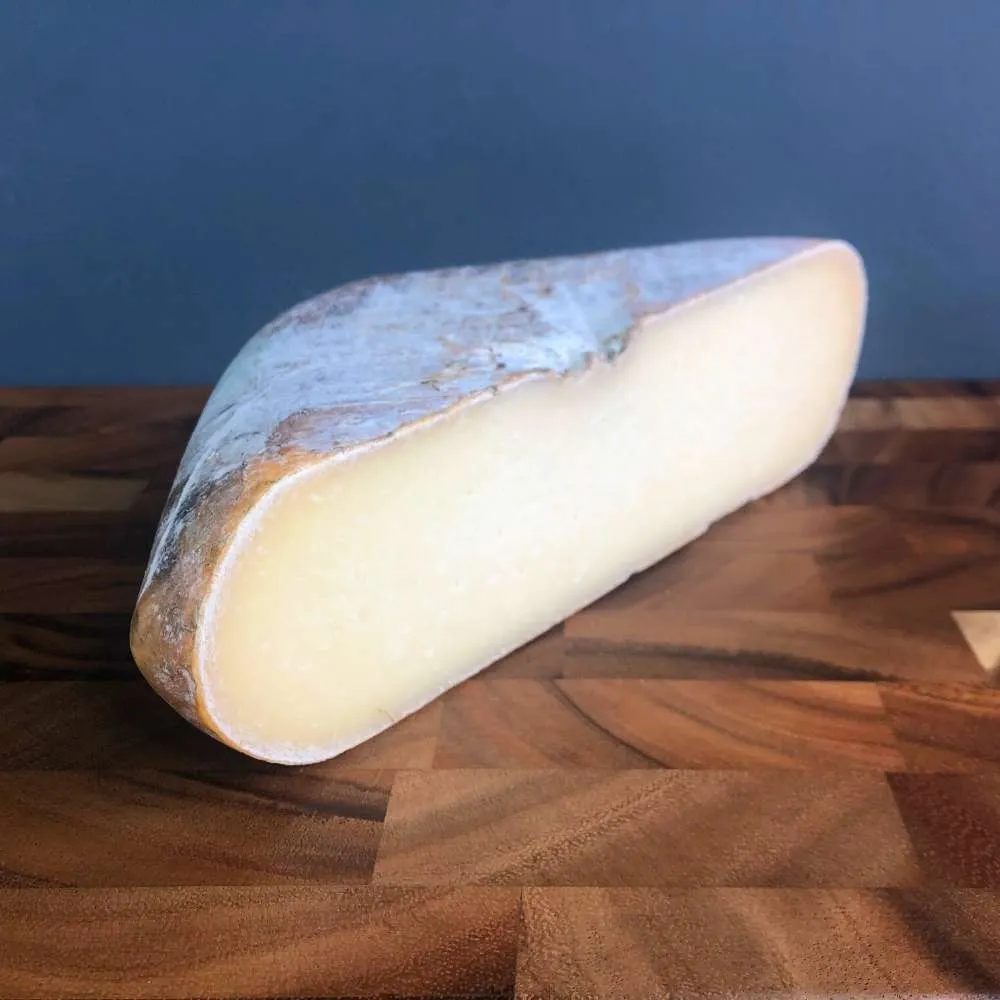 MahónMenorcaCow · Semi-hard · medium
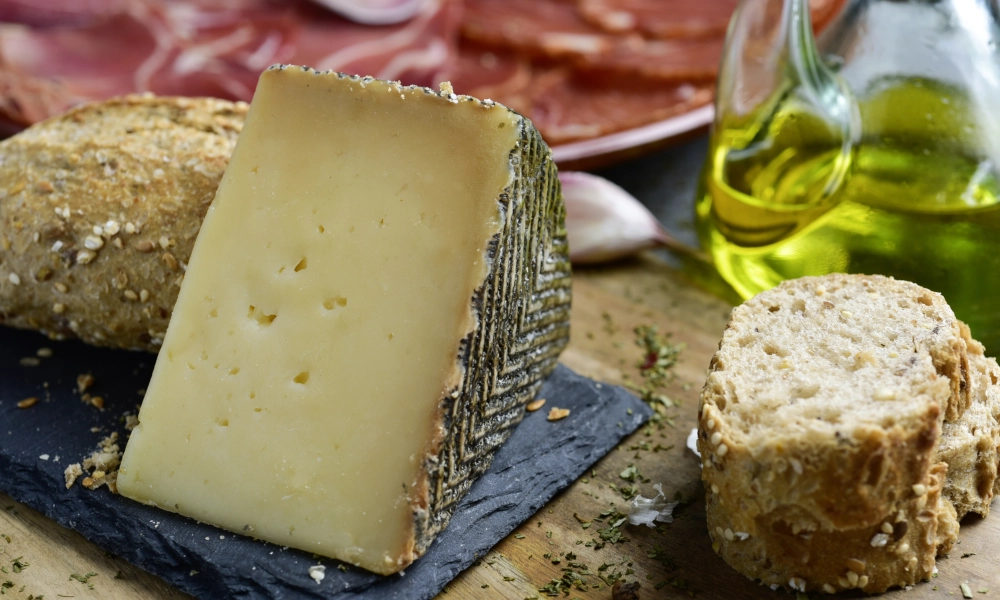 ManchegoLa ManchaSheep · Hard · bold
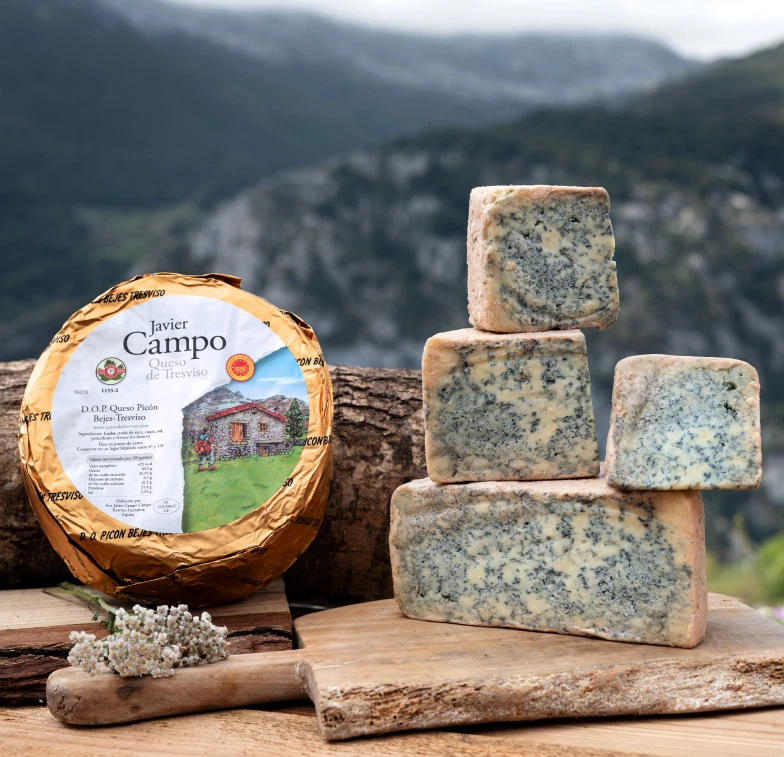 Picón Bejes-TresvisoCantabria (Liébana District)Cow / Sheep / Goat · Semi-hard · bold
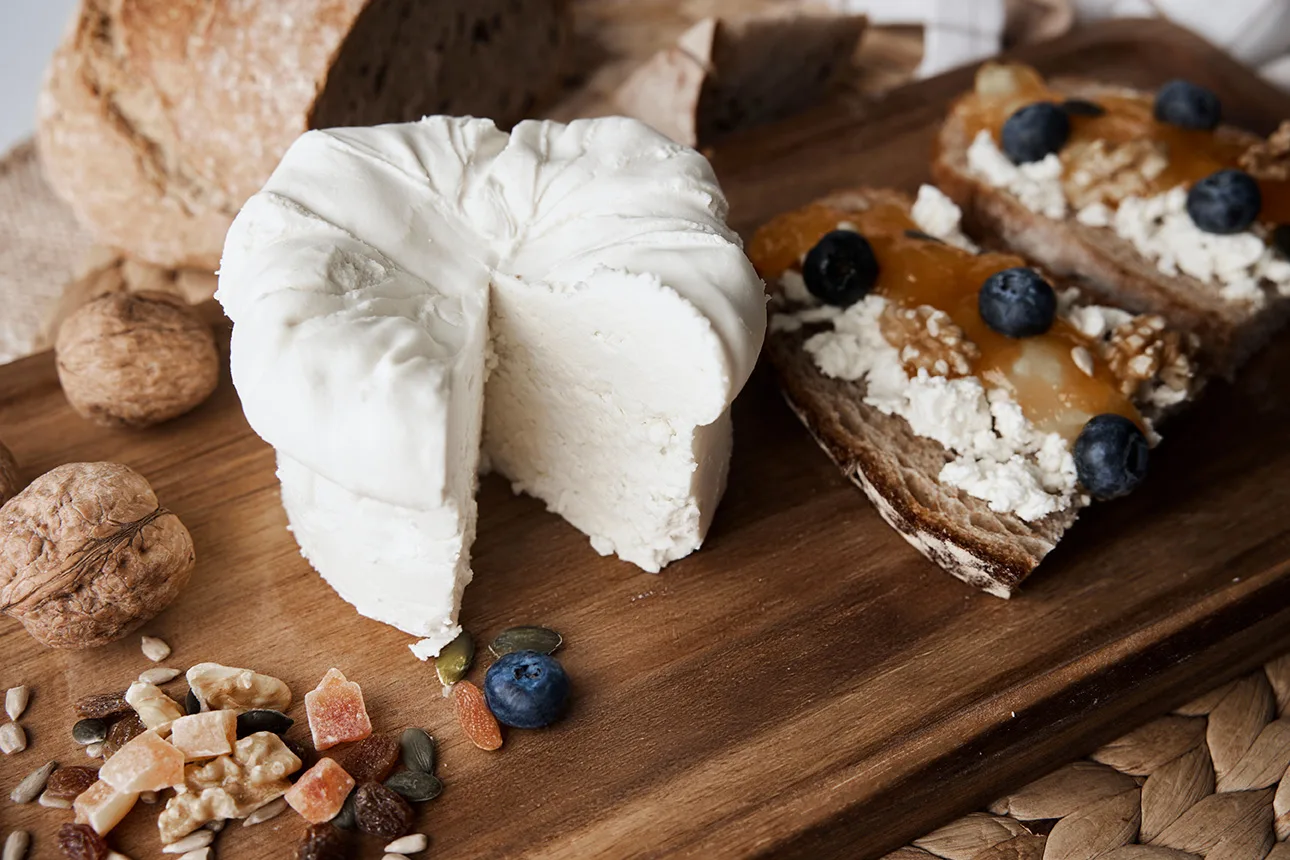 Queijo CebreiroGalicia (Pedrafita do Cebreiro, Lugo)Cow · Soft · gentle
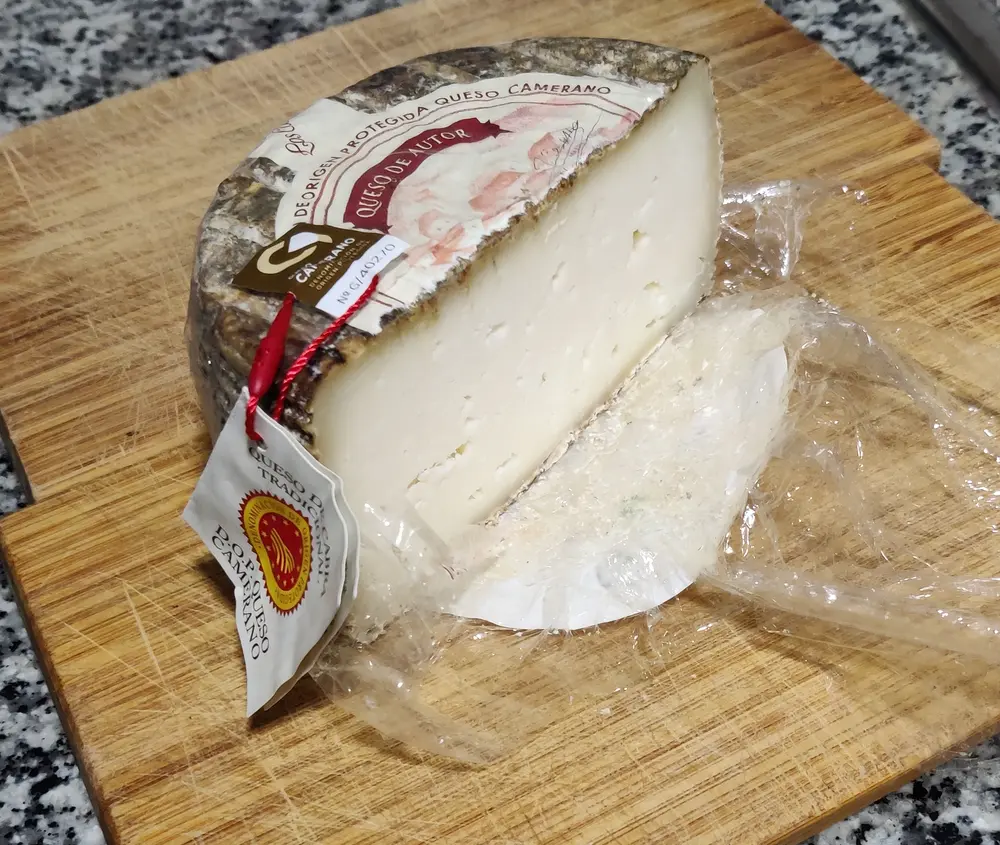 Queso CameranoLa Rioja (Sierra de Cameros)Goat · Fresh · gentle
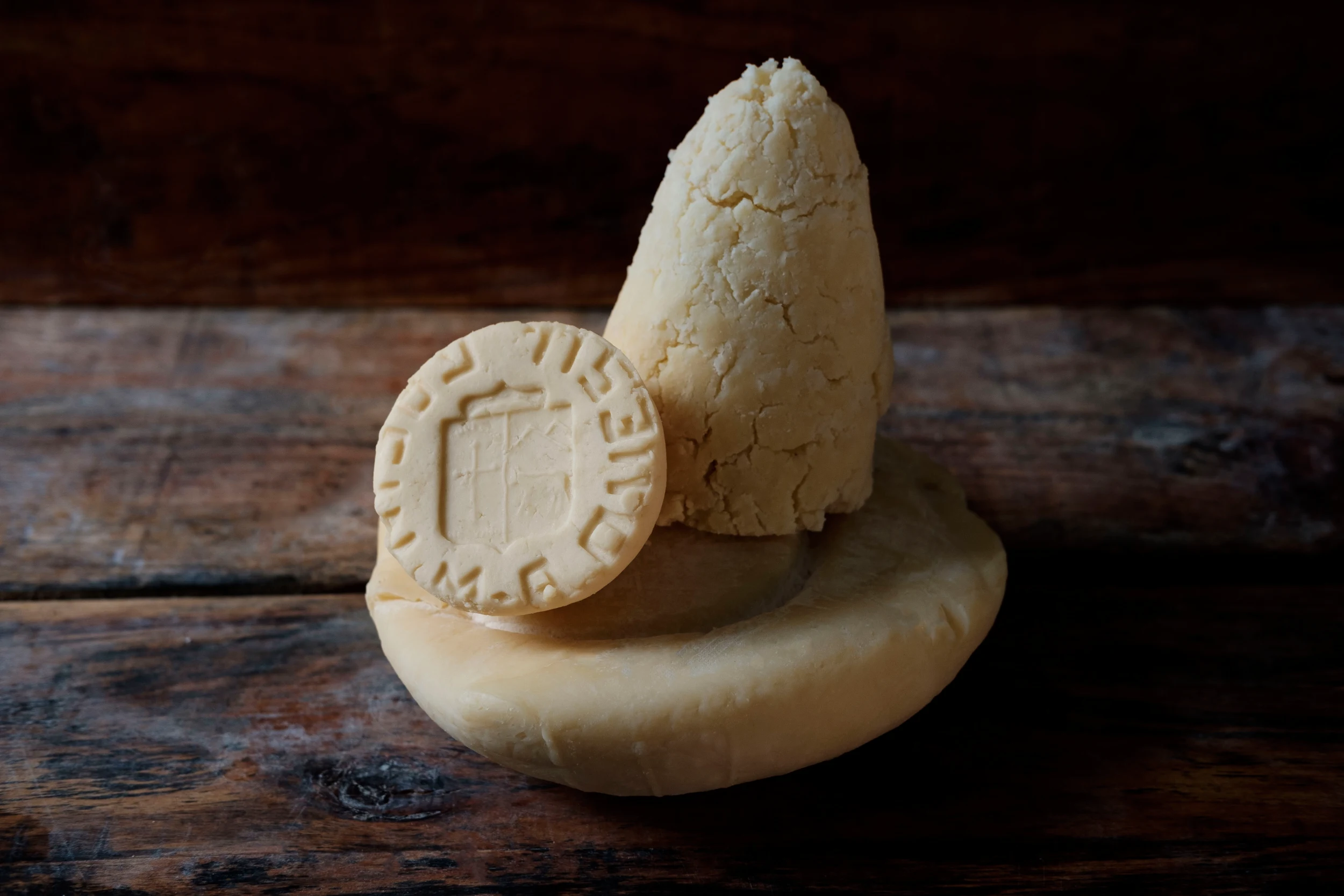 Queso CasínAsturias (Redes Natural Park)Cow · Semi-hard · bold
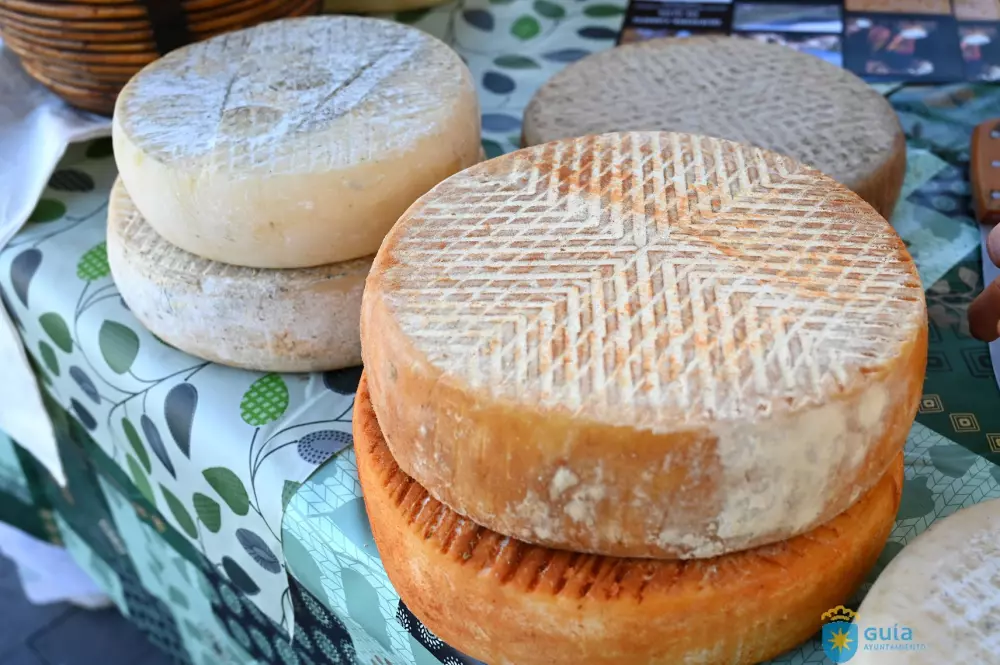 Queso de Flor de GuíaGran Canaria (Santa María de Guía, Gáldar, Moya)Cow / Sheep / Goat · Semi-soft · medium
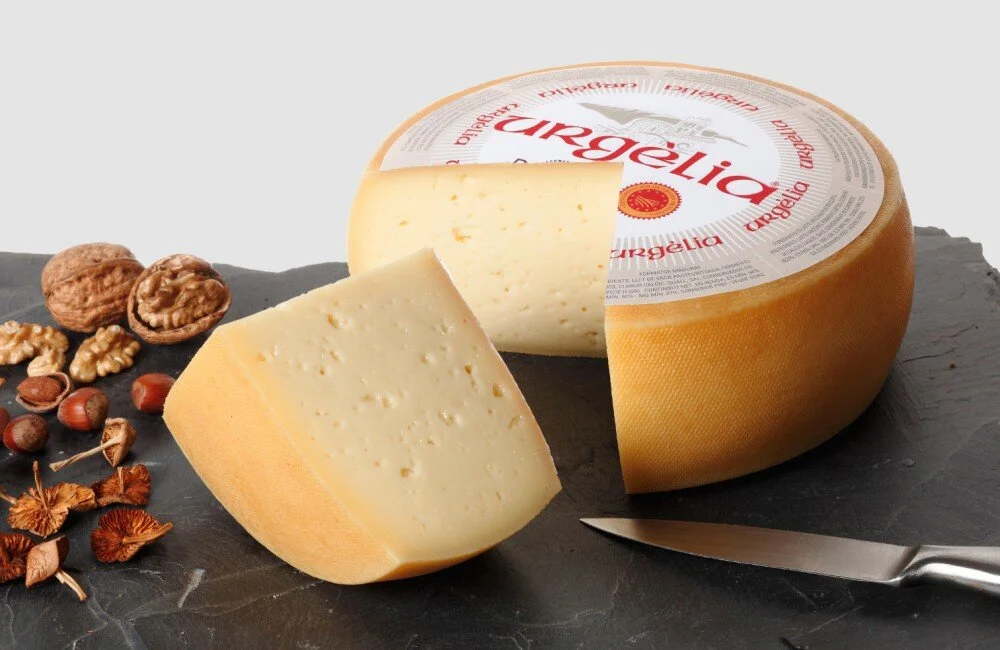 Queso de l'Alt Urgell y la CerdanyaCatalonia (Lleida and Girona provinces)Cow · Soft · medium
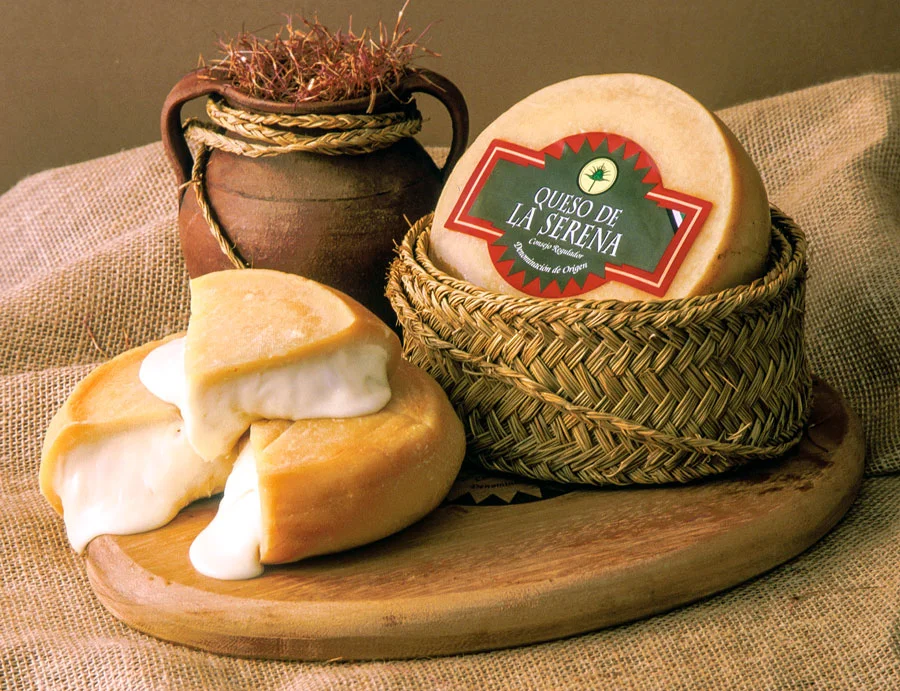 Queso de La SerenaExtremadura (La Serena, Badajoz)Sheep · Soft · bold
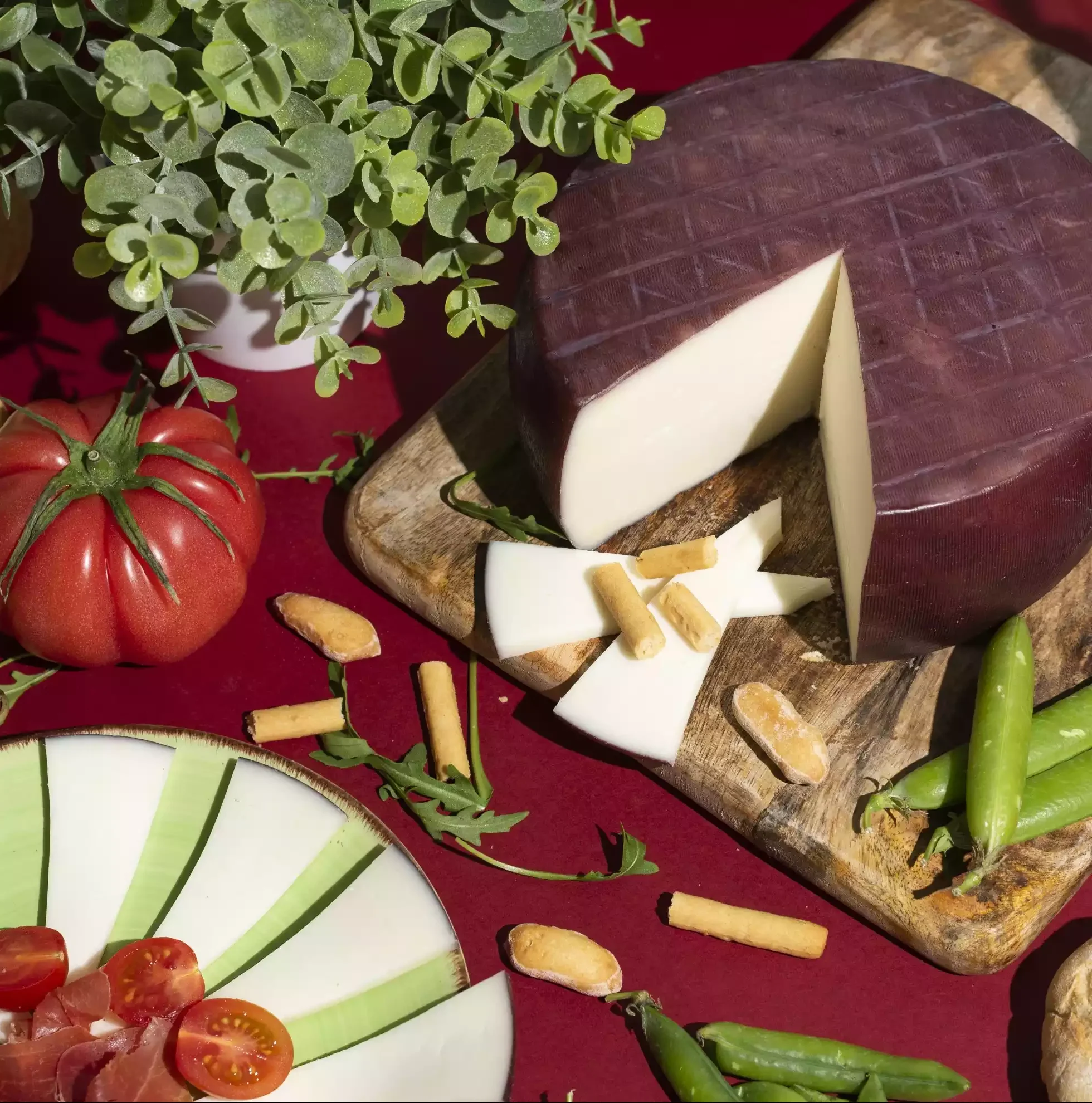 Queso de MurciaMurciaGoat · Semi-hard · medium
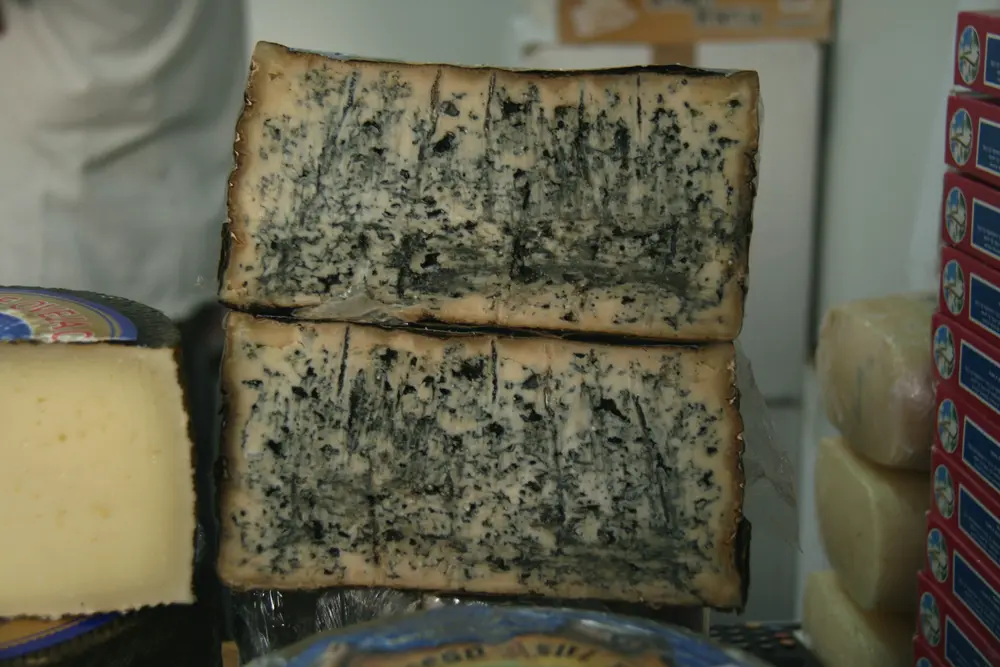 Queso de ValdeónCastile and León (Valdeón Valley, León)Cow / Sheep / Goat · Semi-hard · bold
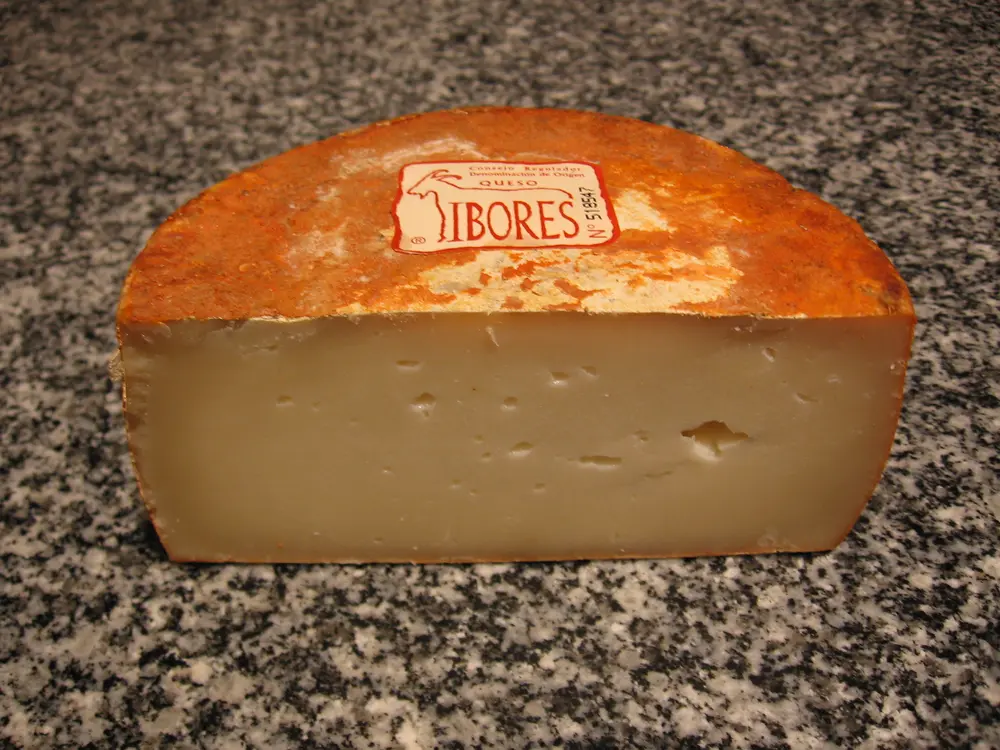 Queso IboresExtremadura (Cáceres, Ibores district)Goat · Semi-hard · bold
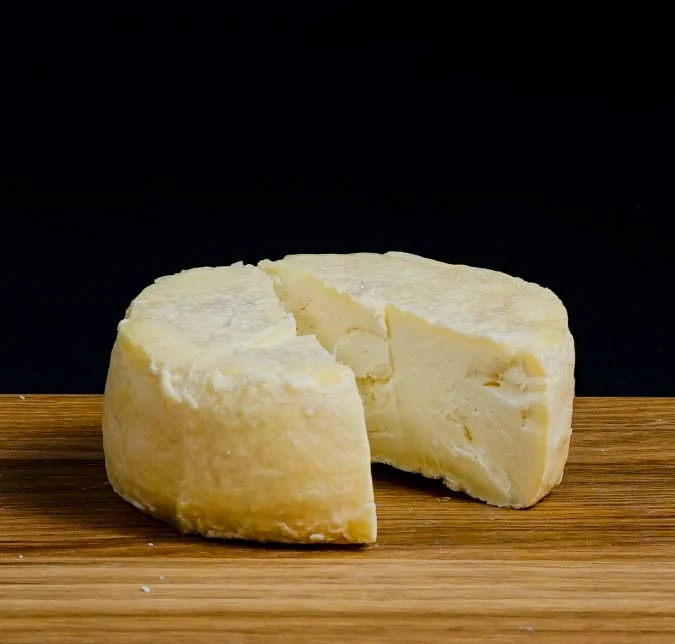 Queso Los BeyosAsturias and Castile and León (Beyos Gorge area)Cow / Sheep / Goat · Semi-hard · medium
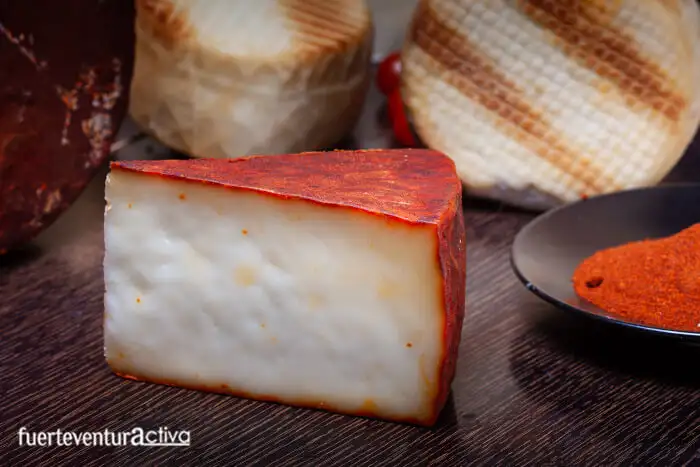 Queso MajoreroFuerteventura (Canary Islands)Goat · Semi-hard · medium
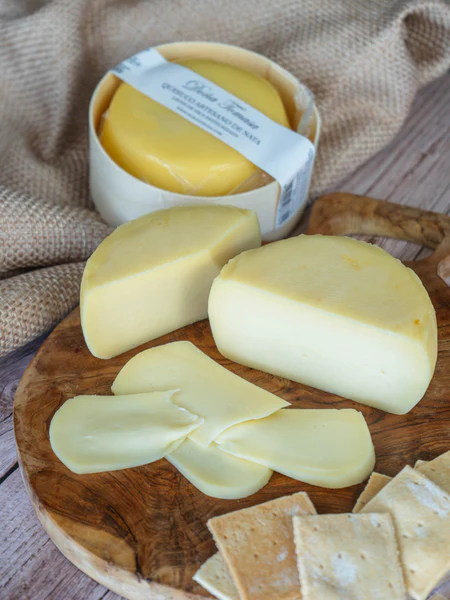 Queso Nata de CantabriaCantabriaCow · Soft · gentle
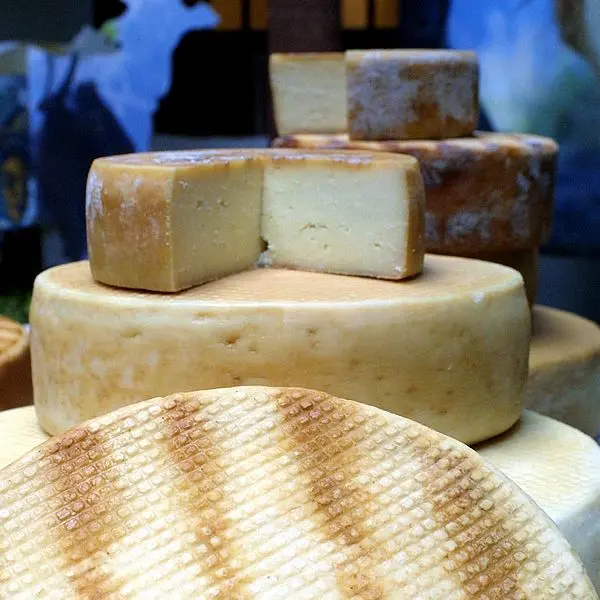 Queso PalmeroLa Palma (Canary Islands)Goat · Hard · bold
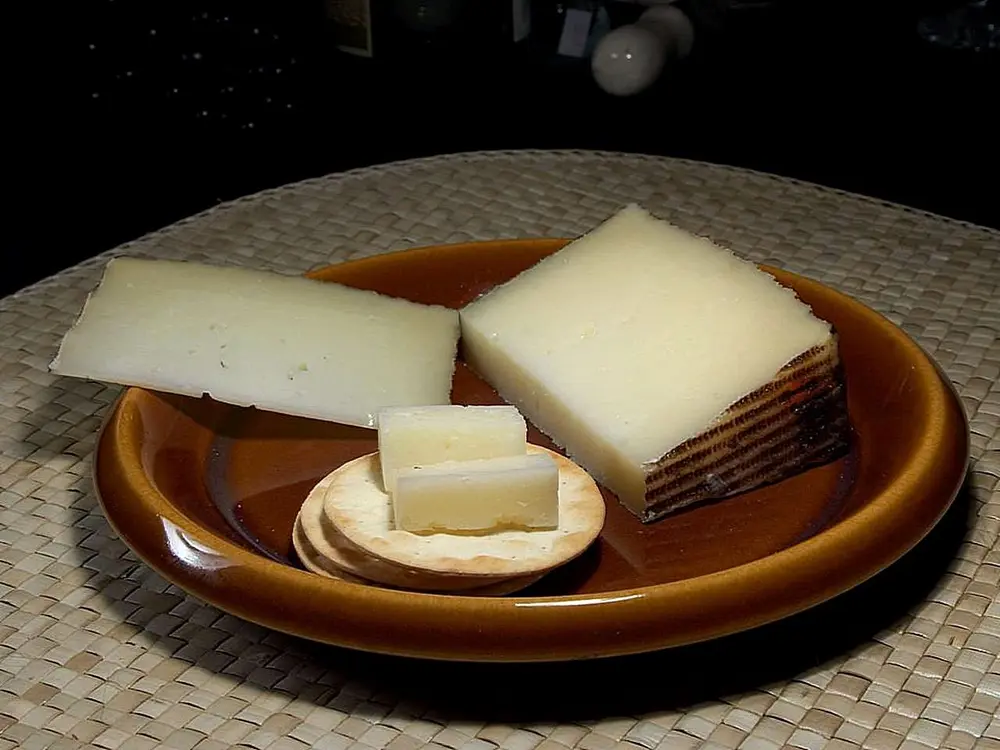 Queso ZamoranoZamora (Castilla y León)Sheep · Hard · bold
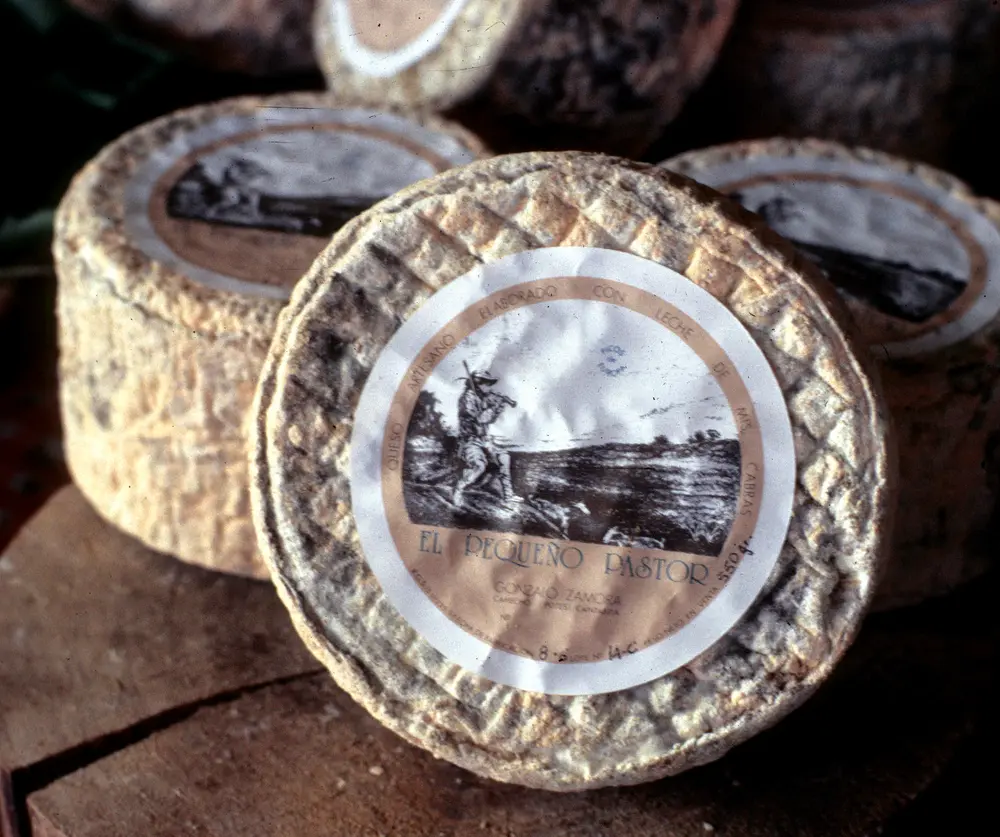 Quesucos de LiébanaCantabria (Liébana Valley)Cow / Sheep / Goat · Semi-hard · medium
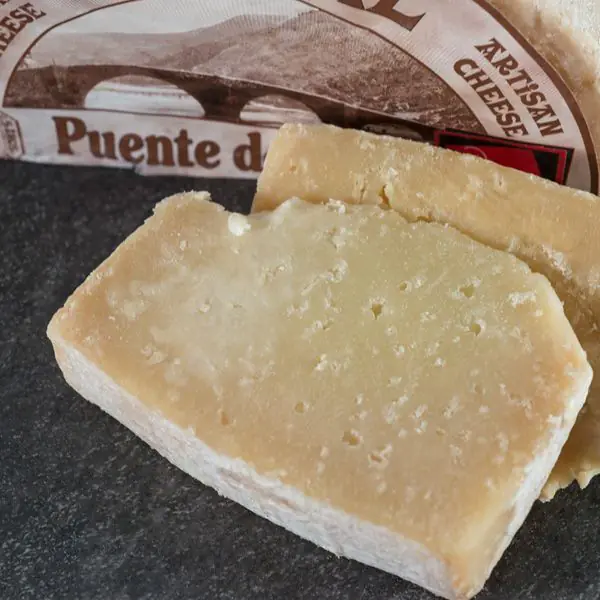 RoncalNavarra (Roncal Valley)Sheep · Hard · bold
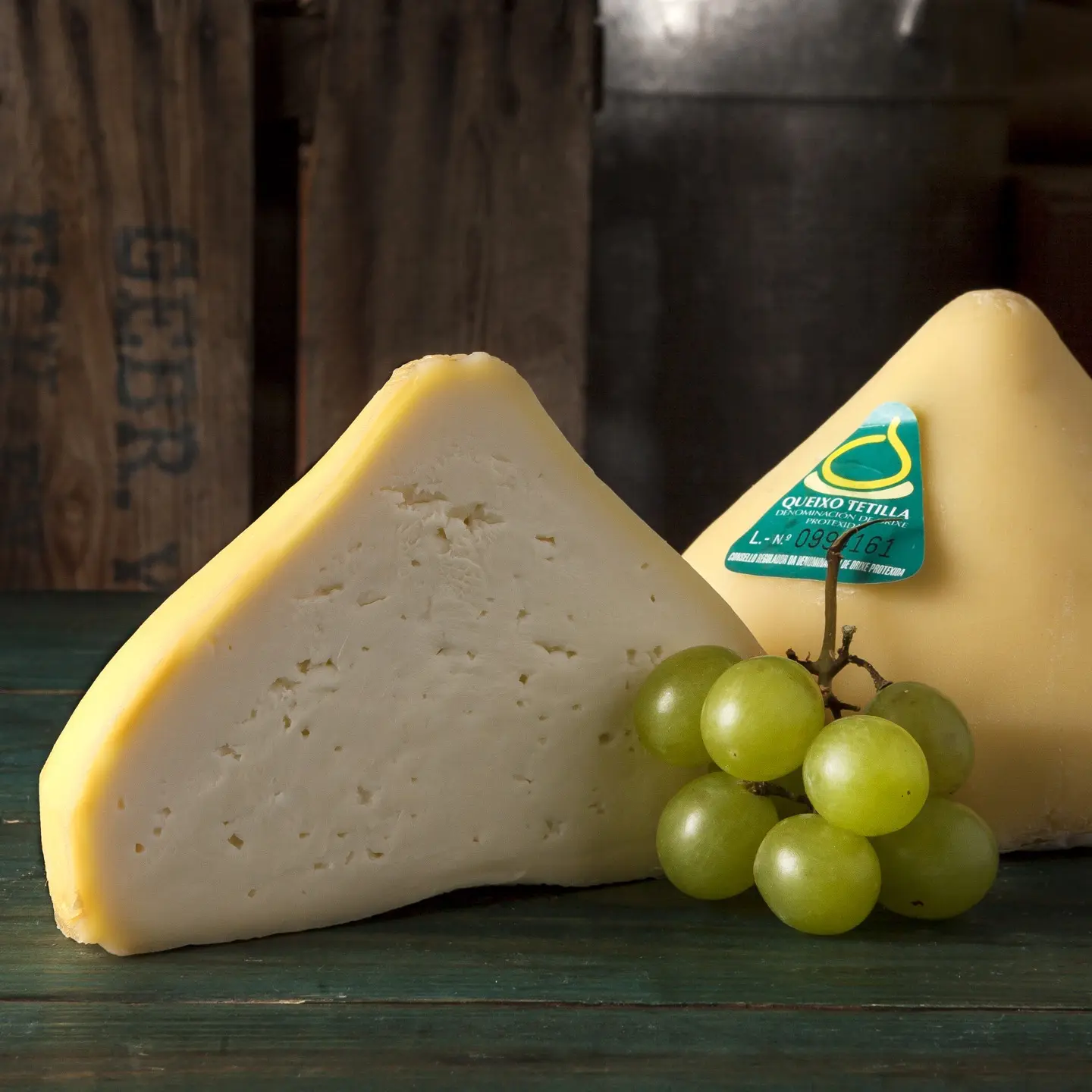 TetillaGaliciaCow · Soft · gentle
How to build a cheese tasting route in Spain
1. The Green Spain cheese route
Spain.info presents the northern cheese route through Galicia, Asturias, Cantabria and the Basque Country as a regional travel idea. This belt covers a wide range of textures, from soft cow's milk cheeses such as Tetilla to intense blues such as Cabrales.
2. The Basque Country and Navarre
Idiazabal and Roncal show sheep's milk and mountain geography in two different ways. Noting smoked and unsmoked examples, the stage of maturity and the producer makes the tasting more meaningful.
3. La Mancha, Castilla y León and Extremadura
Manchego and Zamorano make a good pair for comparing hard sheep's milk cheeses. La Serena takes texture in a completely different direction; serve it separately to see the effect of plant rennet and ripening.
4. Menorca and the Canary Islands
Mahón, Majorero, Palmero and Flor de Guía show how different island climates come through in cheese. Rather than just adding these islands to a list of “Spanish cheeses”, think of them as destinations in their own right.
Where to start, based on your palate
Manchego, Zamorano, Idiazabal and Roncal are strong for comparing differences of age and region.
Cabrales, Picón Bejes-Tresviso, Gamoneu and Valdeón offer pronounced mould and aroma profiles.
Tetilla, Arzúa-Ulloa and Nata de Cantabria are softer, easier profiles to start with.
Majorero, Palmero, Murcia and Ibores let you compare goat's milk across different landscapes.
With Spanish cheeses, read the milk animal and the region together. Sheep's milk does not always give the same intensity, nor goat's milk the same acidity; age and method of production decide.
What to drink with Spanish cheeses
Body and length with hard cheeses such as Manchego or Zamorano; sweetness and acidity with salty blues such as Cabrales; and low tannin and freshness with delicate cheeses such as Tetilla are good starting principles. Local wine culture is valuable, but the real profiles of the cheese and the bottle decide the pairing.
In Cheesepedia, AI helps read the wine label and the likely wine profile. The cheese results are not written by a generative guess: the estimated wine profile is run through an expert-designed pairing engine against the existing cheese database. That gives you a more consistent starting selection for the bottle in your hand and your own palate.
Planning a cheese-focused trip
- Build the northern route region by region. Galicia, Asturias, Cantabria and the Basque Country are not stops to pass through in one day.
- Plan the islands separately. Menorca and the Canary Islands need transport separate from a mainland route.
- Record the milk and the age. There are marked differences within the same broad family.
- Confirm farm and dairy visits. Tastings, bookings and production times can be seasonal.

Frequently asked questions
What is Spain's most famous cheese?
Manchego is the best-known Spanish cheese internationally. Cabrales, Idiazabal, Mahón, Tetilla and Majorero show the country's different regional traditions.
Where is the best cheese route in Spain?
The northern belt through Galicia, Asturias, Cantabria and the Basque Country offers a very dense variety. La Mancha, Extremadura and the islands should be planned as separate routes.
Is Manchego made only from sheep's milk?
The protected Manchego name is tied to sheep's milk and the La Mancha production area in its specification. With similar-looking generic products, check the full name on the label.
Can I save Spanish cheeses in the app?
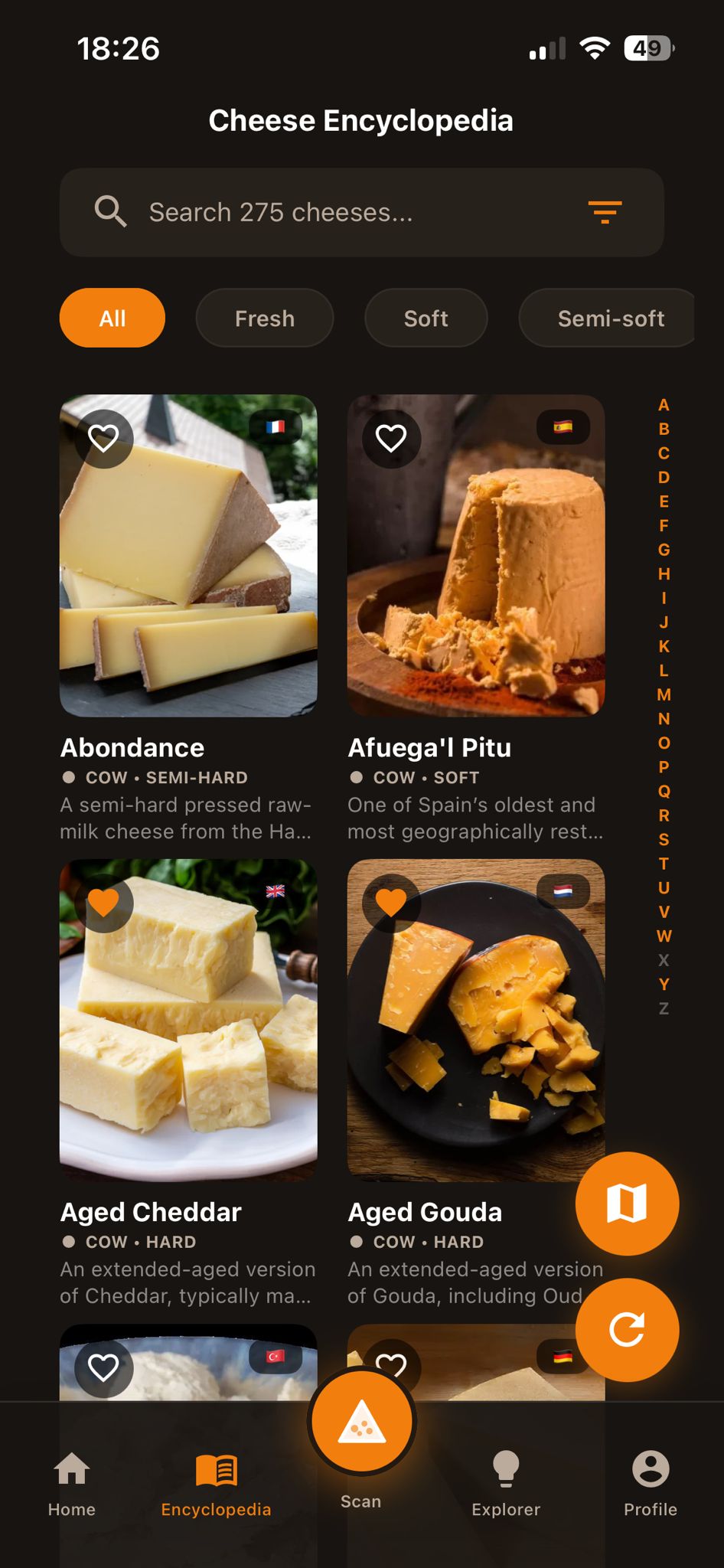
Yes. In Cheesepedia you can browse and compare cheese profiles and add the ones you want to try to your Cheese Journal.
Sources and further reading
This guide is Cheesepedia's original interpretation of the references below. Listing a source does not imply that the organization endorses Cheesepedia.