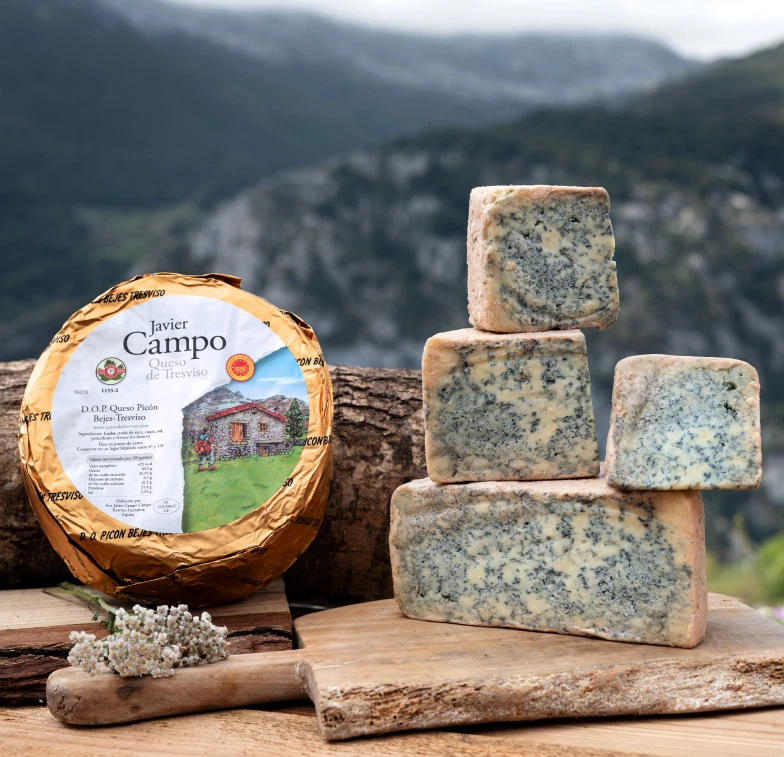
What is Picón Bejes-Tresviso?
A powerful blue-veined cheese from the Liébana region of Cantabria, produced in the villages of Bejes and Tresviso from raw milk, most commonly a blend of cow, sheep, and goat milk. It is aged in the natural limestone caves of the Cantabrian mountains for a minimum of 2 months. One of Spain’s most intensely flavoured blue-veined cheeses.
Taste, aroma, and texture
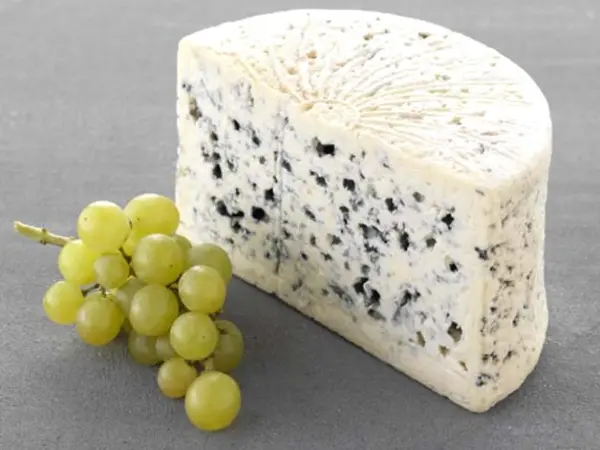
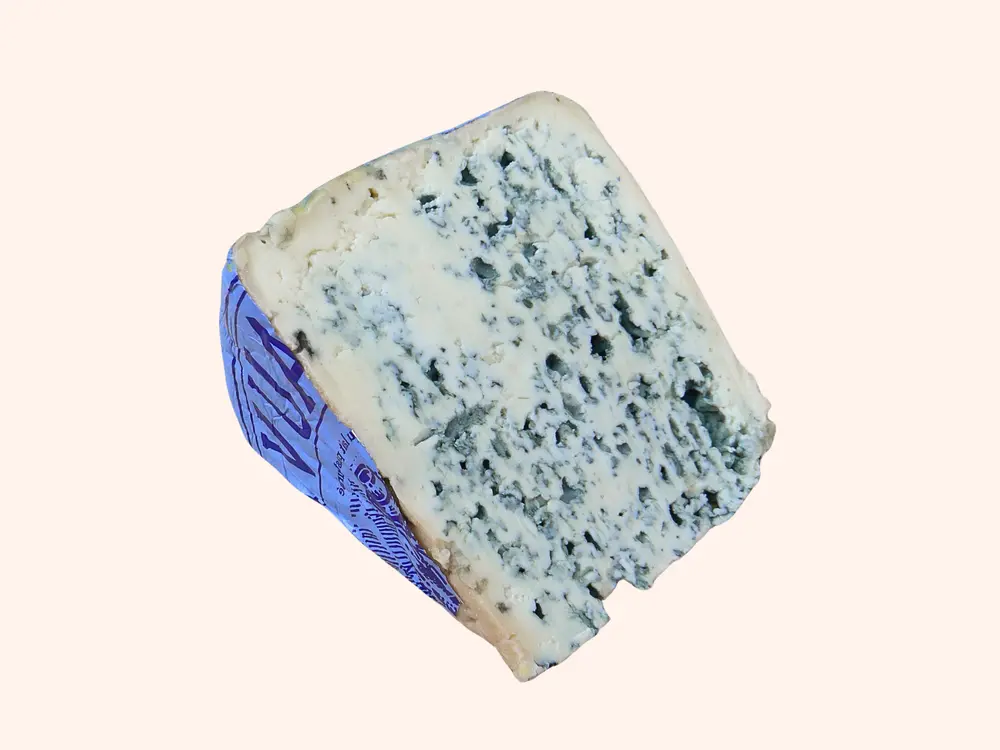
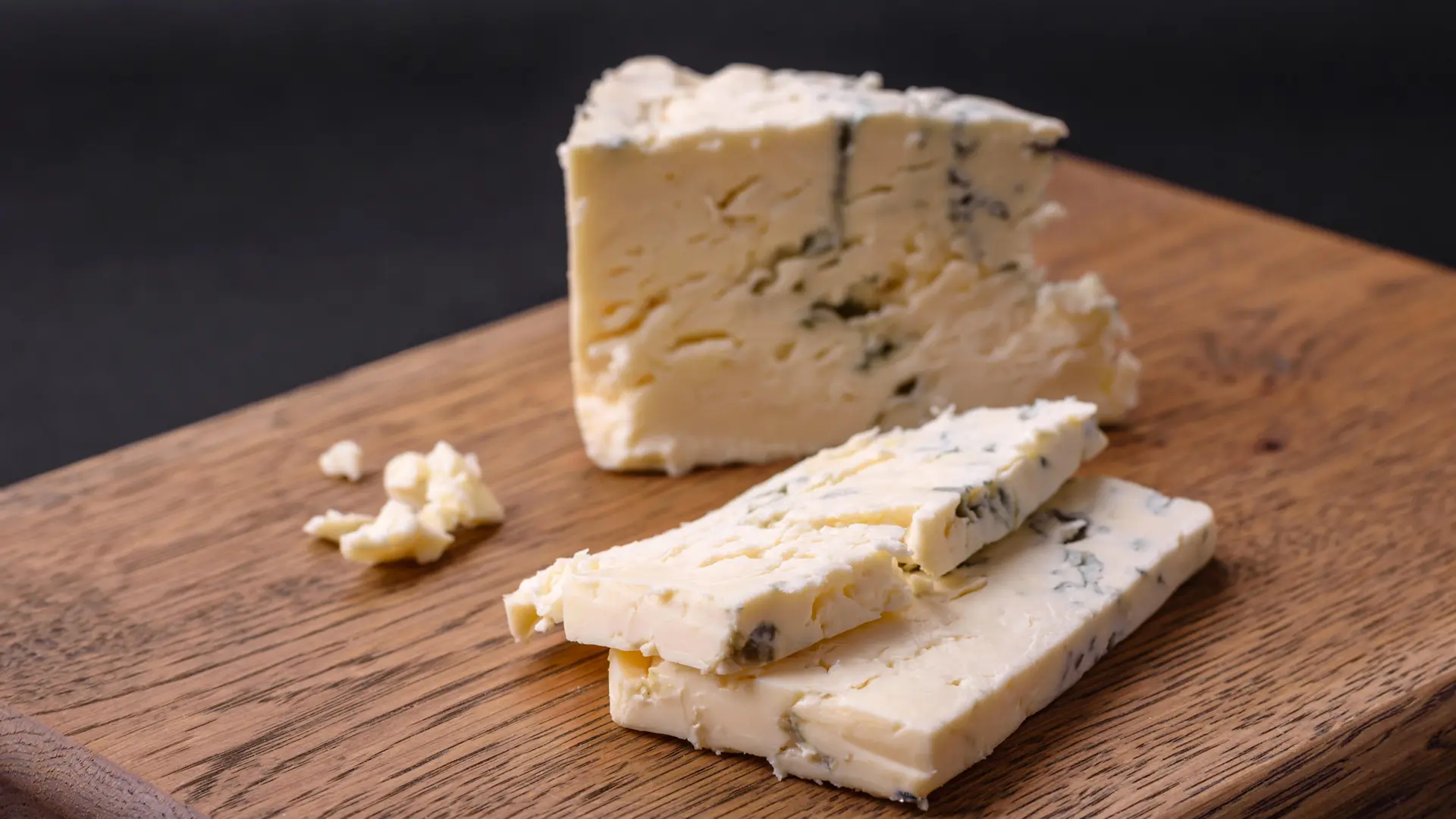
Soft, creamy, and slightly crumbly, with an oily, rich mouthfeel. The ivory paste is densely and irregularly veined with blue-green mould. No significant rind. Traditionally wrapped in sycamore maple leaves, which form a thin natural exterior. Similar in character to Cabrales, but slightly softer.
Earthy notes are strongly dominant, with damp limestone cave and blue mould character. Animal notes are strongly present from the raw mixed milk. Fruity notes are noticeable, while herbal notes are present. Lactic notes are faint. No smoky character.
Cheesepedia taste profile
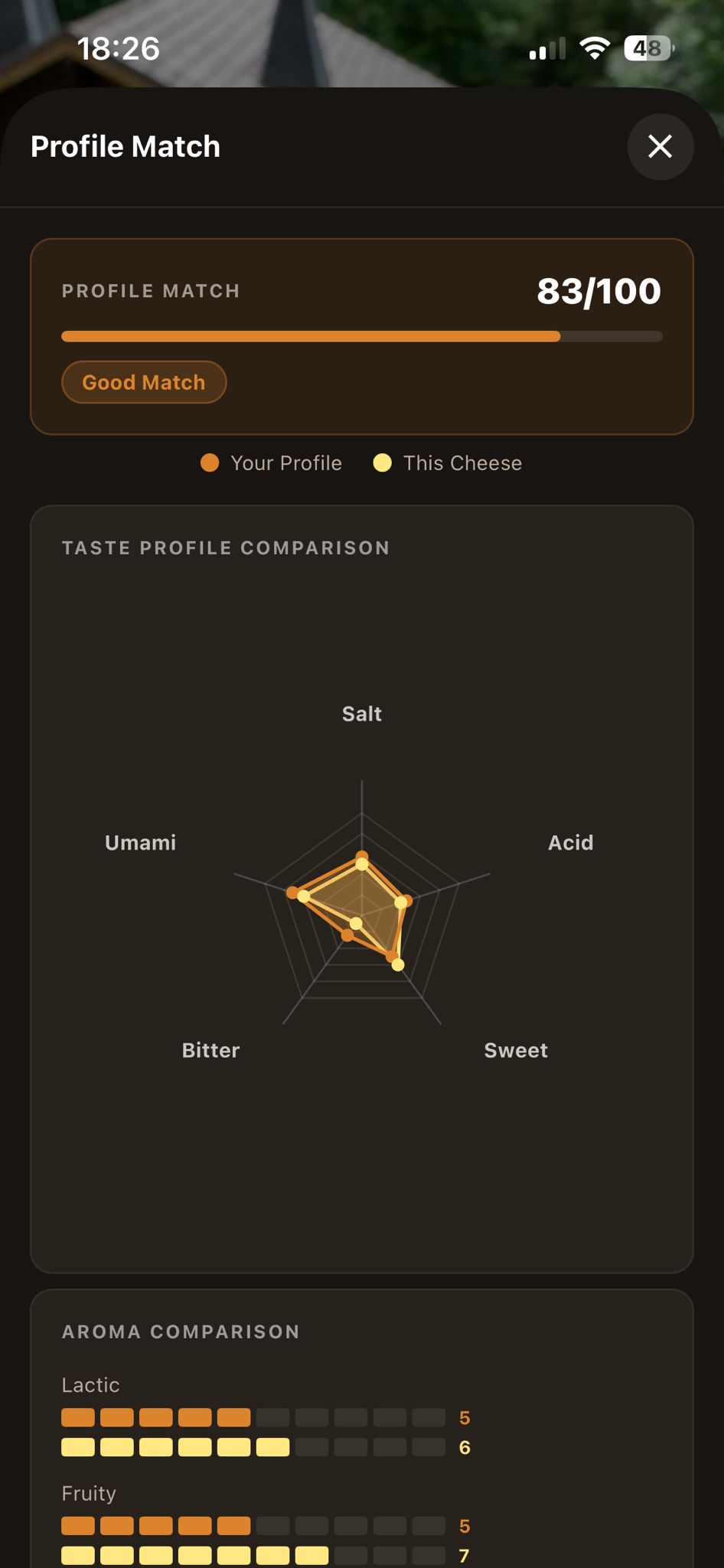
The values below are the structured baseline in the Cheesepedia app. Your personal match is calculated separately from your own taste profile.
A general profile can describe Picón Bejes-Tresviso, but it cannot know how closely the cheese fits your preferences. Cheesepedia Premium compares this profile with your personal taste profile and lets you evaluate cheeses side by side.
See your personal matchHow to enjoy it
- Crumbled over steak, potatoes, or warm salads.
- Melted into strong blue cheese sauces.
- Used in dips, dressings, or savoury tart fillings.
What pairs with Picón Bejes-Tresviso?
Classic serving companions from the Cheesepedia catalog.
- Black Cherry Jam
- Walnuts
- Sourdough Bread
- Quince Paste (Membrillo)
- Dark Rye Bread
Find the right wine in Cheesepedia
Cheesepedia uses an expert-designed algorithm that compares the cheese's taste, intensity, and production profile with the wine's body, acidity, tannin, and sweetness. Wine pairings are not generated by AI.
See wine pairings for Picón Bejes-TresvisoStory and origin
Traditional to the Liébana region for centuries, this cheese was historically wrapped in sycamore maple leaves during ageing. Since gaining PDO status in 1994, its production area and methods have been strictly regulated, preserving the distinctive character shaped by the Cantabrian cave system.
Storage and serving
- Store in the fridge, wrapped in cheese paper.
- Air travel: suitable only for short trips if sealed and kept cold.
Profile sources and methodology
This page uses the same curated record as the Cheesepedia mobile app. Production-style and designation references provide context; they do not imply endorsement of Cheesepedia.