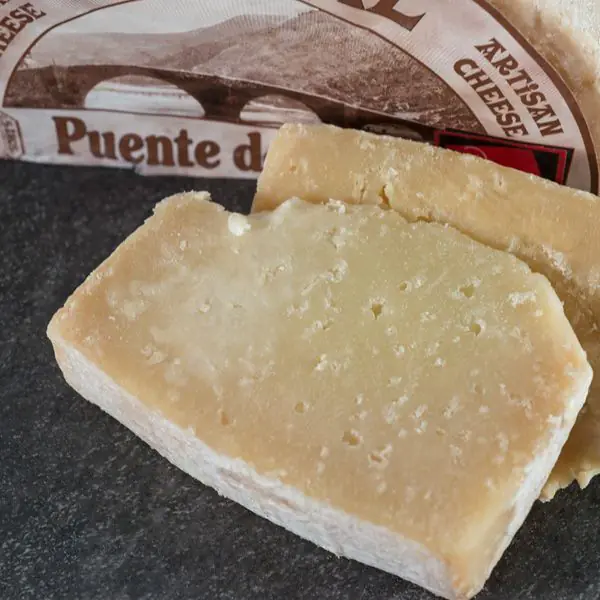
What is Roncal?
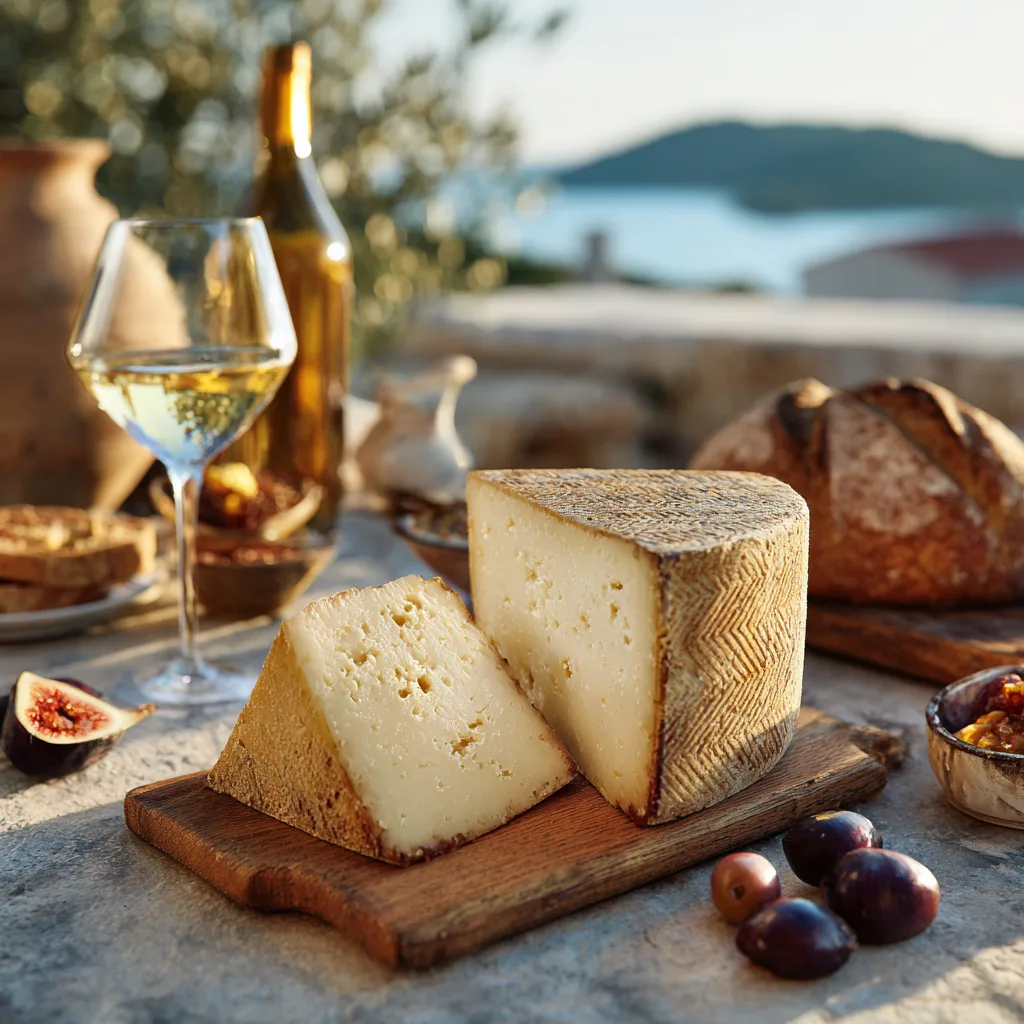
The first Spanish cheese to receive a Denominación de Origen (1981; EU PDO since 1996), from the Roncal Valley in the Navarran Pyrenees. Made exclusively from the raw milk of Rasa and Lacha sheep breeds. Aged for a minimum of 4 months. Hard, compact, and deeply rustic, shaped by centuries of transhumance shepherding across the Pyrenean valleys.
Taste, aroma, and texture
Texture
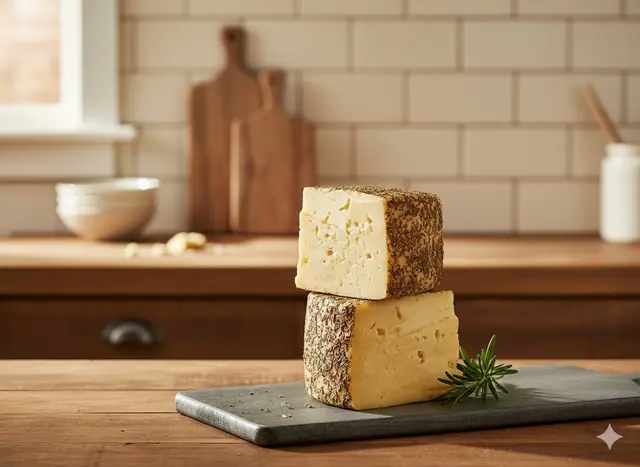
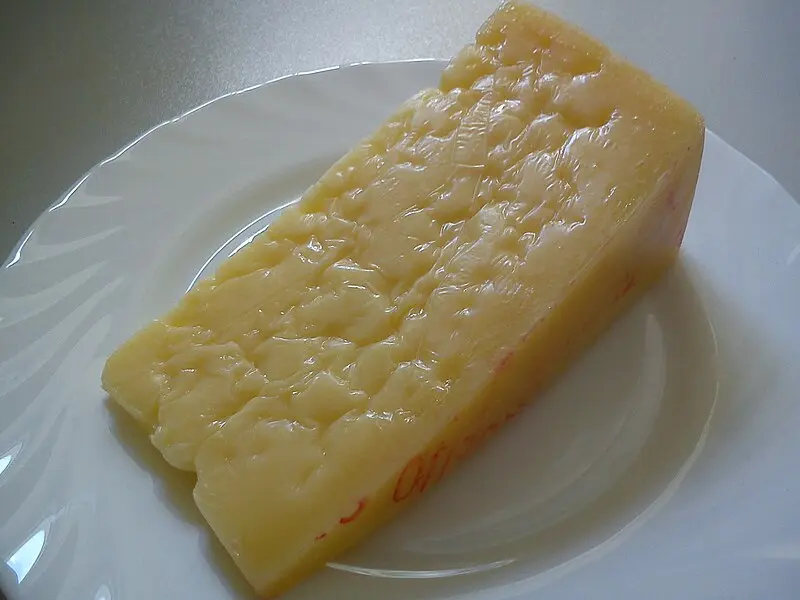
Hard, compact, and non-porous, with a smooth but firm structure that becomes brittle and flaky with age. Ivory to pale yellow interior. Natural rind is hard and dark golden-brown. Slices cleanly when young; fractures with age. Wheels weigh 1–3 kg.
Aroma
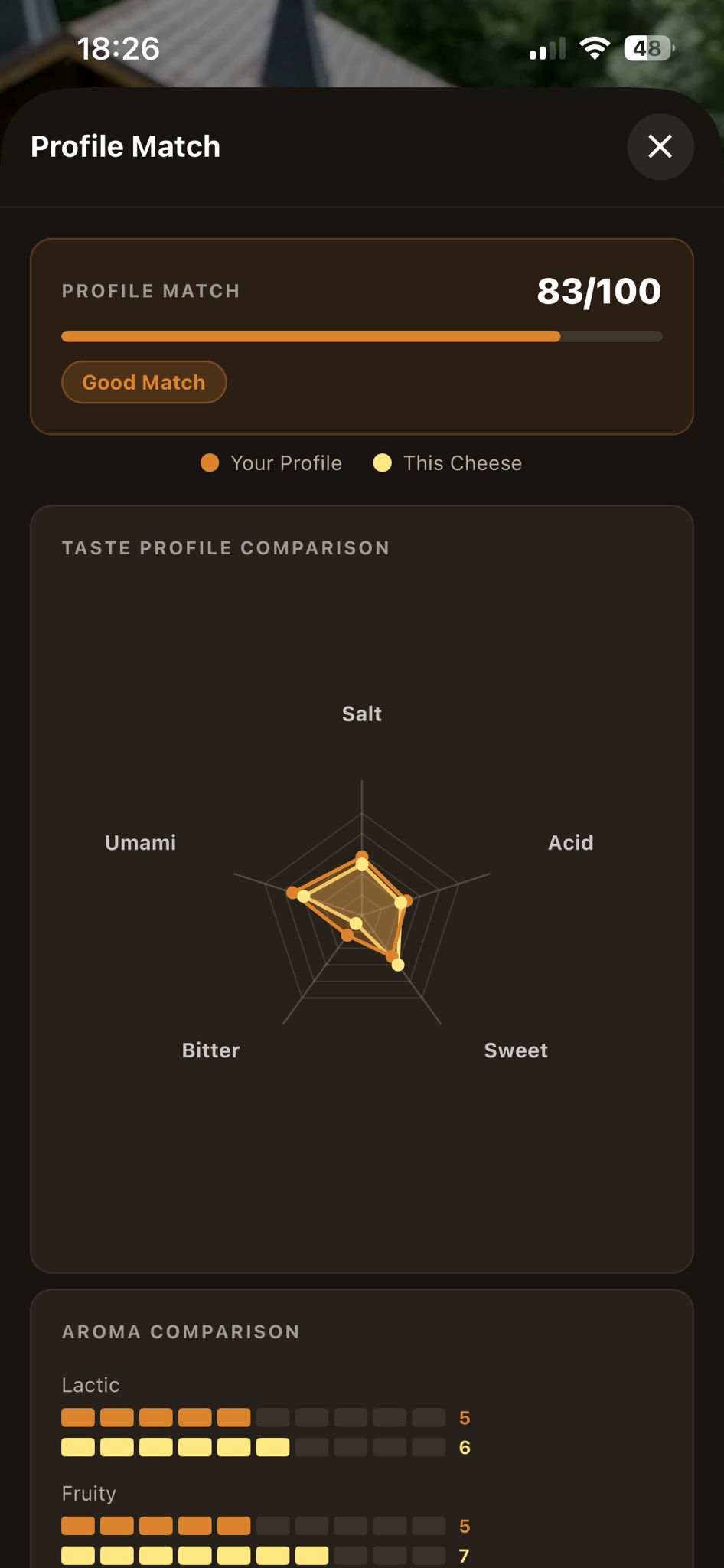
Animal notes are dominant: aged raw Rasa and Lacha sheep’s milk, powerful and rustic. Herbal and fruity notes are equally strong. Earthy notes are equally notable. Lactic notes are present. No smoky character. One of Spain’s most assertive sheep’s milk aromatic profiles.
Cheesepedia taste profile
These values are the structured baseline in the Cheesepedia app. Your personal match is calculated separately from your own taste profile.
How to enjoy it
- 01
Sliced into tapas plates, sandwiches, or rustic cheese boards.
- 02
Shaved over salads, roasted vegetables, or eggs.
- 03
Served with quince paste, nuts, or crusty bread.
What pairs with Roncal?
Classic serving companions from the Cheesepedia catalog.
- Dark Rye Bread
- Abbey Beer (e.g., Dubbel)
- Apples or Grapes
- Strong Coffee
Story and origin
Deeply linked to the transhumance traditions of the Roncal Valley, where shepherds moved their flocks across the Pyrenees for centuries. Its significance to Spanish gastronomy was formally recognised in 1981, when it became the first Spanish cheese to receive a Denominación de Origen; EU PDO registration followed in 1996.
Storage and serving
- Store in the fridge, wrapped or vacuum-packed.
- Air travel: suitable, especially if vacuum-packed.
Profile sources and methodology
This page uses the same curated record as the Cheesepedia mobile app. Production-style and designation references provide context; they do not imply endorsement of Cheesepedia.