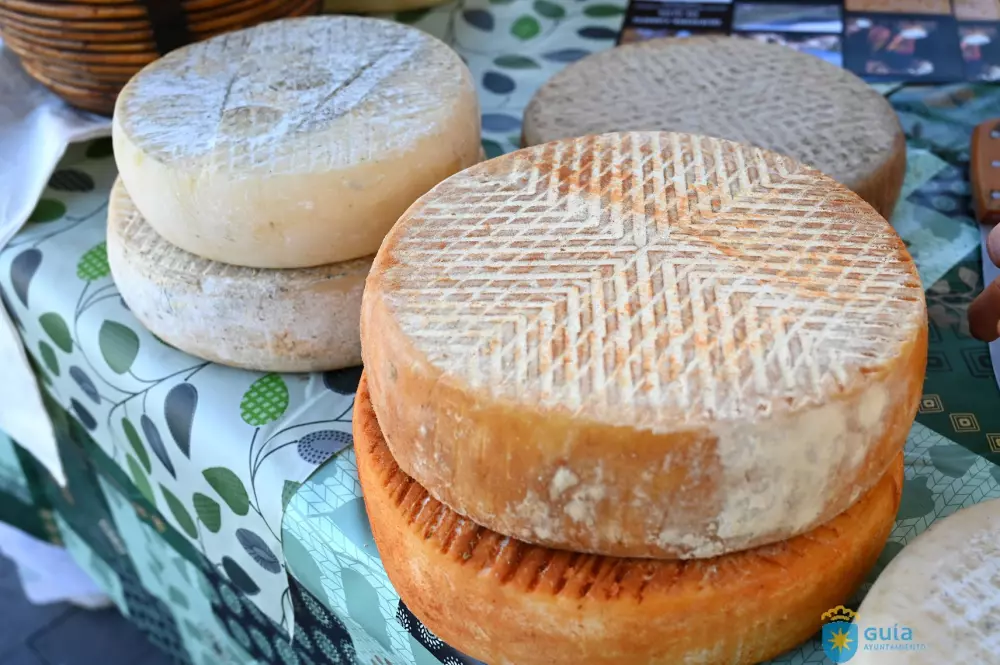
What is Queso de Flor de Guía?
A rare and prestigious artisan PDO cheese from the highlands of Gran Canaria, renowned for its use of vegetable rennet from dried flower heads of wild artichoke thistle or cardoon. Made from whole sheep’s milk (Flor de Guía), mixed sheep and cow milk (Queso de Media Flor), or cow milk only (Queso de Guía).
Taste, aroma, and texture
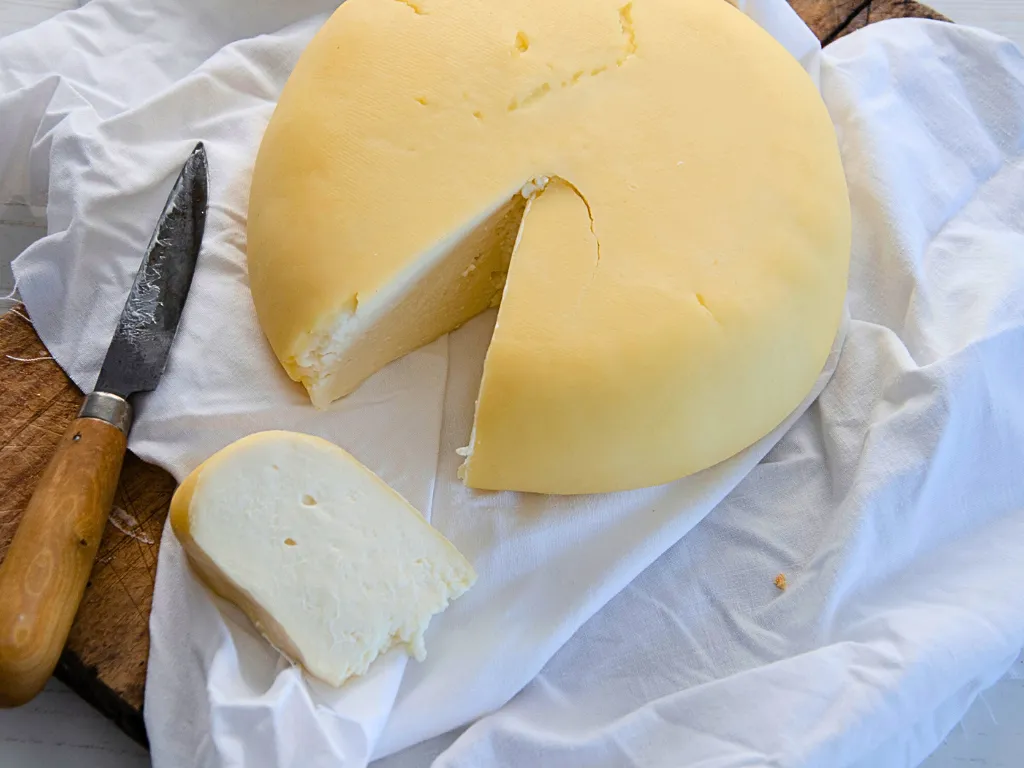
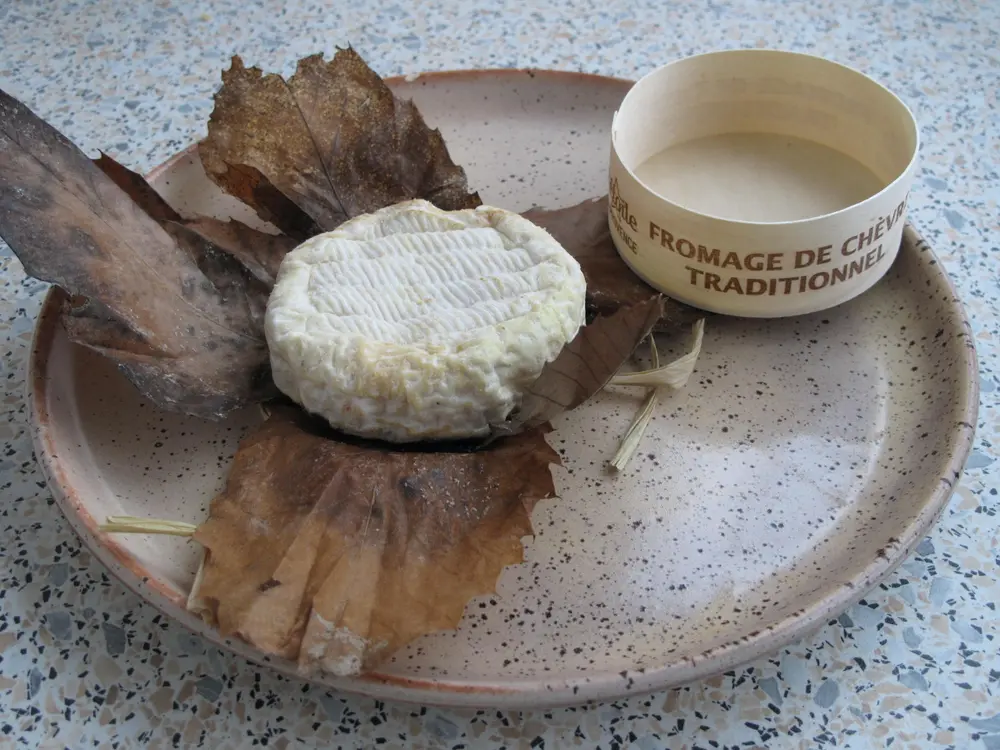
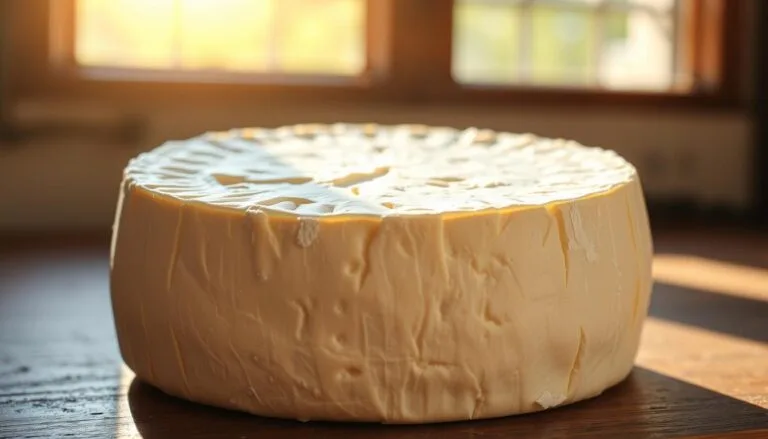
Very soft, smooth, and buttery at room temperature; the prized amanteigado quality gives a flowing, spreadable paste. Depending on maturation, the texture ranges from semi-liquid to firmer and more concentrated. Interior is ivory to golden. Rind is thin and pale yellow.
Herbal notes are strongly dominant, with intense floral and vegetal character from the artichoke or cardoon flower rennet, layered with undertones of the Canary Islands’ wild volcanic flora. Lactic and fruity notes are equally notable. Animal and earthy notes are present. No smoky character.
Cheesepedia taste profile
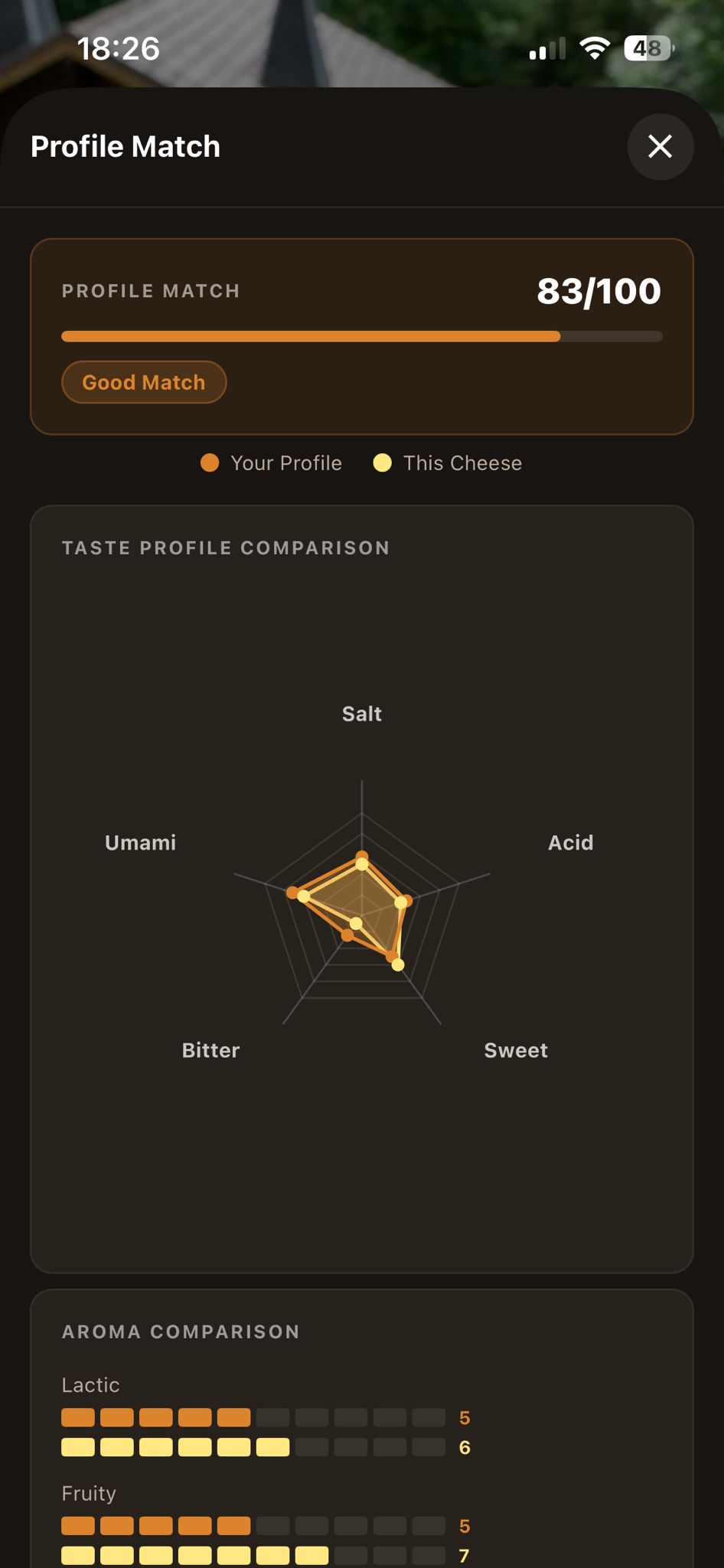
The values below are the structured baseline in the Cheesepedia app. Your personal match is calculated separately from your own taste profile.
A general profile can describe Queso de Flor de Guía, but it cannot know how closely the cheese fits your preferences. Cheesepedia Premium compares this profile with your personal taste profile and lets you evaluate cheeses side by side.
See your personal matchHow to enjoy it
- Served in slices on artisan cheese boards.
- Used in salads, vegetable plates, or warm appetisers.
- Spread or spooned when soft into rustic bread dishes.
What pairs with Queso de Flor de Guía?
Classic serving companions from the Cheesepedia catalog.
- Walnuts & Hazelnuts
- Acacia Honey
- Fresh Figs
- Sourdough Bread
- Grissini
Find the right wine in Cheesepedia
Cheesepedia uses an expert-designed algorithm that compares the cheese's taste, intensity, and production profile with the wine's body, acidity, tannin, and sweetness. Wine pairings are not generated by AI.
See wine pairings for Queso de Flor de GuíaStory and origin
The tradition of using artichoke or cardoon flower as rennet in Gran Canaria dates to the 16th century, likely brought by settlers from Portugal or Extremadura. It became an important part of the island’s food heritage, known for its distinctive floral character. PDO status was granted in 2009.
Storage and serving
- Store in the fridge, sealed or in an airtight container.
- Air travel: not ideal; suitable only if sealed and kept cool.
Profile sources and methodology
This page uses the same curated record as the Cheesepedia mobile app. Production-style and designation references provide context; they do not imply endorsement of Cheesepedia.