What is Queso Nata de Cantabria?
A soft, fatty PDO cheese from Cantabria in northern Spain, made from the whole milk of Frisona cows. The name Nata means “cream” and reflects its rich, high-fat character. Produced in rounds of 400 g–2.4 kg and aged 7–35 days. One of Spain’s creamiest and most accessible cheeses.
Taste, aroma, and texture
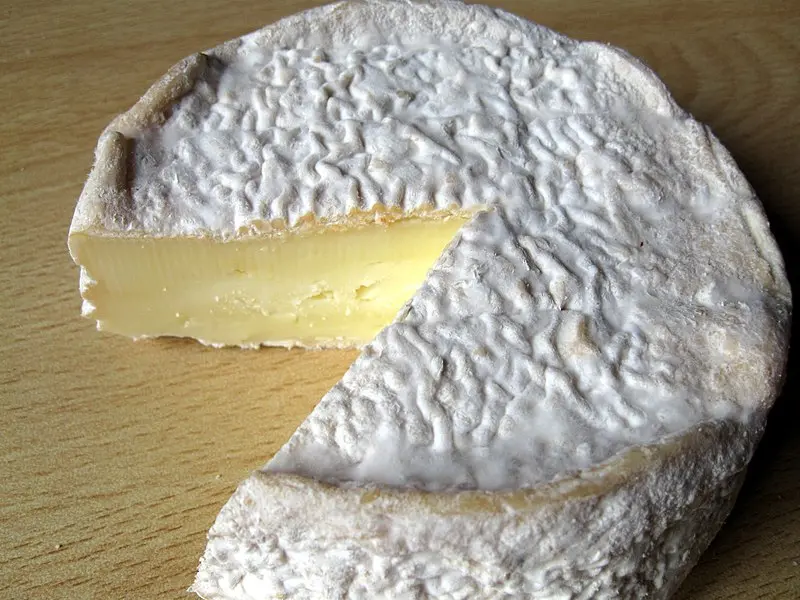
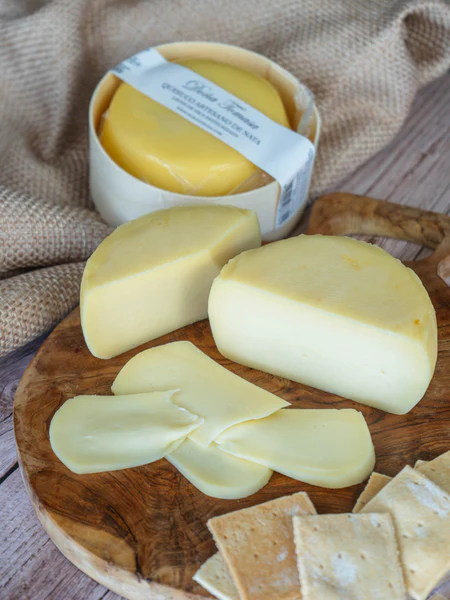
Soft, supple, and elastic, with very few small eyes and a homogeneous structure. Velvety and melts quickly on the palate. Thin, smooth, yellowish rind. Interior is white to pale ivory. Rounds weigh 400 g–2.4 kg. Best served at room temperature.
Lactic notes are strongly dominant: gentle, sweet, and centred on fresh cream and warm milk. Fruity and earthy notes are faint. Animal and herbal notes are barely detectable. No smoky character. One of Spain’s most neutral and approachable aromatic profiles.
Cheesepedia taste profile
The values below are the structured baseline in the Cheesepedia app. Your personal match is calculated separately from your own taste profile.
A general profile can describe Queso Nata de Cantabria, but it cannot know how closely the cheese fits your preferences. Cheesepedia Premium compares this profile with your personal taste profile and lets you evaluate cheeses side by side.
See your personal matchHow to enjoy it
- Sliced into sandwiches, snack plates, or cheese boards.
- Melted into omelettes, toasties, or baked potatoes.
- Used in savoury pastries or simple creamy fillings.
What pairs with Queso Nata de Cantabria?
Classic serving companions from the Cheesepedia catalog.
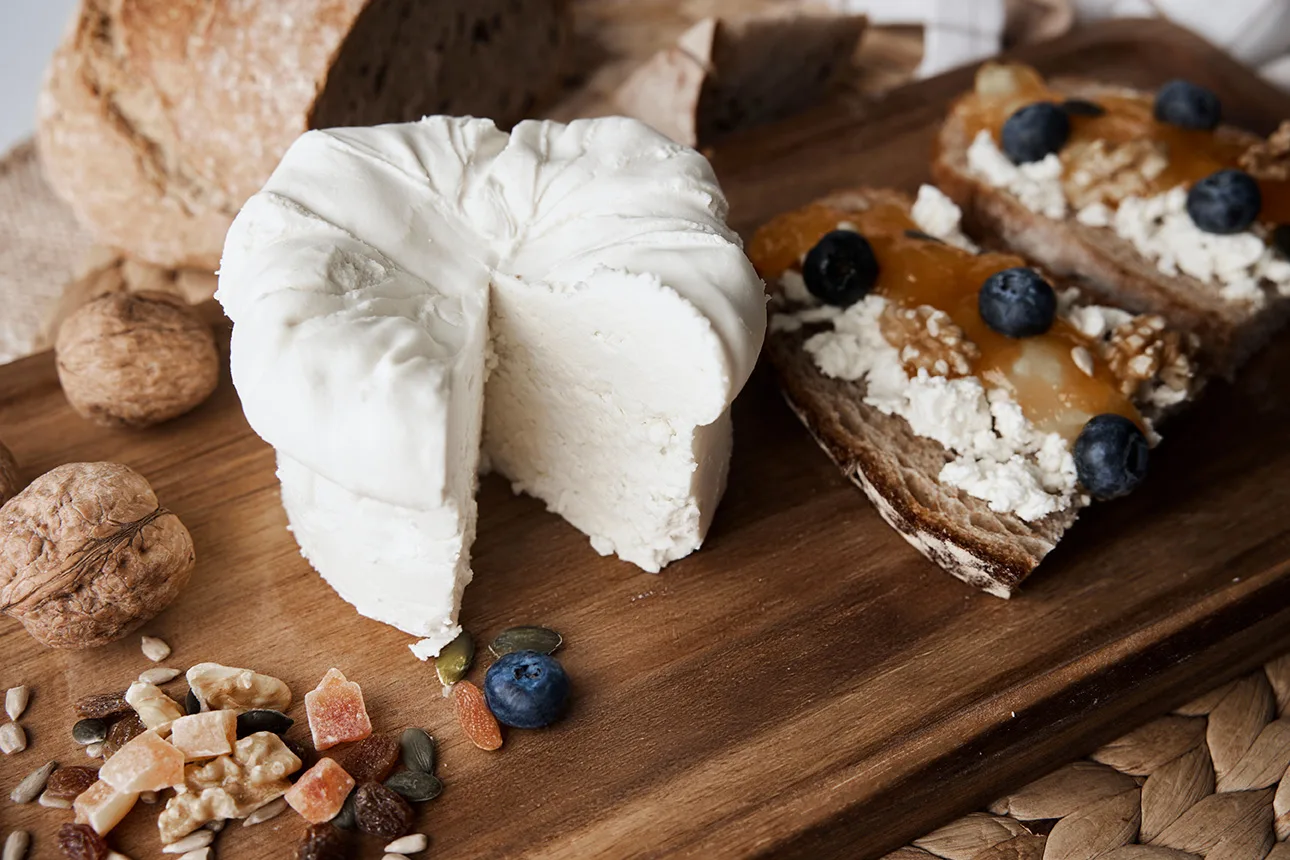
- Walnuts
- Fresh Apples
- Rye Bread
- Chestnut or Forest Honey
- Butter Cracker
Find the right wine in Cheesepedia
Cheesepedia uses an expert-designed algorithm that compares the cheese's taste, intensity, and production profile with the wine's body, acidity, tannin, and sweetness. Wine pairings are not generated by AI.
See wine pairings for Queso Nata de CantabriaStory and origin
Born from the traditional dairy farms of Cantabria, this cheese reflects the regional practice of using whole, unskimmed milk for local consumption — a tradition passed down over generations. Although it has long been a household staple, PDO status formalised its identity in 2008.
Storage and serving
- Store in the fridge, sealed or in an airtight container.
- Air travel: not ideal; suitable only if sealed and kept cool.
Profile sources and methodology
This page uses the same curated record as the Cheesepedia mobile app. Production-style and designation references provide context; they do not imply endorsement of Cheesepedia.