Which cheeses is Portugal famous for?
The first Portuguese cheese most people think of is Queijo Serra da Estrela: a powerful mountain cheese made from sheep's milk and thistle rennet, whose interior can turn buttery and runny as it ripens. But the country's cheese character is much broader. Queijo de Azeitão from around Setúbal, the Alentejo's Nisa, Évora and Serpa, the north-eastern traditions of Terrincho and Cabra Transmontano, and the Azores' São Jorge and Pico bring different milks, textures and climates to the same table.
The 12 cheeses in this guide come from the structured cheese data in the Cheesepedia app. Geographical indication and production area details have been read alongside the traditional product records of Portugal's Directorate-General for Agriculture and Rural Development. When you buy a producer's current cheese, also check the full name on the pack, the milk, the age, the storage conditions and the protection mark.
A cheese map of Portugal
The most practical way to understand Portuguese cheese is to read the country from north to south and from the mainland out to the islands. The diagram below is a navigation map, not a geographic map to scale. Its aim is to show where the cheese families sit relative to one another, and which of them belong on the same trip.
Cabra Transmontano · Terrincho
Serra da Estrela · Beira Baixa · Rabaçal
Queijo de Azeitão
Évora · Nisa · Tolosa · Serpa
São Jorge · Pico
Planned separately from the mainland route.The 12 Portuguese cheeses in Cheesepedia
Do not read the list as a “best cheeses” ranking. What makes a cheese interesting is not only its popularity but its milk, texture, intensity, production area and how it relates to your own palate. Each card leads to the detailed cheese profile synced with the app database.
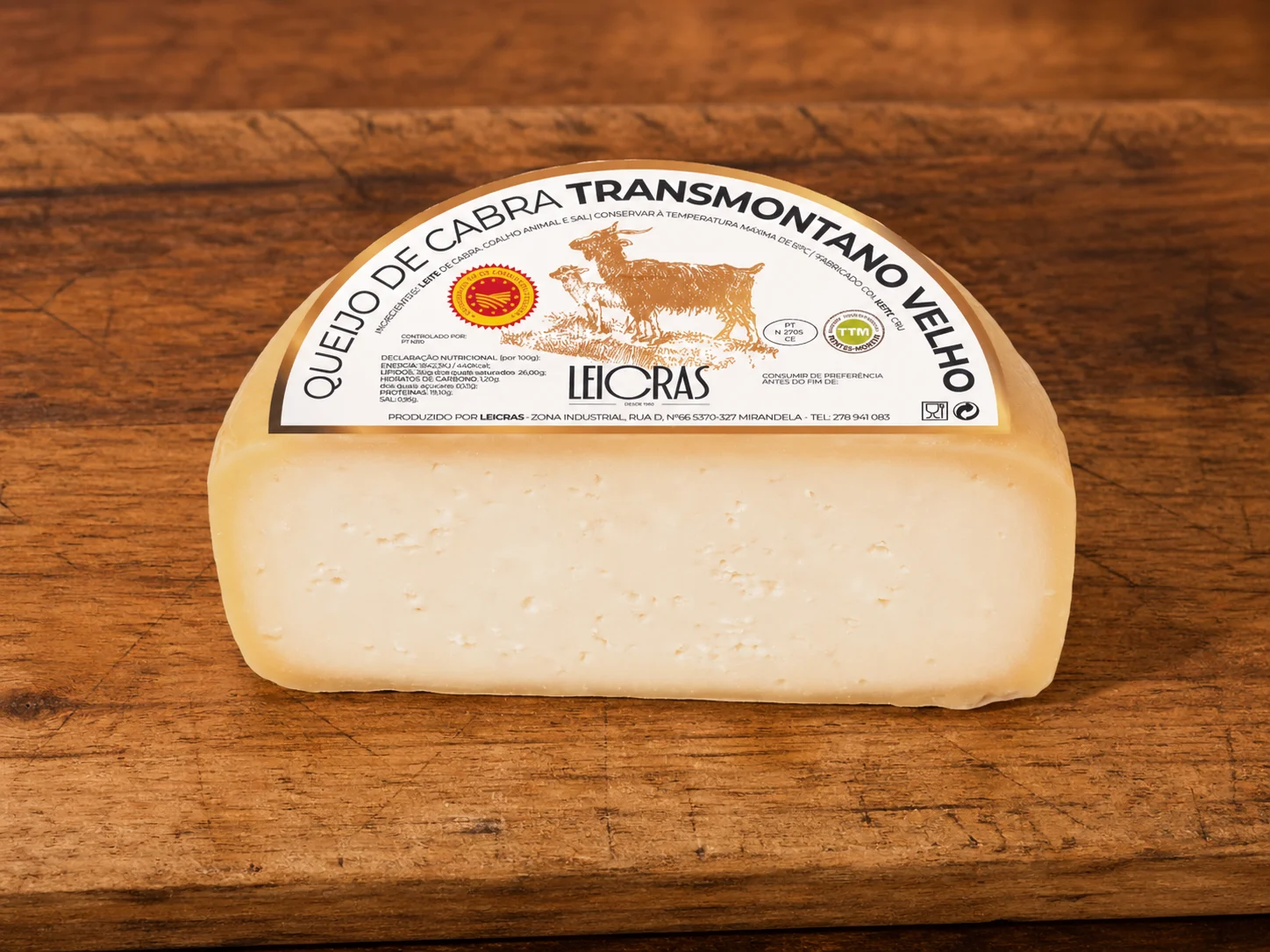 Queijo de Cabra TransmontanoTrás-os-MontesGoat · Semi-hard · medium
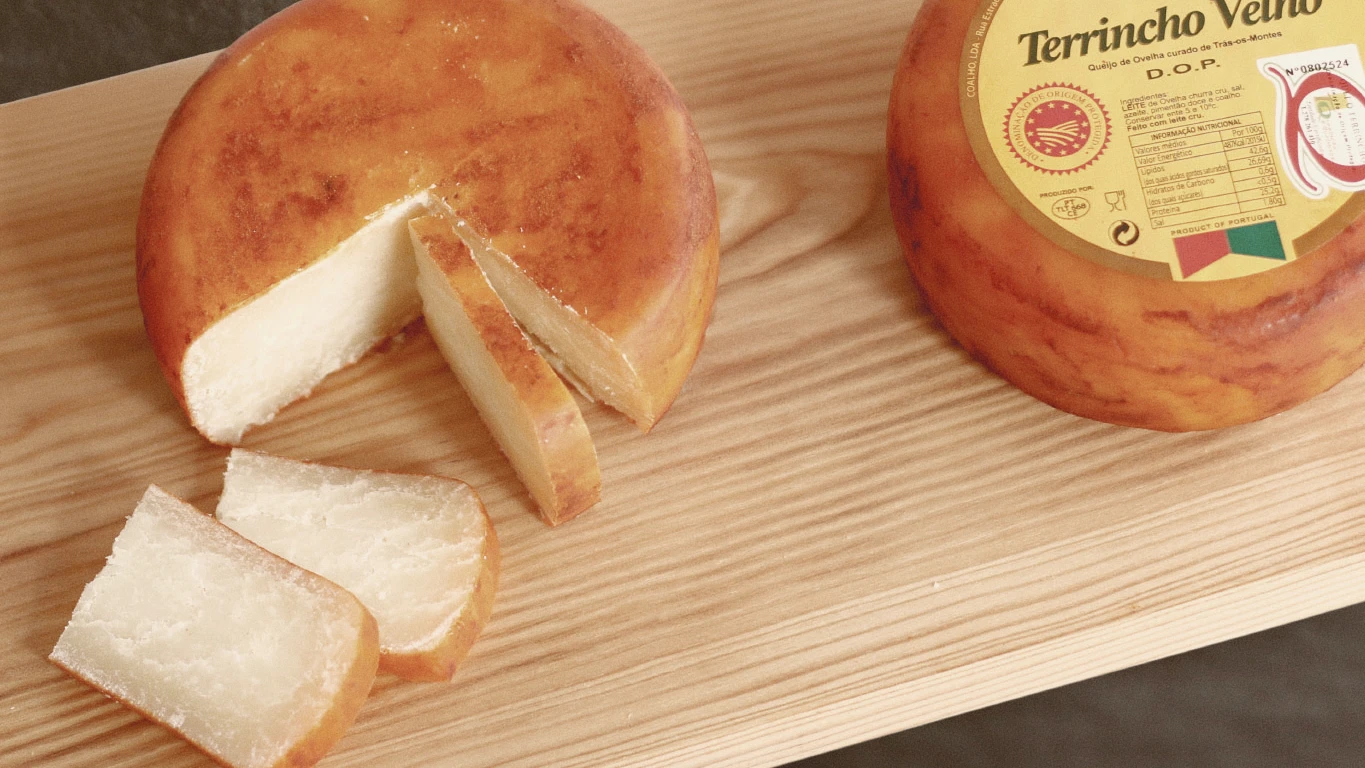 Queijo TerrinchoTrás-os-Montes (Douro Superior)Sheep · Hard · medium
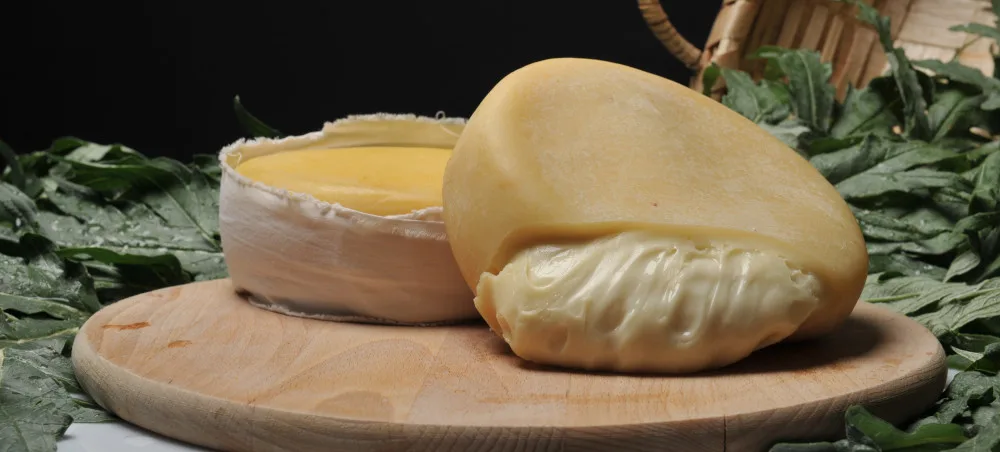 Queijo Serra da EstrelaSerra da Estrela MountainsSheep · Soft · bold
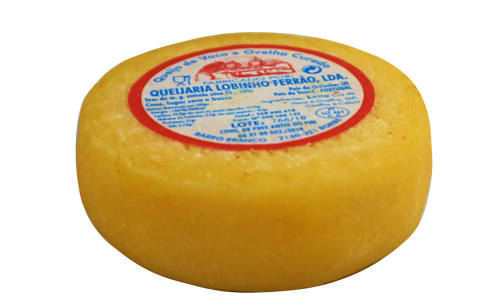 Queijos da Beira BaixaBeira BaixaSheep / Goat · Semi-hard · medium
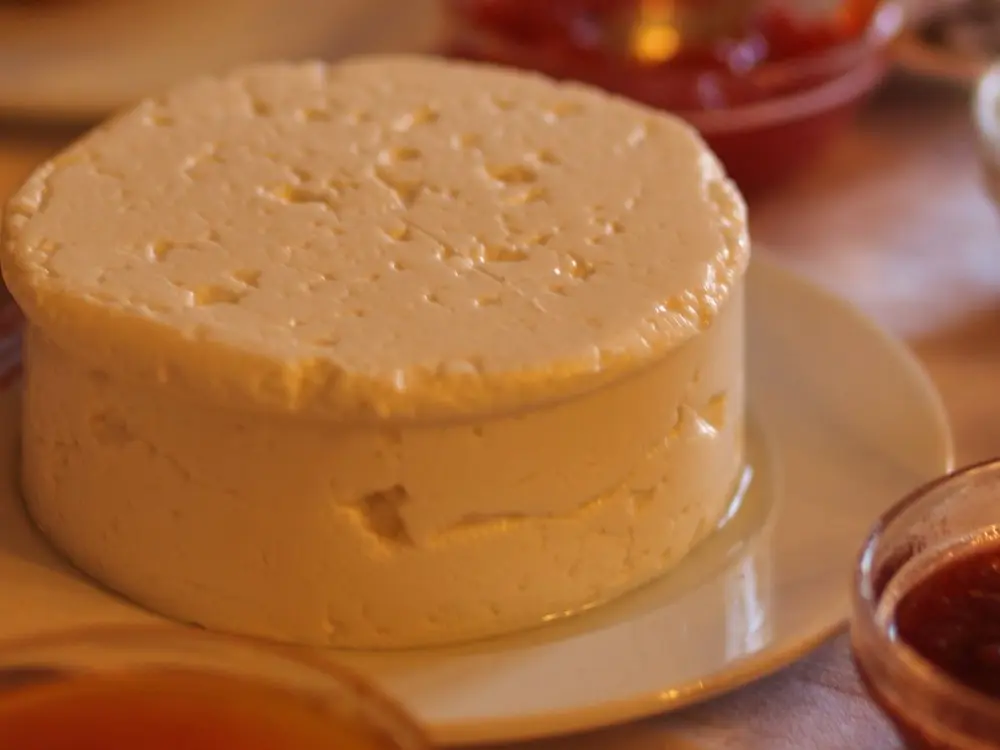 Queijo RabaçalRabaçal (Coimbra, Beira Litoral)Sheep / Goat · Semi-hard · medium
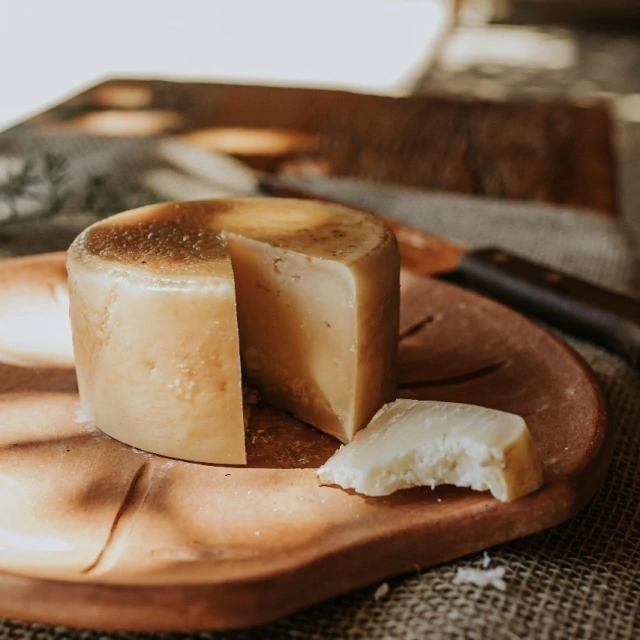 Queijo de AzeitãoAzeitão (Setúbal, Arrábida Mountains)Sheep · Soft · bold
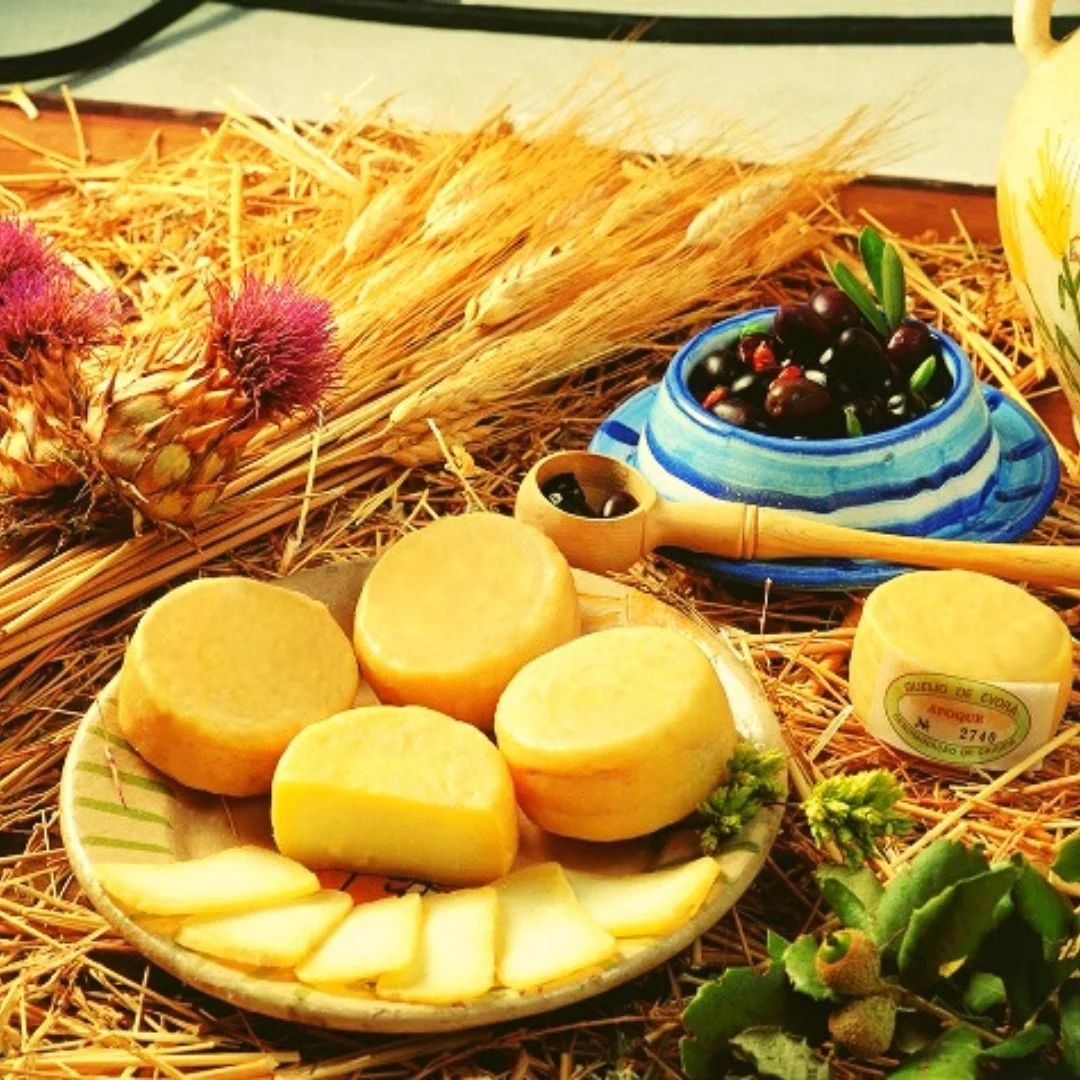 Queijo de ÉvoraAlentejo (Évora)Sheep · Hard · bold
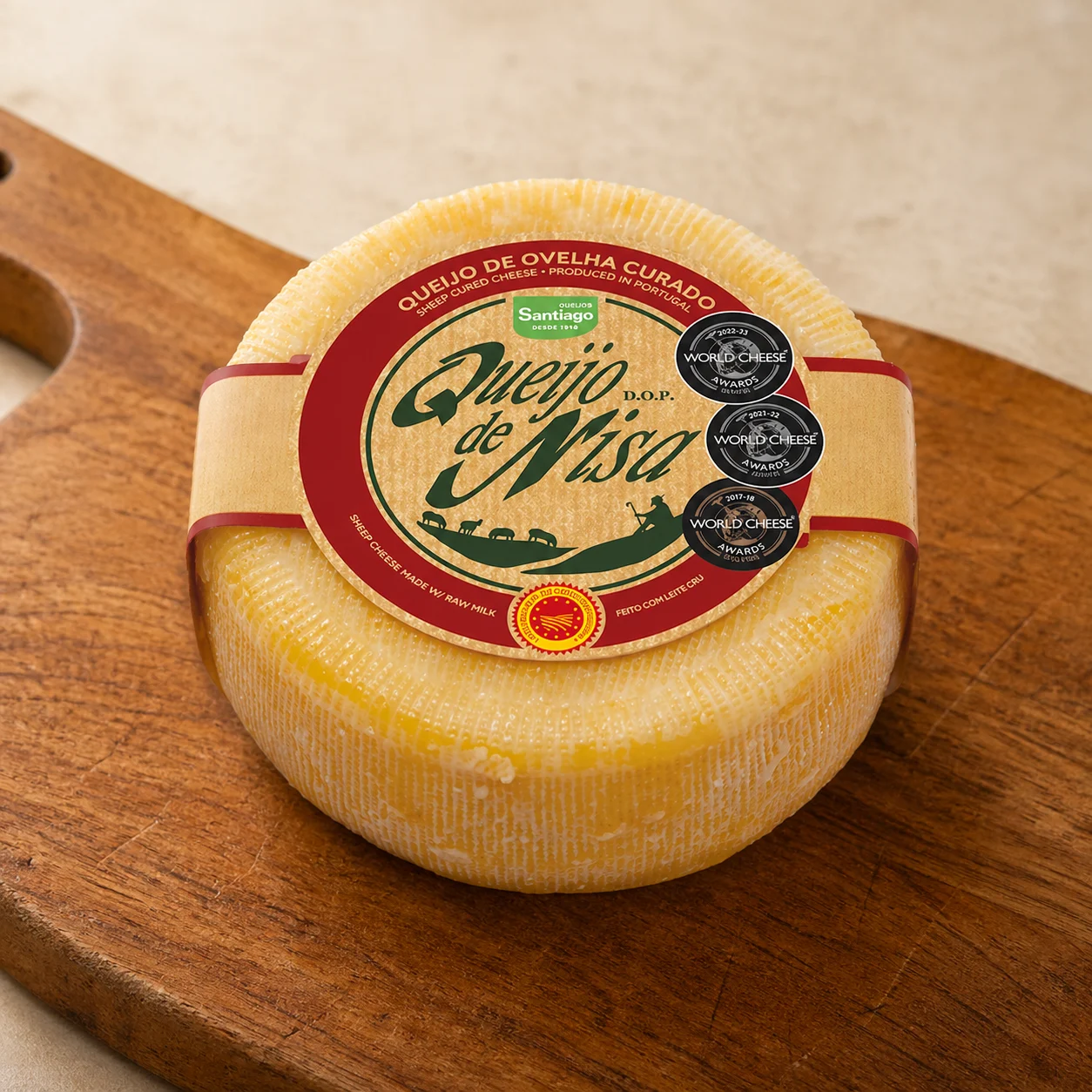 Queijo de NisaNisa (Alto Alentejo)Sheep · Semi-hard · bold
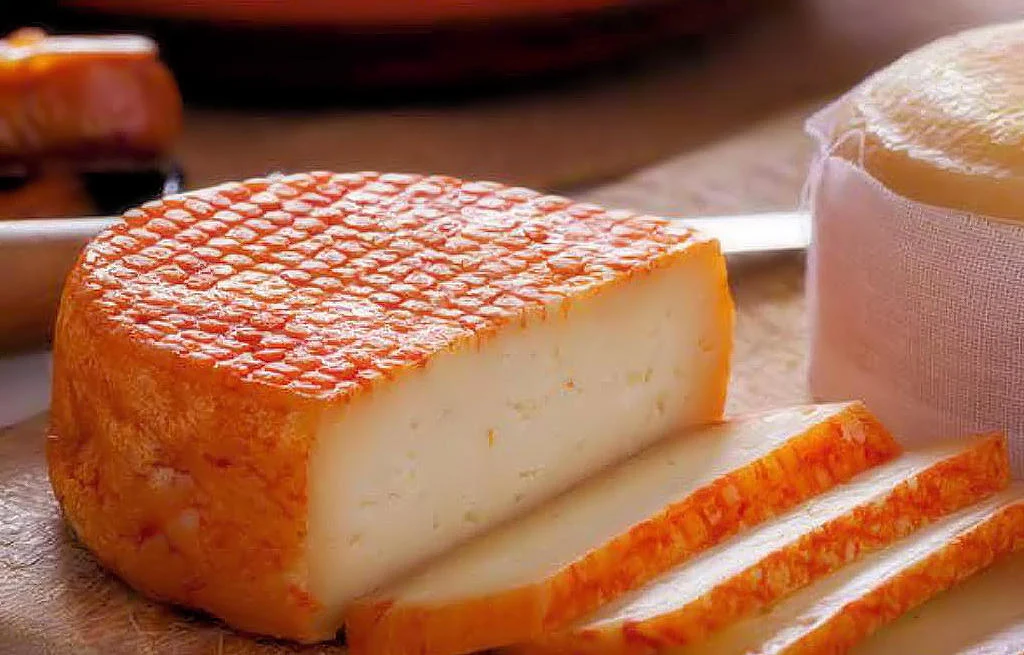 Queijo Mestiço de TolosaTolosa (Nisa, Alentejo)Sheep / Goat · Soft · medium
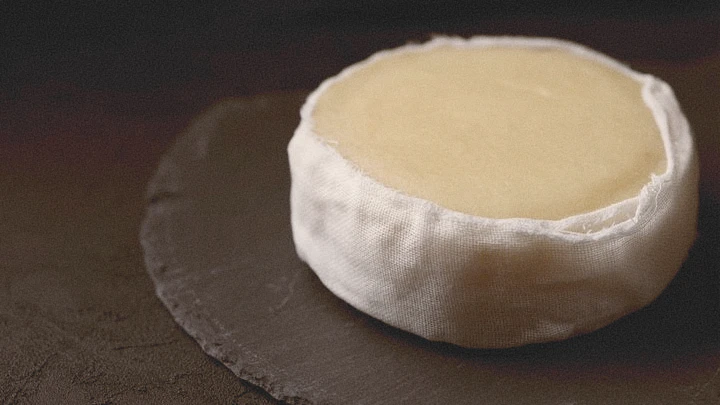 Queijo SerpaSerpa (Baixo Alentejo)Sheep · Soft · bold
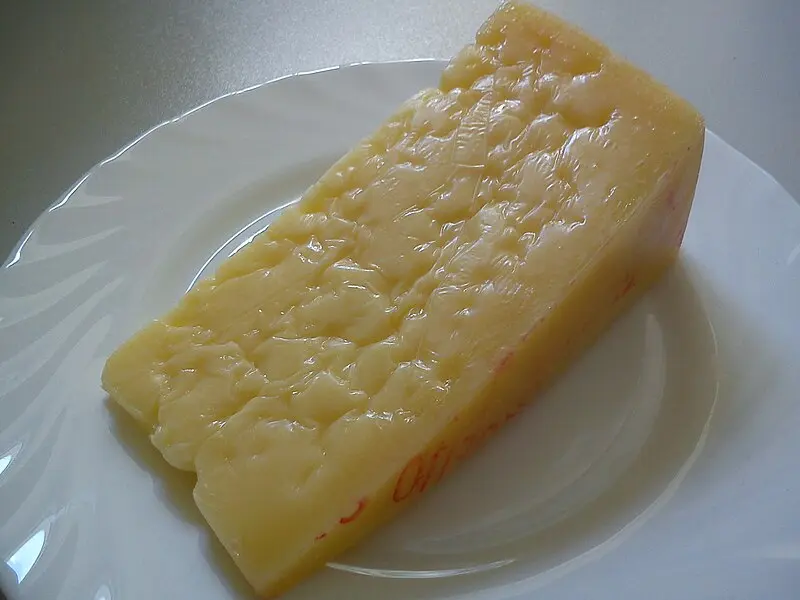 Queijo São JorgeSão Jorge Island (Azores)Cow · Hard · bold
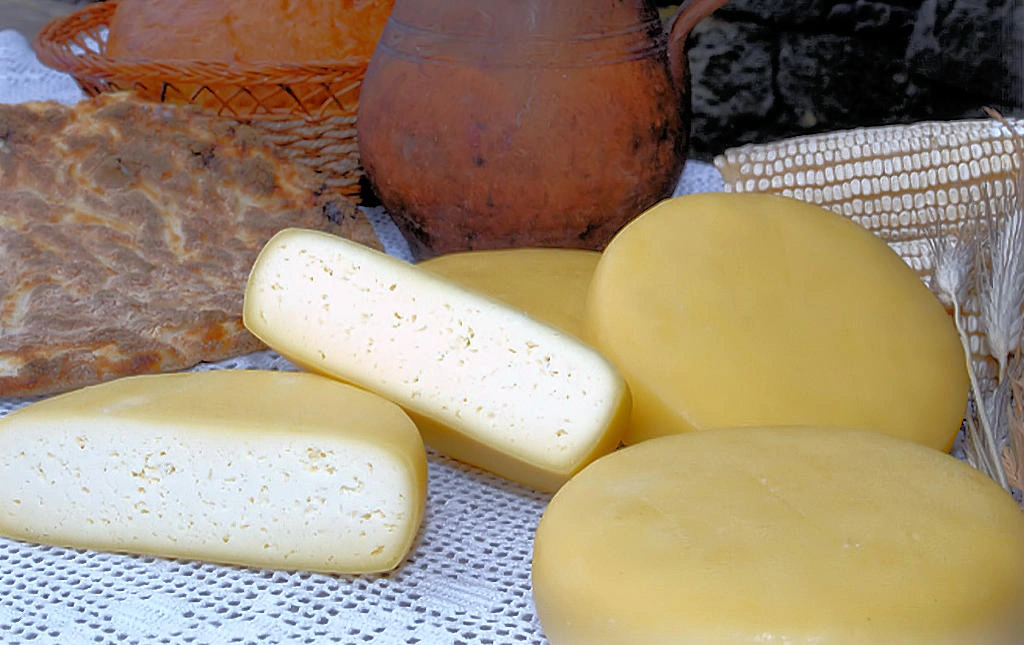 Queijo do PicoPico Island (Azores)Cow · Semi-hard · bold
How to build a cheese tasting route in Portugal
1. Lisbon and Azeitão: a short starter route
If you are staying around Lisbon, the most accessible cheese focus is the Setúbal Peninsula and Azeitão. Queijo de Azeitão is a relative of the Serra da Estrela tradition, shaped by local milk and climate. Expect a soft or semi-soft cheese with pronounced aroma, and a runny interior in ripe examples. This route is a good start for anyone approaching Portuguese cheese for the first time who wants to combine a production tradition and a tasting in one region.
2. Serra da Estrela and the Beiras: from the mountains to the centre
Serra da Estrela sits at the heart of a route through central Portugal. The official tourism guide presents tasting the region's famous cheese with local bread, and stops that tell the story of cheese culture such as the Solar do Queijo in Celorico da Beira, as part of the regional experience. Widen the route and the Beira Baixa family and Rabaçal offer very different textures under the same “central region” heading. Before you travel, confirm the days and hours of producer visits directly with the business.
3. The Alentejo: tasting four cheeses side by side
The Alentejo is valuable for comparative tasting rather than for a single cheese. Évora and Nisa lean towards firmer structures; Serpa can be softer, riper and buttery. Mestiço de Tolosa combines sheep's and goat's milk, letting you see the effect of a milk blend. Portugal's official tourism source also lists Nisa, Serpa and Évora among the region's leading cheese-producing areas.
4. The Azores: a separate route, not a continuation of the mainland
Adding São Jorge and Pico to a single overland route from Lisbon would be misleading. The Azores need their own transport and time. On São Jorge, large cow's milk wheels, a spicy character that develops with age and the island's cheese economy stand out. Pico shows a smaller-scale island tradition. Consider them not only for the cheese but for understanding how the islands' pastures and Atlantic climate shape the milk.
Which Portuguese cheese suits your palate?
Azeitão, Serra da Estrela and a fully ripe Serpa are strong candidates if you love a soft texture together with pronounced aroma.
São Jorge, Terrincho and a mature Évora suit anyone after a tighter texture, deep umami and a lasting taste.
Cabra Transmontano focuses directly on goat's milk; Rabaçal and Mestiço de Tolosa show goat's milk together with sheep's milk.
The Alentejo selection is a good start for seeing differences of milk, maturity and texture side by side within the same broad geography.
These groups do not guarantee that you will like a cheese. Producer, maturity, serving temperature and storage conditions can change the experience of the same cheese name. Cheesepedia's personal taste profile makes these general classes more meaningful by relating them to your own preferences for salt, acidity, umami, texture and intensity.
What to drink with Portuguese cheeses
“Portuguese cheese goes with Portuguese wine” is not a pairing rule on its own. A wine's acidity, body, tannin and sweetness should be weighed together with the cheese's salt, fat, moisture and intensity. With runny, rich sheep's cheeses, bright acidity can bring freshness. With firm, mature cheeses such as São Jorge, more structured drinks can be considered. With salty, strong cheeses, sweetness can create contrast; but every bottle has its own profile.
In Cheesepedia, AI helps read the wine label and the likely wine profile. The cheese results, however, are not written by a generative guess: the estimated wine profile is run through an expert-designed pairing engine against the existing Cheesepedia cheese database. That gives you a more consistent starting board for the bottle in your hand, Portuguese cheeses included.
Planning a cheese-focused trip to Portugal
- Do not fit the whole country into one week. Lisbon and Azeitão, central Portugal and the Alentejo make more sense as separate focal points; the Azores need planning of their own.
- Confirm producer visits. Small producers may not welcome visitors every day, and seasonal hours can change.
- Write down the full name. Note the full protected name and the producer rather than a general phrase such as “Serra cheese”.
- Ask about transport. The cold chain, packaging and flight time matter, especially for soft and runny cheeses.
- Taste from light to intense. Start with more delicate examples and move on to firm, long-aged or strongly aromatic cheeses.
- Take notes. Keeping the milk, texture, aroma, maturity and producer in your Cheese Journal makes it easier to remember your preferences after the trip.
Frequently asked questions
What is Portugal's most famous cheese?
Queijo Serra da Estrela is one of the best-known examples outside Portugal too. But Azeitão, São Jorge, Serpa, Nisa and the other protected cheeses represent the country's different milk, texture and regional traditions.
Which Portuguese cheese should I try near Lisbon?
Queijo de Azeitão from the Setúbal Peninsula is one of the most natural starting points for a short cheese-focused route around Lisbon. Visiting and tasting conditions vary by business, so confirm them in advance.
Are Portuguese cheeses made only from sheep's milk?
No. The sheep's milk traditions are very strong, but there are also cow's milk cheeses such as São Jorge and Pico, goat's milk cheeses such as Cabra Transmontano, and examples that combine sheep's and goat's milk.
Can the Azores cheeses be added to a mainland cheese route?
Not geographically. São Jorge and Pico are in the Azores and need their own travel plan, so it is more accurate to think of them as a separate island cheese journey than as a continuation of the mainland route.
Can I save Portuguese cheeses in the app?
Yes. In Cheesepedia you can browse cheese profiles, add the ones you want to try to your Cheese Journal and see how well they match your taste profile.
Sources and further reading
This guide is Cheesepedia's original interpretation of the references below. Listing a source does not imply that the organization endorses Cheesepedia.