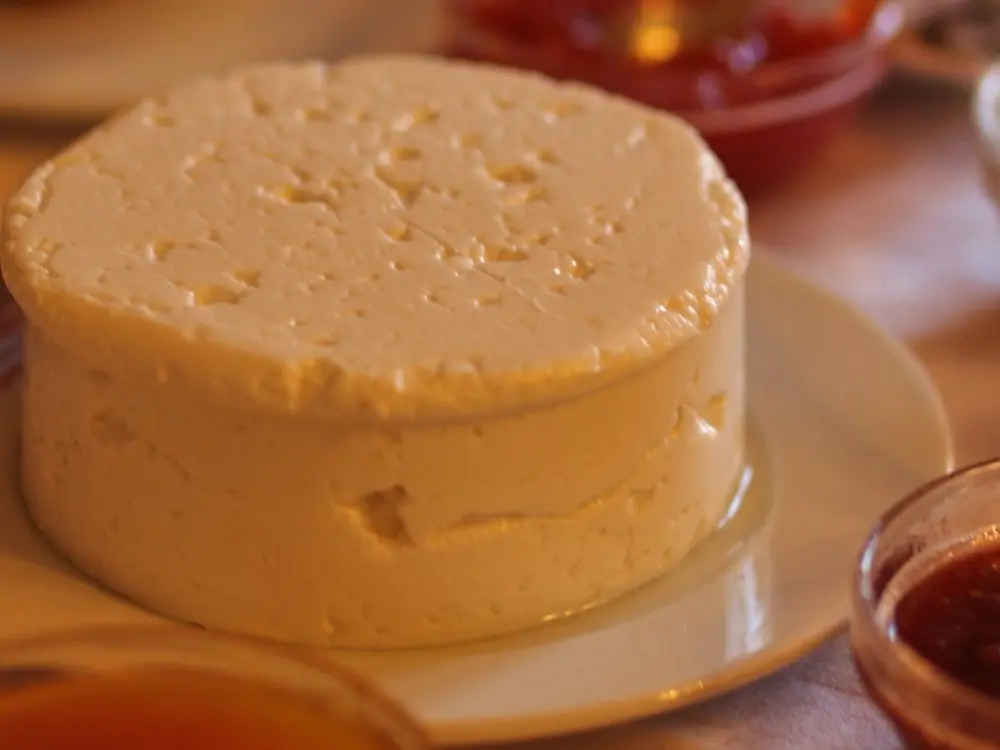
What is Queijo Rabaçal?
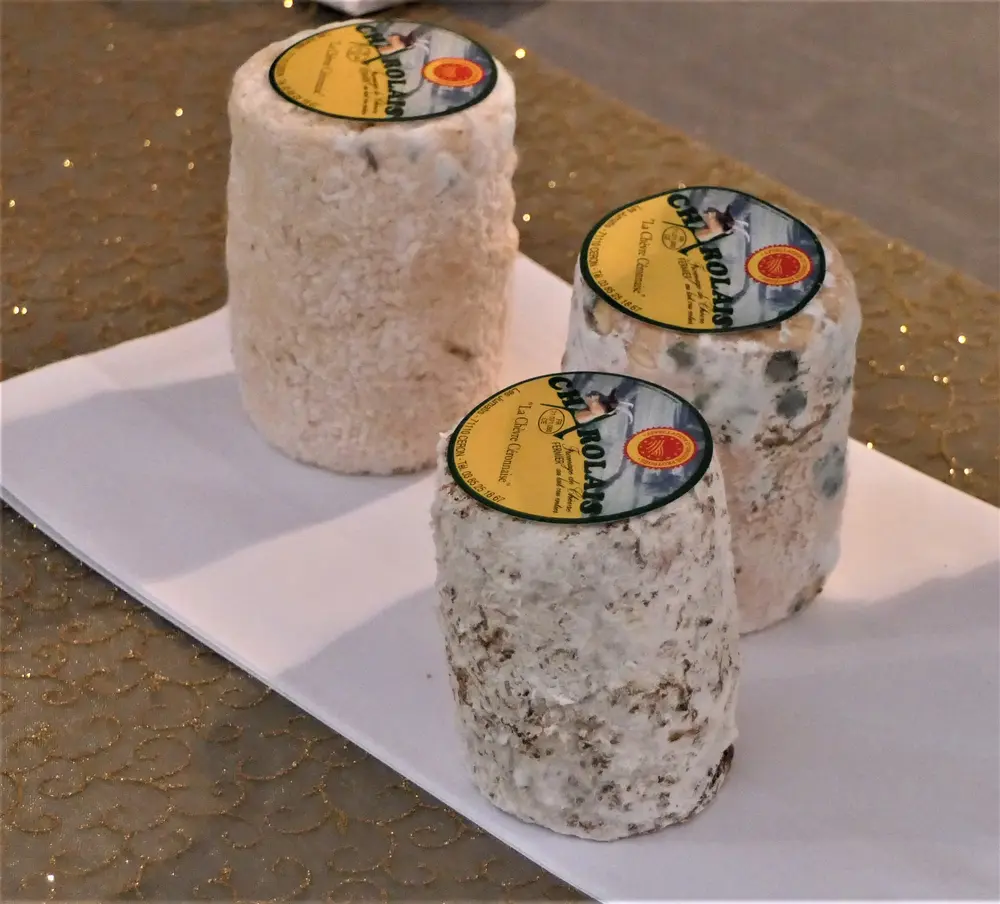
A historic cheese from the central Portuguese village of Rabaçal, made from a distinctive blend of sheep’s and goat’s milk. The animals graze on the aromatic local pastures of the Coimbra district. Produced in small rounds of 300–500 g and aged for a minimum of 20 days. It was reportedly the favourite cheese of King Dom Fernando II in the 19th century.
Taste, aroma, and texture
Texture
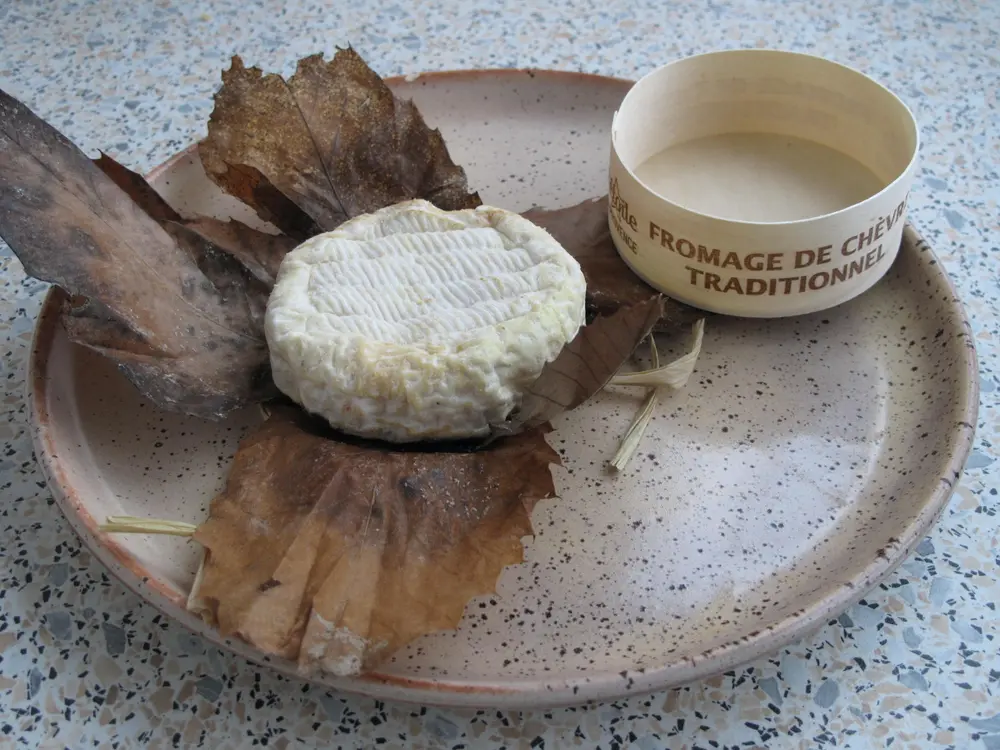
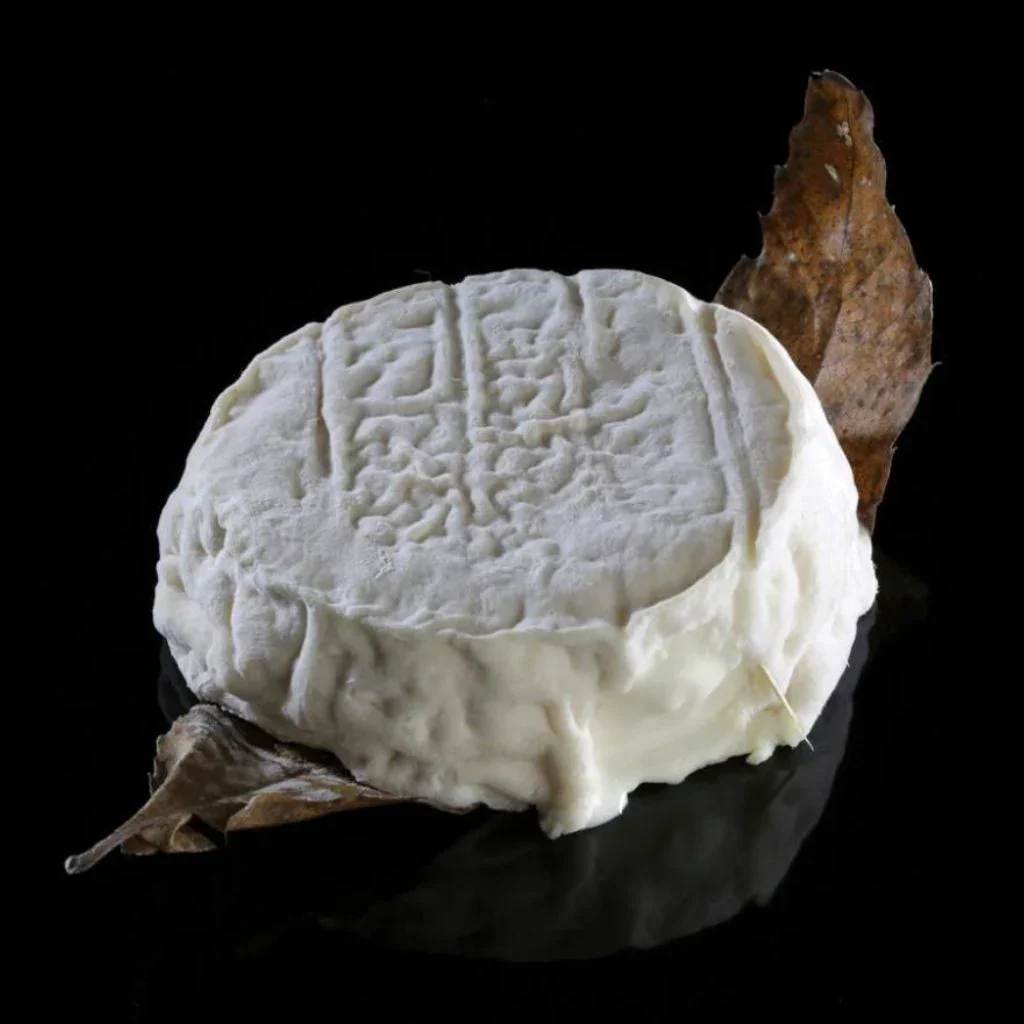
Semi-hard, smooth, and compact, with almost no holes and a firm body. Thin yellowish-white rind. Slices cleanly. The interior ranges from ivory to white. Rounds weigh 300–500 g.
Aroma
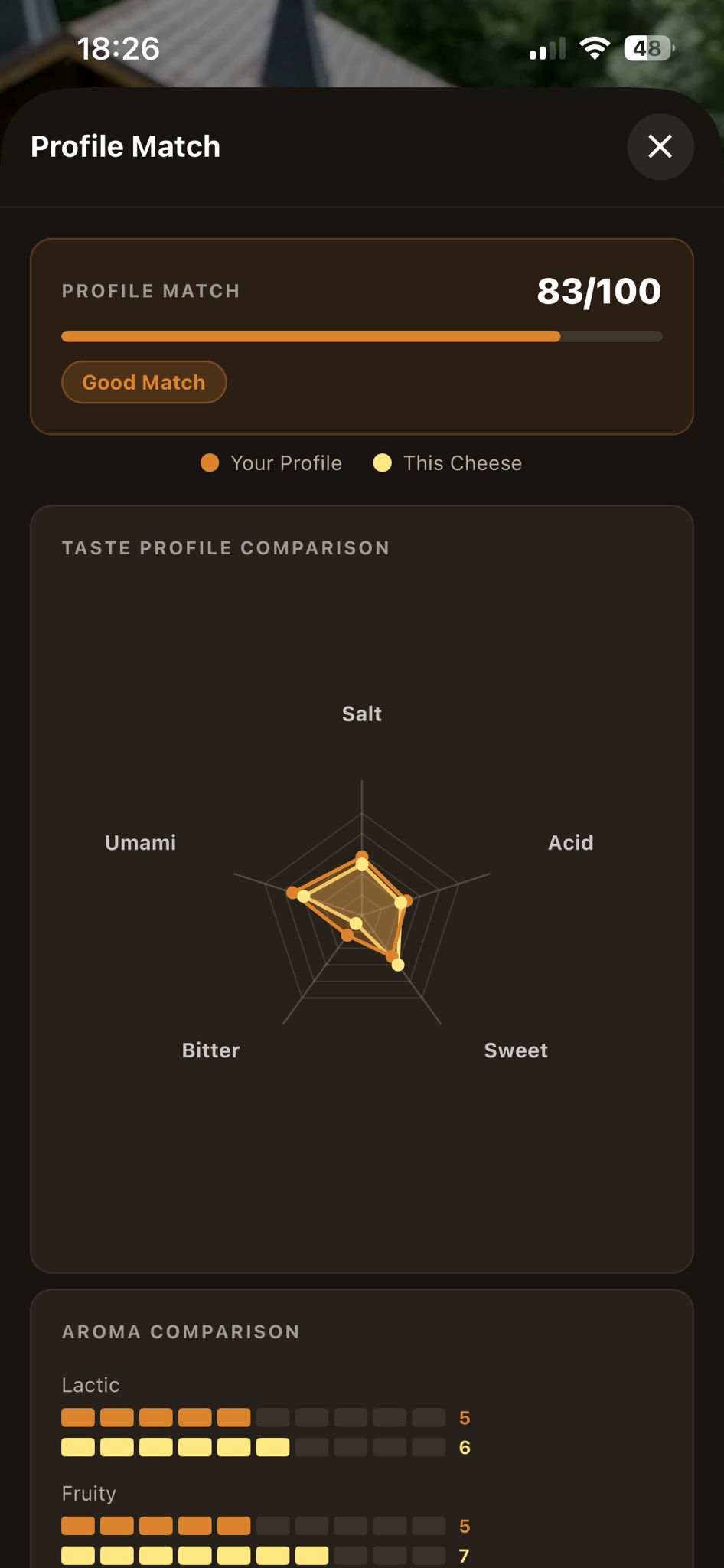
Lactic notes are strongly dominant, with a clean farmhouse milk character. Animal notes from the sheep-and-goat milk blend are strongly present. Herbal and earthy notes from the local pastures are equally noticeable. Fruity notes remain faint. No smoky character.
Cheesepedia taste profile
These values are the structured baseline in the Cheesepedia app. Your personal match is calculated separately from your own taste profile.
How to enjoy it
- 01
Served in wedges on rustic cheese boards.
- 02
Used in salads, bread plates, or cold appetisers.
- 03
Melted lightly into omelettes or baked vegetable dishes.
What pairs with Queijo Rabaçal?
Classic serving companions from the Cheesepedia catalog.
- Walnuts
- Fresh Pears
- Sourdough Bread
- Chestnut Honey
- Butter Cracker
Story and origin
With origins possibly dating back to the Roman period, Queijo Rabaçal gained widespread fame in the 19th century as the favourite cheese of King Dom Fernando II. The specific blend of sheep’s and goat’s milk from Rabaçal pastures has been preserved for generations as a defining production requirement. It has held PDO status since 1996.
Storage and serving
- Store in the fridge, wrapped or vacuum-packed.
- Air travel: suitable, especially if vacuum-packed.
Profile sources and methodology
This page uses the same curated record as the Cheesepedia mobile app. Production-style and designation references provide context; they do not imply endorsement of Cheesepedia.