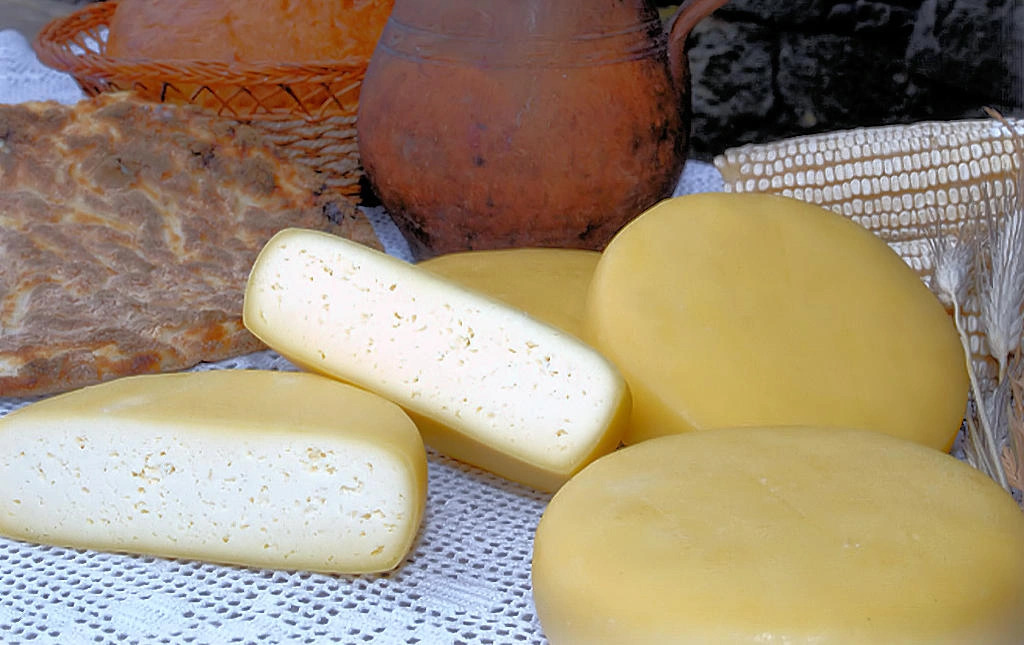
What is Queijo do Pico?
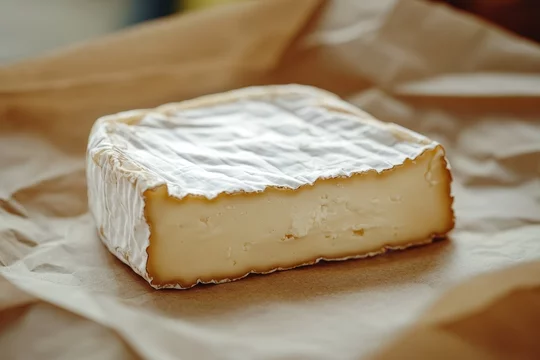
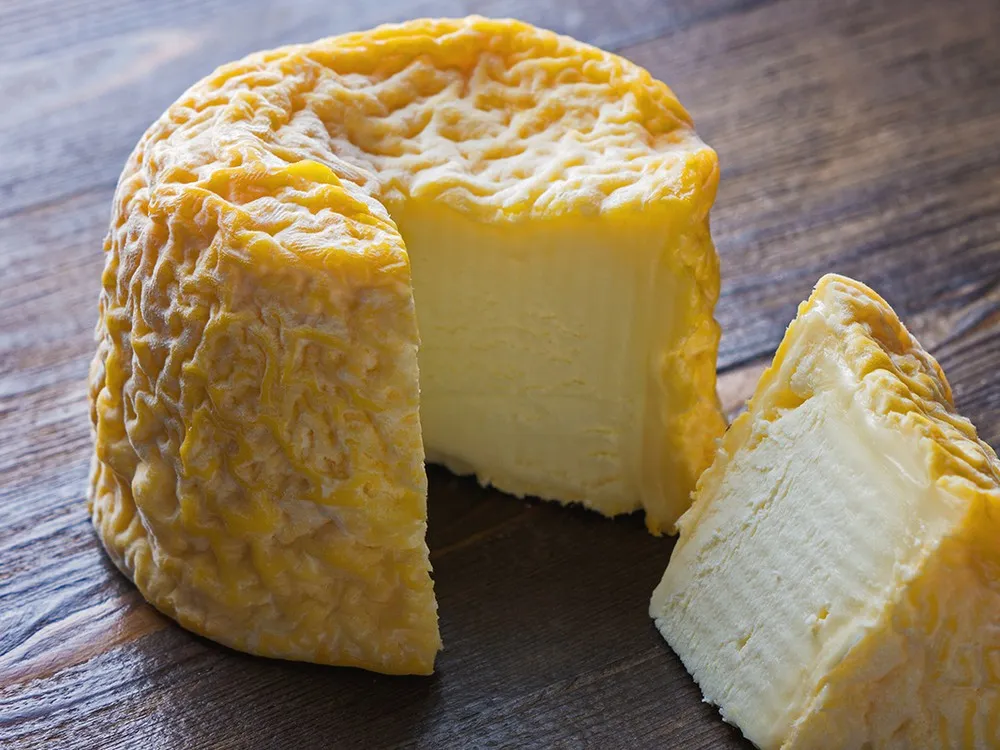
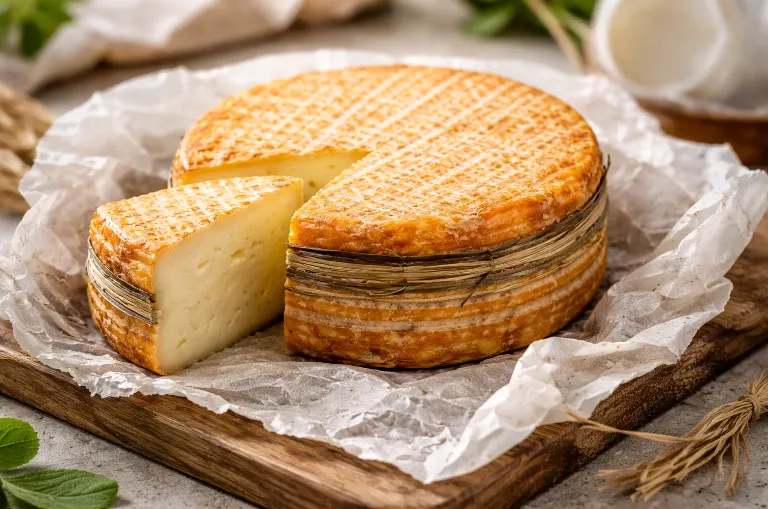
A soft cheese from the volcanic island of Pico in the Azores, produced from raw cow’s milk and shaped in small cylinders of 160–300 g. The island’s terroir — mineral-rich volcanic soil, Atlantic sea breezes, and diverse pastures — gives the cheese a distinctive salty and complex character. Aged for a minimum of 7 days in humid conditions.
Taste, aroma, and texture
Texture
Soft, smooth, and very homogeneous, with a buttery consistency that melts on the palate. The rind is thin, white-golden, and slightly moist. The interior is pale ivory. Small cylinders weigh 160–300 g. Best served at room temperature.
Aroma
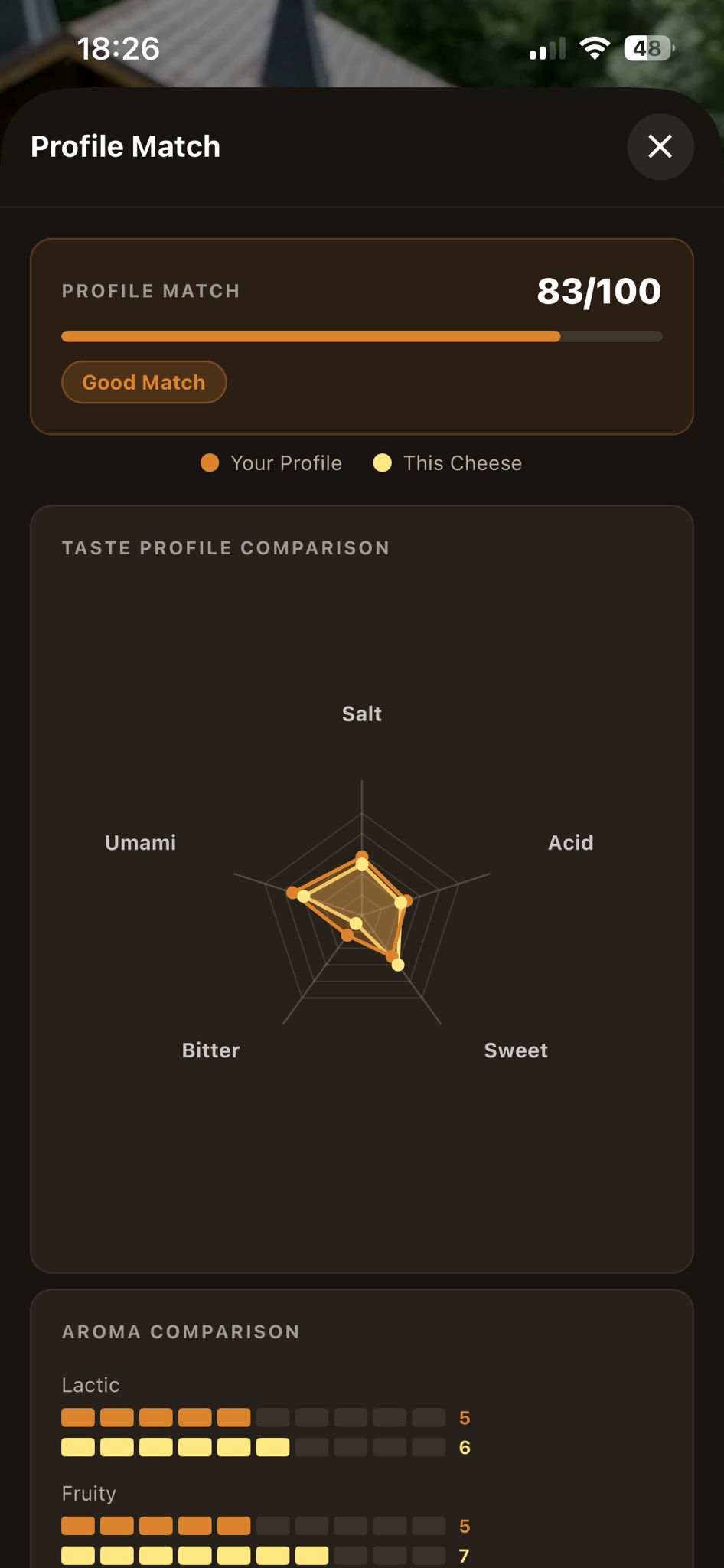
Animal notes are strongly dominant, with a complex bouquet of fermented raw cow’s milk and salty Atlantic sea-breeze undertones shaped by the volcanic terroir. Earthy notes are strongly present. Lactic notes are noticeable, while fruity and herbal notes remain faint. No smoky character.
Cheesepedia taste profile
These values are the structured baseline in the Cheesepedia app. Your personal match is calculated separately from your own taste profile.
How to enjoy it
- 01
Sliced into everyday cheese boards or snack plates.
- 02
Used in sandwiches, toasties, or breakfast plates.
- 03
Melted into omelettes, baked potatoes, or simple hot dishes.
What pairs with Queijo do Pico?
Classic serving companions from the Cheesepedia catalog.
- Chestnut Honey
- Fig Jam
- Walnuts
- Winter Pears
- Oatcakes
Story and origin
Cheesemaking on Pico Island dates back to the 18th century, developing alongside the island’s famous viticulture in the distinctive lajido landscape of basalt-stone enclosures. The isolation of the Azores allowed traditional production methods to be preserved almost unchanged. It has held PDO status since 1996.
Storage and serving
- Store in the fridge, wrapped or vacuum-packed.
- Air travel: suitable, especially if vacuum-packed.
Profile sources and methodology
This page uses the same curated record as the Cheesepedia mobile app. Production-style and designation references provide context; they do not imply endorsement of Cheesepedia.