Which cheeses is Germany famous for?
Allgäuer Bergkäse and Allgäuer Emmentaler are the clearest cheese names of Germany's Alpine belt. Harzer Käse represents the low-fat, sharply aromatic sour-milk tradition; Limburger the pungent smell of a washed rind; Weisslacker a salty, intense Bavarian style; and Tilsiter the semi-hard tradition of the north.
Modern Bavarian cheeses such as Bonifaz and Cambozola, and cheese-based table products such as Obatzda, belong in different categories from the traditional wheels with geographical indications. Rather than melting them all into one “German cheese” label, this guide sets out to compare clearly what each one is.
A cheese map of Germany
The south carries clear weight on Germany's cheese map, but the whole story is not Bavaria. The diagram shows four tasting focal points.
Allgäuer Bergkäse · Allgäuer Emmentaler · Weisslacker · Obatzda
Bonifaz · Cambozola · Rauchkäse
Harzer Käse
Limburger · Tilsiter
The Allgäu is the densest place to start for seeing mountain cheese and Alpine cuisine together.
The Harz and northern routes need separate travel time.The 10 German cheeses in Cheesepedia
This is not a “best cheeses” ranking. It shows the cheeses in the app database with their milk, texture, intensity and production area. Each card opens the full profile; when you compare styles, keep in mind that producer, age and storage can all change the experience.
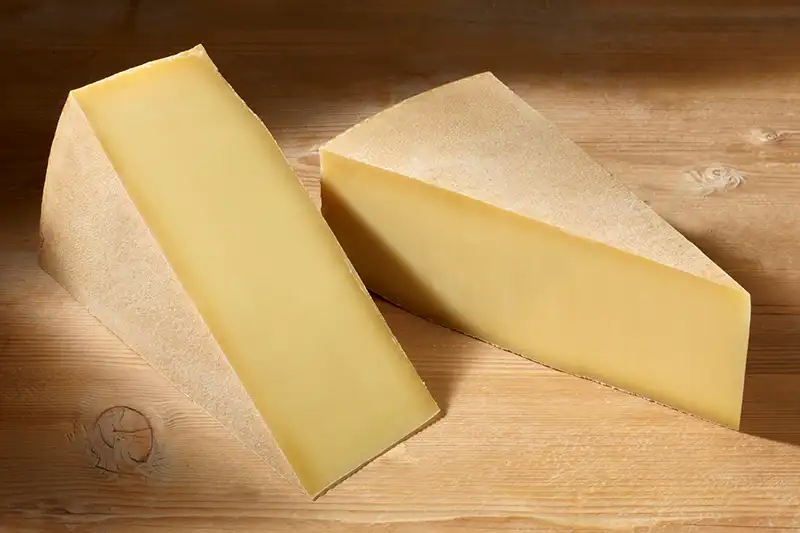 Allgäuer BergkäseBavariaCow · Hard · medium
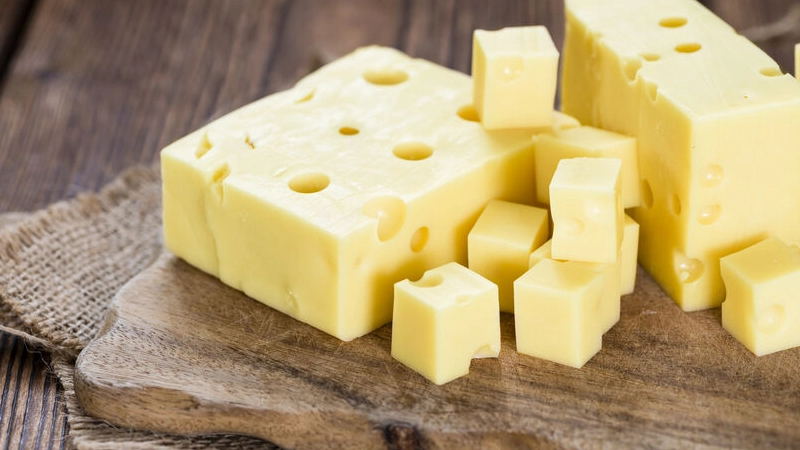 Allgäuer EmmentalerAllgäu (Bavaria)Cow · Hard · gentle
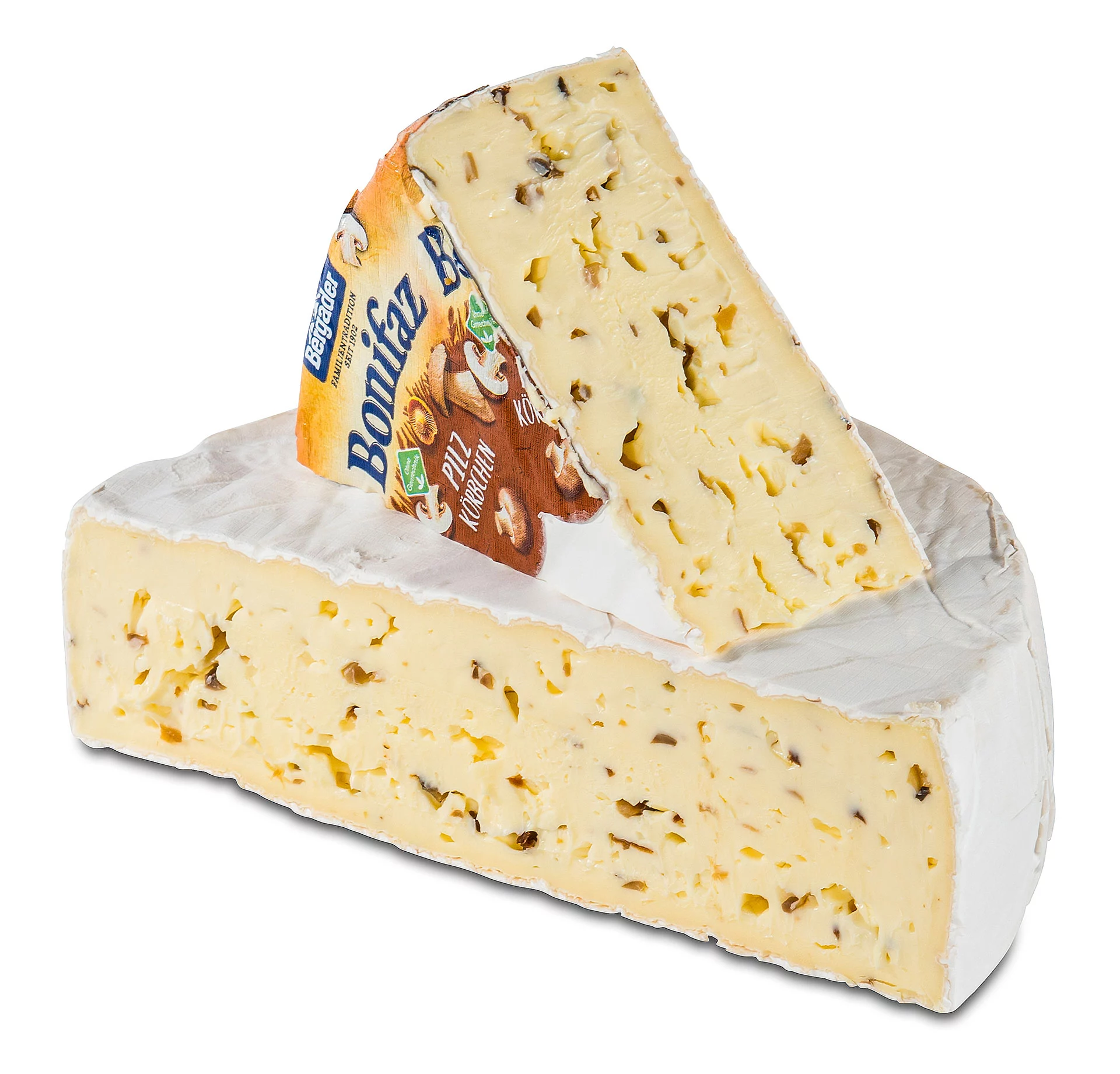 BonifazBavarian AlpsCow · Soft · medium
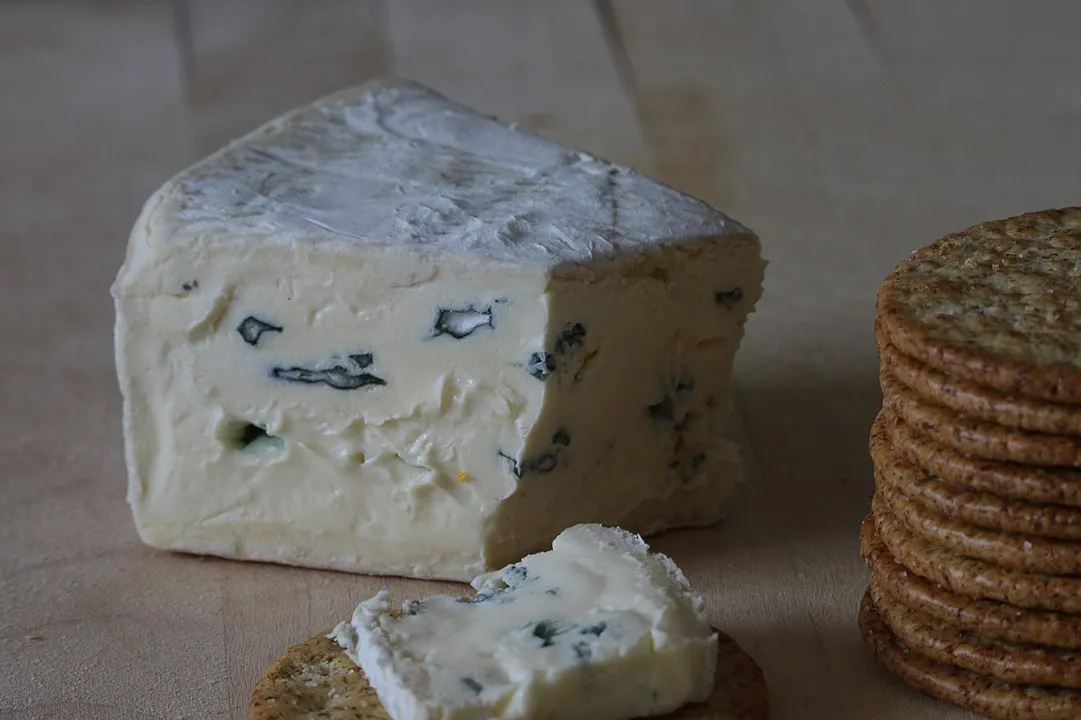 CambozolaBavariaCow · Soft · medium
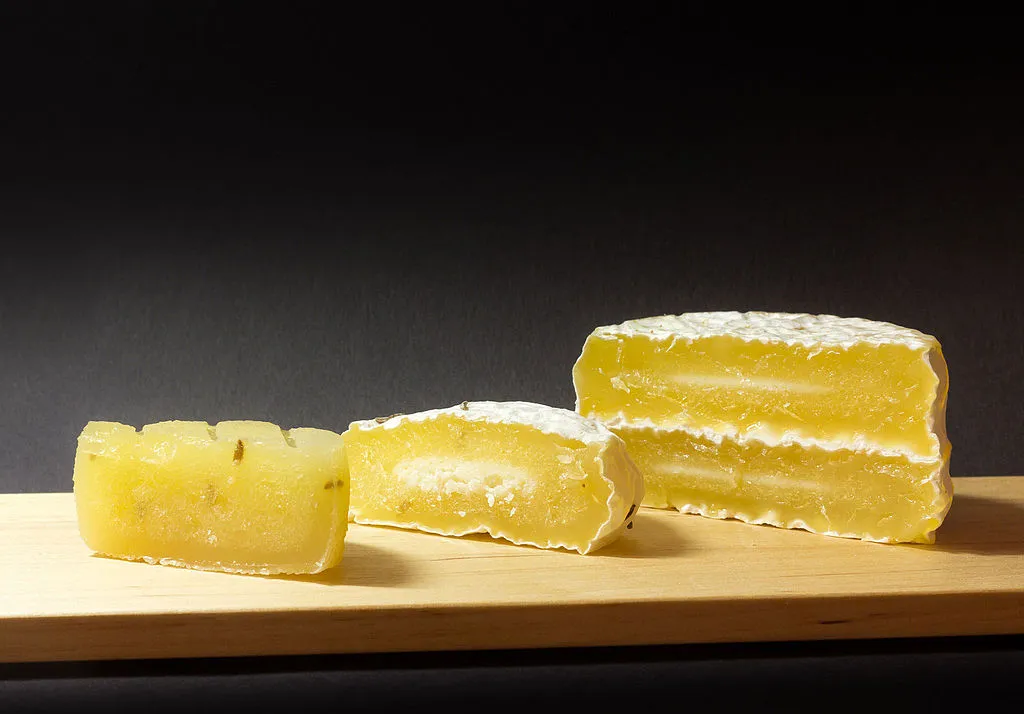 Harzer KäseLower SaxonyCow · Soft · extreme
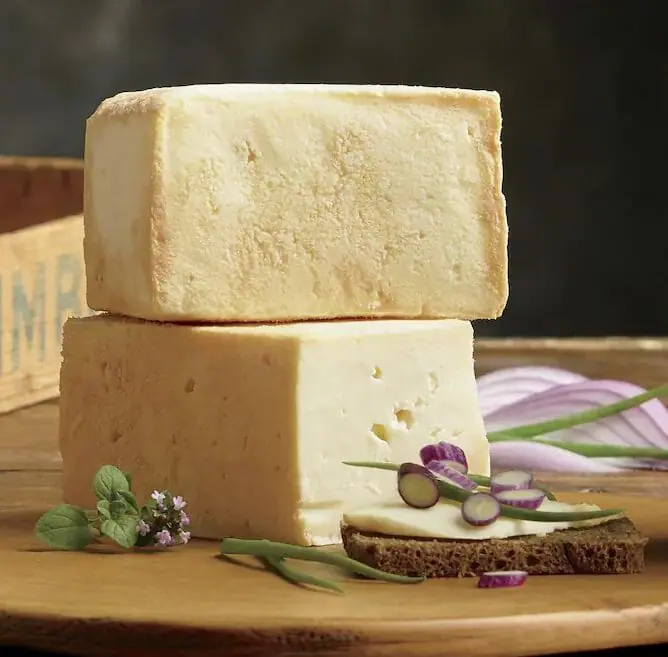 LimburgerNorth Rhine-WestphaliaCow · Soft · extreme
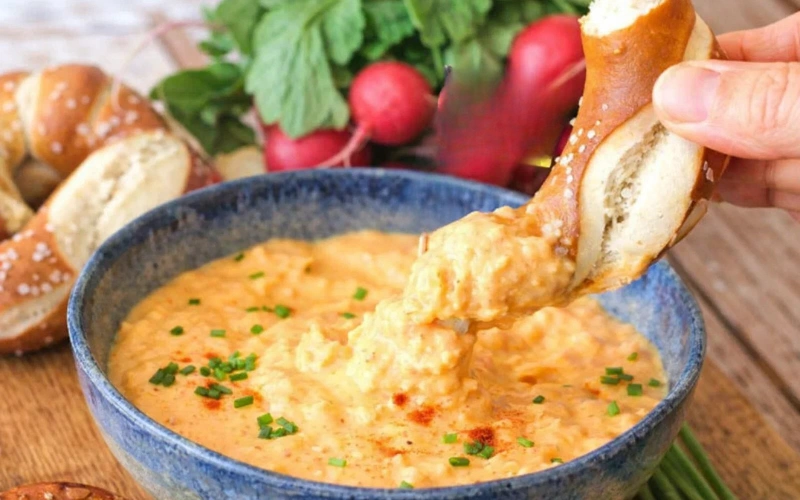 ObatzdaBavariaCow · Soft · medium
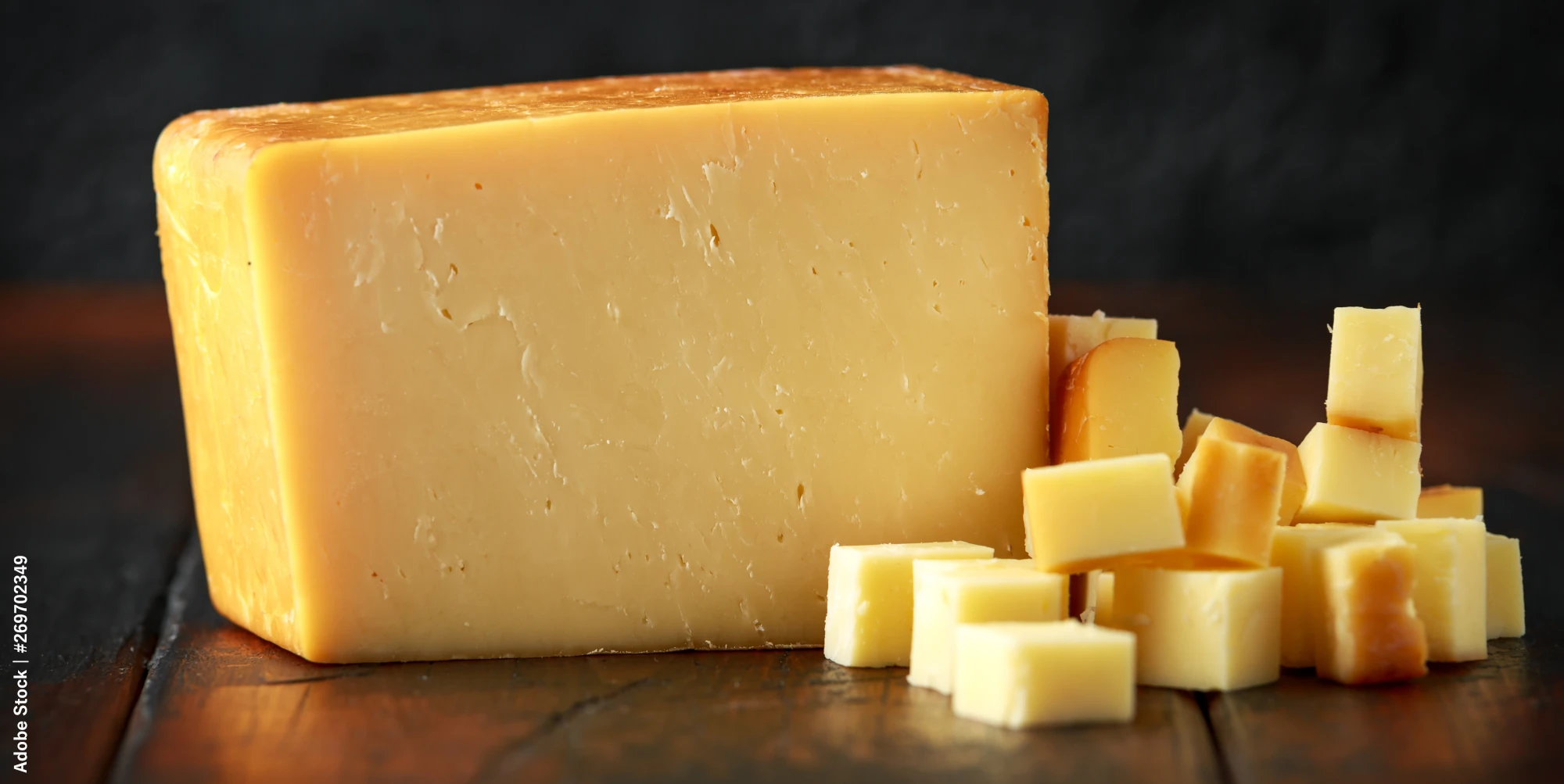 RauchkäseBavariaCow · Semi-hard · medium
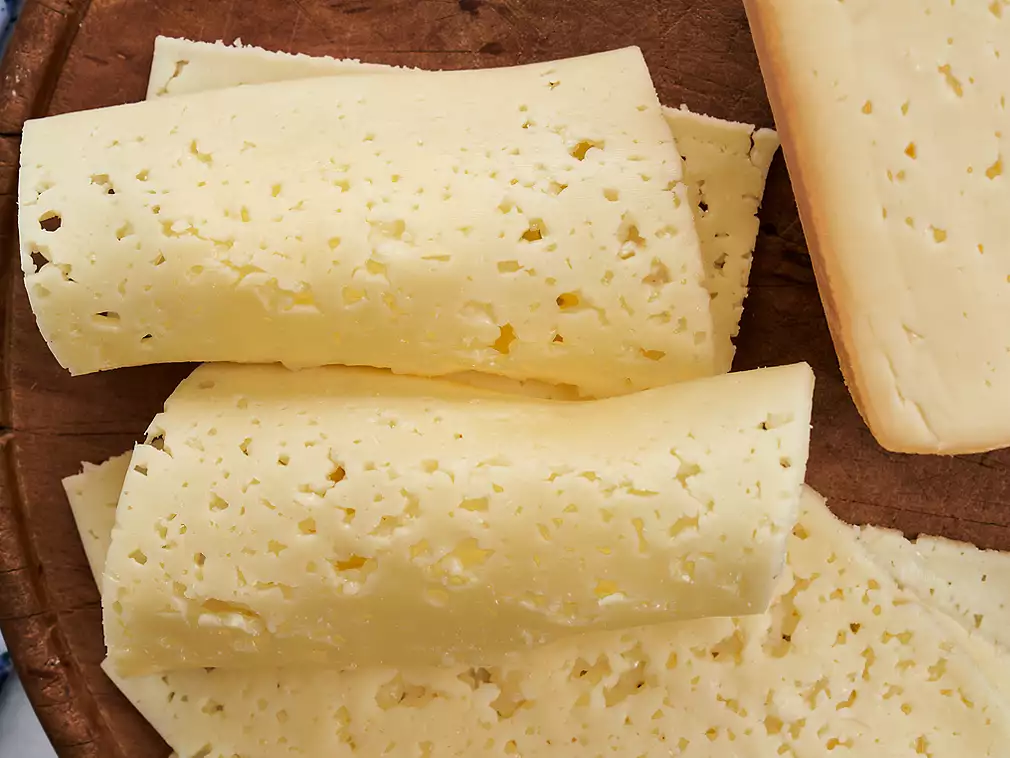 TilsiterSchleswig-HolsteinCow · Semi-hard · medium
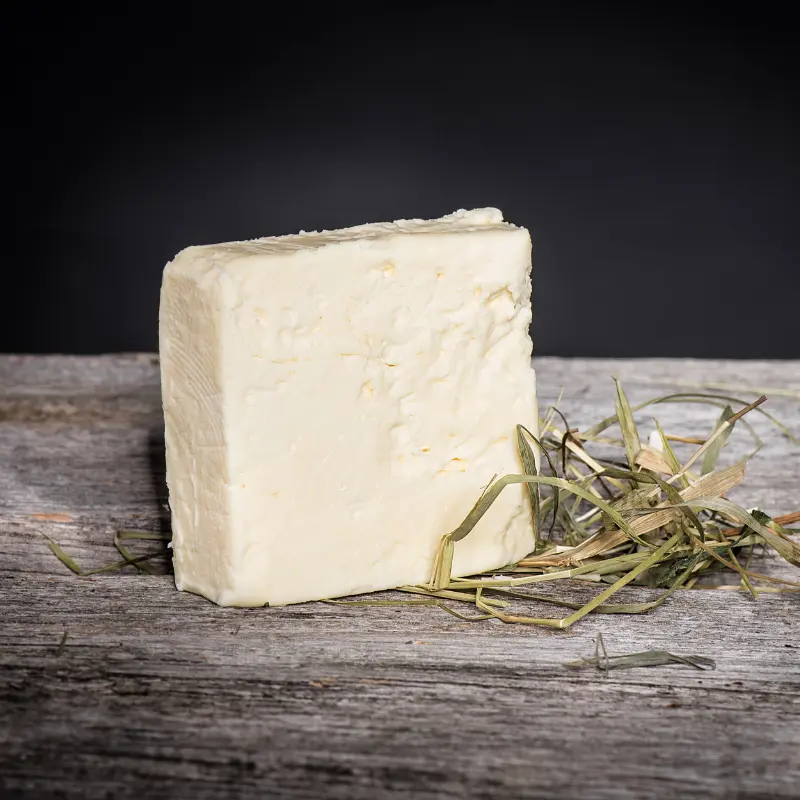 Weisslacker (Bierkäse)BavariaCow · Soft · extreme
How to build a cheese tasting route in Germany
1. The Allgäu and the German Alps
Germany Travel presents the Allgäu and the Alpine belt together with local dishes such as mountain cheese and cheese Spätzle. Comparing Allgäuer Bergkäse and Emmentaler at different ages is one of the best ways into the cheeses of southern Germany.
2. The Bavarian table
Weisslacker, Rauchkäse, Cambozola and Obatzda are not one product family. Read the menu and the label for the difference between a hard or semi-hard cheese, a smoked style, a modern mould-ripened cheese and a cheese-based mixture.
3. The Harz
Harzer Käse shows how much aroma a low-fat sour-milk cheese can develop. Rather than approaching it with the same expectations as Allgäu cheeses, taste it as a separate production technique.
4. The north and west
Tilsiter and Limburger offer textures and rind profiles different from the southern mountain cheeses. It is more accurate to think of these stops as part of a northern or western German itinerary than as add-ons to a short Alpine trip.
Where to start, based on your palate
Allgäuer Bergkäse is the natural starting point if you want long maturity and pronounced umami.
Allgäuer Emmentaler and Tilsiter are good for comparing semi-hard textures.
Harzer, Limburger and Weisslacker appeal to anyone who does not shy away from a strong smell.
Bonifaz and Cambozola offer softer, easily spreadable or mould-ripened modern styles.
When choosing German cheeses, check the product category. Comparing a prepared cheese mixture such as Obatzda with a mountain cheese that has a geographical indication, on the same criteria, is misleading.
What to drink with German cheeses
Beer is a common regional companion, but not every beer balances every cheese. Bitterness, carbonation, malt body and alcohol should be weighed against the cheese's salt, fat and intensity. Sharp profiles such as Harzer or Limburger need something different from hard cheeses such as Allgäuer Bergkäse.
In Cheesepedia, AI helps read the wine label and the likely wine profile. The cheese results are not written by a generative guess: the estimated wine profile is run through an expert-designed pairing engine against the existing cheese database. That gives you a more consistent starting selection for the bottle in your hand and your own palate.
Planning a cheese-focused trip
- In the Allgäu, plan dairies and walks together. Mountain businesses can change with the season.
- Read the product category. Cheese, smoked cheese and cheese mixtures are not the same thing.
- Leave strong aromas until last. Harzer, Limburger and Weisslacker can overwhelm delicate examples.
- Ask about transport. Packaging matters especially for soft, pungent cheeses.


Frequently asked questions
What is Germany's most famous cheese?
Allgäuer Bergkäse and Allgäuer Emmentaler are among the clearest regional names. Harzer Käse, Limburger, Tilsiter and Weisslacker represent other German cheese styles.
Is Obatzda a cheese?
Obatzda is a Bavarian cheese-based mixture prepared with cheese, butter and spices. It should not be judged like a single matured wheel of cheese.
Where should I go for a cheese route in Germany?
The Allgäu and the German Alpine belt are one of the densest places to start, bringing together mountain cheese, dairies and walking.
Can I choose German cheeses by my taste profile?
Yes. In Cheesepedia you can compare texture, milk, intensity and taste to see the options closest to your personal profile.
Sources and further reading
This guide is Cheesepedia's original interpretation of the references below. Listing a source does not imply that the organization endorses Cheesepedia.