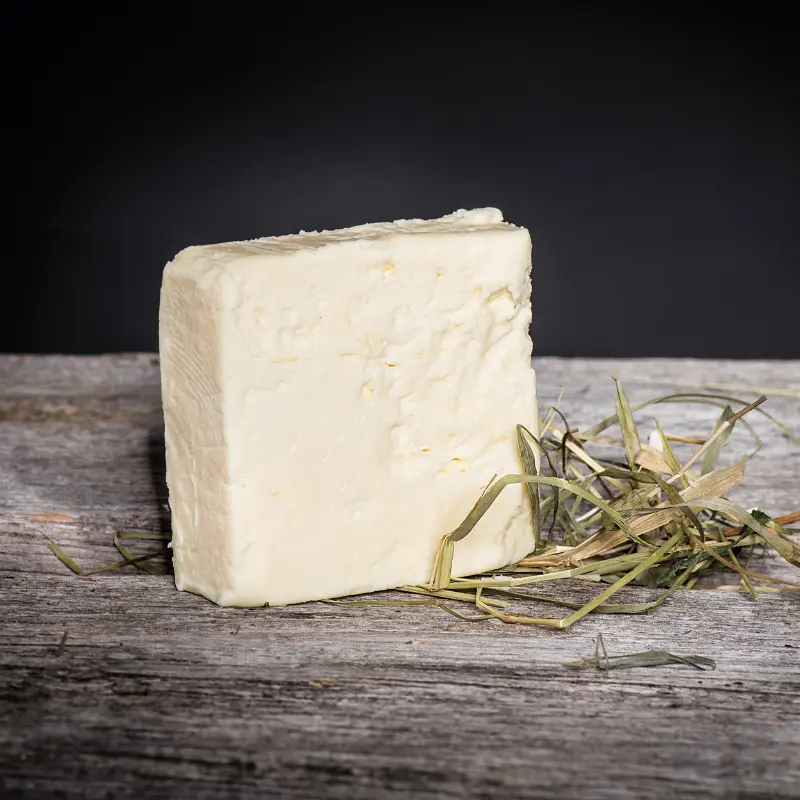
What is Weisslacker (Bierkäse)?
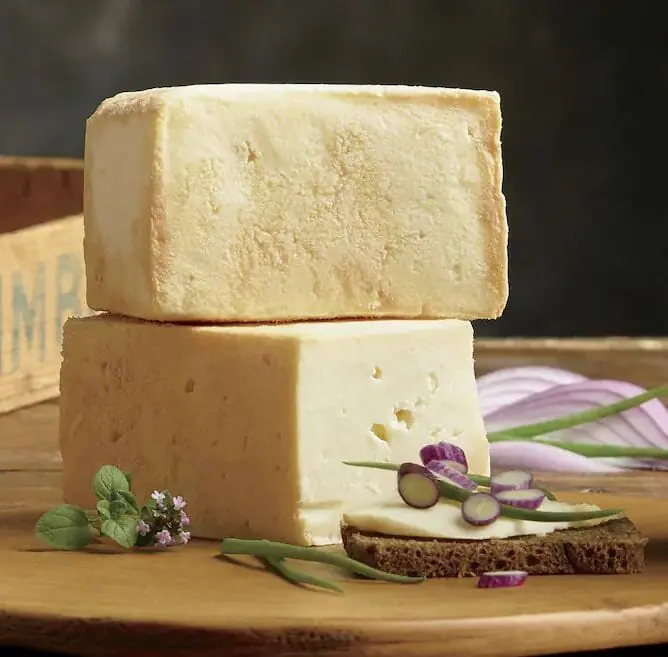
A washed-rind cow’s milk cheese from Bavaria, known for its intense sharpness, pronounced saltiness, and distinctive glossy white surface — reflected in its name, “white lacquer.” The rind develops through repeated brine-washing during maturation. Its bold, assertive character made it a traditional pairing for strong Bavarian beers, earning it the nickname Bierkäse (beer cheese). It is considered the world’s first patented cheese, granted a royal patent in 1876.
Taste, aroma, and texture
Texture
Firm yet creamy, with a compact, smooth, and non-porous interior. The exterior is its defining feature: a glossy, slightly sticky white surface formed through brine washing. Despite the tacky rind, it slices cleanly.
Aroma
Animal notes are strongly dominant, driven by the prolonged brine-washing process, creating an intense and pungent profile. Subtle earthy notes appear in the background, while all other aromatic dimensions remain barely perceptible.
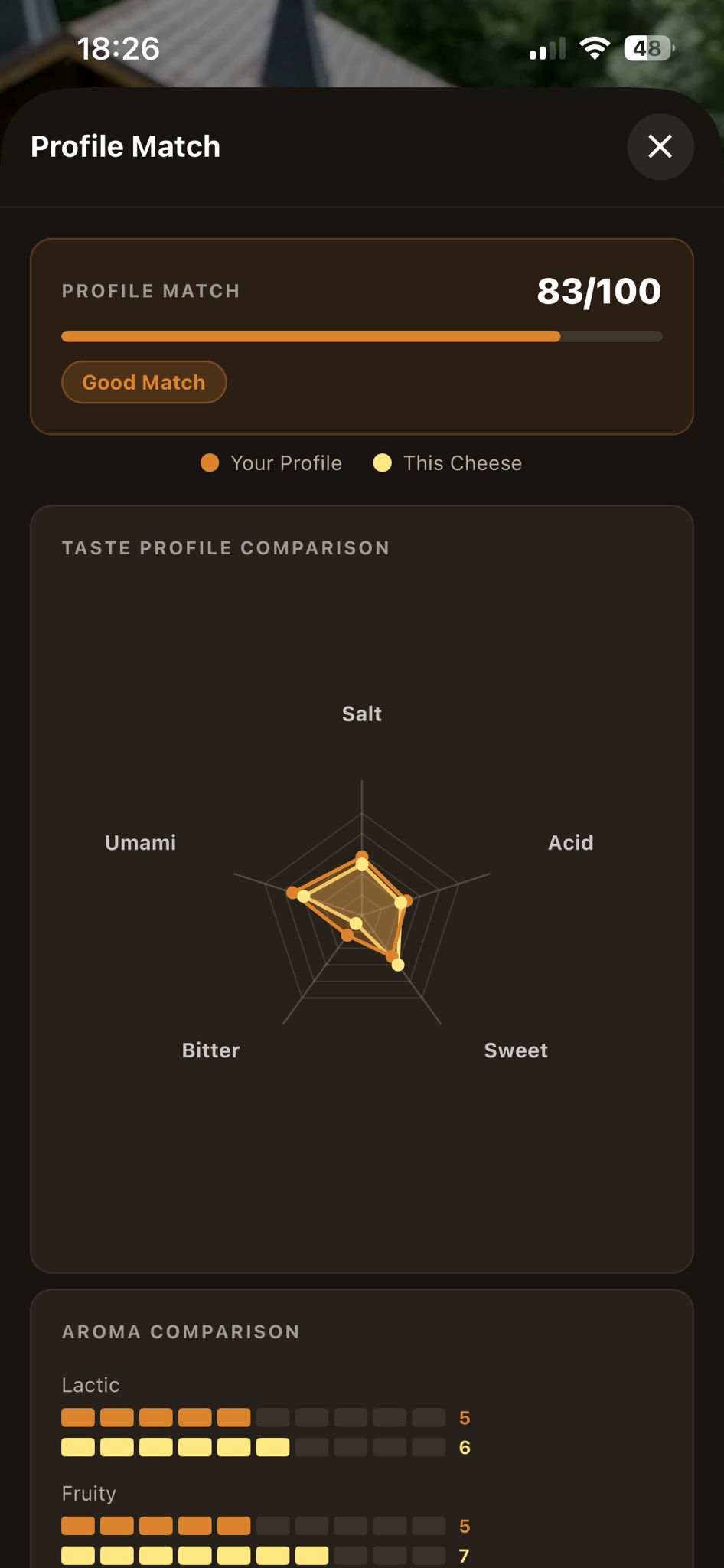
Cheesepedia taste profile
These values are the structured baseline in the Cheesepedia app. Your personal match is calculated separately from your own taste profile.
How to enjoy it
- 01
Served with strong Bavarian beer and rye bread.
- 02
Eaten with onions, radishes, or pickles as part of Brotzeit.
- 03
Paired with dark bread, mustard, and cured meats.
What pairs with Weisslacker (Bierkäse)?
Classic serving companions from the Cheesepedia catalog.
- Quince Paste (Membrillo)
- Fresh Apples or Pears
- Floral Honey
- Walnuts
- Dark Rye Bread
Story and origin
Developed in Bavaria in the 19th century, Weisslacker was first made in 1874 by the Kramer brothers in Wertach, in the Allgäu, who received a royal patent for it in 1876 — the first cheese to receive such protection. Its defining innovation was the extended brine-washing technique, unusual for its time. It later became a staple of Bavarian beer halls and Brotzeit culture.
Storage and serving
- Store in the fridge, wrapped and kept in a separate container.
- Air travel: suitable only if well sealed and kept cold.
Profile sources and methodology
This page uses the same curated record as the Cheesepedia mobile app. Production-style and designation references provide context; they do not imply endorsement of Cheesepedia.