What is Limburger?
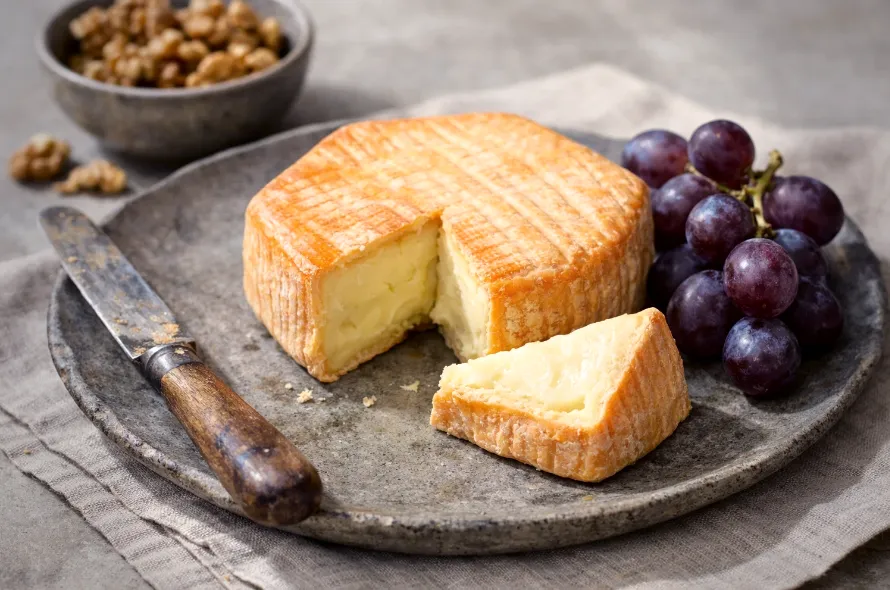
A soft washed-rind cow’s milk cheese with a strong smell and creamy interior. Originally linked to the historical Limburg region, it is now produced in several countries, including Germany. Small bricks develop a reddish-orange rind during ripening.
Taste, aroma, and texture
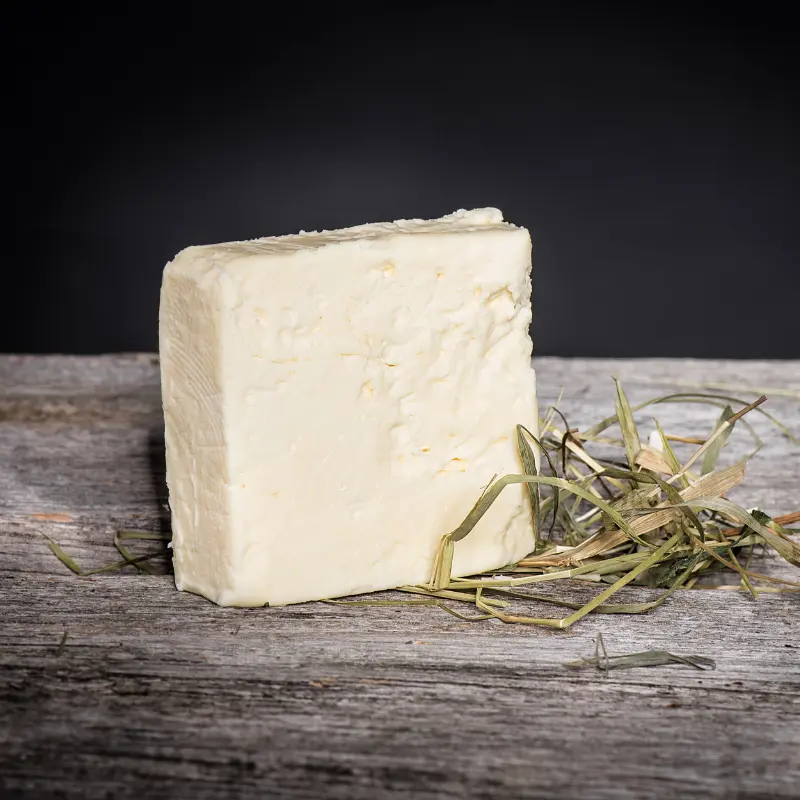
Soft and yielding with a creamy, smooth interior. Rind is reddish-orange, moist, and slightly sticky. The centre is firmer when young and becomes softer toward full ripeness. Brick-shaped blocks.
Animal notes are completely dominant — one of the most intense barnyard aromas among European cheeses, driven by Brevibacterium linens. Earthy notes appear in the background, while all other dimensions are barely perceptible.
Cheesepedia taste profile
The values below are the structured baseline in the Cheesepedia app. Your personal match is calculated separately from your own taste profile.
A general profile can describe Limburger, but it cannot know how closely the cheese fits your preferences. Cheesepedia Premium compares this profile with your personal taste profile and lets you evaluate cheeses side by side.
See your personal matchHow to enjoy it
- Served with rye bread, onions, or pickles.
- Used in strong cheese boards for pungent flavour.
- Spread or sliced into rustic sandwiches.
What pairs with Limburger?
Classic serving companions from the Cheesepedia catalog.
- Salted Cracker
- Mini Sesame Bagel
- Butter Cracker
- Whole Wheat Cracker
- Olive Cracker
- Sesame Cracker
Find the right wine in Cheesepedia
Cheesepedia uses an expert-designed algorithm that compares the cheese's taste, intensity, and production profile with the wine's body, acidity, tannin, and sweetness. Wine pairings are not generated by AI.
See wine pairings for LimburgerStory and origin
Limburger developed in the historical Duchy of Limburg and later spread into German-speaking cheesemaking regions. Washed-rind ripening and brick-shaped production made it a durable and recognisable table cheese. It became especially associated with strong-smelling dairy traditions in Central Europe.
Storage and serving
- Store in the fridge, wrapped and kept in a separate container.
- Air travel: suitable only if well sealed and kept cold.
Profile sources and methodology
This page uses the same curated record as the Cheesepedia mobile app. Production-style and designation references provide context; they do not imply endorsement of Cheesepedia.