What is Tilsiter?
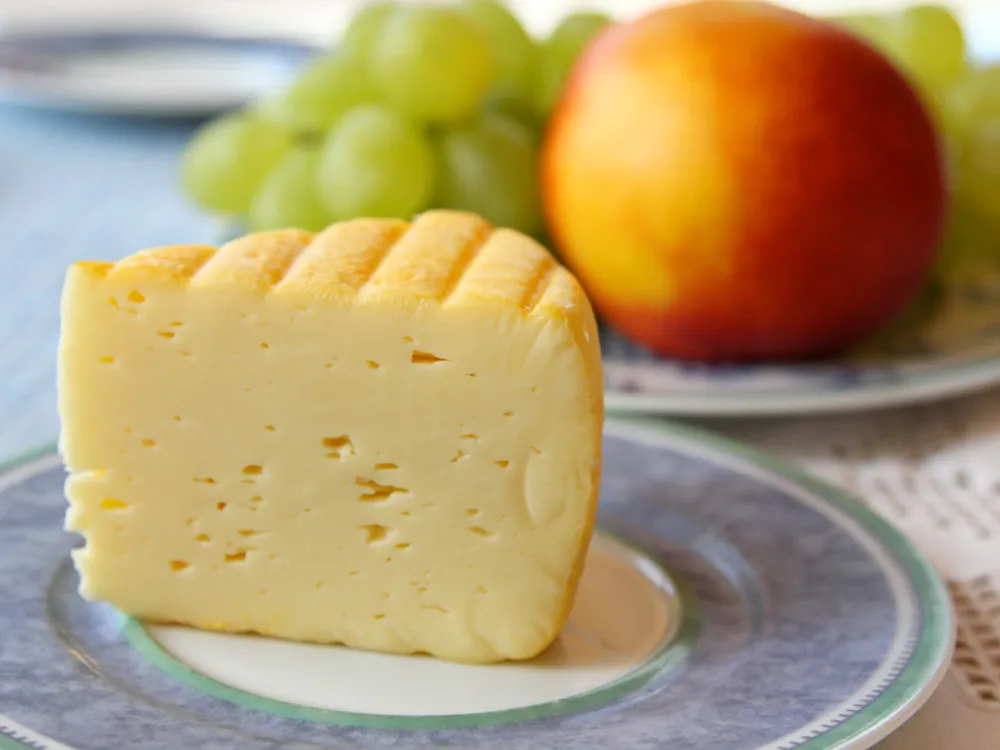
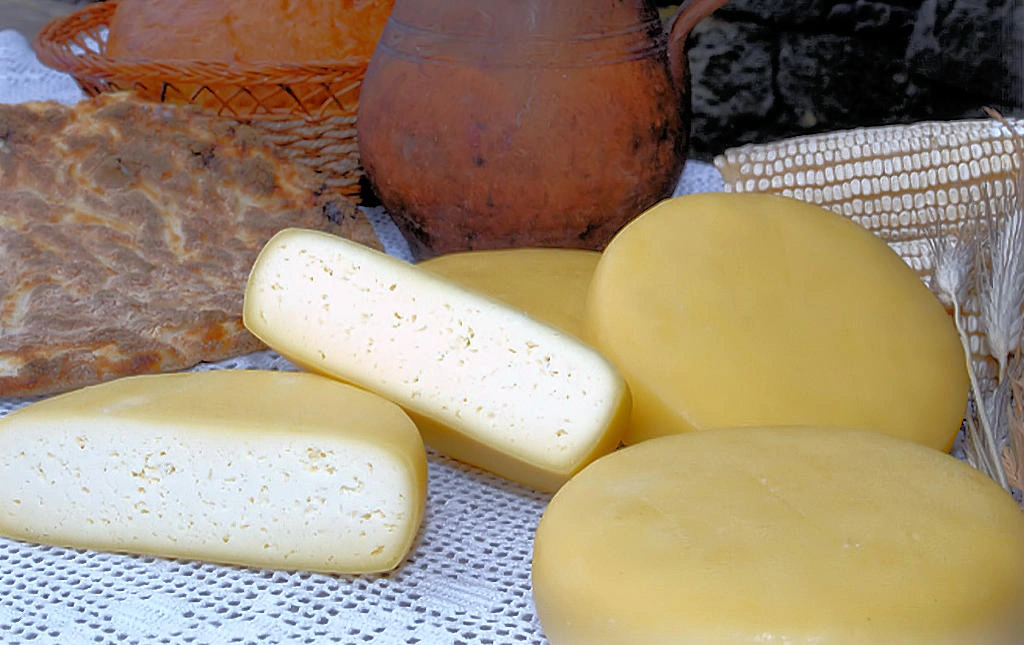
A semi-hard cow’s milk cheese originally developed in the town of Tilsit in East Prussia. Now produced in Germany, Switzerland, and other countries in related styles. It has a washed or natural rind, small irregular eyes, and a mild to savoury character depending on age.
Taste, aroma, and texture
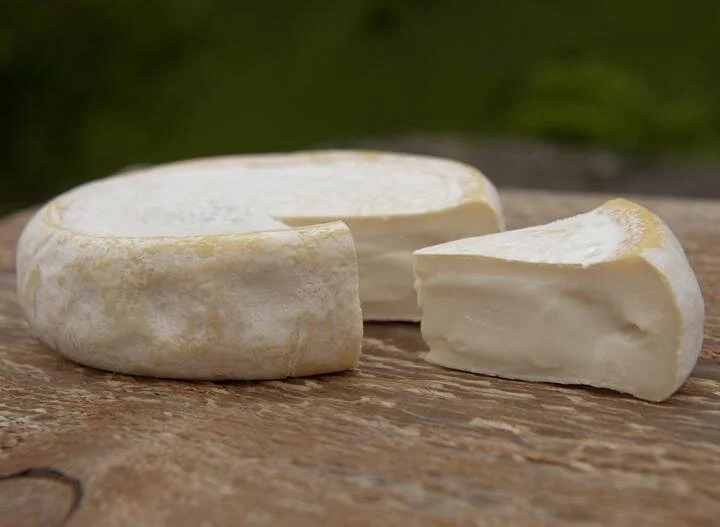
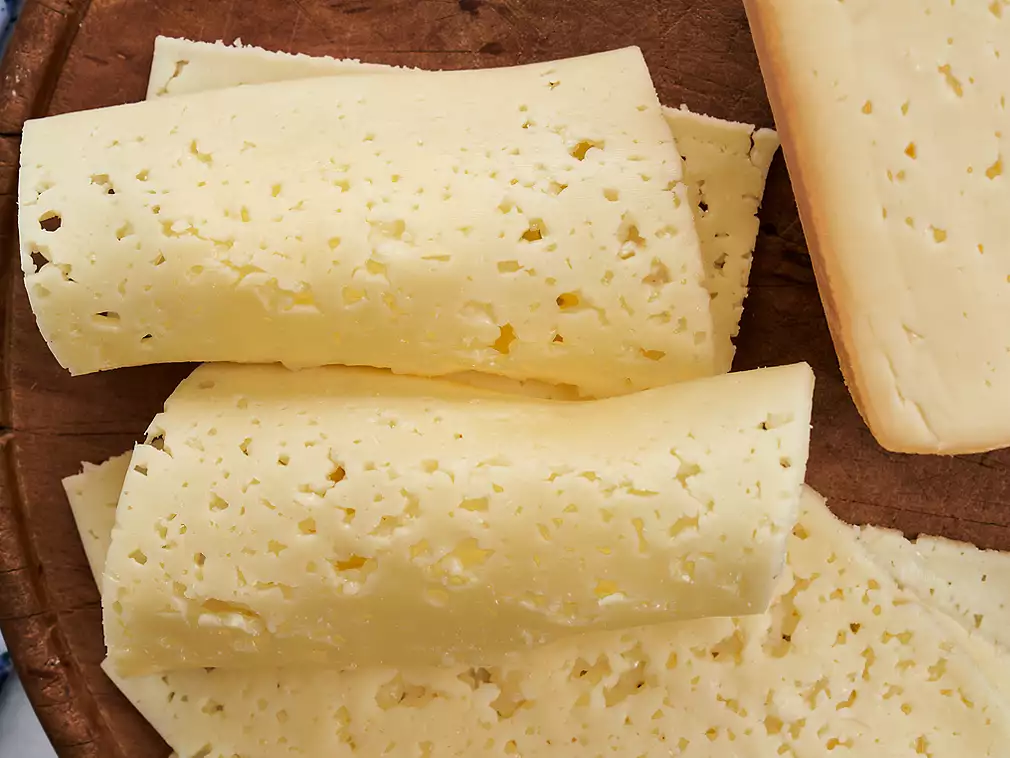
Semi-hard, smooth, and elastic with small, irregular eyes. Interior is pale yellow. Rind may be washed, reddish-brown, and slightly sticky, or drier depending on style. Slices cleanly and melts well.
Lactic notes lead, with animal and earthy notes clearly present. Fruity and herbal notes remain subtle. No smoky character. Moderately complex — more assertive than many alpine cheeses, but less intense than washed-rind styles.
Cheesepedia taste profile
The values below are the structured baseline in the Cheesepedia app. Your personal match is calculated separately from your own taste profile.
A general profile can describe Tilsiter, but it cannot know how closely the cheese fits your preferences. Cheesepedia Premium compares this profile with your personal taste profile and lets you evaluate cheeses side by side.
See your personal matchHow to enjoy it
- Sliced into sandwiches, toasties, or cheese boards.
- Melted into omelettes, gratins, or baked potatoes.
- Grated over soups, pasta, or roasted vegetables.
What pairs with Tilsiter?
Classic serving companions from the Cheesepedia catalog.
- Quince Paste (Membrillo)
- Floral Honey
- Walnuts
- Crusty Bread
- Dark Rye Bread
Find the right wine in Cheesepedia
Cheesepedia uses an expert-designed algorithm that compares the cheese's taste, intensity, and production profile with the wine's body, acidity, tannin, and sweetness. Wine pairings are not generated by AI.
See wine pairings for TilsiterStory and origin
Tilsiter was developed in the 19th century by cheesemakers in East Prussia, drawing on Dutch and Swiss techniques. The style spread through Central Europe and adapted to local milk and ripening traditions. German and Swiss versions developed separate identities over time.
Storage and serving
- Store in the fridge, wrapped or vacuum-packed.
- Air travel: suitable, especially if vacuum-packed.
Profile sources and methodology
This page uses the same curated record as the Cheesepedia mobile app. Production-style and designation references provide context; they do not imply endorsement of Cheesepedia.