What is Harzer Käse?
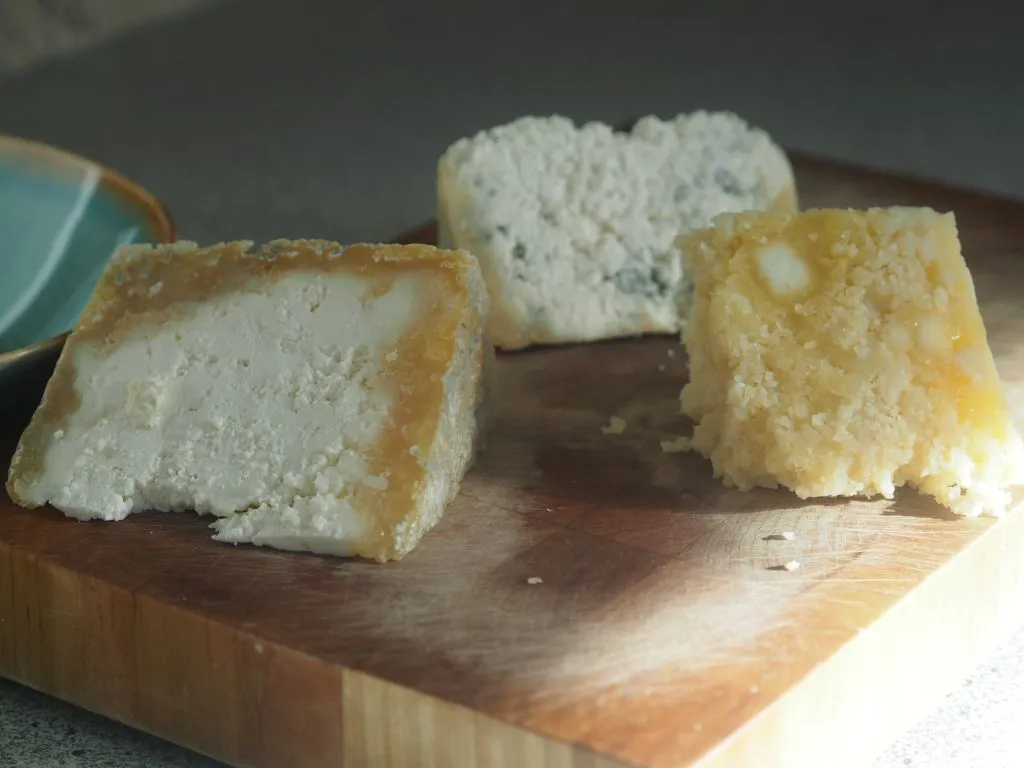
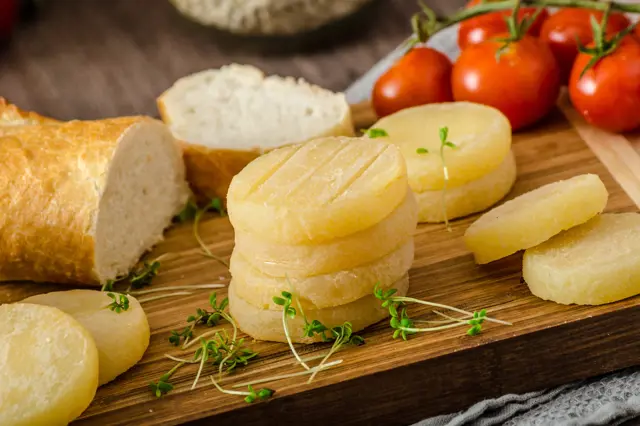
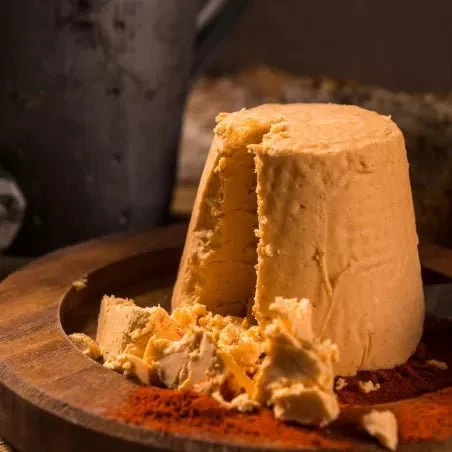
A German sour-milk cheese made from low-fat quark or acid-set milk protein. Very low in fat and high in protein. Usually sold as small cylinders or rolls, sometimes with caraway. Ripened with surface bacteria, it develops a strong smell and translucent interior as it matures.
Taste, aroma, and texture
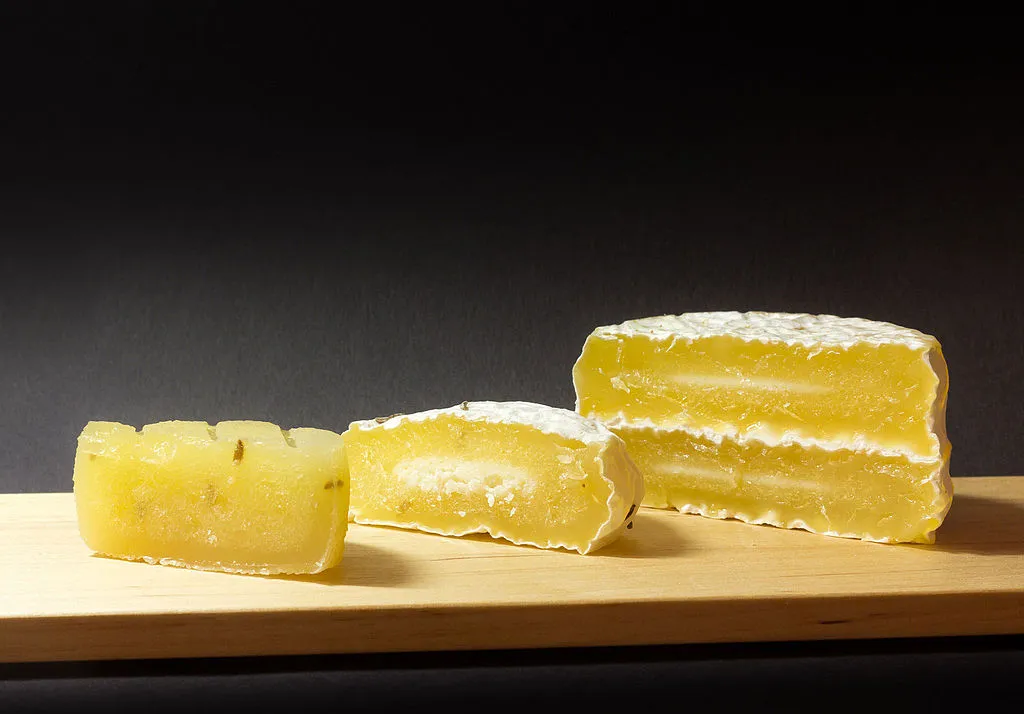
Firm and rubbery when young, becoming translucent, sticky, and softer as it ripens. Small cylindrical pieces. No true rind, but the surface becomes tacky from ripening. Interior may turn glassy with age.
Animal notes are dominant, with a strong, sharp barnyard character driven by the Brevibacterium linens smear. Lactic and earthy notes are clearly present. Fruity, herbal, and smoky notes are barely detectable.
Cheesepedia taste profile
The values below are the structured baseline in the Cheesepedia app. Your personal match is calculated separately from your own taste profile.
A general profile can describe Harzer Käse, but it cannot know how closely the cheese fits your preferences. Cheesepedia Premium compares this profile with your personal taste profile and lets you evaluate cheeses side by side.
See your personal matchHow to enjoy it
- Served with onions, vinegar, and bread.
- Sliced into cold appetiser plates.
- Used in light, high-protein snack plates.
What pairs with Harzer Käse?
Classic serving companions from the Cheesepedia catalog.
- Butter Cracker
- Grissini
- Lavash Chips
- Salted Cracker
- Mini Sesame Bagel
Find the right wine in Cheesepedia
Cheesepedia uses an expert-designed algorithm that compares the cheese's taste, intensity, and production profile with the wine's body, acidity, tannin, and sweetness. Wine pairings are not generated by AI.
See wine pairings for Harzer KäseStory and origin
Harzer Käse originated in the Harz region as an economical way to use skimmed milk after butter production. Its low fat and high protein content made it a practical food for rural households and workers. It remains one of Germany’s best-known sour-milk cheeses.
Storage and serving
- Store in the fridge, wrapped and kept in a separate container.
- Air travel: suitable only if well sealed and kept cold.
Profile sources and methodology
This page uses the same curated record as the Cheesepedia mobile app. Production-style and designation references provide context; they do not imply endorsement of Cheesepedia.