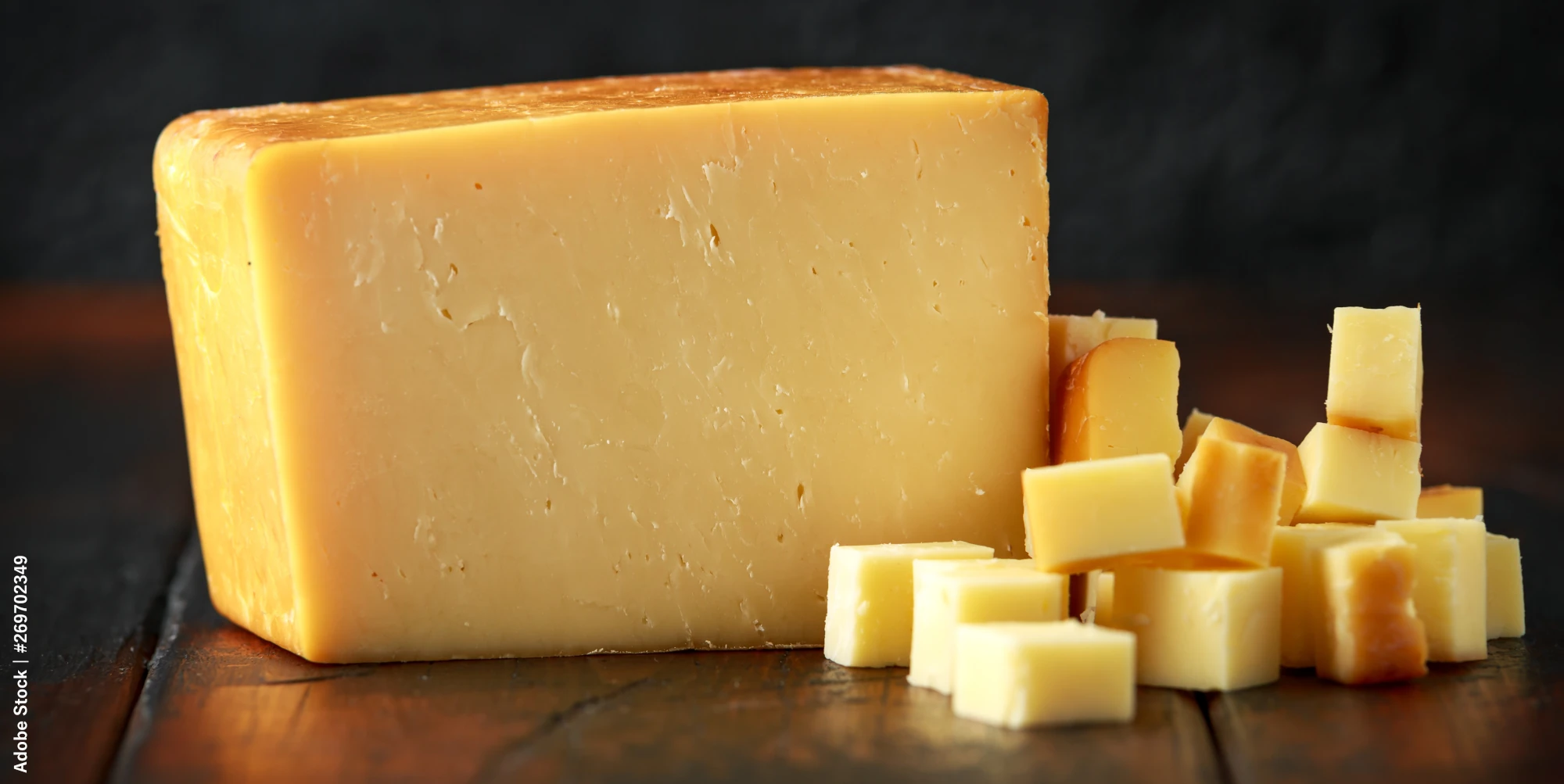
What is Rauchkäse?
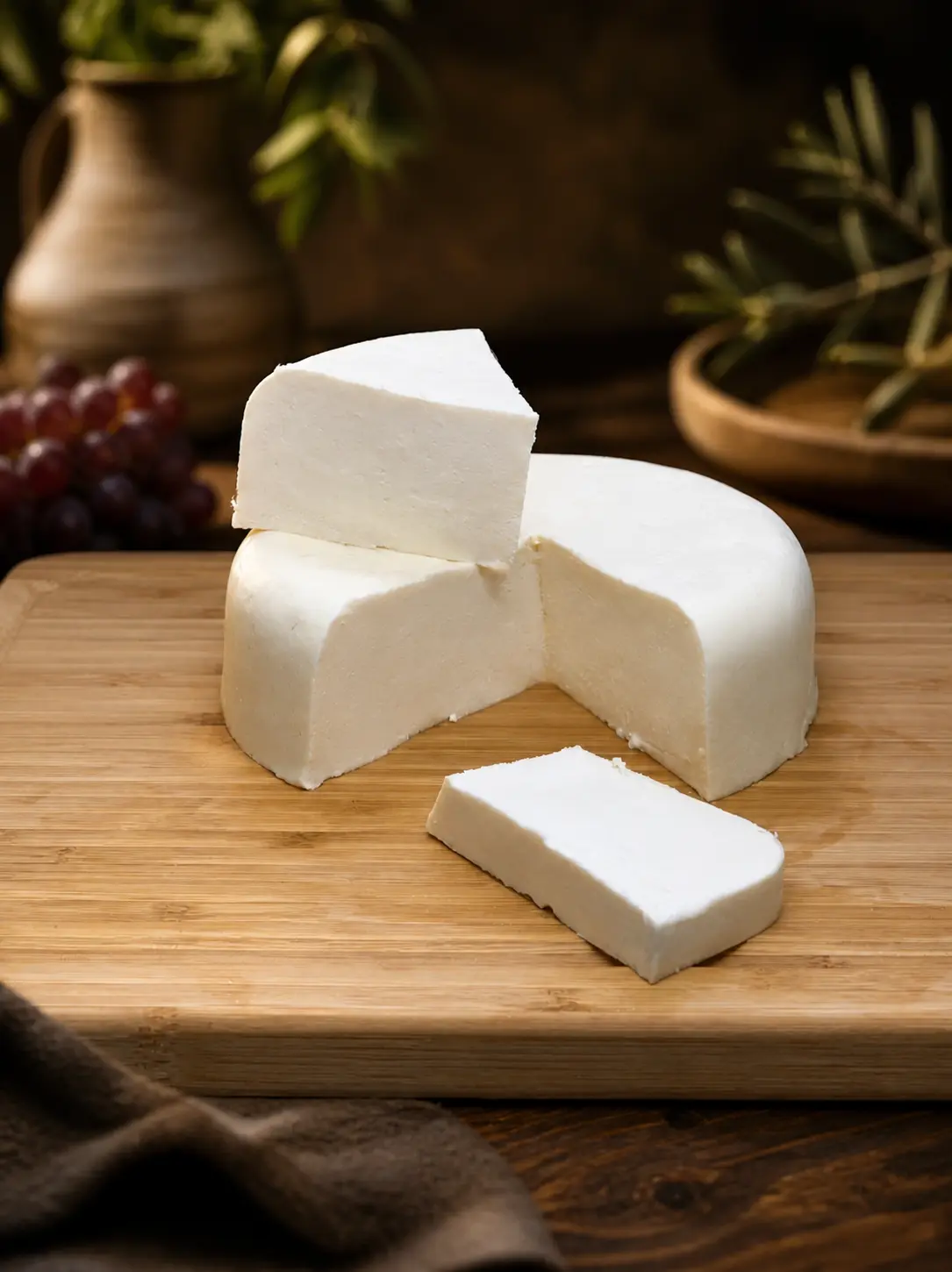
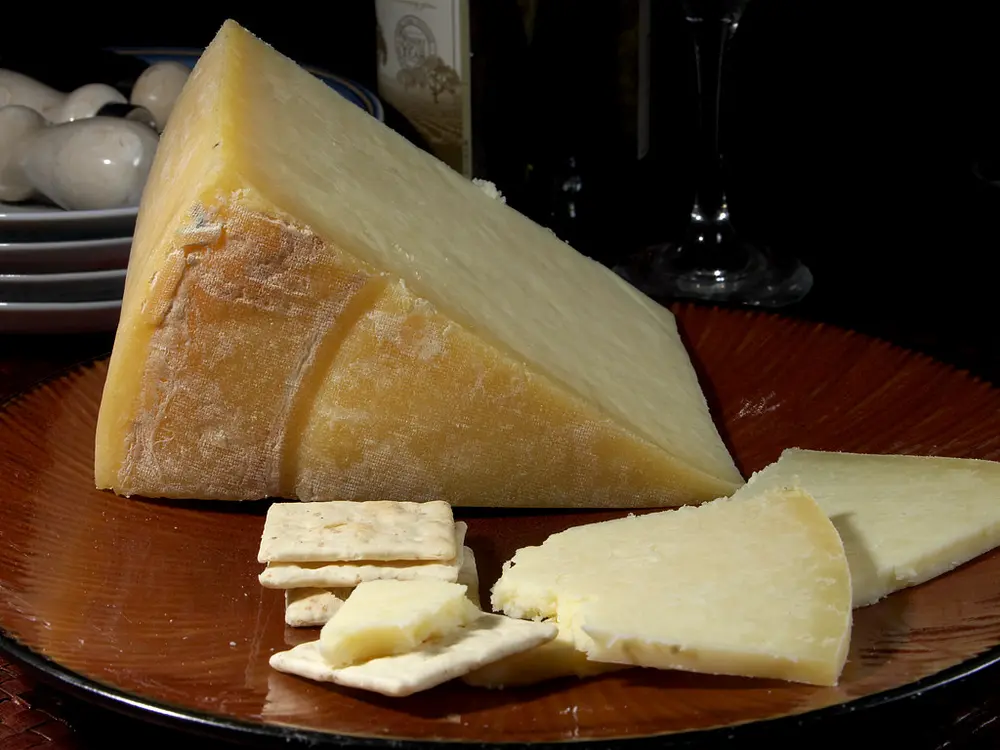
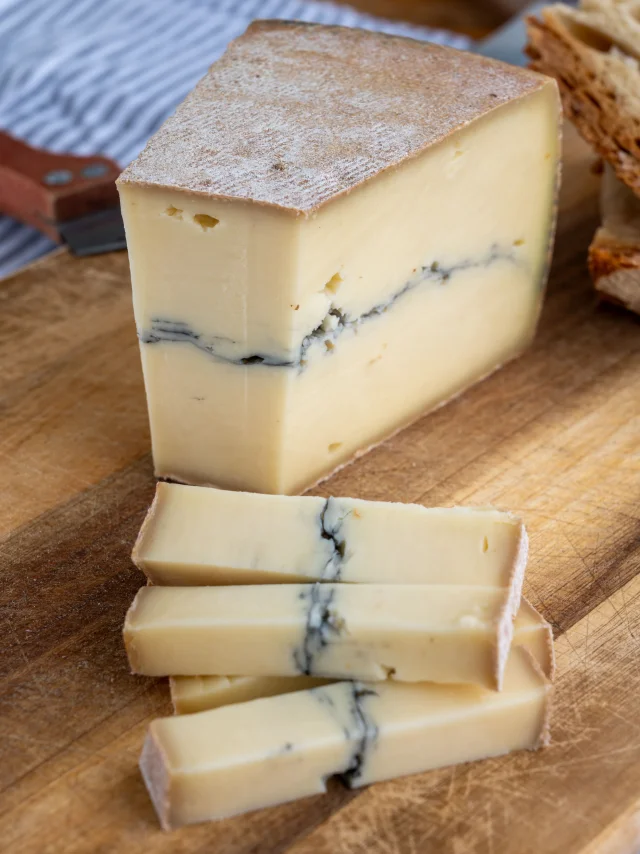
A German smoked cheese style, typically based on a semi-hard cow’s milk cheese such as Tilsiter or mountain cheese, and cold-smoked over beechwood. It is recognisable by its dark brown exterior and pale cream interior. Widely produced across Germany, it is especially associated with Bavaria and the Allgäu. Smoking enhances preservation, adds a distinctive woody depth, and results in a mild, accessible flavour profile.
Taste, aroma, and texture
Texture
Elastic, smooth, and supple. The dark smoked outer layer contrasts with the pale interior. Firm enough for clean slicing, yet pliable rather than brittle. Less prone to melting compared to unsmoked cheeses.
Aroma
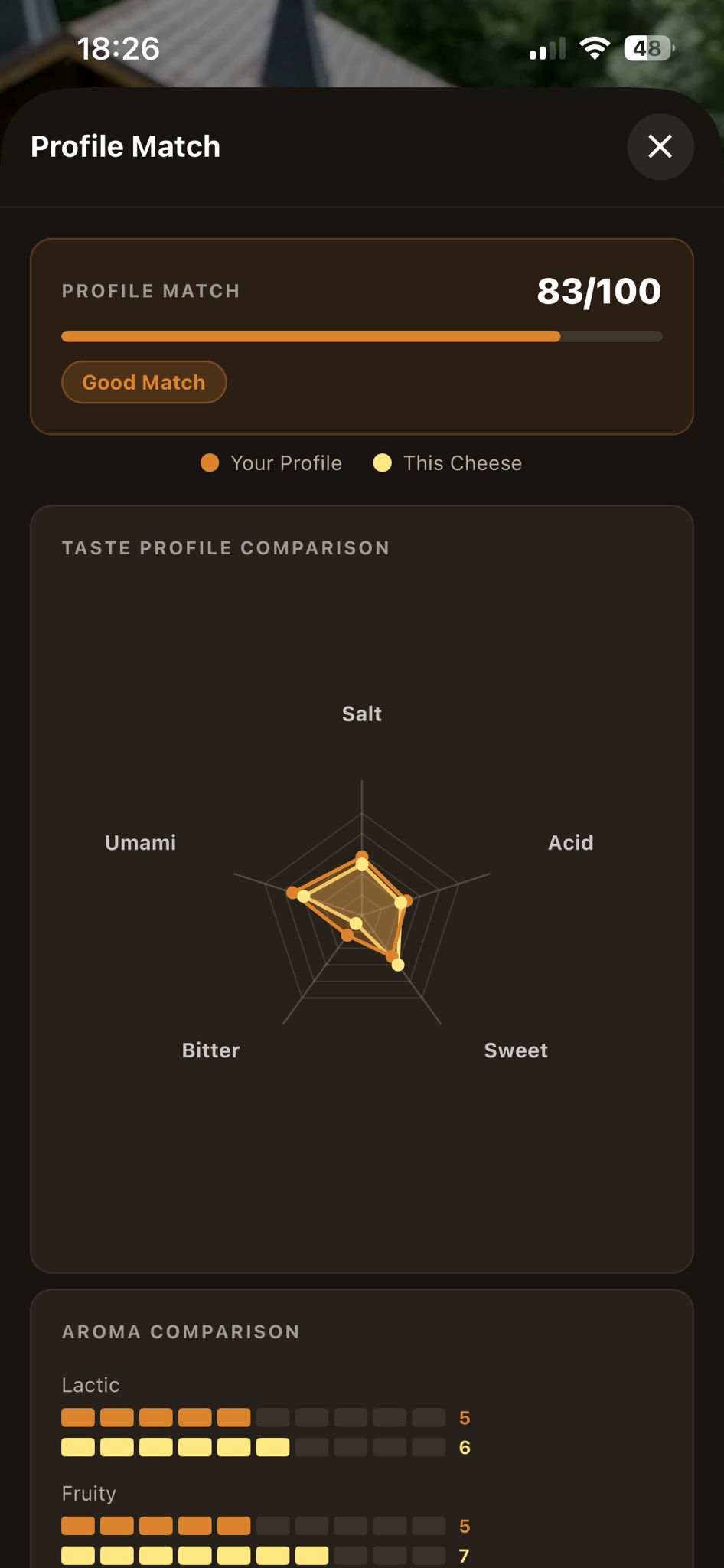
Smoky notes are fully dominant, with beechwood smoke defining the entire aromatic profile. Lactic notes sit underneath, while fruity, earthy, animal, and herbal nuances remain very faint to barely perceptible.
Cheesepedia taste profile
These values are the structured baseline in the Cheesepedia app. Your personal match is calculated separately from your own taste profile.
How to enjoy it
- 01
Sliced into sandwiches, burgers, or toasties.
- 02
Served with beer, pickles, and rye bread.
- 03
Melted over potatoes, sausages, or roasted vegetables.
- 04
Used to add smoky depth to gratins or baked dishes.
What pairs with Rauchkäse?
Classic serving companions from the Cheesepedia catalog.
- Walnuts
- Fresh Pears
- Oatcakes
- Light Flower Honey
- Dark Rye Bread
Story and origin
Smoking cheese as a preservation method has deep roots in Central Europe, particularly in Bavaria and Alpine regions. Beechwood smoking became a defining technique in German cheesemaking, closely linked to beer-garden culture and the tradition of Brotzeit. Today, it is produced by both industrial and artisanal makers across Germany.
Storage and serving
- Store in the fridge, tightly wrapped.
- Air travel: suitable if vacuum-packed or well sealed.
Profile sources and methodology
This page uses the same curated record as the Cheesepedia mobile app. Production-style and designation references provide context; they do not imply endorsement of Cheesepedia.