Which cheeses is Switzerland famous for?
Le Gruyère, Emmentaler, Raclette du Valais, Appenzeller and Tête de Moine are among the best-known Swiss cheeses. Add L'Etivaz, Sbrinz, Vacherin Fribourgeois and Schabziger and you get a wide range, from hard mountain cheese and melting culture to very mature grating wheels and the Jura cheese served in rosettes.
Switzerland Tourism's cheese routes and show dairies treat the production area as part of the cheese experience. Still, do not confuse a tourist presentation with the specification of a particular AOP product; always check the full name and maturity on the label.
A cheese map of Switzerland
A Swiss route can be read through cantons and mountain belts. The diagram below is not a transport map; it shows which cheese families belong together from west to east.
Gruyère · Vacherin Fribourgeois · L'Etivaz · Raclette
Emmentaler · Sbrinz
Appenzeller · Schabziger
Tête de Moine
Show dairies and Alpine cheese trails make the production context easier to see.
Check the season, booking and walking conditions in advance.The 9 Swiss cheeses in Cheesepedia
This is not a “best cheeses” ranking. It shows the cheeses in the app database with their milk, texture, intensity and production area. Each card opens the full profile; when you compare styles, keep in mind that producer, age and storage can all change the experience.
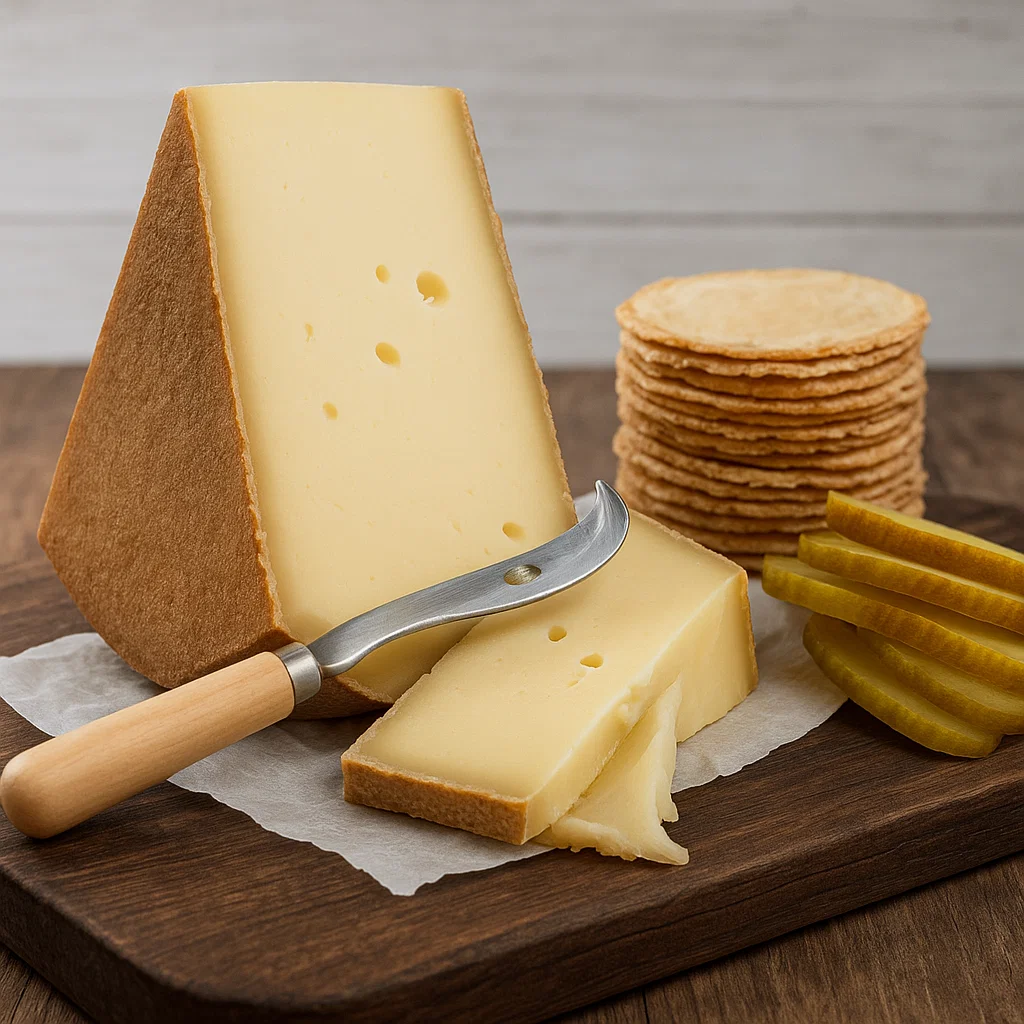 AppenzellerAppenzellCow · Hard · bold
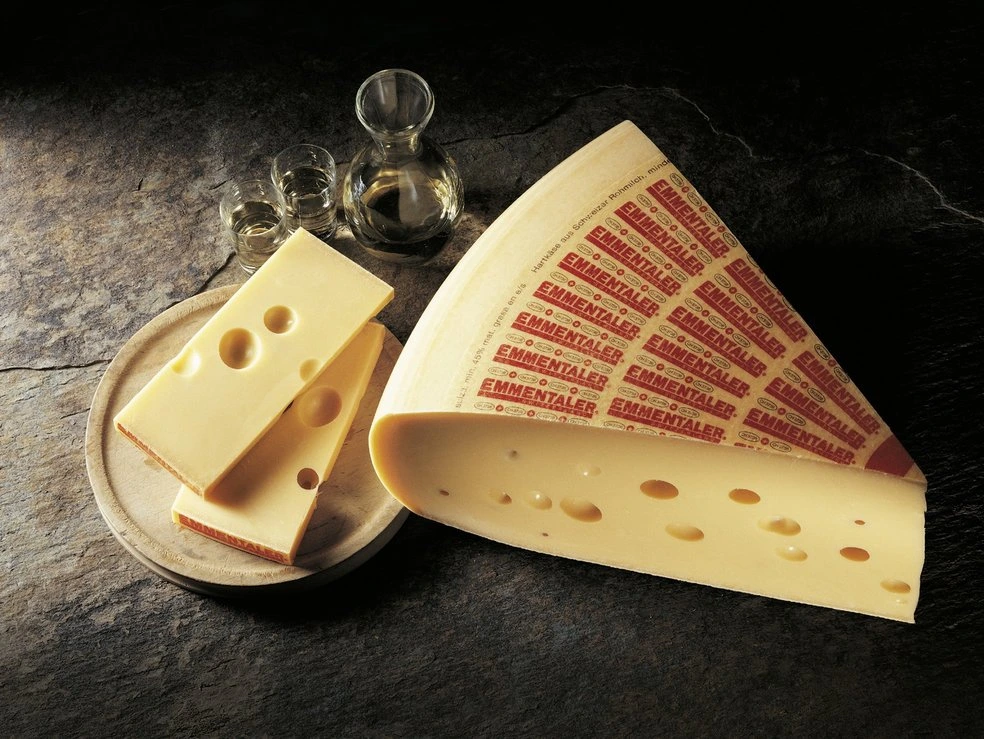 EmmentalerBernCow · Hard · gentle
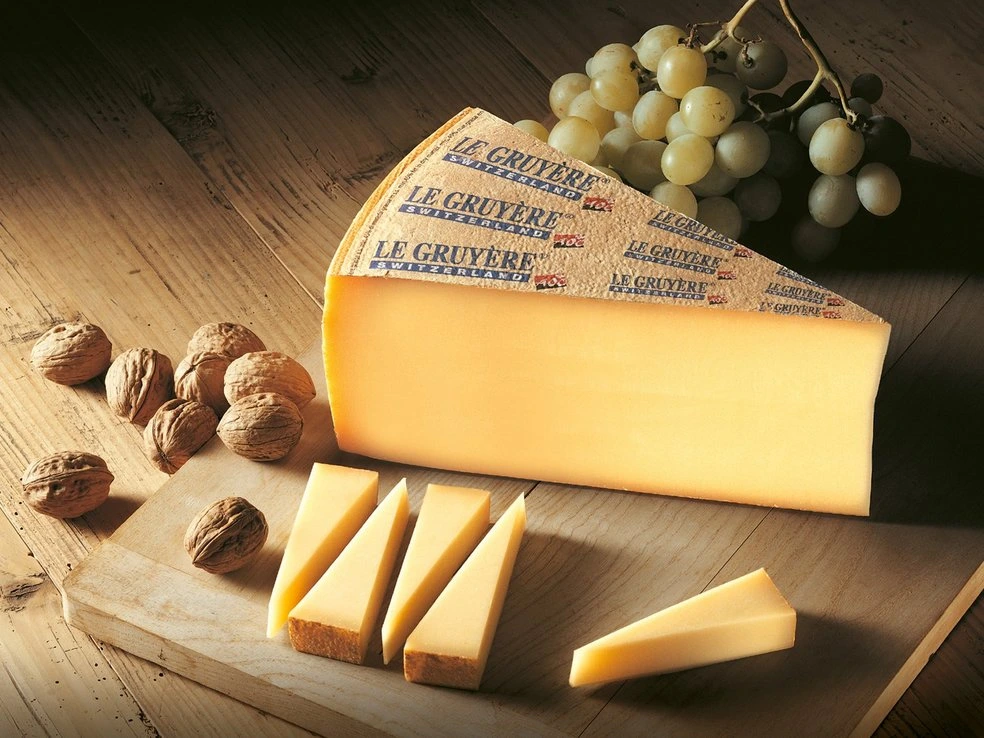 GruyèreFribourgCow · Hard · medium
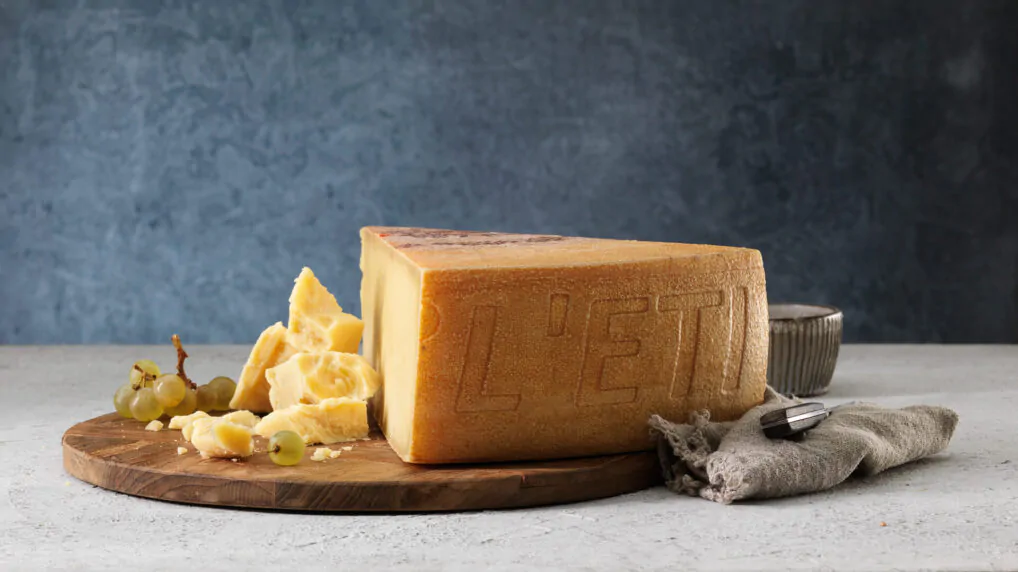 L'EtivazVaud AlpsCow · Hard · bold
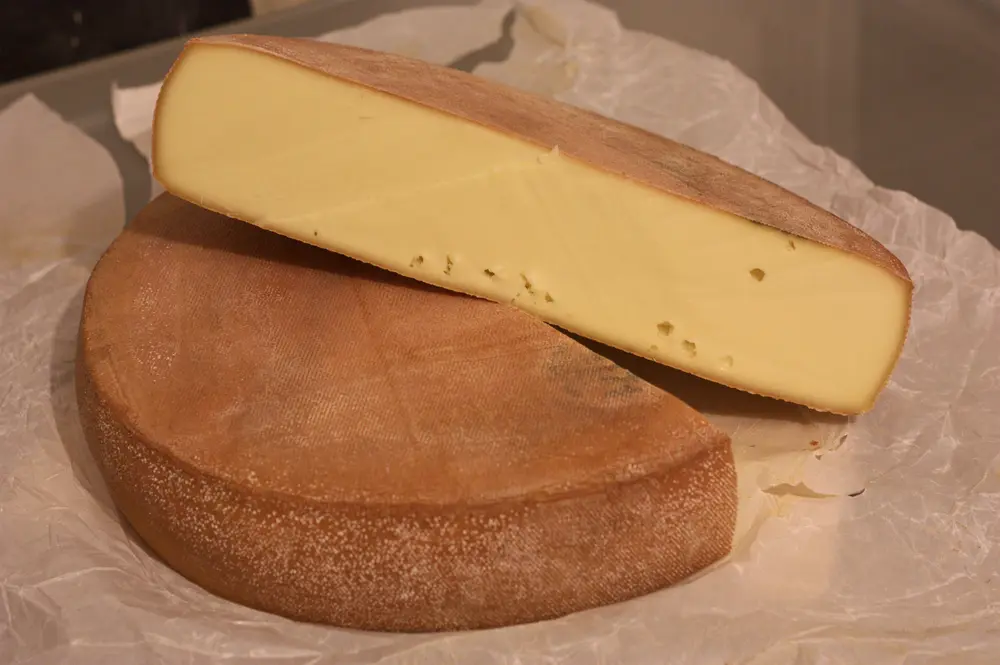 RacletteValaisCow · Semi-hard · medium
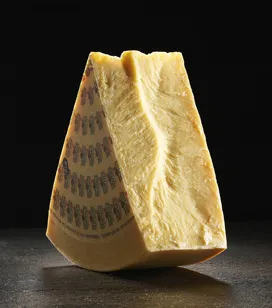 SbrinzCentral SwitzerlandCow · Hard · bold
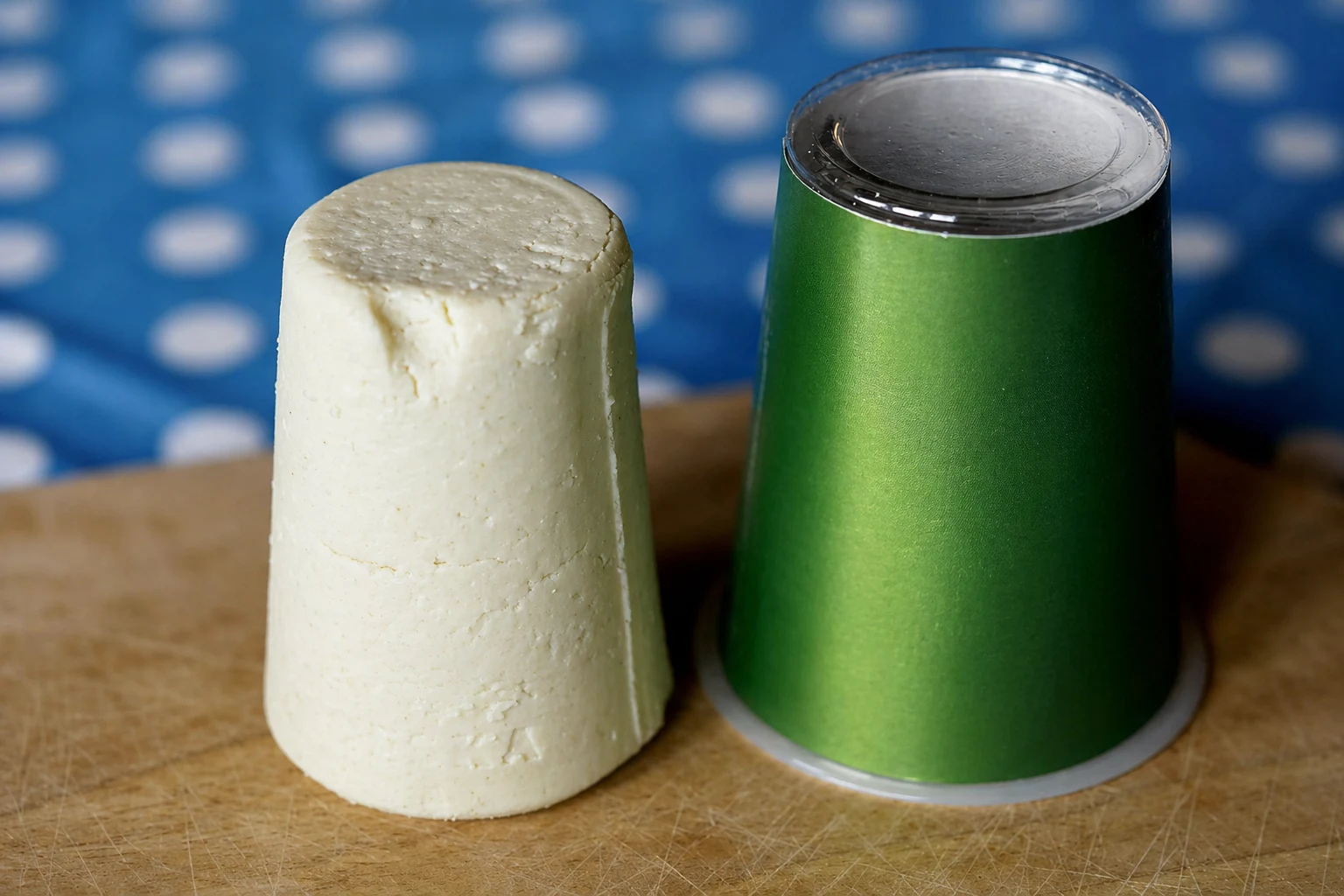 Schabziger (Sapsago)GlarusCow · Hard · bold
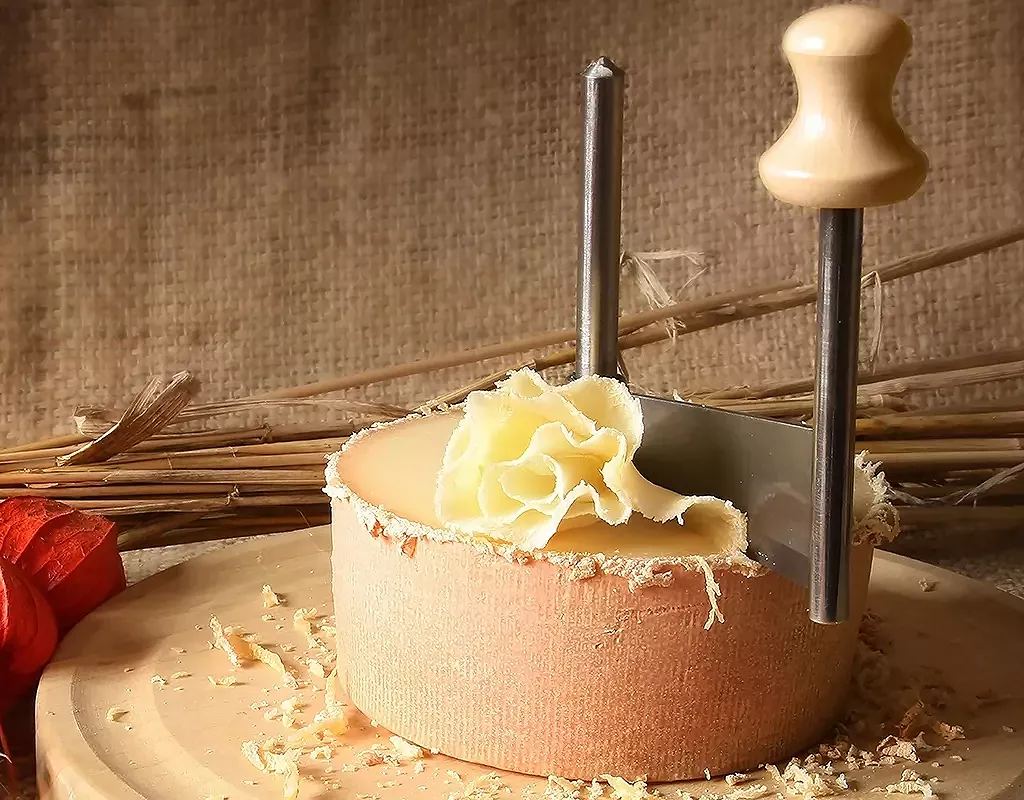 Tête de MoineJuraCow · Hard · bold
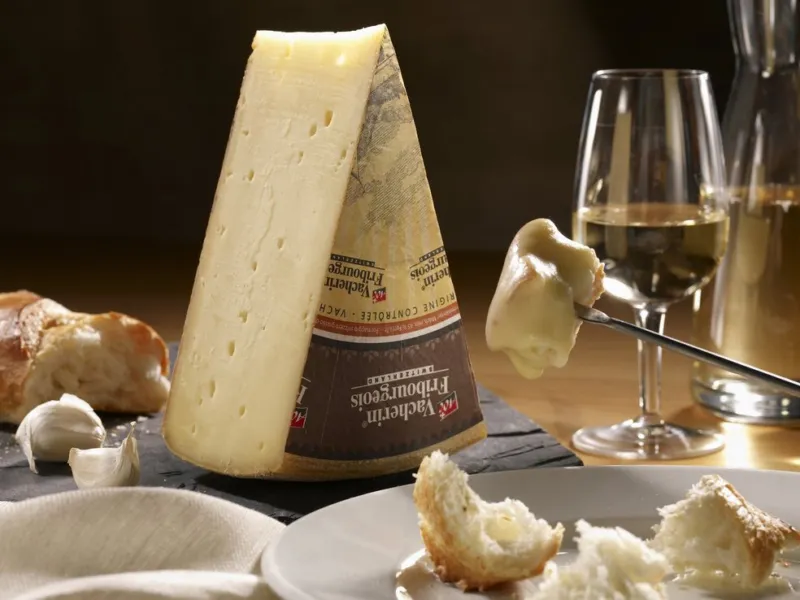 Vacherin FribourgeoisFribourgCow · Semi-soft · medium
How to build a cheese tasting route in Switzerland
1. Gruyères, Fribourg and Vaud
Show dairies such as La Maison du Gruyère offer the chance to compare different stages of maturity. Extending the route towards Vacherin Fribourgeois and L'Etivaz shows differences in hardness and scale of production within the same broad region.
2. Emmental and central Switzerland
Do not squeeze Emmentaler and Sbrinz into the same “hard Swiss cheese” class. Sbrinz stands apart with longer maturity and different ways of serving; Emmentaler offers another experience through its texture and eyes.
3. Appenzell and Glarus
The spicy character of Appenzeller and the herbal, intense profile of Schabziger make eastern Switzerland a separate tasting focus. Schabziger is often better used in cooking or as an accompaniment than eaten in large portions.
4. The Jura and Tête de Moine
Tête de Moine stands out not only for its flavour but because it is served in rosettes shaved with a girolle. It is a good example for noticing how the way a cheese is cut changes how you perceive its aroma.
Where to start, based on your palate
Gruyère and L'Etivaz are good starting points if you want a firm texture and layered aroma.
Raclette and Vacherin Fribourgeois suit anyone who wants to explore hot dishes and fondue culture.
Appenzeller, Sbrinz and Schabziger offer more pronounced, lasting profiles.
Tête de Moine, shaved into thin rosettes, lets you experience aroma and texture differently.
With Swiss cheeses, maturity matters as much as the AOP name. Comparing different ages of the same Gruyère or Sbrinz can teach you more than tasting many cheeses across the country in a hurry.
What to drink with Swiss cheeses
With Raclette and fondue, look not only at traditional regional matches but also at acidity against the richness of melted cheese. With very mature Sbrinz or Gruyère, body and aromatic length matter more; with the more delicate Emmentaler, avoiding overpowering drinks keeps things in balance.
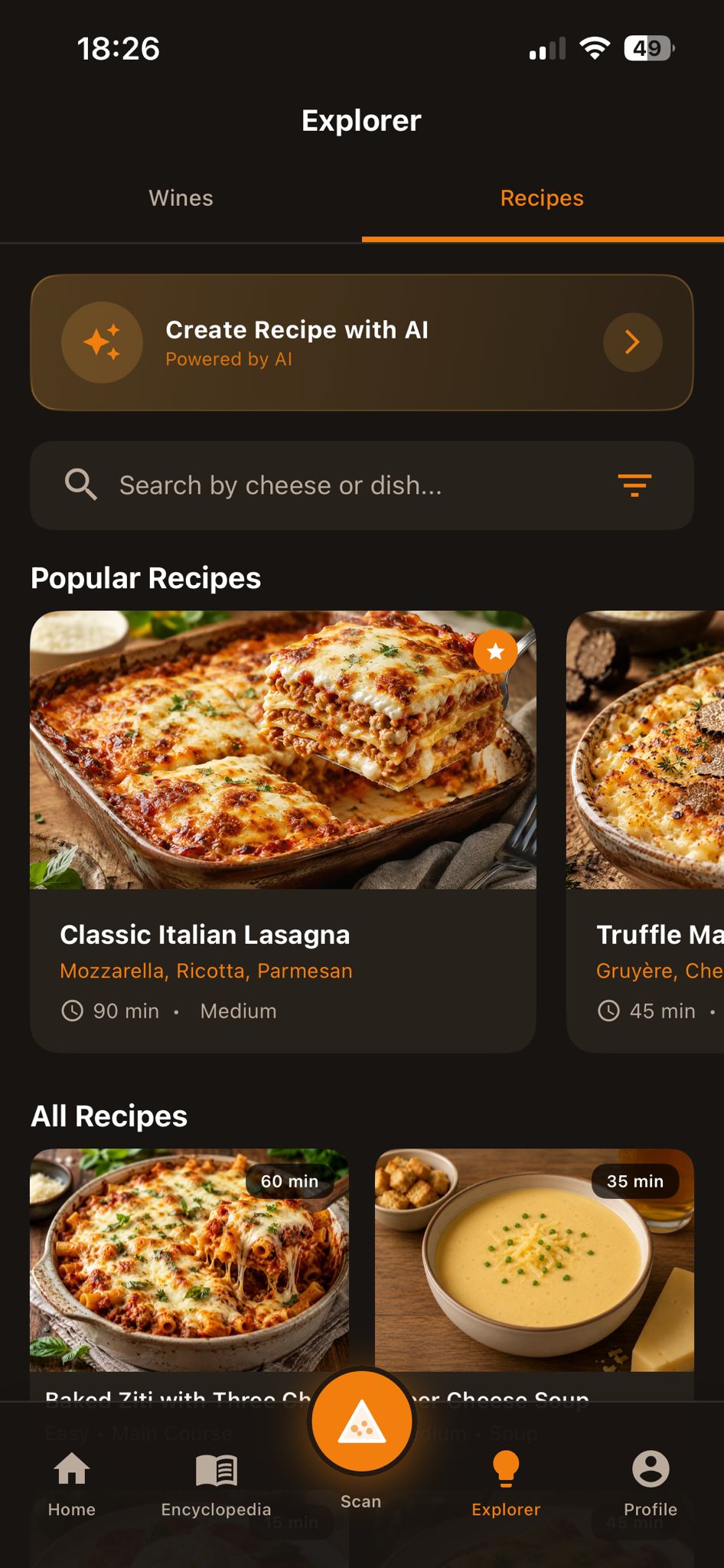
In Cheesepedia, AI helps read the wine label and the likely wine profile. The cheese results are not written by a generative guess: the estimated wine profile is run through an expert-designed pairing engine against the existing cheese database. That gives you a more consistent starting selection for the bottle in your hand and your own palate.
Planning a cheese-focused trip
- Check show-dairy times. Production demonstrations may only run at certain times of day.
- Allow for the season on mountain routes. Alpine trails and dairies may not be open the same way all year.
- Taste maturities side by side. Different ages of the same cheese show your preferences more clearly.
- Do not underestimate travel time between cantons. A small country does not mean every leg is short.
Frequently asked questions
What is Switzerland's most famous cheese?
Gruyère and Emmentaler are among the best-known names worldwide. Raclette, Appenzeller, Tête de Moine and Sbrinz represent other Swiss cheese traditions.
Do all Swiss cheeses have holes?
No. Large eyes are associated mainly with Emmentaler. Gruyère, Sbrinz, Raclette and many other Swiss cheeses do not look like this.
Can I see cheese being made in Switzerland?
Many regions have show dairies and cheese trails. Check current production times, the season and booking conditions with the dairy itself.
Can I compare Swiss cheeses in the app?
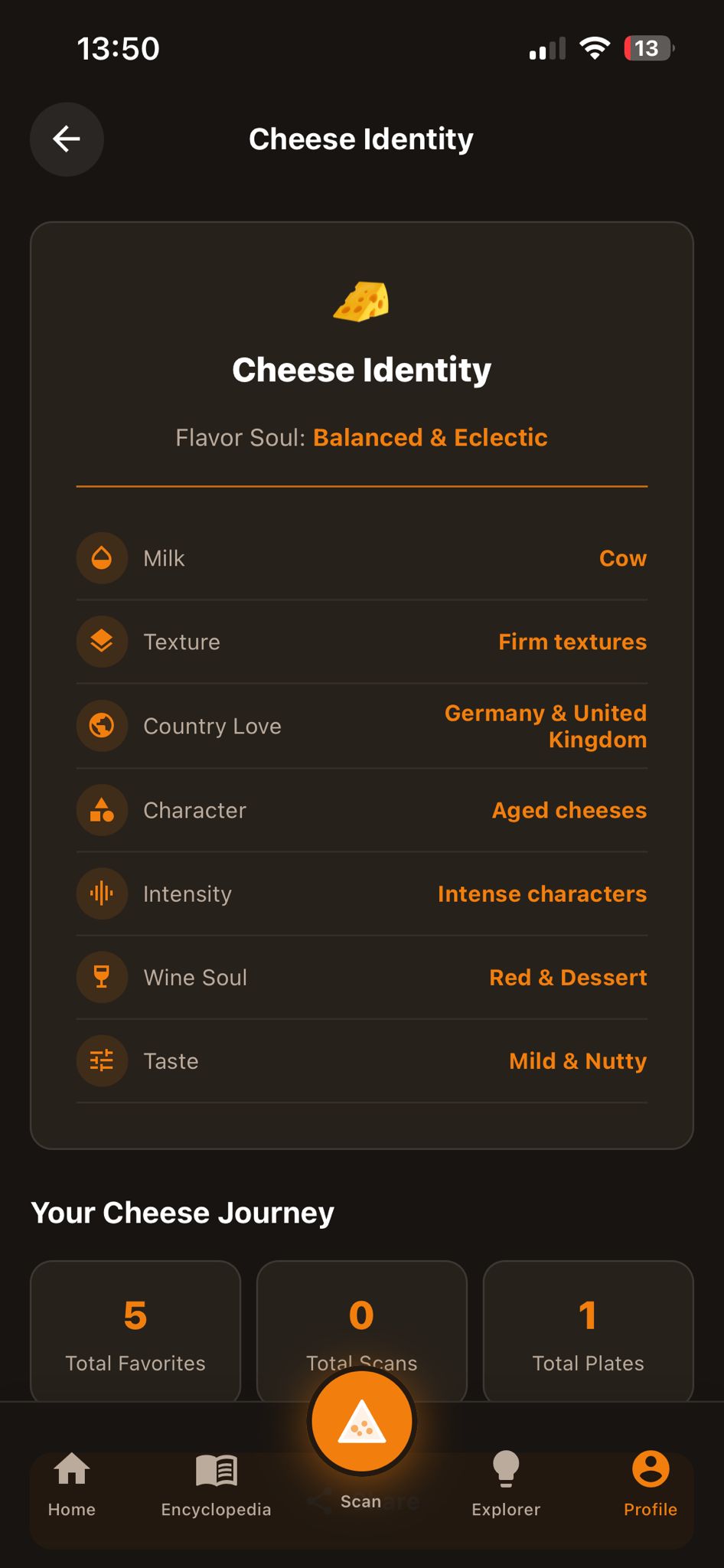
Yes. In Cheesepedia you can compare texture, intensity, milk and taste and see which cheeses sit close to your personal profile.
Sources and further reading
This guide is Cheesepedia's original interpretation of the references below. Listing a source does not imply that the organization endorses Cheesepedia.