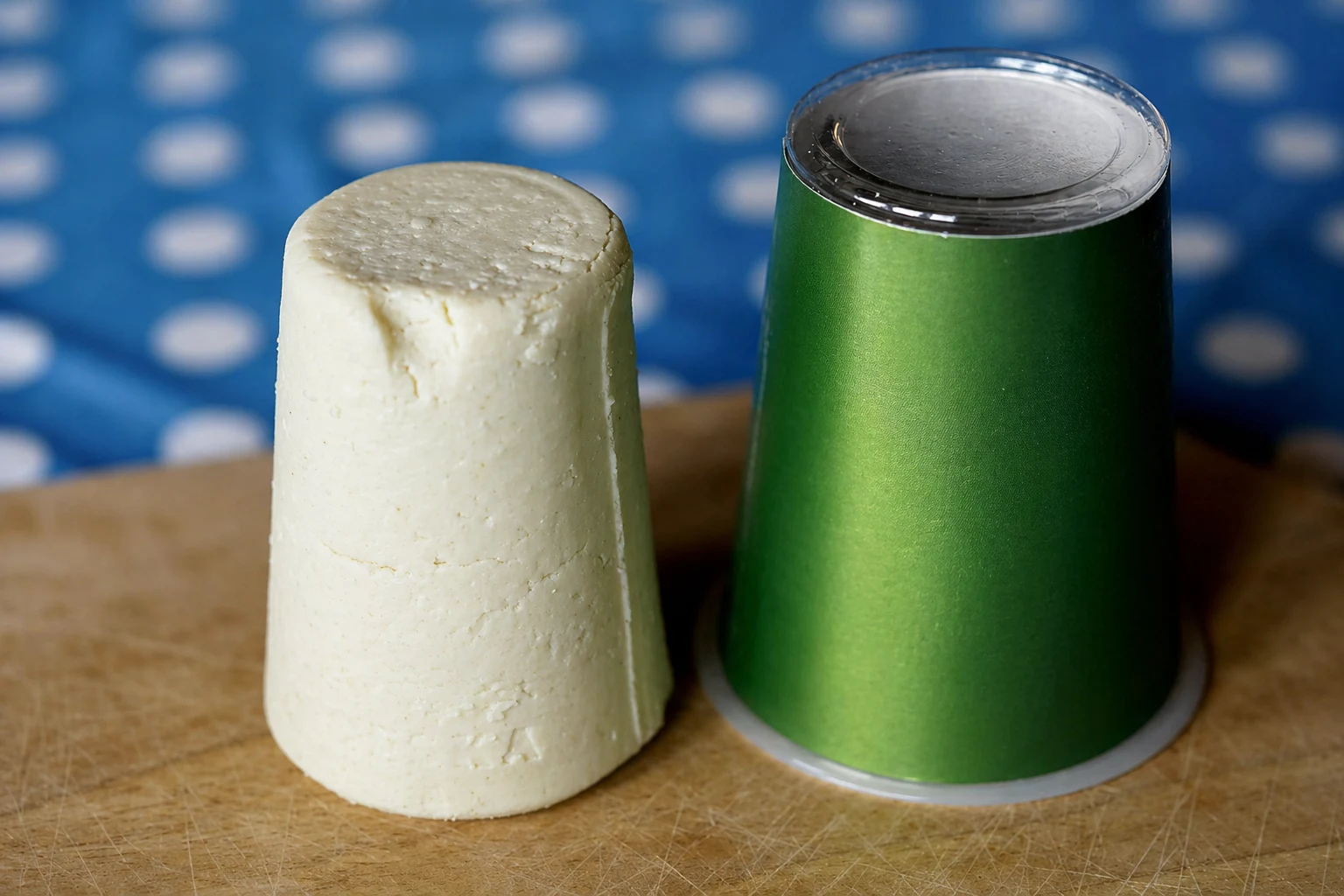
What is Schabziger (Sapsago)?
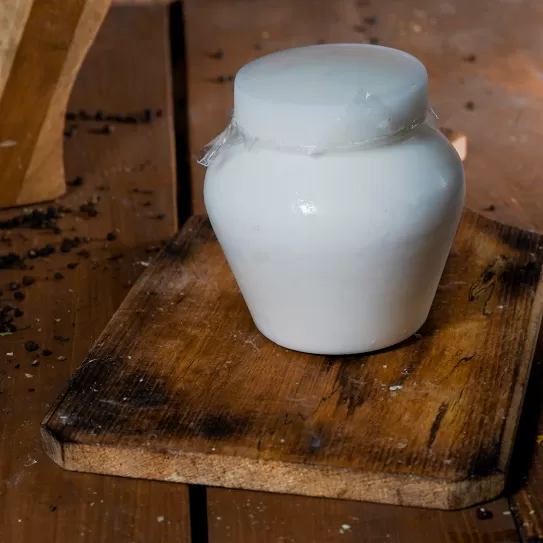
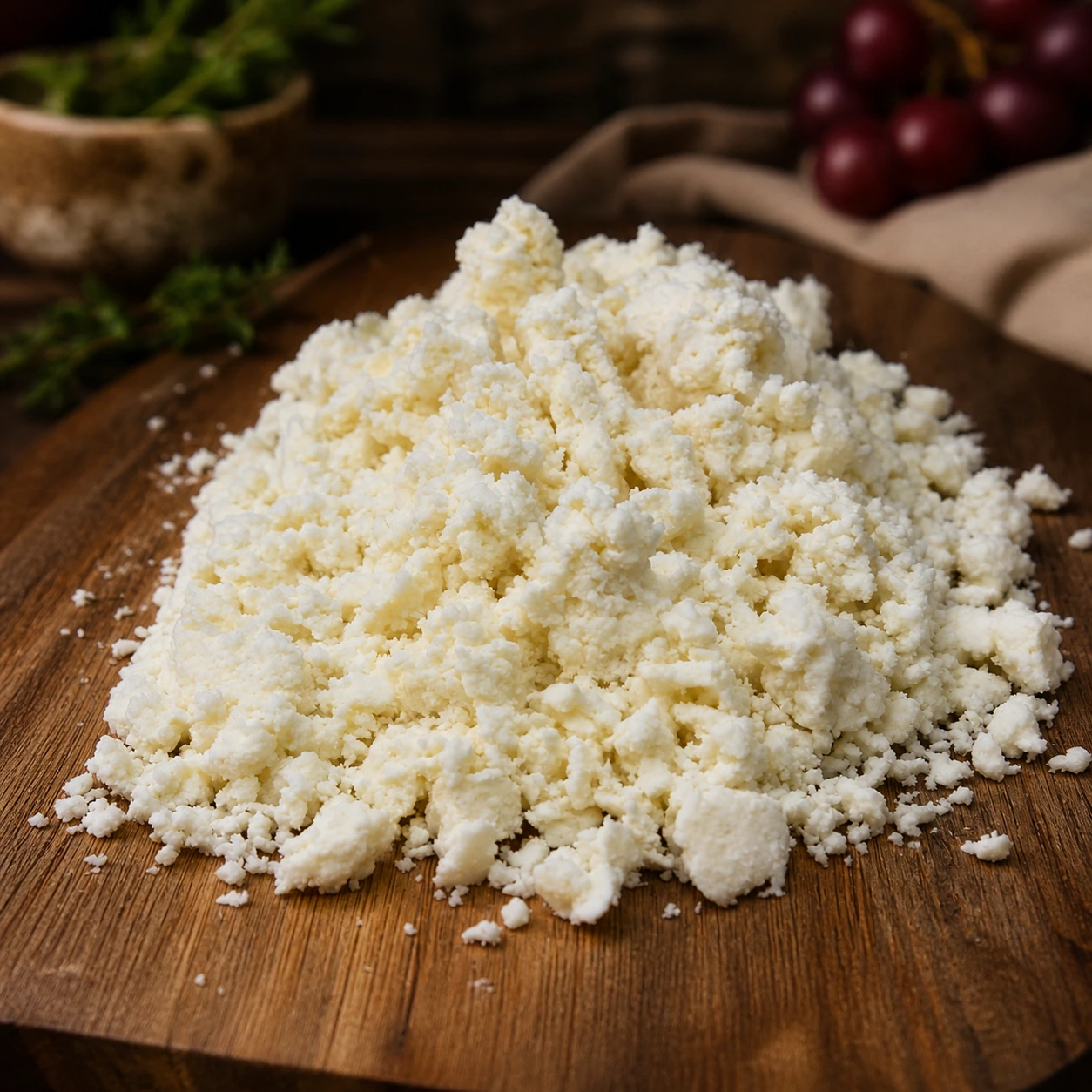
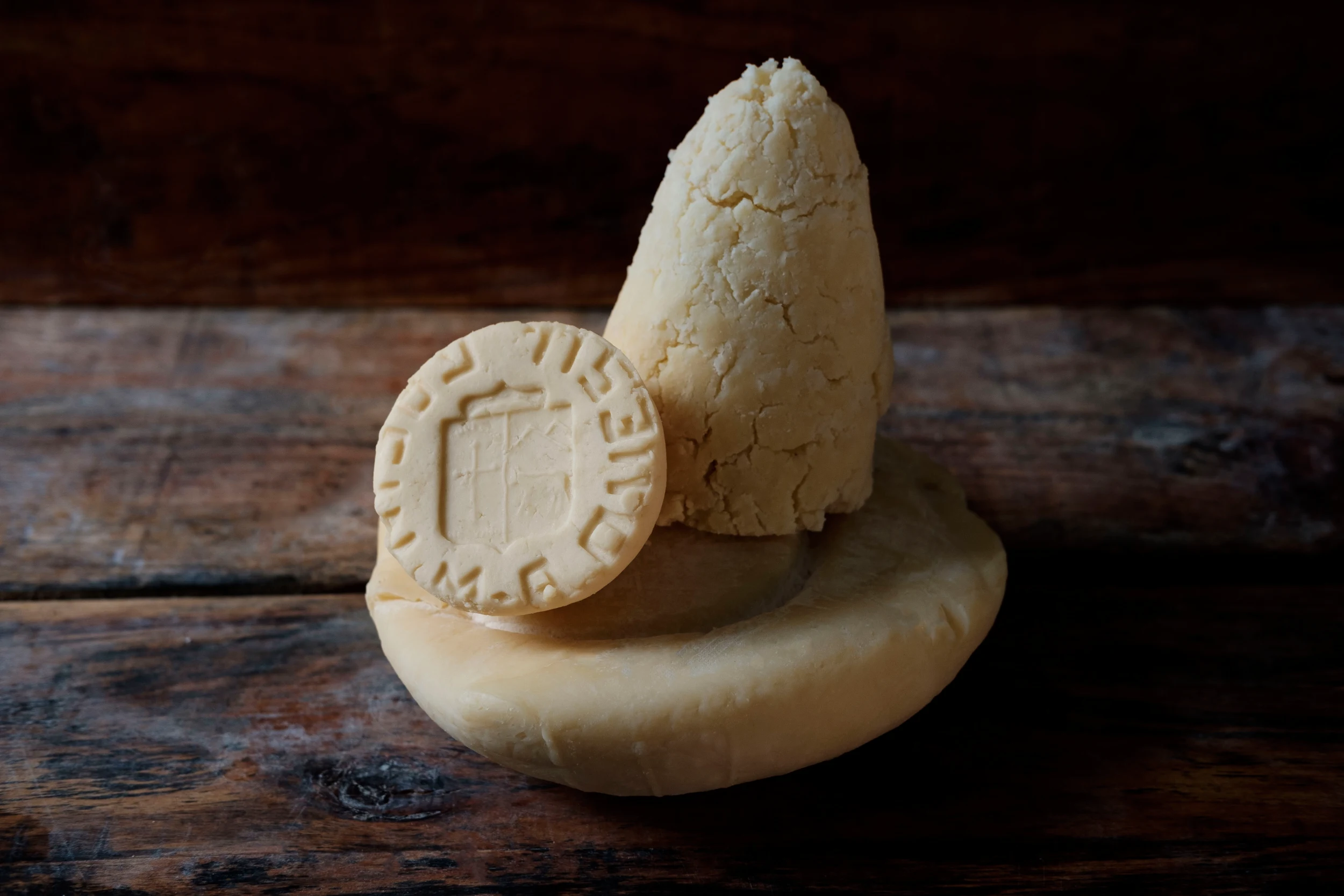
An extra-hard, fat-free cheese produced exclusively in the canton of Glarus from skimmed cow’s milk blended with powdered blue fenugreek (Trigonella caerulea). This alpine herb gives the cheese its distinctive pale green colour and intense herbal flavour. Formed into a small truncated cone (Zigerstöckli) and dried for 2–6 months. Used primarily grated or mixed with butter as Zigerbutter.
Taste, aroma, and texture
Rock-hard and dry. Never sliced — always grated. Distinctive truncated cone shape. Pale green throughout with a matte, powdery surface.
Herbal notes are completely dominant, with blue fenugreek defining the entire aromatic profile. All other dimensions are barely perceptible. Unique and unmistakable.
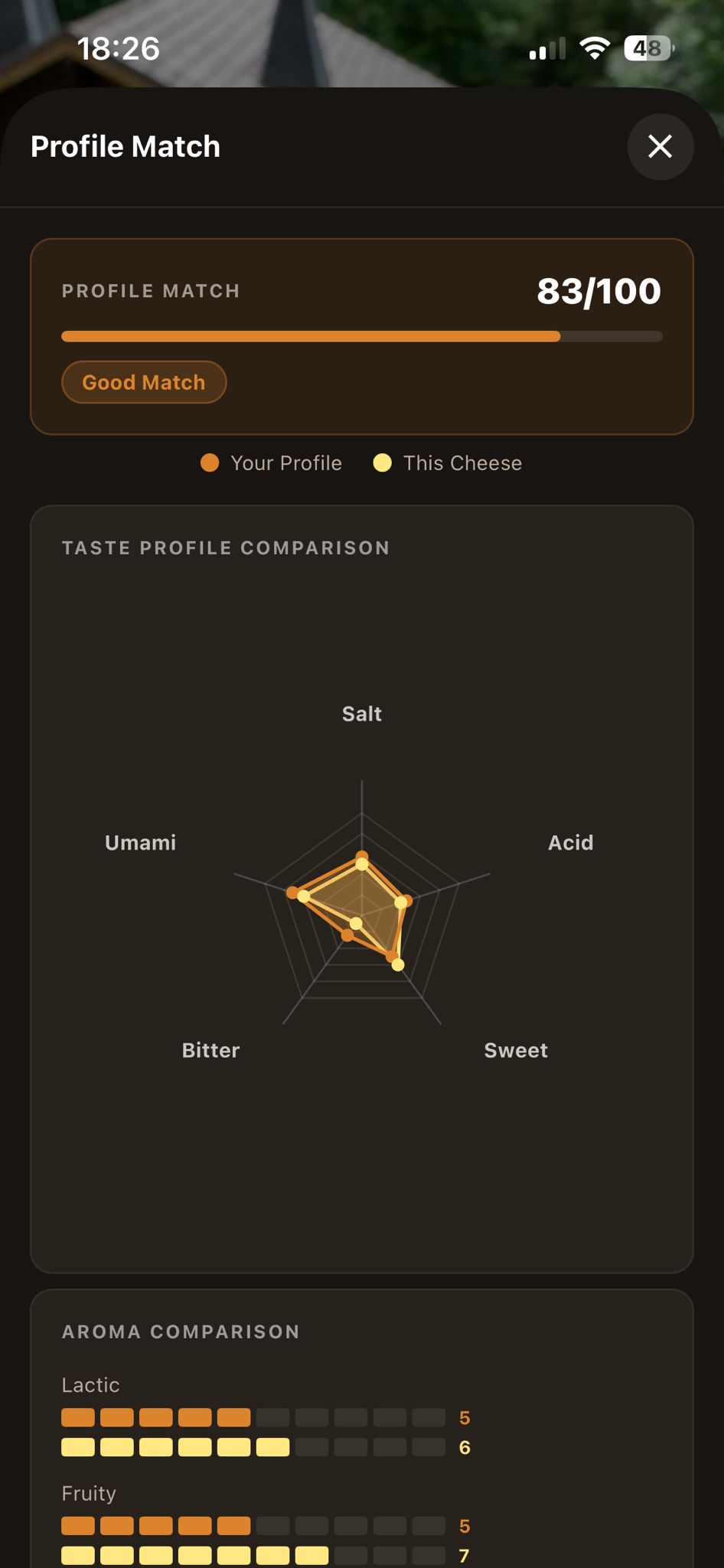
Cheesepedia taste profile
The values below are the structured baseline in the Cheesepedia app. Your personal match is calculated separately from your own taste profile.
A general profile can describe Schabziger (Sapsago), but it cannot know how closely the cheese fits your preferences. Cheesepedia Premium compares this profile with your personal taste profile and lets you evaluate cheeses side by side.
See your personal matchHow to enjoy it
- Grated over pasta, potatoes, or soups.
- Mixed with butter to make Zigerbutter.
- Used sparingly to add strong herbal flavour to sauces.
- Sprinkled over salads or egg dishes.
What pairs with Schabziger (Sapsago)?
Classic serving companions from the Cheesepedia catalog.
- Cranberry Jam (The traditional pairing)
- Cold Polish Vodka
- Grilled Bacon
- Dark Grain Bread
- Whole Wheat Cracker
Find the right wine in Cheesepedia
Cheesepedia uses an expert-designed algorithm that compares the cheese's taste, intensity, and production profile with the wine's body, acidity, tannin, and sweetness. Wine pairings are not generated by AI.
See wine pairings for Schabziger (Sapsago)Story and origin
Documented as early as 1429 in Zürich markets. Its production was formally regulated in 1463 by the Glarner Landsgemeinde, requiring origin stamping — making it one of the earliest protected and labelled food products. Today, it is produced exclusively by a single cooperative, Geska.
Storage and serving
- Store in the fridge, wrapped in cheese paper.
- Air travel: suitable only for short trips if sealed and kept cold.
Profile sources and methodology
This page uses the same curated record as the Cheesepedia mobile app. Production-style and designation references provide context; they do not imply endorsement of Cheesepedia.