Which cheeses are the Netherlands famous for?
Gouda and Edam are the best-known Dutch cheese names. Young Gouda can be soft, milky and supple; long ageing takes it towards a firmer, denser, crystalline structure. Edam usually offers a lighter start with an even texture. Leyden stands apart with cumin, and Kanterkaas, in the Frisian tradition, with spices such as clove and cumin.
The official Dutch tourism portal describes the historic cheese markets of Gouda, Edam and Alkmaar as part of the country's cheese heritage. The markets are a cultural experience; rather than assuming every product you buy was made in that town, check the producer and origin on the label.
A cheese map of the Netherlands
Distances in the Netherlands are short, but cheese names can mean different things for a market town, a production area and a style. The diagram shows three main tasting focal points.
Gouda · Aged Gouda · Leerdammer
Edam · Alkmaar market culture
Leyden · Kanterkaas
The Gouda and Edam markets show a historic trading culture.
Check current market days and seasons with the official tourism source.The 6 Dutch cheeses in Cheesepedia
This is not a “best cheeses” ranking. It shows the cheeses in the app database with their milk, texture, intensity and production area. Each card opens the full profile; when you compare styles, keep in mind that producer, age and storage can all change the experience.
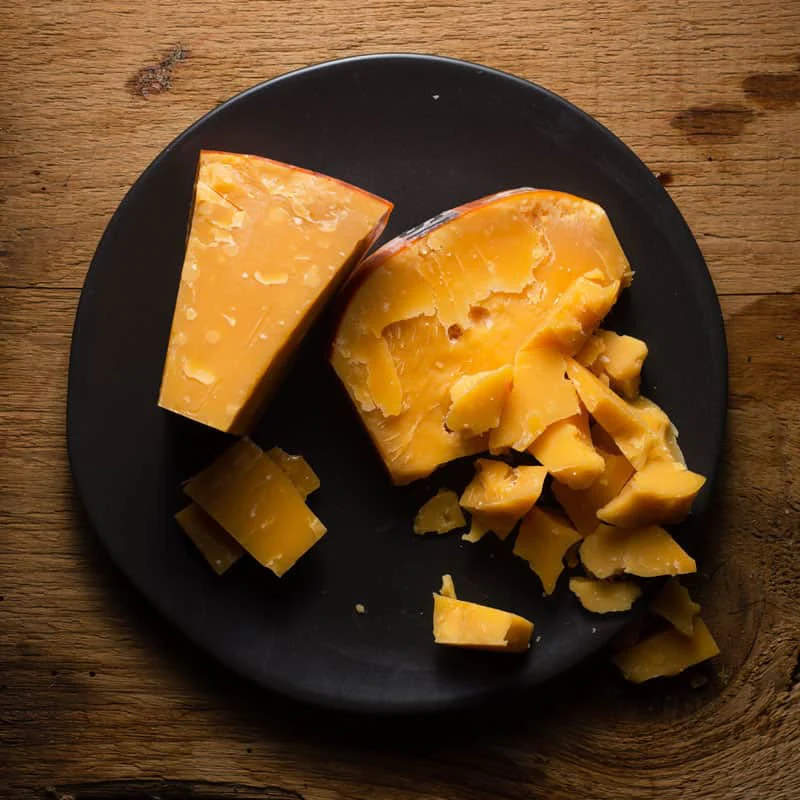 Aged GoudaSouth HollandCow · Hard · bold
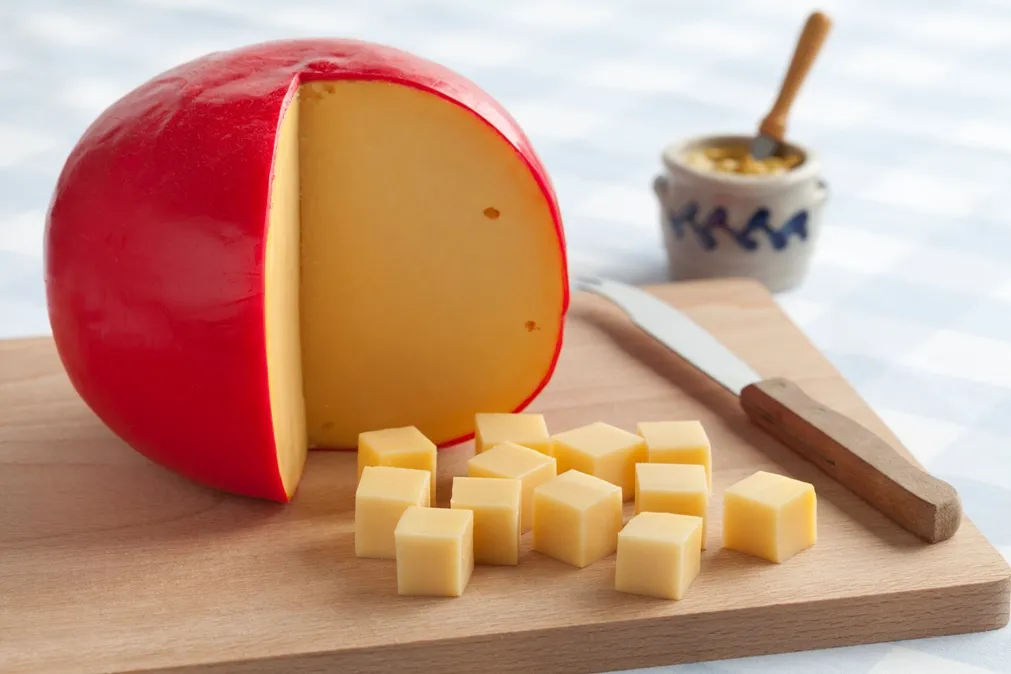 EdamNorth HollandCow · Semi-hard · gentle
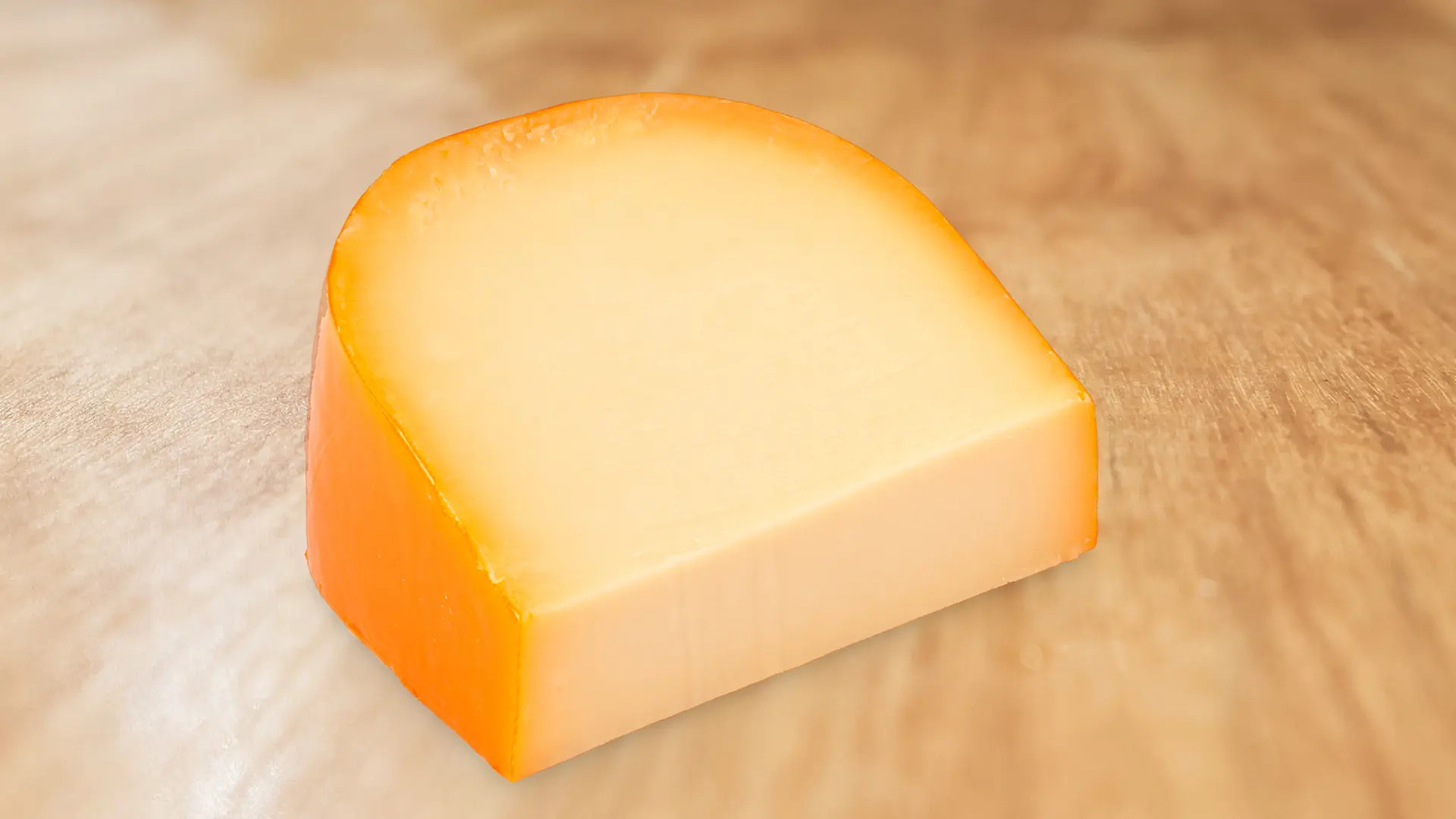 GoudaSouth HollandCow · Semi-hard · medium
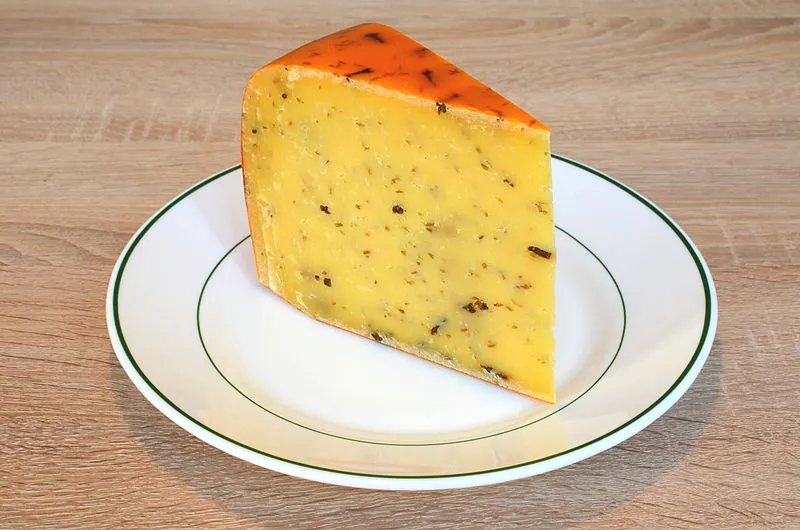 KanterkaasFriesland and WesterkwartierCow · Hard · medium
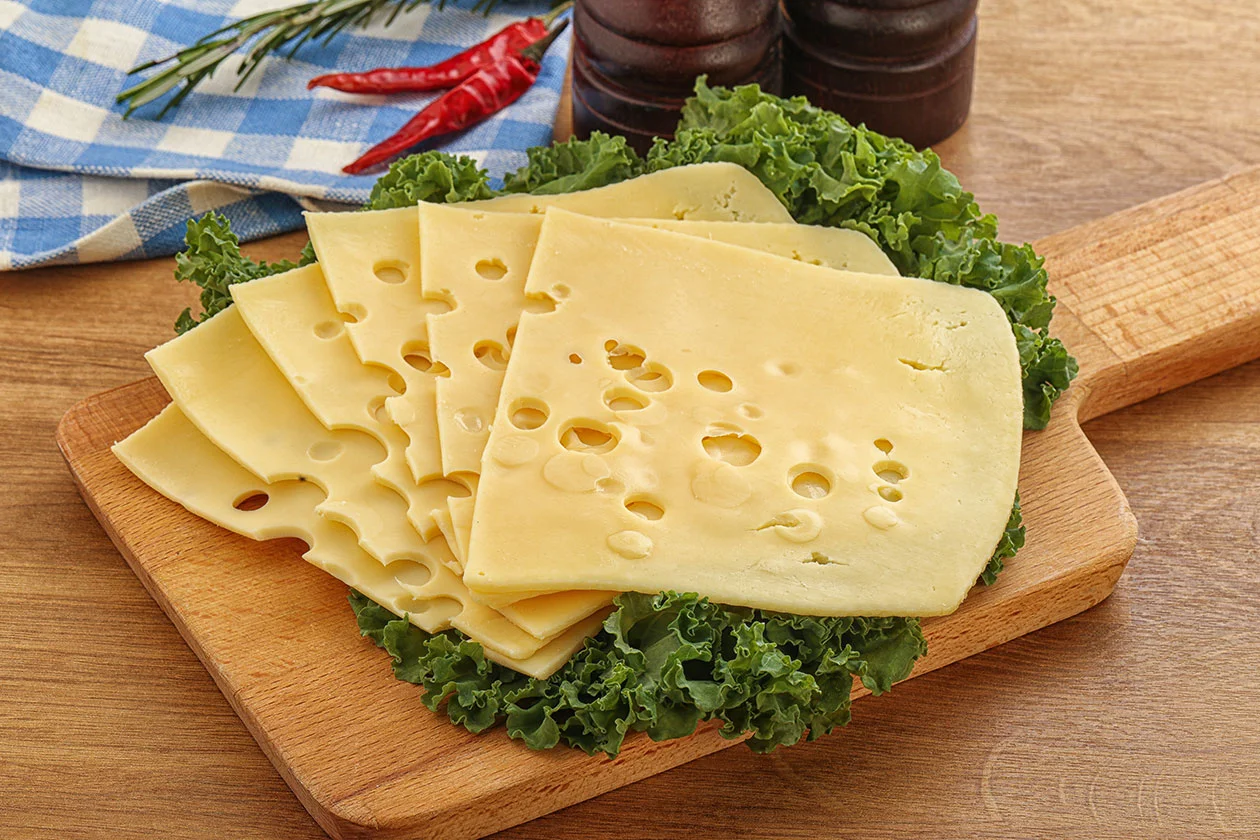 LeerdammerSouth HollandCow · Semi-hard · gentle
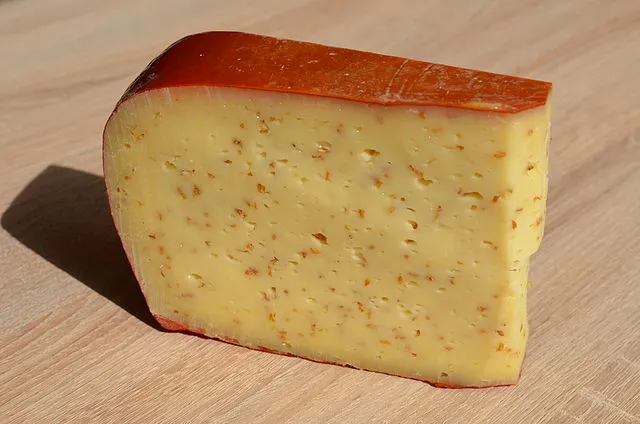 Leyden (Leidse kaas)Leiden (South Holland)Cow · Hard · bold
How to build a cheese tasting route in the Netherlands
1. Gouda and the Green Heart
The town of Gouda, with its historic cheese market and nearby farm experiences, is an easy place to start. Comparing young, matured and old Gouda from the same producer shows clearly how age affects flavour, texture and crystal formation.
2. Edam and North Holland
Do not define Edam only by the image of a small red-waxed ball. Read the differences in producer, age and how the milk was treated, and take in a market visit together with the history of the town and its trade.
3. Leiden and Friesland
Leyden and Kanterkaas are valuable for understanding the use of spice in Dutch cheese. Cumin and clove can overwhelm or complement the cheese's milky structure; taste them side by side in small portions.
Where to start, based on your palate
Young Gouda and Edam offer a gentle introduction to Dutch cheese.
Aged Gouda suits anyone after long maturity, deep umami and crunchy crystals.
Leyden and Kanterkaas set themselves apart from the classic wheels with cumin or clove.
Leerdammer is worth considering if you want a semi-hard texture and a profile that pairs easily.
With Dutch cheeses, the age can sometimes tell you more than the cheese's name. Young and very mature examples of the same Gouda should be judged as different products.
What to drink with Dutch cheeses
With young Gouda and Edam, bright, light drinks that keep the delicate milky character intact work best; with aged Gouda, you need body that can stand up to caramel-like, intense aroma. With spiced Leyden or Kanterkaas, the drink's own spice and bitterness also need to be taken into account.
In Cheesepedia, AI helps read the wine label and the likely wine profile. The cheese results are not written by a generative guess: the estimated wine profile is run through an expert-designed pairing engine against the existing cheese database. That gives you a more consistent starting selection for the bottle in your hand and your own palate.
Planning a cheese-focused trip
- Check the market season. The historic cheese markets are not held every day of the year.
- Ask about age. Maturity terms such as jong, belegen and oud change the experience.
- Separate the market town from the producer. Where a cheese is sold is not always where its milk or production comes from.
- Leave spiced cheeses until last. Cumin and clove can overwhelm more delicate examples.


Frequently asked questions
What is the Netherlands' most famous cheese?
Gouda is the best-known Dutch cheese worldwide. Edam is also very familiar, while Leyden and Kanterkaas show the country's spiced cheese traditions.
Is Gouda a town or a cheese?
Both. Gouda is a historic market town, and the cheese name has become a style used around the world. For a product's real origin, check the full name and producer on the label.
Are the Dutch cheese markets open every day?
No. Market days and seasons vary by town. Check the current calendar on the official tourism site before you travel.
How does Gouda change as it ages?
It usually becomes firmer, denser, more caramel-like and crystalline. The producer and storage conditions can affect the result.
Sources and further reading
This guide is Cheesepedia's original interpretation of the references below. Listing a source does not imply that the organization endorses Cheesepedia.