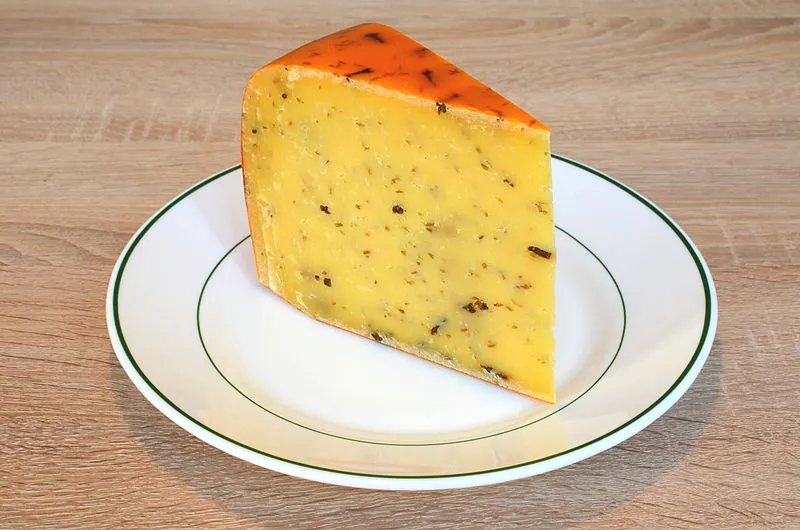
What is Kanterkaas?
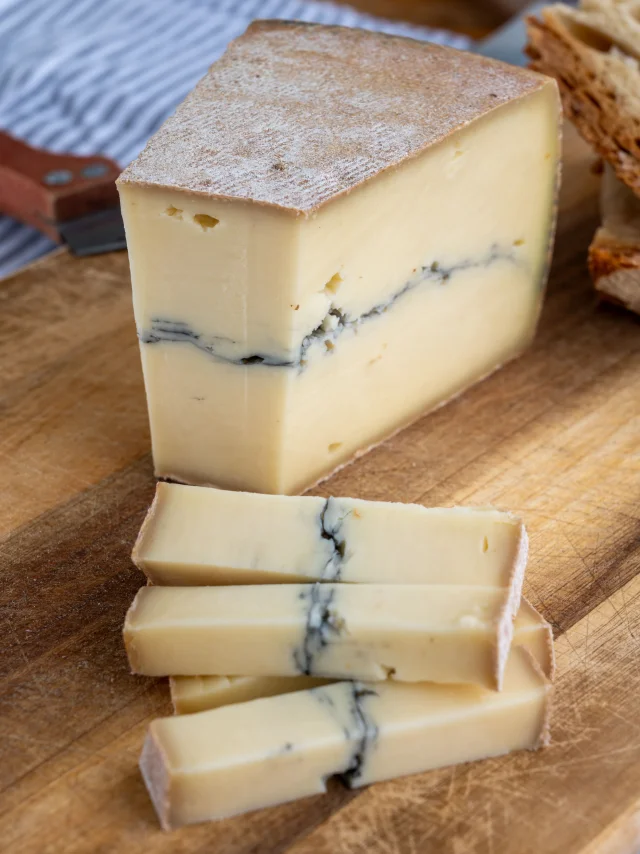
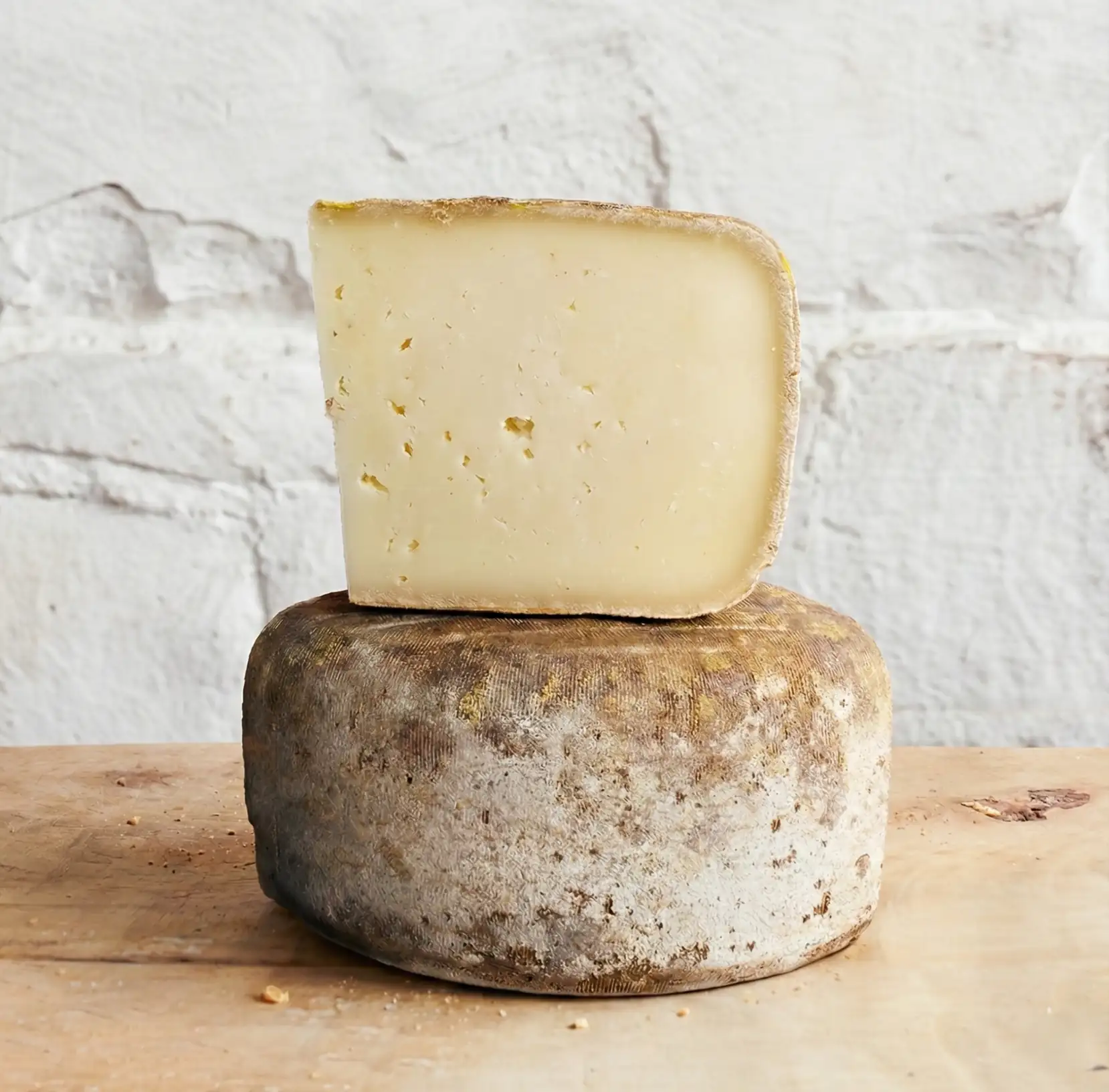
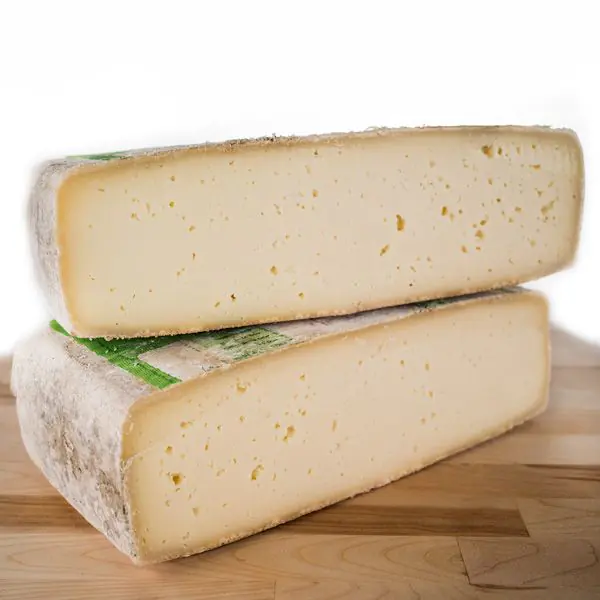
A unique Frisian hard cheese from the Netherlands, defined by its distinctive wedge shape: one side sharp-edged, the other rounded. Produced in three varieties: plain Kanterkaas, clove-spiced Kanternagelkaas, and Kanterkomijnekaas with both cloves and cumin. Low in fat and hard-pressed. It has held PGI status since 2007.
Taste, aroma, and texture
Hard, dense, and firm. With extended ageing, it becomes drier and slightly crumbly. The low butterfat content gives a leaner, more compact mouthfeel than Gouda. The wedge shape — sharp-angled on one side and rounded on the other — is immediately recognisable.
Herbal notes are strongly dominant in spiced varieties, where cumin and/or cloves shape the entire aromatic profile. In plain versions, lactic notes lead, supported by fruity and earthy character. Animal notes remain faint. No smoky character.
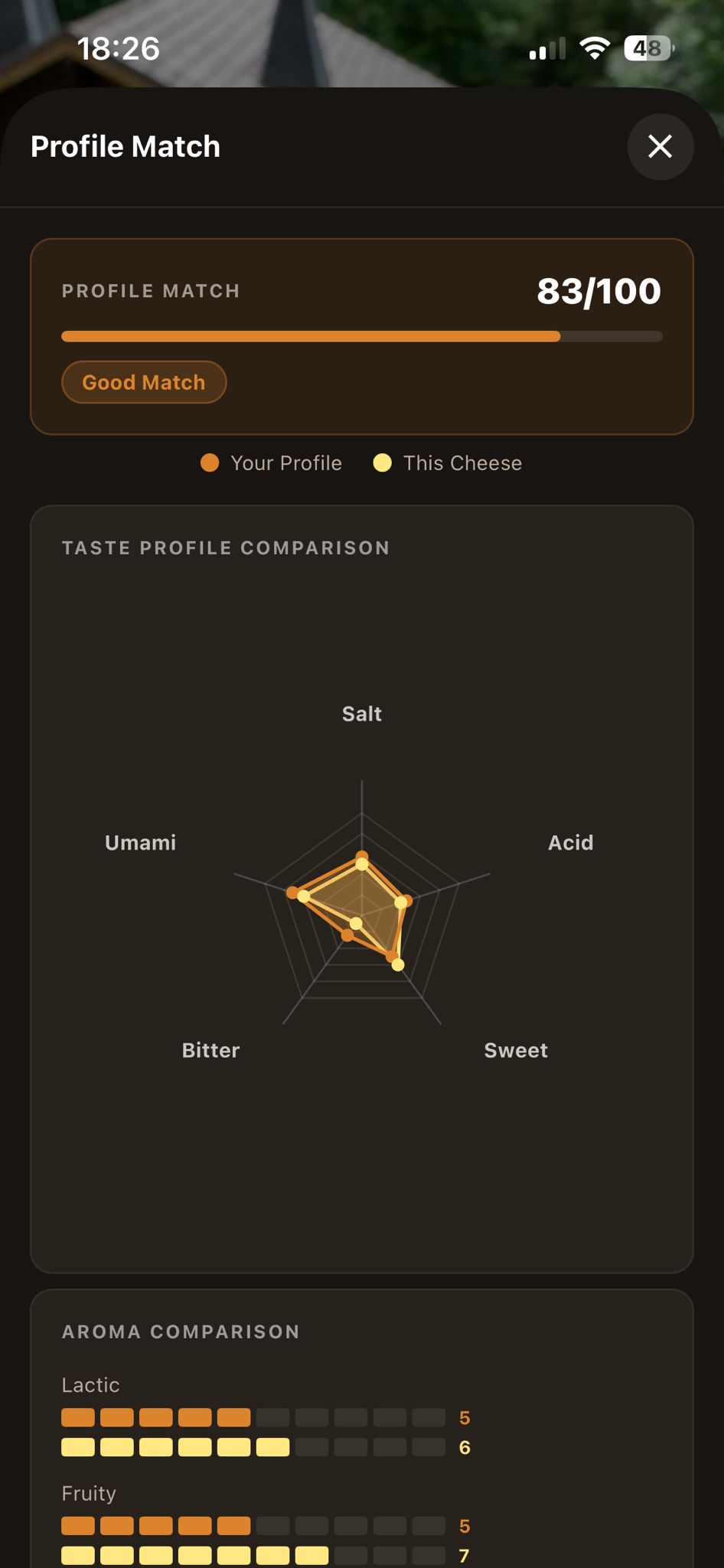
Cheesepedia taste profile
The values below are the structured baseline in the Cheesepedia app. Your personal match is calculated separately from your own taste profile.
A general profile can describe Kanterkaas, but it cannot know how closely the cheese fits your preferences. Cheesepedia Premium compares this profile with your personal taste profile and lets you evaluate cheeses side by side.
See your personal matchHow to enjoy it
- Sliced into rye bread sandwiches or rustic lunch plates.
- Grated over soups, potatoes, or baked vegetables.
- Served in thin pieces with pickles, apples, or nuts.
What pairs with Kanterkaas?
Classic serving companions from the Cheesepedia catalog.
- Butter Cracker
- Grissini
- Lavash Chips
- Salted Cracker
- Mini Sesame Bagel
Find the right wine in Cheesepedia
Cheesepedia uses an expert-designed algorithm that compares the cheese's taste, intensity, and production profile with the wine's body, acidity, tannin, and sweetness. Wine pairings are not generated by AI.
See wine pairings for KanterkaasStory and origin
Rooted in the maritime and dairy heritage of Friesland, Kanterkaas was developed as a long-lasting provision for sea voyages. Its low-fat composition and hard pressing gave it excellent keeping qualities. The spiced varieties reflect the Dutch spice trade tradition of the Golden Age. It has held PGI status since 2007.
Storage and serving
- Store in the fridge, wrapped or vacuum-packed.
- Air travel: suitable, especially if vacuum-packed.
Profile sources and methodology
This page uses the same curated record as the Cheesepedia mobile app. Production-style and designation references provide context; they do not imply endorsement of Cheesepedia.