Read Turkish cheese as a landscape of traditions
“Turkish cheese” is too broad to predict taste. Milk may come from sheep, goat, cow, or a seasonal mixture. Curds may be brined, stretched, pressed, cooked, packed into a vessel, matured in cloth, or carried into a cave. Climate, pasture, salt, altitude, and household practice all leave a trace.
The most useful way to begin is through production families, then move to the specific regional name. A protected geographical indication helps explain where a registered product belongs and which production rules define it. It does not mean that every unrelated cheese using a familiar style word is the same product.
Brined white cheeses: similar colour, different identities
White brined cheese is central to breakfast, pastries, salads, and meze, yet appearance alone tells very little. Milk mixture, region, acidity, salt, curd treatment, and maturation can move the experience from soft and lactic to firm, crumbly, tangy, or deeply savoury.
Ezine Peyniri has a registered designation of origin tied to its production area and specification. Edirne Beyaz Peyniri is another protected regional identity with its own record. Their shared colour does not make them interchangeable; compare milk, texture, acidity, salt, and maturation rather than relying on the phrase “white cheese.”
Tulum is a family, not one standard recipe
The word tulum points toward a broad maturation tradition, but the vessel, milk, climate, salt, and ripening environment vary. Erzincan Tulum Peyniri is associated with a crumbly, concentrated tradition and has a registered designation of origin. Karaman Divle Obruğu Tulum Peyniri develops in the Divle cave environment and carries its own protected record.
Those differences matter at the table. One tulum may feel sharp, dry, and savoury; another may show a distinct rind or cave character. The regional name and official specification tell you more than the family word alone.
Kaşar and Gravyer: stretch, press, and maturity
Kaşar traditions begin with heat and curd handling that create a cohesive body, but age changes everything. A young kaşar can be smooth and mild, while an old kaşar becomes firmer, more concentrated, and more savoury. Malkara Eski Kaşar Peyniri is a protected regional example that deserves to be read through its own production record.
Kars Gravyer Peyniri belongs to a different large-format, cooked and pressed tradition influenced by Alpine cheesemaking. Its texture, openings, nutty notes, and maturation context distinguish it from kaşar even when both appear in the firm-cheese section of a shop.
Stretched, braided, and string-like cheeses
Dil, örgü, çeçil, and related styles show how curd can be heated, stretched, pulled, braided, or separated into fibres. Their pleasure often comes from the meeting of salt and elastic or string-like texture. Diyarbakır Örgü Peyniri has a registered geographical indication, giving the familiar braided form a specific regional and production context.
Serve these cheeses for their texture as much as their flavour. Some are best eaten fresh; others are salted or matured more assertively. The package or producer information remains essential for milk, storage, and authenticity.
Herbs, natural mould, and the character of place
Van Otlu Peyniri brings local herbs into a protected cheese identity. The herb mixture contributes aroma and a sense of place, while milk, salt, and production determine the underlying cheese. Elsewhere, naturally moulded, cloth-aged, smoked, or vessel-matured traditions create flavours that cannot be understood from colour alone.
These cheeses are a good reminder that “strong” can mean many things: herbaceous, smoky, earthy, salty, acidic, animal, or simply long-lasting. A structured taste profile helps separate those qualities and makes it easier to discover a new regional cheese without reducing it to mild versus strong.
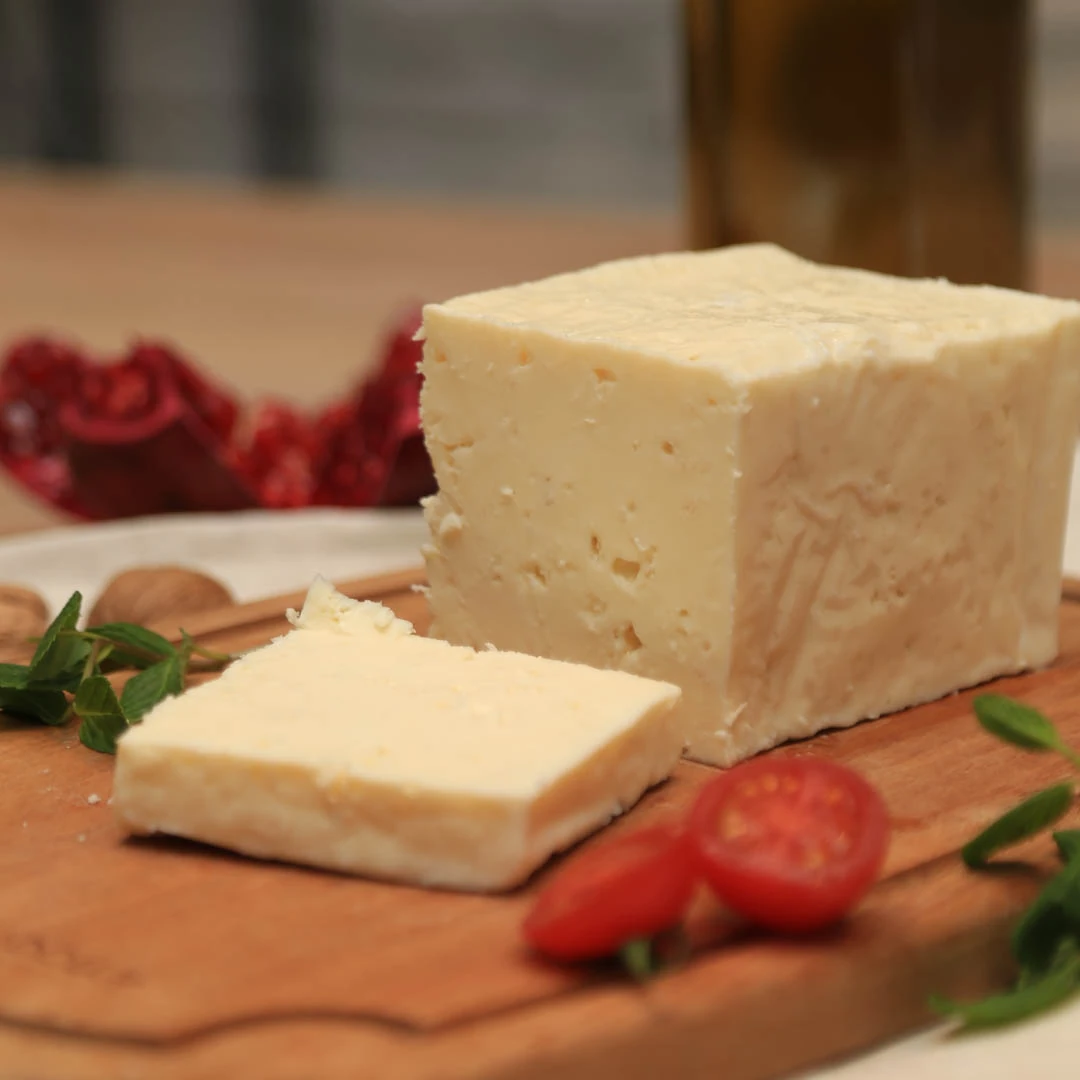 Ezine PeyniriBrined white cheese with a registered designation of origin.
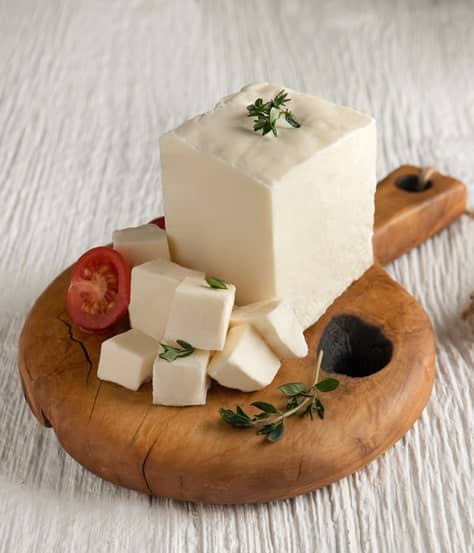 Edirne Beyaz PeyniriA protected white-cheese identity from Edirne.
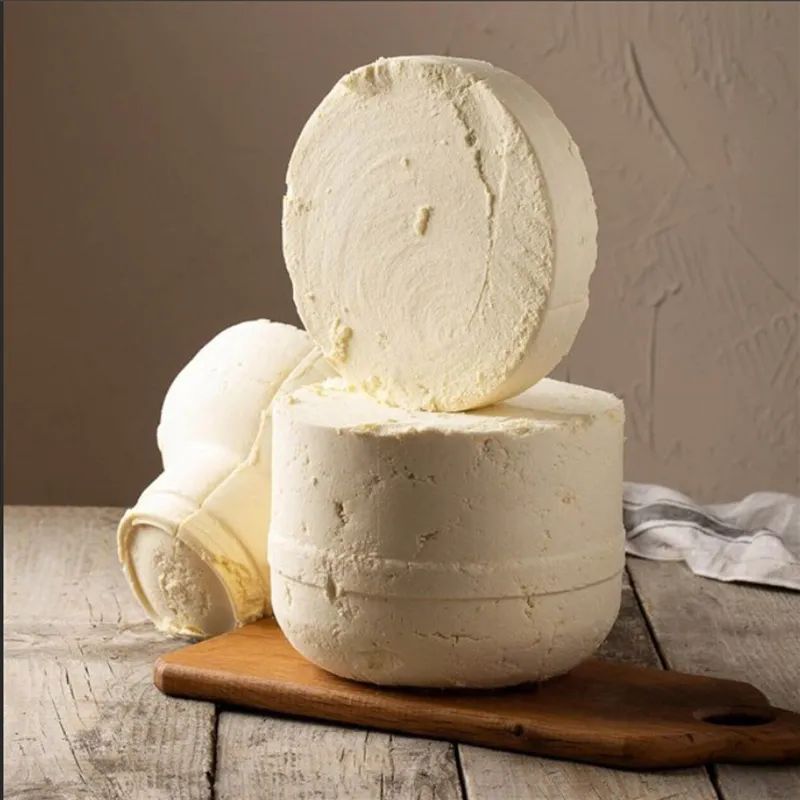 Erzincan TulumA concentrated regional tulum tradition.
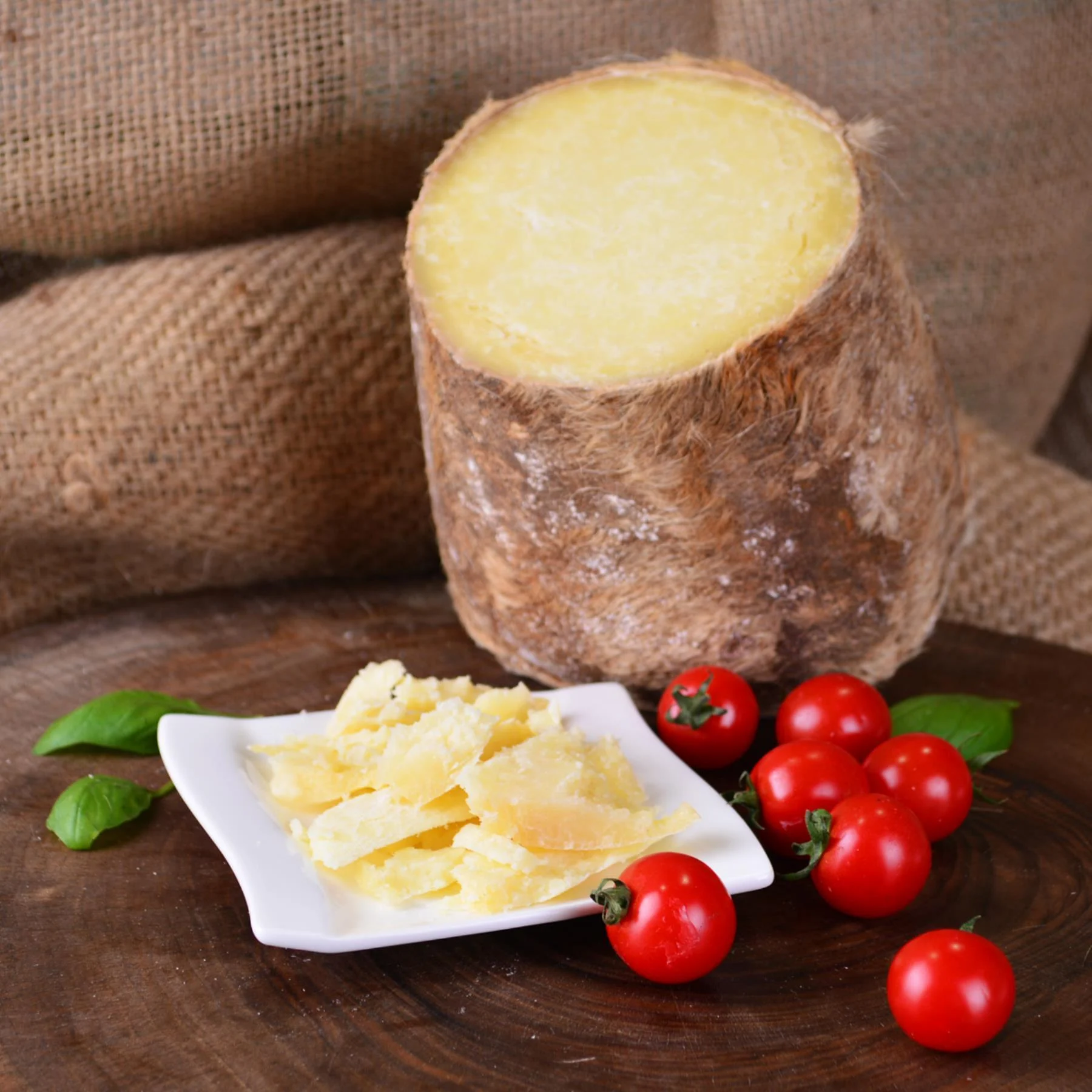 Karaman Divle Obruğu TulumCave maturation gives this protected identity its context.
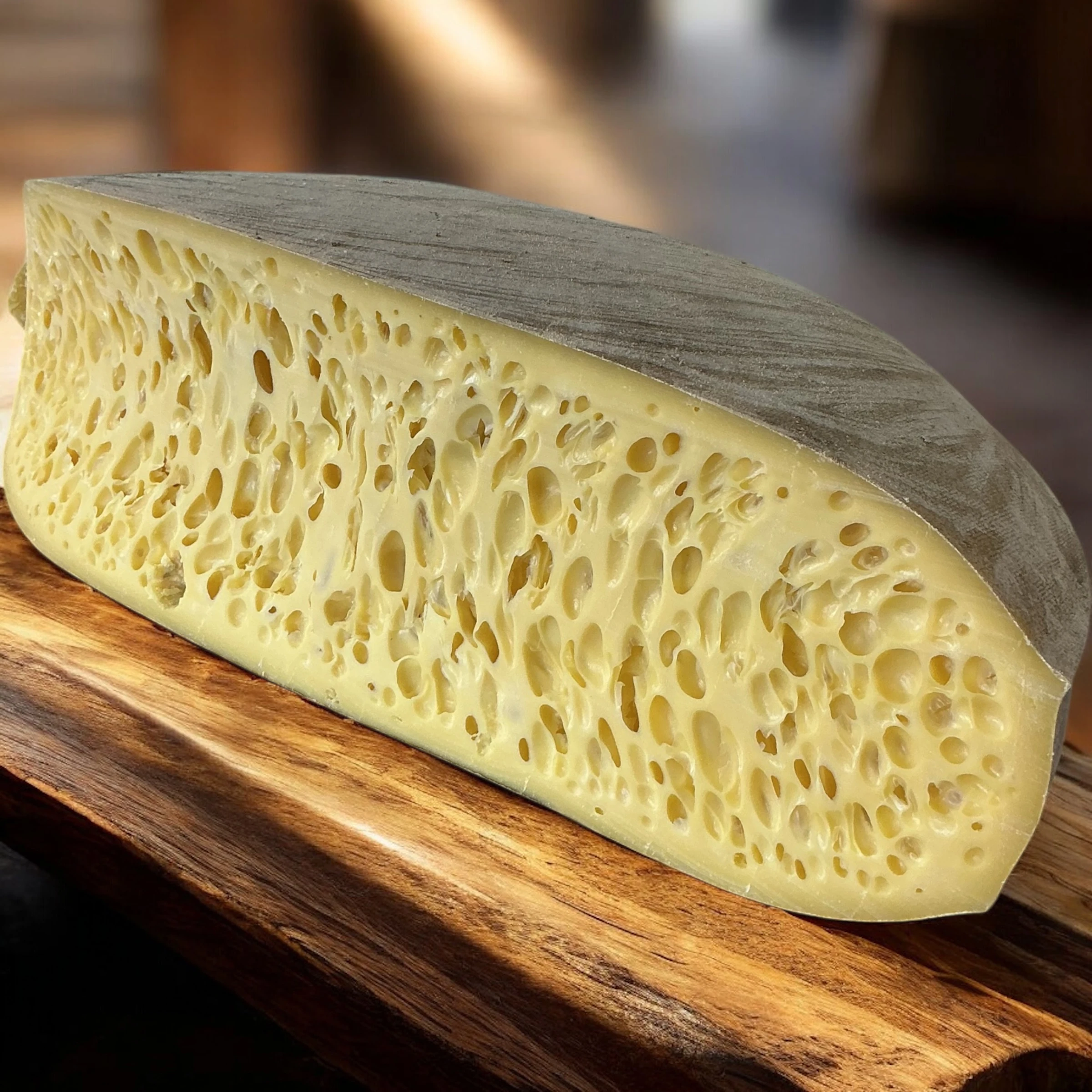 Kars GravyeriA cooked, pressed, large-format regional cheese.
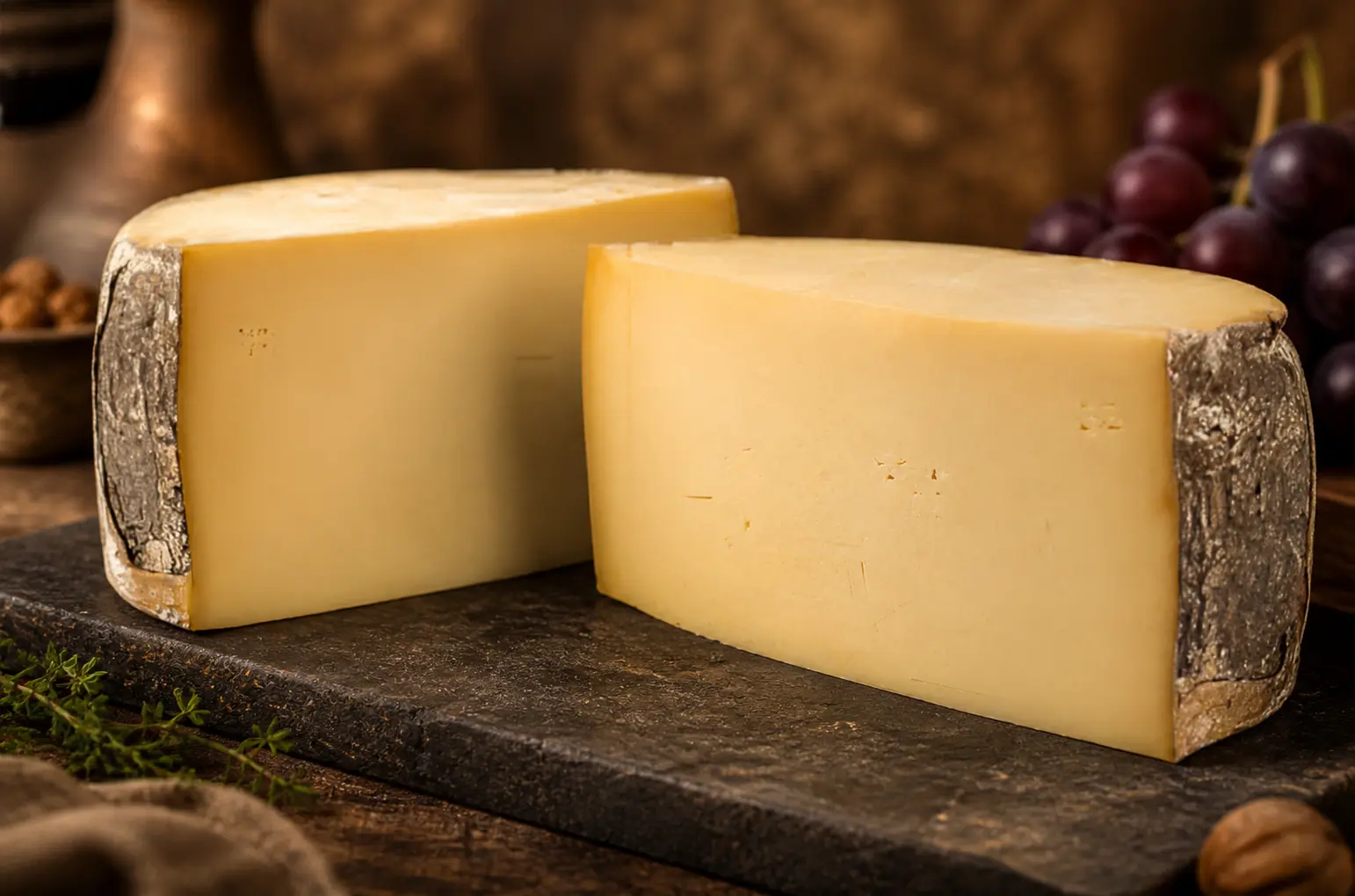 Malkara Eski KaşarA protected aged kaşar tradition.
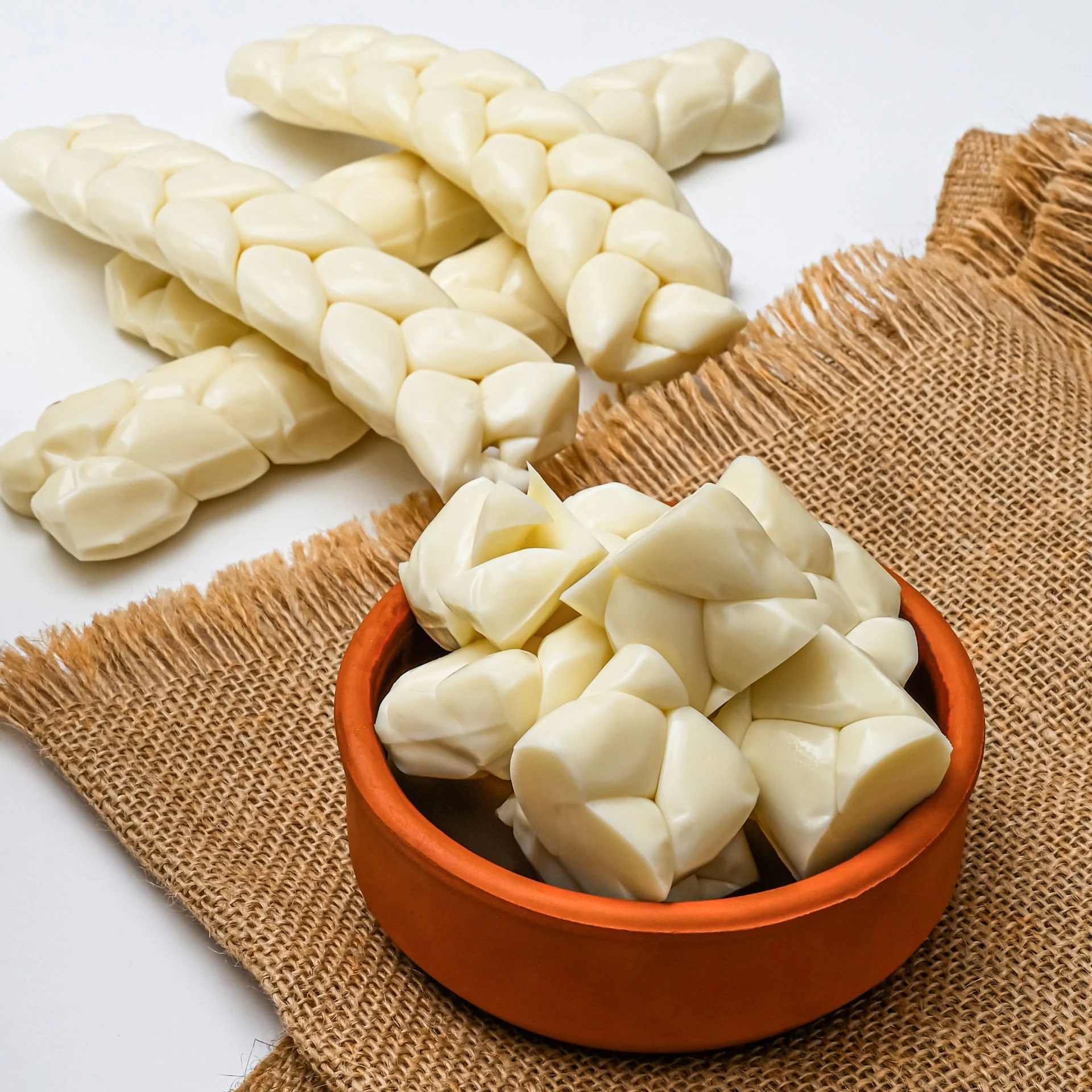 Diyarbakır ÖrgüBraided form with a registered regional specification.
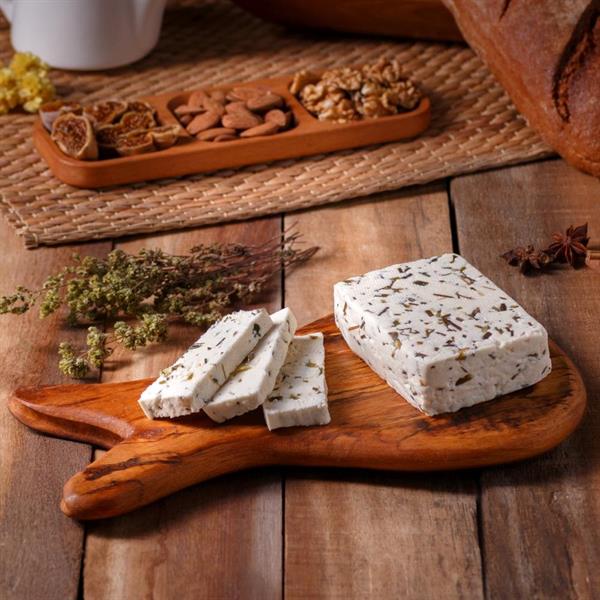 Van Otlu PeyniriLocal herbs meet a protected cheese identity.
How to read protected names
TÜRKPATENT uses menşe adı for products whose essential qualities and production stages are tied to the defined geography, and mahreç işareti for products whose reputation, quality, or other characteristics are linked to a place while at least one production stage occurs there. The exact registration record is more informative than a generic label claim.
When buying, look for the full registered name, producer information, milk and allergen details, storage instructions, and geographical-indication marks where applicable. Then use Cheesepedia to understand the cheese's sensory profile and see how it compares with your own palate.
Frequently asked questions
Is every Turkish white cheese the same as Ezine Peyniri?
No. Ezine Peyniri is a protected registered name with a defined geography and production specification. White cheeses from other places may use different milk, methods, salt levels, textures, and maturation.
Does the word tulum identify one exact cheese?
No. Tulum describes a broad family of traditions. Erzincan Tulum and Karaman Divle Obruğu Tulum, for example, have distinct regional identities and official records.
Where can I verify a Turkish cheese's geographical indication?
Use the TÜRKPATENT geographical-indications portal and search the full registered name. Cheesepedia's protected cheese profiles also link to the relevant official record when one has been verified.
Sources and further reading
This guide is Cheesepedia's original interpretation of the references below. Listing a source does not imply that the organization endorses Cheesepedia.