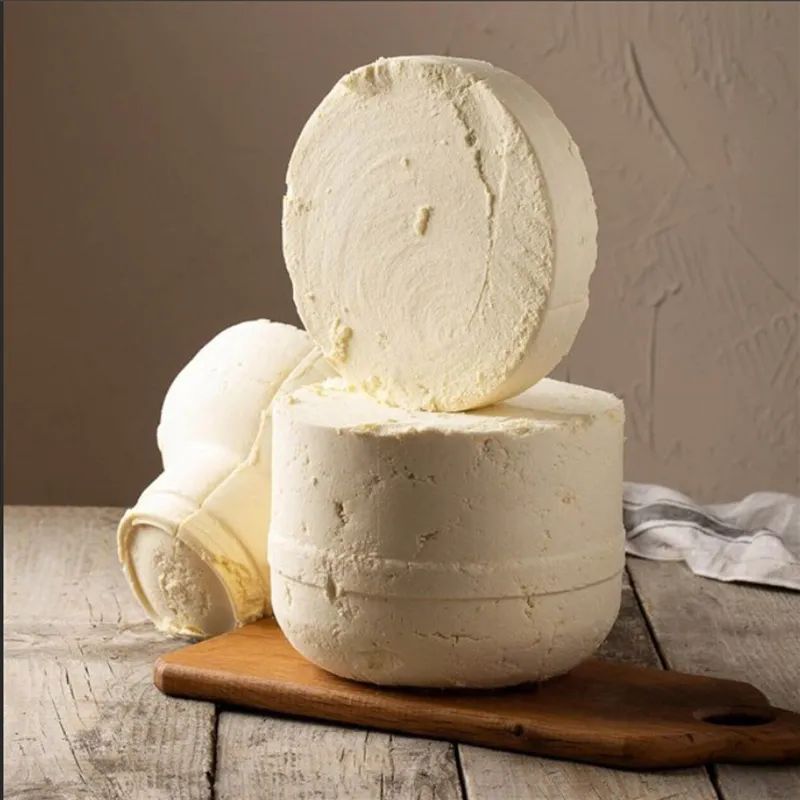
What is Erzincan Tulum Peyniri?
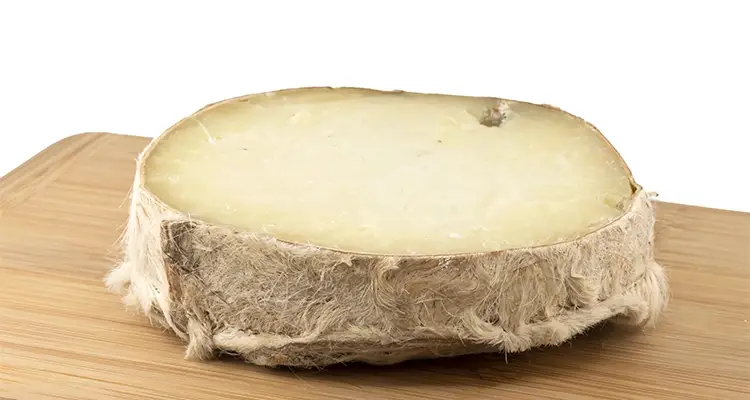
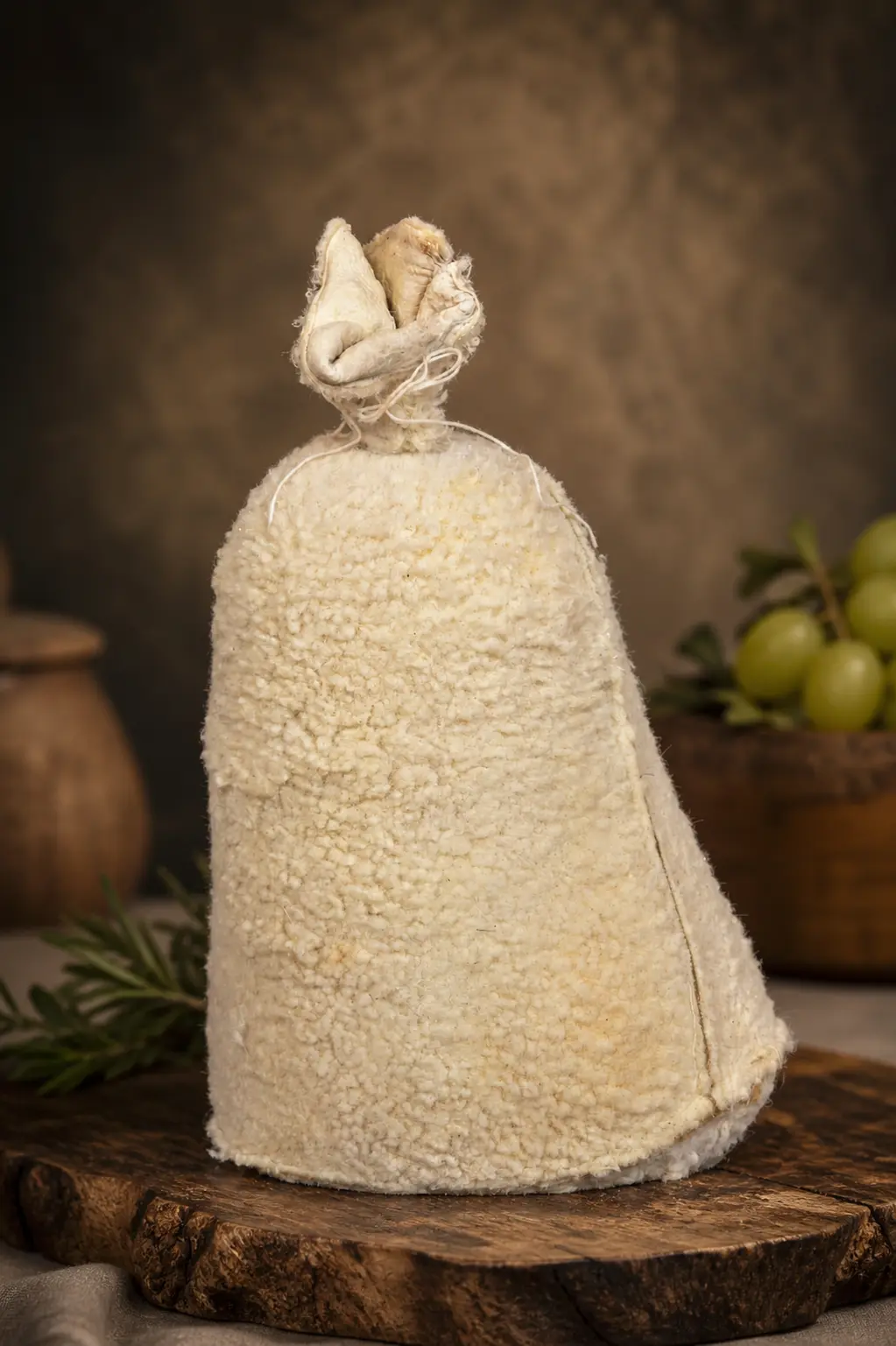
A tulum cheese from Erzincan, made mainly from raw Akkaraman sheep’s milk collected between April and September from animals grazing on pastures above 1,500 metres. The cheese is salted and pressed into goat or sheep skin vessels, or plastic drums, for at least four months. It has an off-white colour, crumbly texture, and a rich salty flavour shaped by the high-altitude flora of Erzincan’s plateaus.
Taste, aroma, and texture
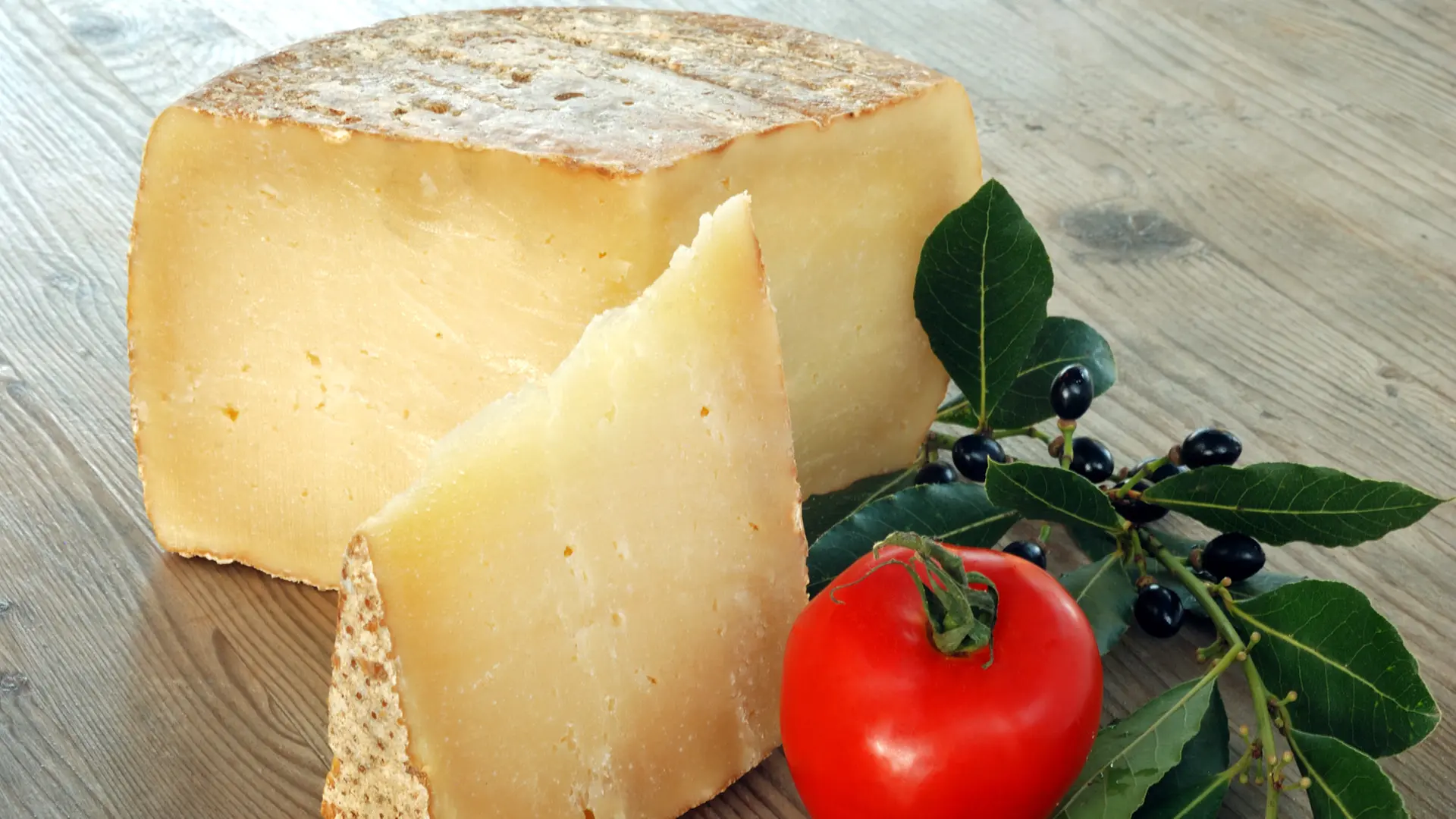
Dense and crumbly, with a dry, compact body that breaks into sharp, irregular pieces. The colour ranges from off-white to pale ivory. Plastic-drum versions do not develop a true rind; skin-aged versions develop a natural exterior.
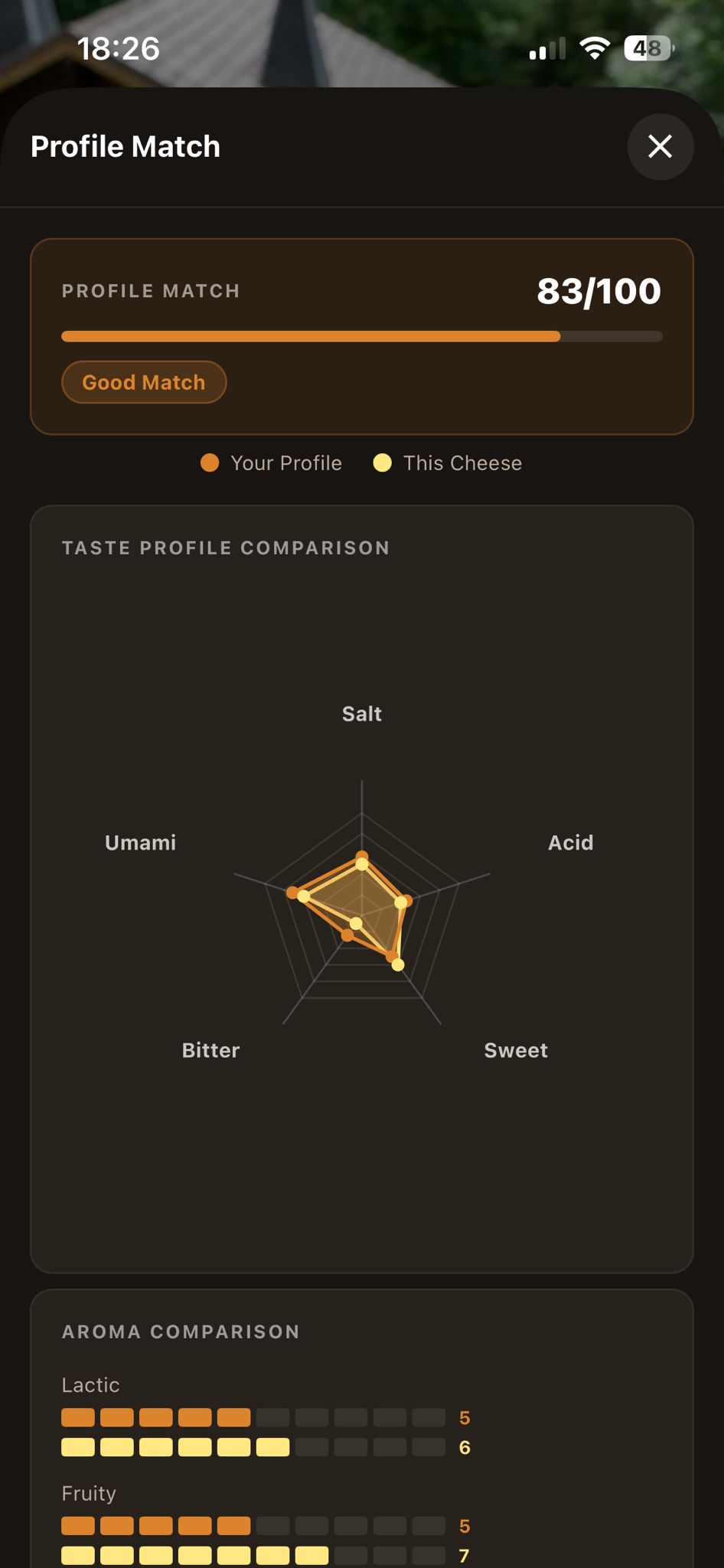
Earthy and animal notes are equally dominant; fermented skin-vessel character, sharp dairy tang, and wild plateau herbs define the profile. Herbal notes are also strongly present. Lactic and fruity notes are present. No smoky character.
Cheesepedia taste profile
The values below are the structured baseline in the Cheesepedia app. Your personal match is calculated separately from your own taste profile.
A general profile can describe Erzincan Tulum Peyniri, but it cannot know how closely the cheese fits your preferences. Cheesepedia Premium compares this profile with your personal taste profile and lets you evaluate cheeses side by side.
See your personal matchHow to enjoy it
- Served in small pieces on breakfast or cheese plates.
- Crumbled over flatbreads, salads, or warm potatoes.
- Used in savoury pastries, rustic fillings, or meze plates.
What pairs with Erzincan Tulum Peyniri?
Classic serving companions from the Cheesepedia catalog.
- Whole Wheat Cracker
- Butter Cracker
- Salted Cracker
- Lavash Chips
- Mini Sesame Bagel
Find the right wine in Cheesepedia
Cheesepedia uses an expert-designed algorithm that compares the cheese's taste, intensity, and production profile with the wine's body, acidity, tannin, and sweetness. Wine pairings are not generated by AI.
See wine pairings for Erzincan Tulum PeyniriStory and origin
Erzincan Tulum is among the earliest Turkish cheeses to receive geographical indication protection and among the first Turkish cheeses registered in the EU. Its raw material comes from Akkaraman sheep grazing on pastures above 1,500 metres, where aromatic plant diversity enriches the milk. The cheese has been produced in Erzincan for centuries using natural şirden rennet. It is registered as a protected geographical product in Turkey and the EU.
Storage and serving
- Store in the fridge, wrapped or vacuum-packed.
- Air travel: suitable, especially if vacuum-packed.
Profile sources and methodology
This page uses the same curated record as the Cheesepedia mobile app. Production-style and designation references provide context; they do not imply endorsement of Cheesepedia.
- Official designation
- Designation of Origin (Menşe Adı)
- Registered name
- Erzincan Tulum Peyniri
- Register reference
- Registration No. 30 · C2000/004
Turkish Patent and Trademark Office