What is Feta?
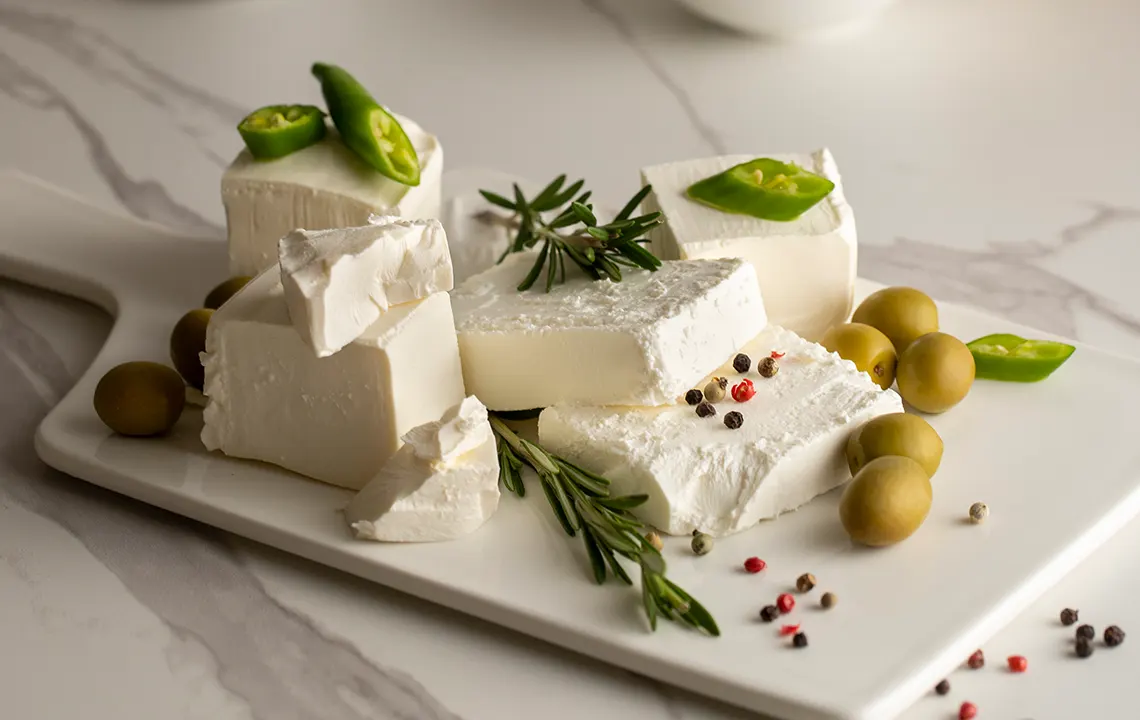
A brined white cheese from mainland Greece and the island of Lesbos, made exclusively from the milk of native sheep breeds or from a mixture containing up to 30% goat’s milk from the same region. Produced within a defined zone covering Macedonia, Thrace, Epirus, Thessaly, Central Greece, the Peloponnese, and Lesbos. Ripened in brine for a minimum of 2 months. Available in both firm and softer styles.
Taste, aroma, and texture
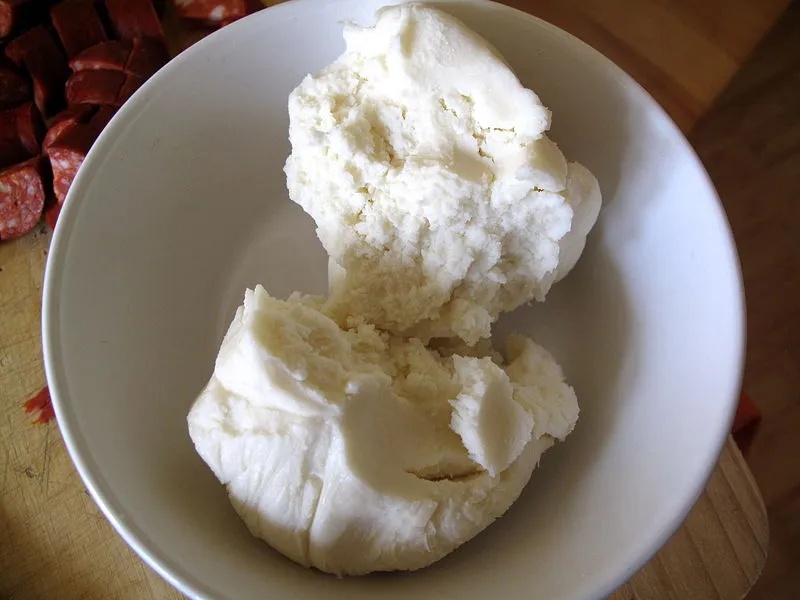
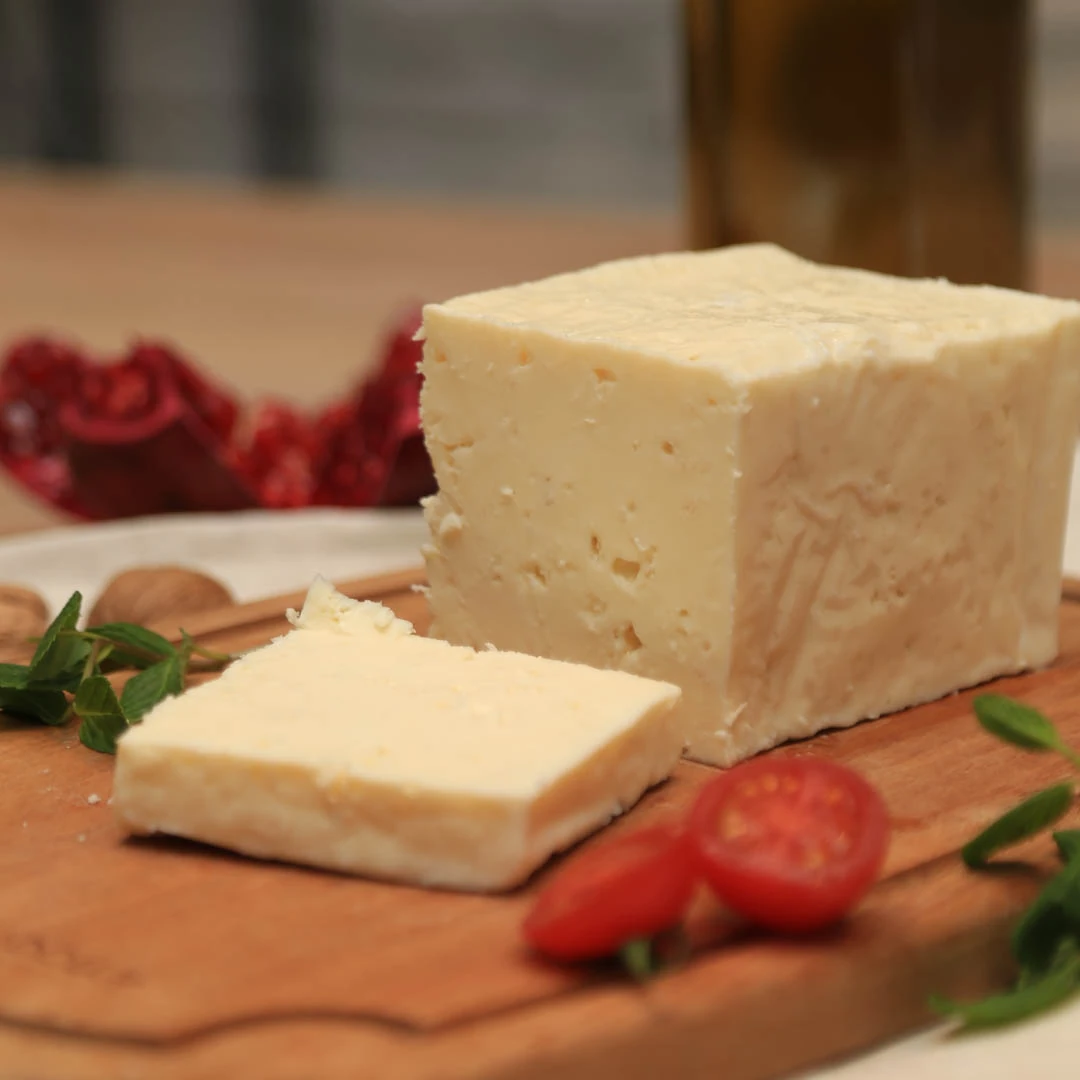
Crumbly yet moist, breaking easily into small pieces. The firm style is tangier and more compact, while the softer style is almost spreadable. Pure white throughout and rindless. When sold in blocks, the surface may show light mould speckling. Stored and served in brine.
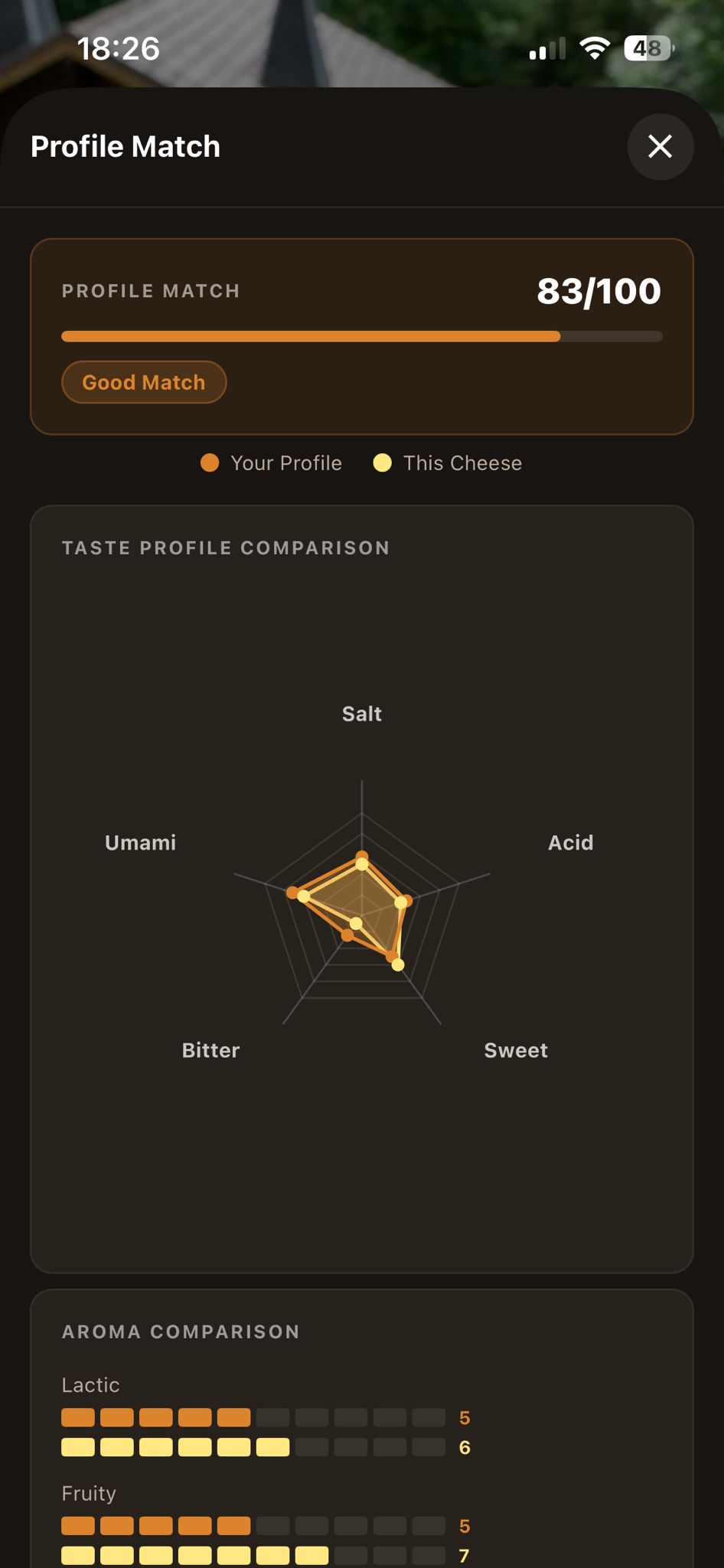
Lactic notes are dominant — fresh, clean, and tangy. Animal notes are noticeable. Earthy and herbal notes remain faint, reflecting the diverse flora of Greek pastures. Fruity and smoky notes are barely perceptible.
Cheesepedia taste profile
The values below are the structured baseline in the Cheesepedia app. Your personal match is calculated separately from your own taste profile.
A general profile can describe Feta, but it cannot know how closely the cheese fits your preferences. Cheesepedia Premium compares this profile with your personal taste profile and lets you evaluate cheeses side by side.
See your personal matchHow to enjoy it
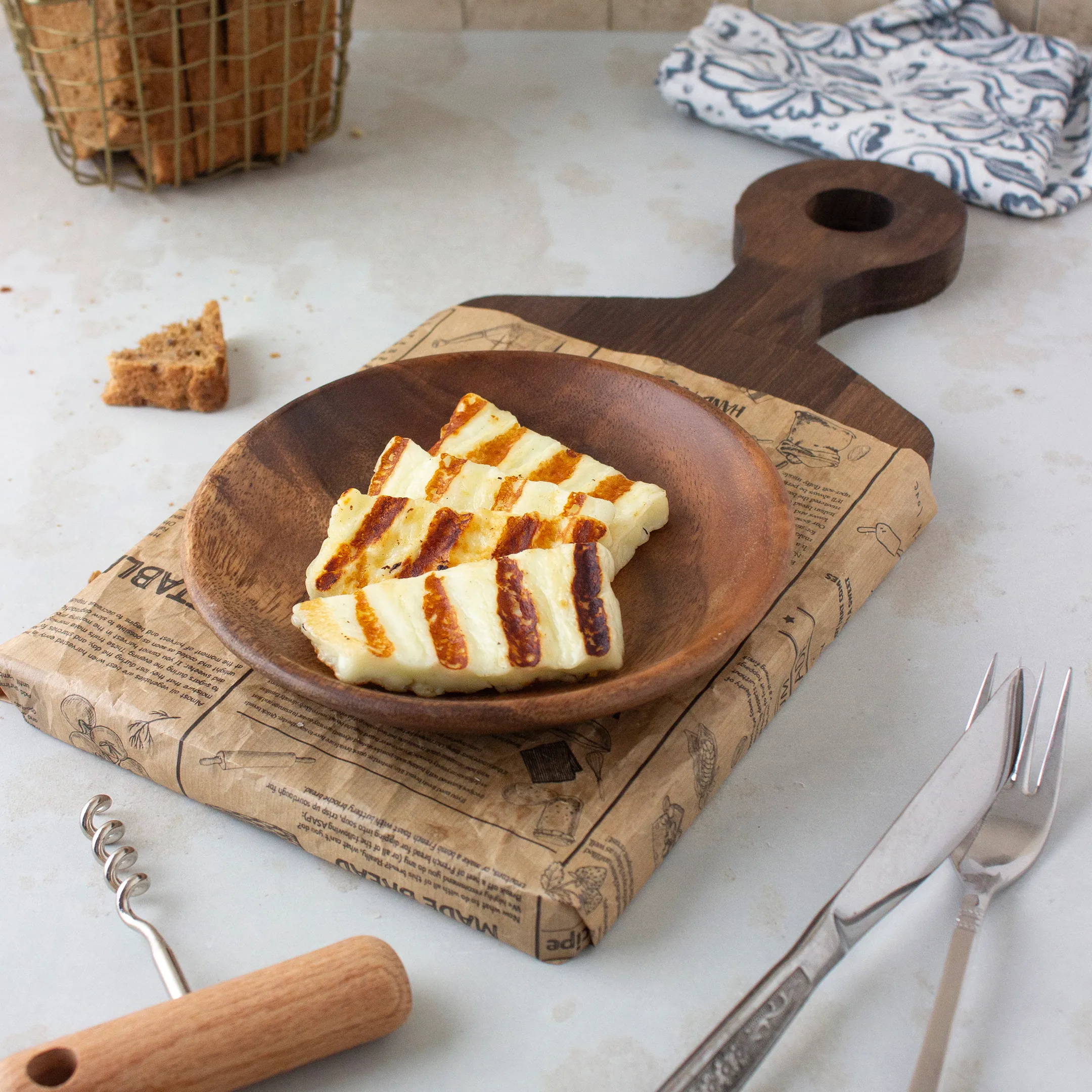
- Crumbled over Greek salad, roasted vegetables, or grain bowls.
- Baked with tomatoes, peppers, and herbs.
- Used in pies, pastries, or savoury fillings.
What pairs with Feta?
Classic serving companions from the Cheesepedia catalog.
- Whole Wheat Cracker
- Butter Cracker
- Salted Cracker
- Spiced Cracker
- Mini Sesame Bagel
Find the right wine in Cheesepedia
Cheesepedia uses an expert-designed algorithm that compares the cheese's taste, intensity, and production profile with the wine's body, acidity, tannin, and sweetness. Wine pairings are not generated by AI.
See wine pairings for FetaStory and origin
One of the world’s oldest cheeses, with an early form appearing in Homer’s Odyssey (8th–7th century BCE), where the Cyclops Polyphemus is described making cheese. The name “feta,” meaning “slice,” first appeared in Italian documents in the 17th century and became standard in the 19th century. Greece codified production rules in the 1930s and enacted them into law in 1988. PDO status was first granted in 1996, later contested by Germany and Denmark, and finally confirmed by the European Court of Justice in 2005.
Storage and serving
- Store in the fridge, in brine or sealed packaging.
- Air travel: suitable only in leak-proof packaging.
Profile sources and methodology
This page uses the same curated record as the Cheesepedia mobile app. Production-style and designation references provide context; they do not imply endorsement of Cheesepedia.
- Official designation
- Protected Designation of Origin (PDO)
- Registered name
- Φέτα / Feta
- Register reference
- PDO-GR-0427 · EUGI00000013179
European Commission eAmbrosia