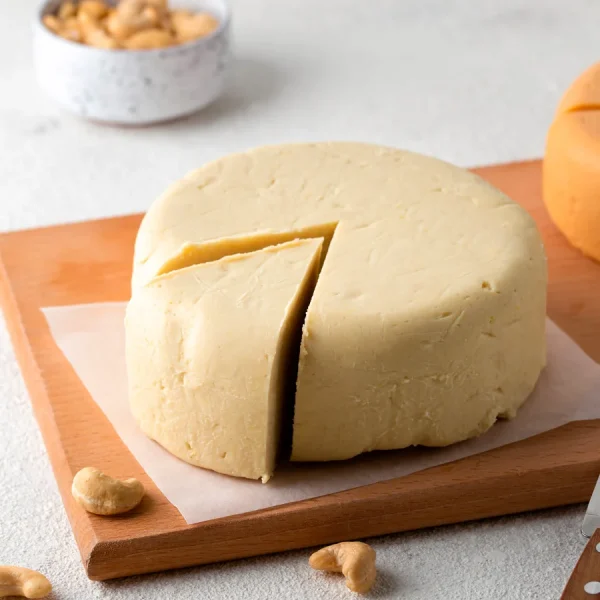
What is Kefalotyri?
One of Greece’s oldest and hardest cheeses, made from sheep’s milk, goat’s milk, or a mixture of the two across several Greek regions. Recognised by its pale yellow colour, hard dry texture, and sharp, salty, pungent character. Aged for a minimum of 3 months, sometimes for over a year for an even drier and more intense profile. Considered the ancestor of many Greek hard cheeses.
Taste, aroma, and texture
Texture
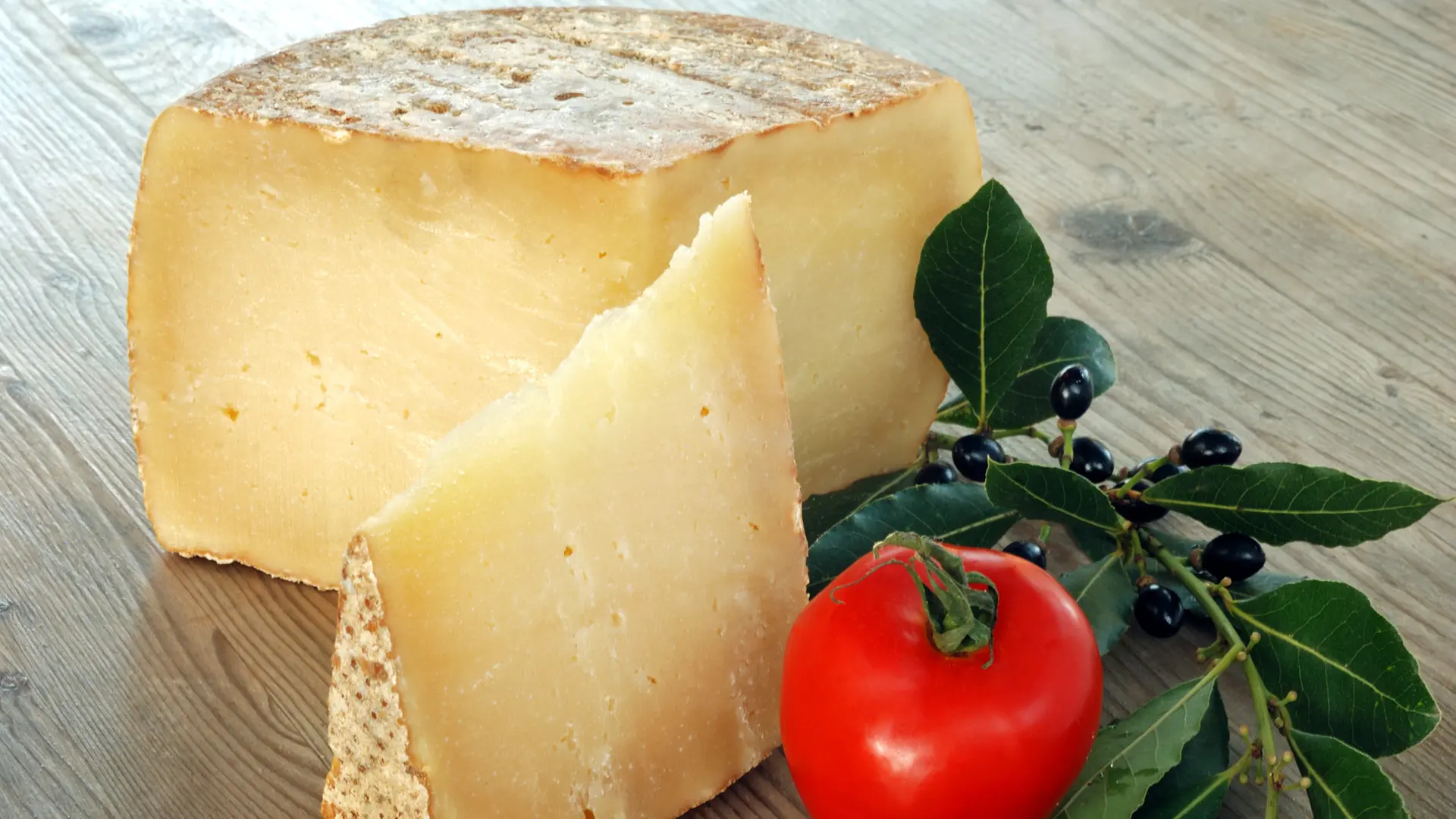
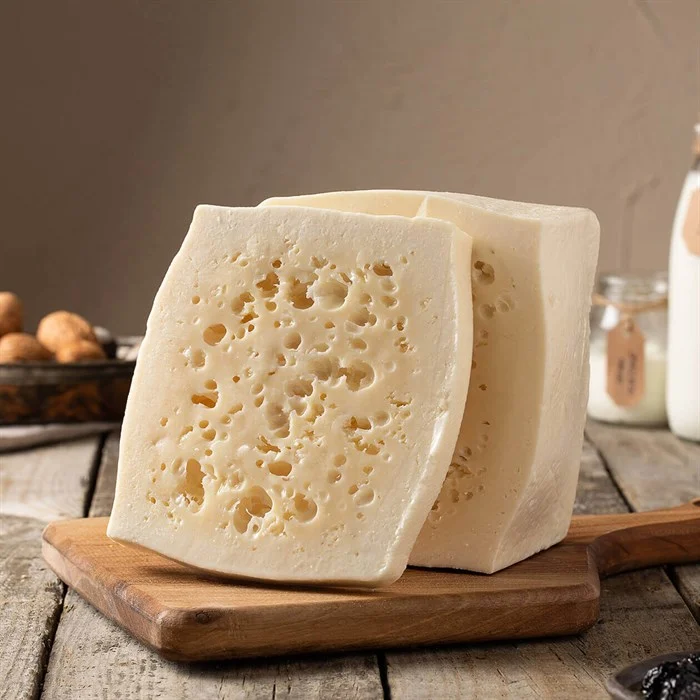
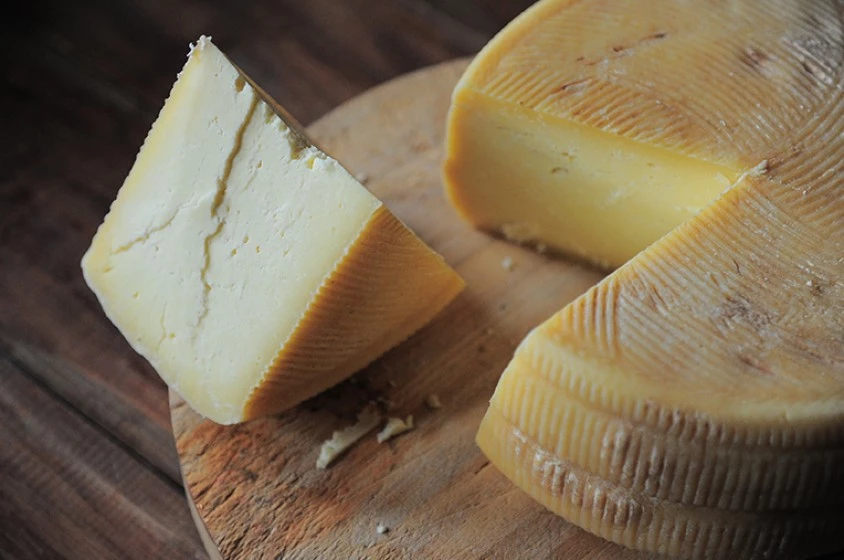
Hard and dense, with a dry, slightly flaky paste and small irregular holes. The colour ranges from pale yellow to white depending on the milk type. The natural rind is hard and golden-brown. Very firm, making it better suited to grating than slicing. With age, it becomes drier, more granular, and more crumbly.
Aroma
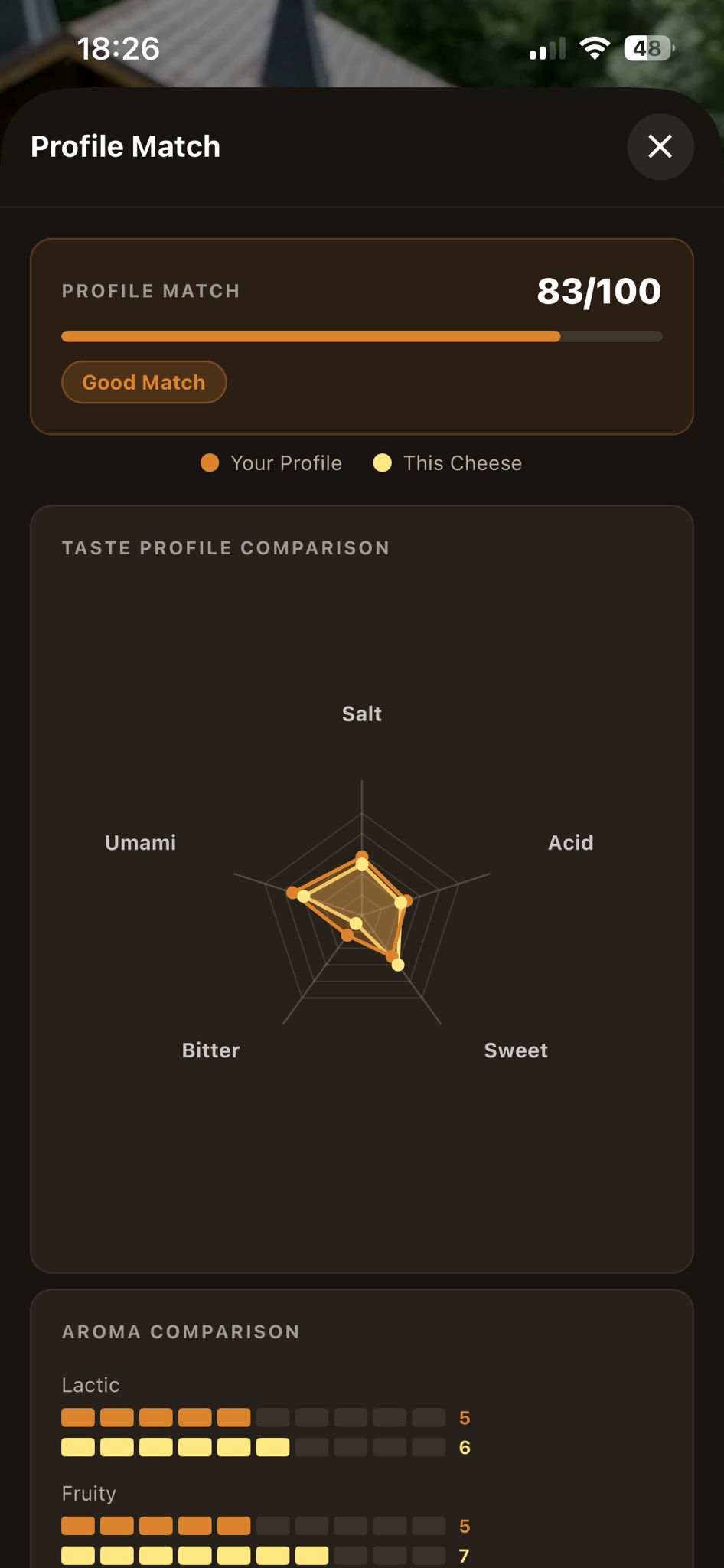
Animal notes are dominant, reflecting the aged sheep’s or goat’s milk character. Lactic and earthy notes are equally noticeable, while fruity and herbal notes remain faint. No smoky character. Intensity increases significantly with extended ageing.
Cheesepedia taste profile
These values are the structured baseline in the Cheesepedia app. Your personal match is calculated separately from your own taste profile.
How to enjoy it
- 01
Grated over pasta, casseroles, or soups.
- 02
Fried as saganaki or used in baked cheese dishes.
- 03
Added to pies, stuffed vegetables, or savoury pastries.
What pairs with Kefalotyri?
Classic serving companions from the Cheesepedia catalog.
- Salted Cracker
- Grissini
- Butter Cracker
- Whole Wheat Cracker
- Sesame Cracker
Story and origin
Dating back to the Byzantine era, Kefalotyri is considered Greece’s oldest hard cheese and the ancestor of many of the country’s hard varieties. Its name may derive from kefali, meaning “head,” referring to the shape of the mould. It has been made and consumed throughout Greece for centuries.
Storage and serving
- Store in the fridge, wrapped or vacuum-packed.
- Air travel: suitable, especially if vacuum-packed.
Profile sources and methodology
This page uses the same curated record as the Cheesepedia mobile app. Production-style and designation references provide context; they do not imply endorsement of Cheesepedia.